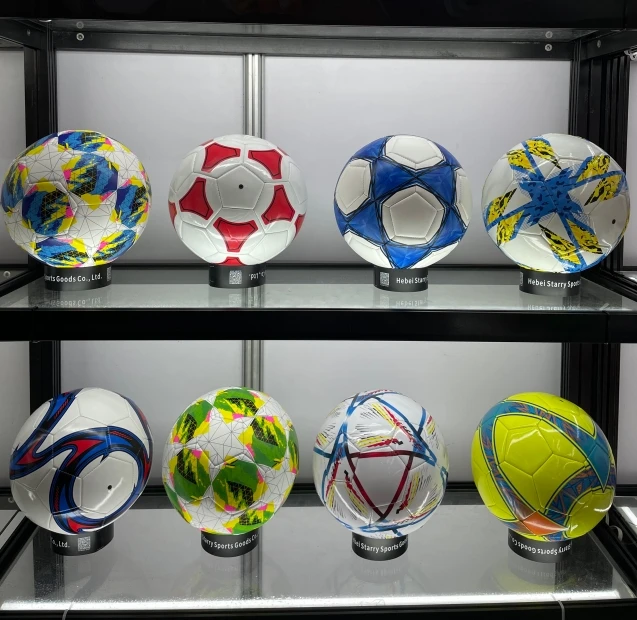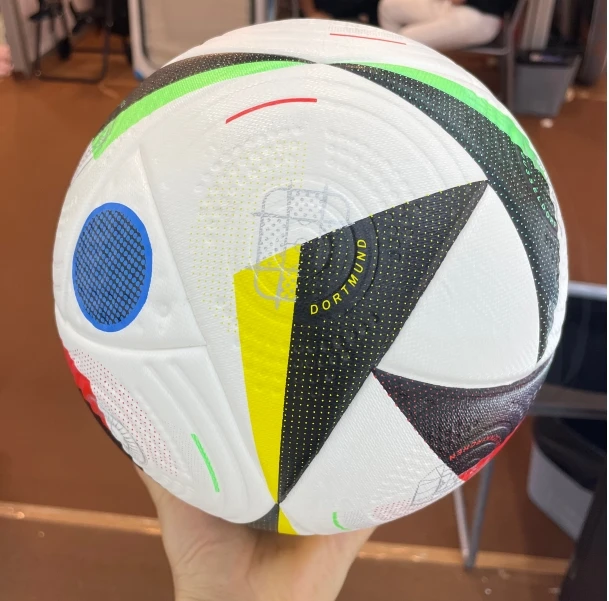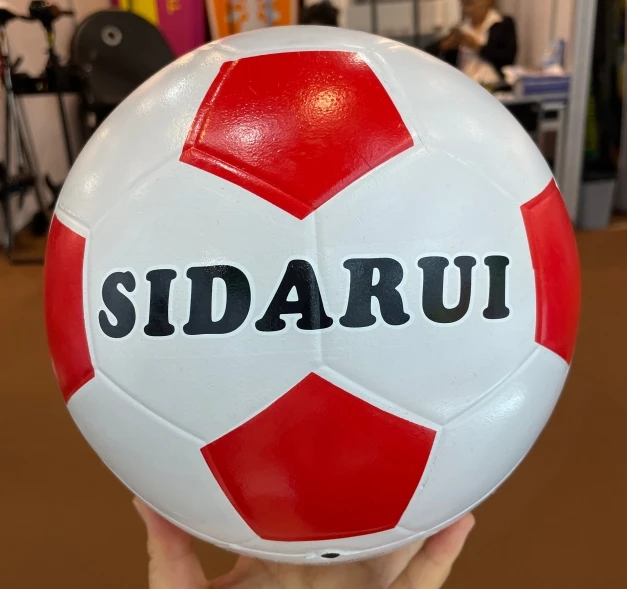
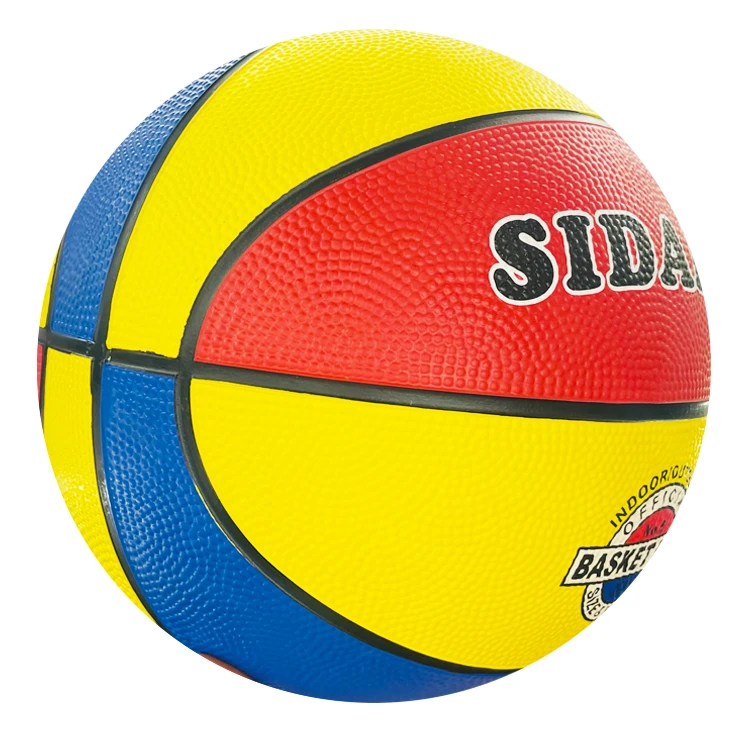
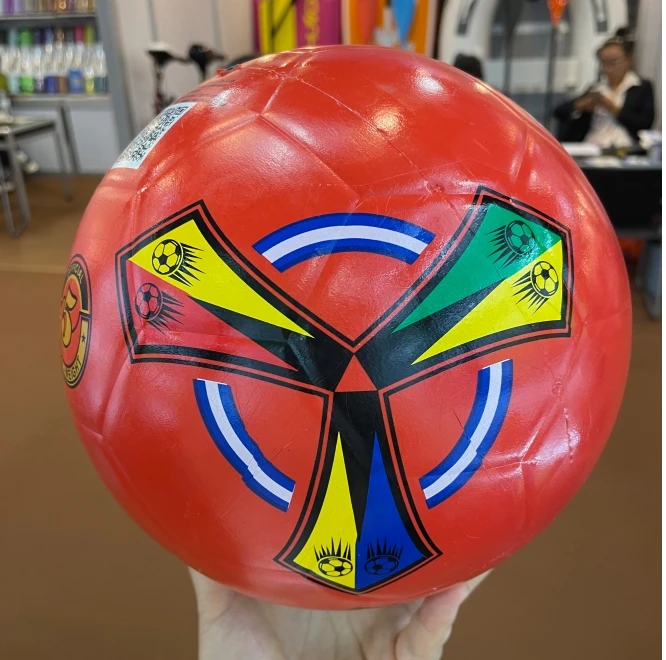
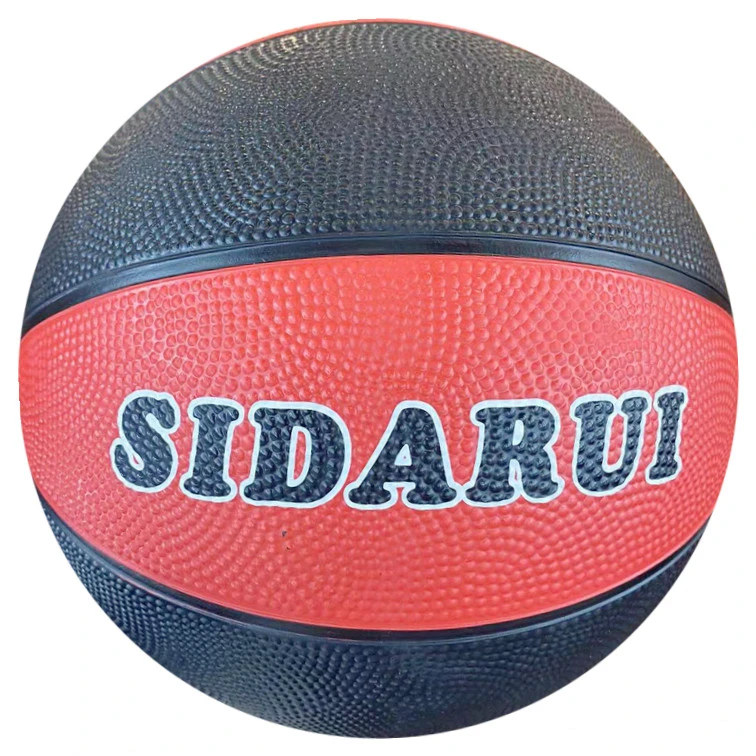
High-Performance futbol ball Solutions for Ghana

Engineering professional-grade sports equipment tailored for the rugged terrains and passionate football culture of Ghana.

High-Performance futbol ball Solutions for Ghana

Providing world-class sports manufacturing expertise to deliver balls that withstand the intense heat and diverse playing surfaces across Ghana, from Accra's coastal fields to Kumasi's urban courts.

The Sporting Landscape in Ghana

Analyzing the demand for resilience in sports equipment within the West African climate.

Ghana's football culture is legendary, but the environmental conditions pose a significant challenge to equipment longevity. The combination of high humidity and abrasive dust on local pitches means that a standard ball quickly degrades. This creates a critical market need for a durable soccer ball that can maintain its aerodynamic properties despite extreme wear and tear.

In urban centers like Accra and Tema, the rise of synthetic turf is increasing, yet the majority of community games are still played on hard-packed earth or sandy surfaces. These conditions act like sandpaper on traditional PVC covers, leading to rapid peeling and loss of pressure. Consequently, the Ghanaian market is shifting toward thermally bonded materials that eliminate seams and reduce water absorption.

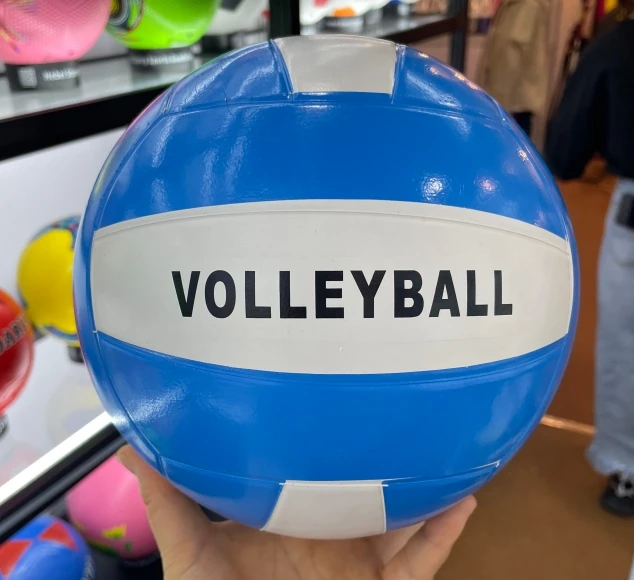
Beyond football, the coastal regions of Ghana have seen a surge in beach sports. The saline environment and abrasive sand require specialized equipment, such as a high-grade beach volleyball ball, which must be resistant to salt corrosion and designed for maximum visibility against the bright Atlantic shoreline.
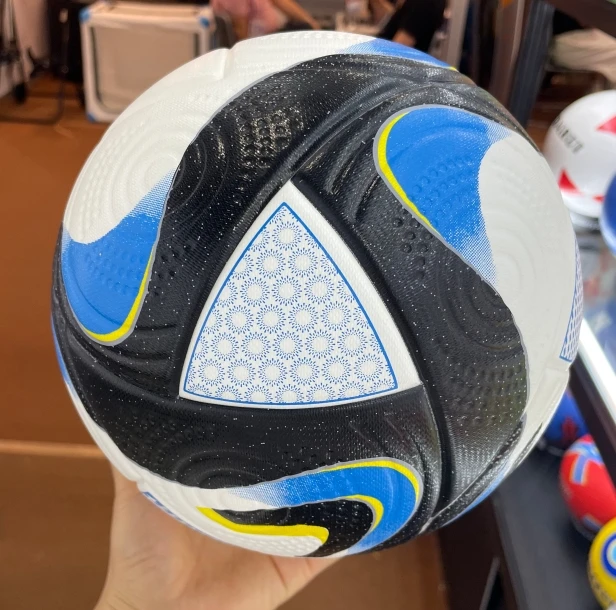
Evolution of Sports Manufacturing in West Africa

From basic rubber molds to precision-engineered athletic gear.

Market Development History

In the 1990s and early 2000s, the Ghanaian market was dominated by low-cost, hand-stitched balls. While affordable, these products suffered from poor air retention and frequent seam bursts, making them unsuitable for professional training or competitive league play.

By 2010, the introduction of machine-stitched technology allowed for more consistent spherical shapes. This era saw the rise of mid-tier equipment, but the need for a truly soccket ball that could withstand the tropical heat of the Gulf of Guinea remained unmet.

From 2018 to the present, there has been a paradigm shift toward TPU (Thermoplastic Polyurethane) and seamless thermal bonding. This technological leap has enabled the production of balls that are virtually waterproof and significantly more resistant to the abrasive Ghanaian soil.

Future Development Trends

Smart Material Integration

The next 3 years will see the integration of impact-sensing materials that provide data on kick force and ball spin, catering to the growing number of sports academies in Ghana.

Eco-Friendly Polymers

Driven by global sustainability trends, we are seeing a transition toward biodegradable polymers that offer the same durability as traditional plastics but with a lower environmental footprint in African ecosystems.

Customized Aerodynamics

Utilizing wind-tunnel data, future designs will optimize flight paths specifically for the air density and temperature profiles found in West African coastal regions.

Industry Outlook and Technological Forecast

Predicting the next era of sports equipment based on Google search trends and regional demand.

Thermal Bonding Dominance
Moving away from stitching to eliminate water absorption during Ghana's heavy rainy seasons.
Enhanced Abrasion Resistance
Development of high-density outer skins to combat the abrasive nature of sandy pitches.
Hyper-Elastic Bladders
Using advanced butyl rubber to ensure zero air leakage despite extreme temperature fluctuations.
Direct-to-Club Logistics
Optimizing supply chains to deliver sportscene soccer balls directly to local academies.

Industry Outlook

The trajectory of sports manufacturing for the Ghanaian market is moving toward "extreme durability." As the local professional league expands, the demand for equipment that meets FIFA standards but thrives in non-FIFA environments is skyrocketing.

We predict that within 5 years, the market will prioritize hybrid materials that combine the bounce of professional match balls with the exterior toughness of street-soccer gear, creating a new category of "Rugged Pro" equipment.

Localized Application Scenarios in Ghana

Real-world deployment of our sports manufacturing solutions across various Ghanaian environments.

1. Community Tournaments on Hard-Packed Soil

Deploying reinforced outer-shell balls that prevent surface abrasion during intense neighborhood tournaments in the Greater Accra region.

2. Coastal Beach Volleyball Leagues

Utilizing the beach volleyball ball specifically designed for the humid, salty air of the Cape Coast beaches to prevent bladder degradation.

3. Professional Youth Academy Training

Providing high-precision sportscene soccer balls to elite academies in Kumasi to ensure students train with official match-weight equipment.

4. School Sports Festivals (Inter-School Games)

Supplying high-volume, cost-effective yet durable gear that can be used by hundreds of students across varying terrain types without losing shape.

5. Urban Street Football (Concrete Courts)

Engineering ultra-durable shells for "concrete-play" environments where typical leather balls would burst within days.

Brand Story

Global Development Journey of Hebei Starry Sports Goods Co., Ltd.

Foundational Excellence

Established with a mission to bridge the gap between professional athletic standards and mass-market accessibility.

Material Innovation

Pioneered the use of advanced TPU compounds to solve the problem of premature ball wear in tropical climates.

Global Expansion

Extended our manufacturing footprint to serve emerging markets in Africa, focusing on high-durability specifications.

Quality Standardization

Achieved international certifications, ensuring every ball produced meets rigorous stress-test benchmarks.

The Future Vision

Committed to empowering the next generation of Ghanaian athletes through sustainable and indestructible sports gear.

Frequently Asked Questions for Ghanaian Markets

Expert answers to common concerns regarding sports equipment longevity in West Africa.

What makes a durable soccer ball suitable for Ghanaian sandy pitches?

The key is a high-density TPU outer layer and thermal bonding, which prevents sand from penetrating the seams and reduces surface abrasion compared to traditional stitched balls.

How does the tropical heat in Ghana affect a futbol ball's pressure?

Extreme heat can cause air expansion. Our balls use high-grade butyl bladders that maintain stable internal pressure and prevent leakage despite temperature fluctuations.

Are sportscene soccer balls water-resistant during the rainy season?

Yes, our seamless thermal-bonding technology ensures that water cannot seep into the ball, keeping the weight consistent even during heavy downpours in Accra.

Which beach volleyball ball is best for the Atlantic coast of Ghana?

We recommend our salt-resistant composite leather balls, which are specifically designed to resist the corrosive effects of saline air and abrasive beach sand.

What is the lifespan of a professional soccket ball on hard-ground surfaces?

While lifespan depends on usage, our reinforced shells are engineered to last 3-4 times longer than standard PVC balls when used on hard-packed earth.

Can these balls be customized for local Ghanaian sports clubs?

Absolutely. We offer OEM services to integrate club logos and colors while maintaining the high-durability technical specifications required for the region.

Ready to Elevate Your Game?

Partner with the leader in durable sports manufacturing for all your equipment needs in Ghana.

Contact Us Now

If you are interested in our products, you can choose to leave your information here, and we will be in touch with you shortly.


If you are interested in our products, you can choose to leave your information here, and we will be in touch with you shortly.


en_USEnglish