


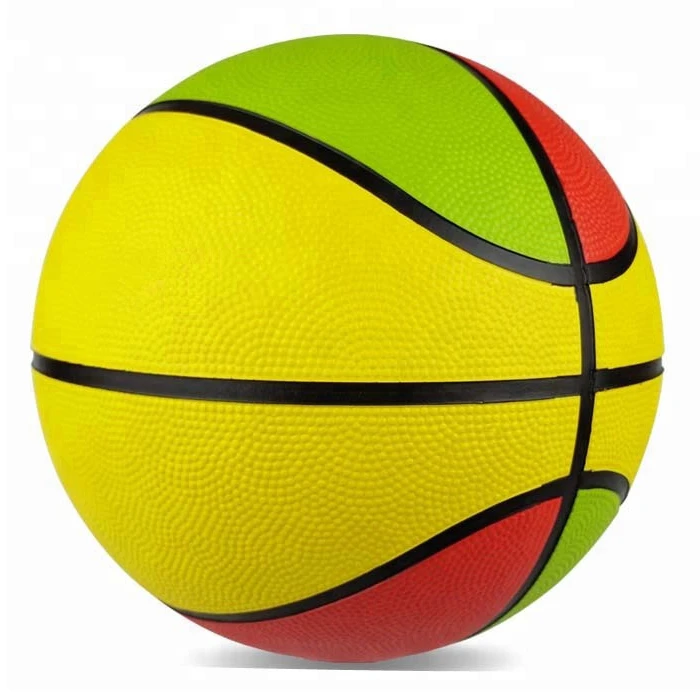
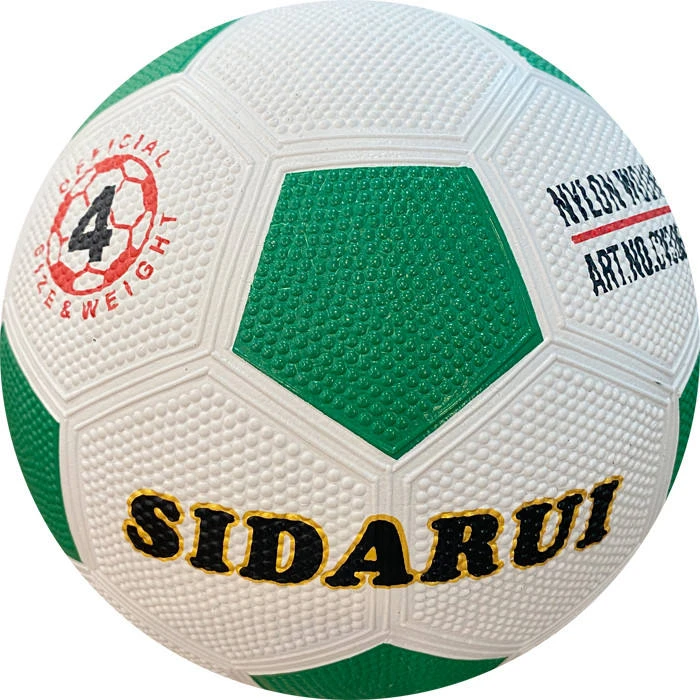
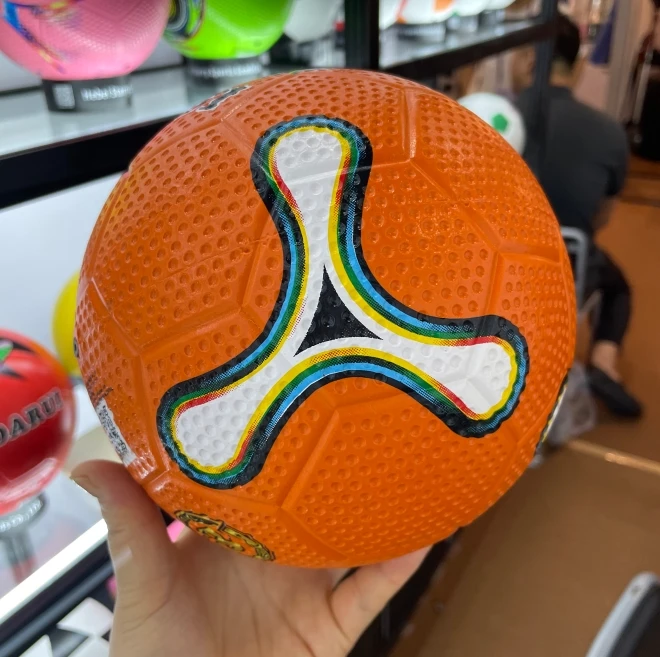
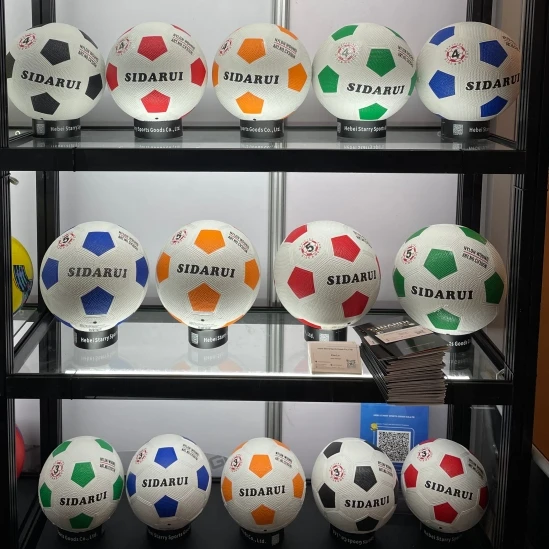
In Libya, the demand for a durable soccer ball is driven by the harsh environmental conditions. The combination of intense UV radiation and abrasive sandy surfaces accelerates the degradation of standard synthetic leather, leading to premature peeling and air leakage in traditional gear.
The local sports culture is deeply passionate, yet the market often struggles with the trade-off between cost and quality. Most available options are either low-cost imports that fail quickly or overpriced luxury brands that are not specifically engineered for the high-temperature volatility of the Sahara region.
Consequently, there is a critical need for a soccket ball and other equipment that utilizes advanced thermal-bonding technology to prevent seam failure caused by extreme thermal expansion and contraction.



 English