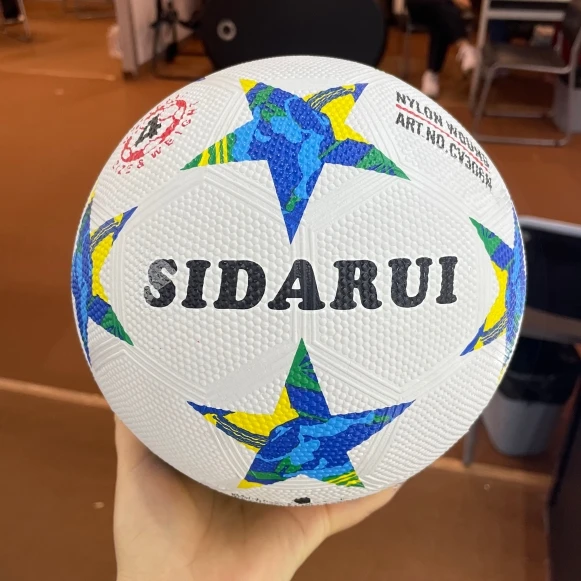
High-Performance futbol ball Solutions for the Indian Market

Engineered for extreme durability and precision, our sports equipment meets the rigorous demands of India's diverse playing surfaces and climatic conditions.

Current Landscape of Sports Manufacturing in India

Analyzing the intersection of passionate sports culture and demanding environmental factors.

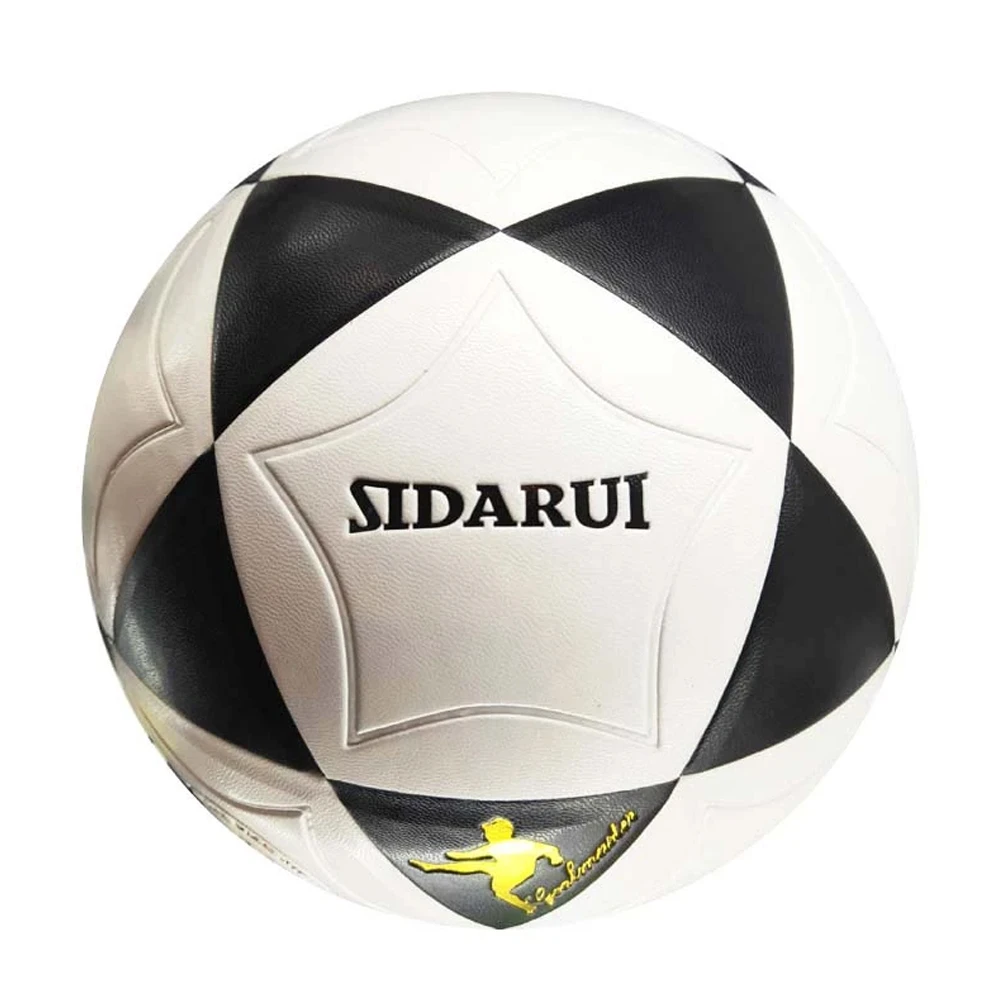
In India, the sports equipment market is characterized by a massive demand for a durable soccer ball due to the prevalence of hard-ground and concrete pitches in urban areas. The abrasive nature of these surfaces requires materials that can withstand high friction without compromising the ball's spherical integrity.

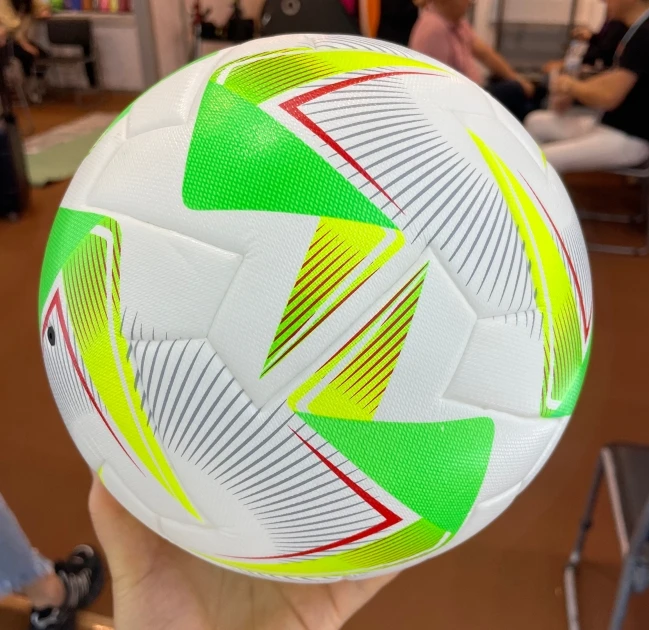
The extreme climatic variations, ranging from intense tropical heat to heavy monsoon rains, place immense stress on the bladder and outer casing of any soccket ball. Moisture resistance and thermal stability have become critical manufacturing priorities to prevent deformation during seasonal shifts.

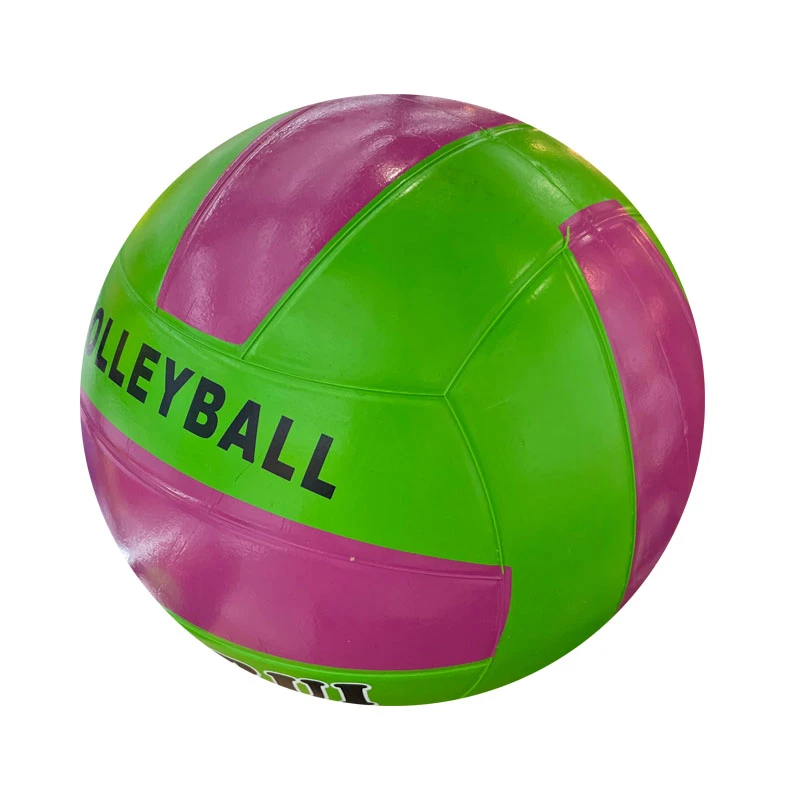
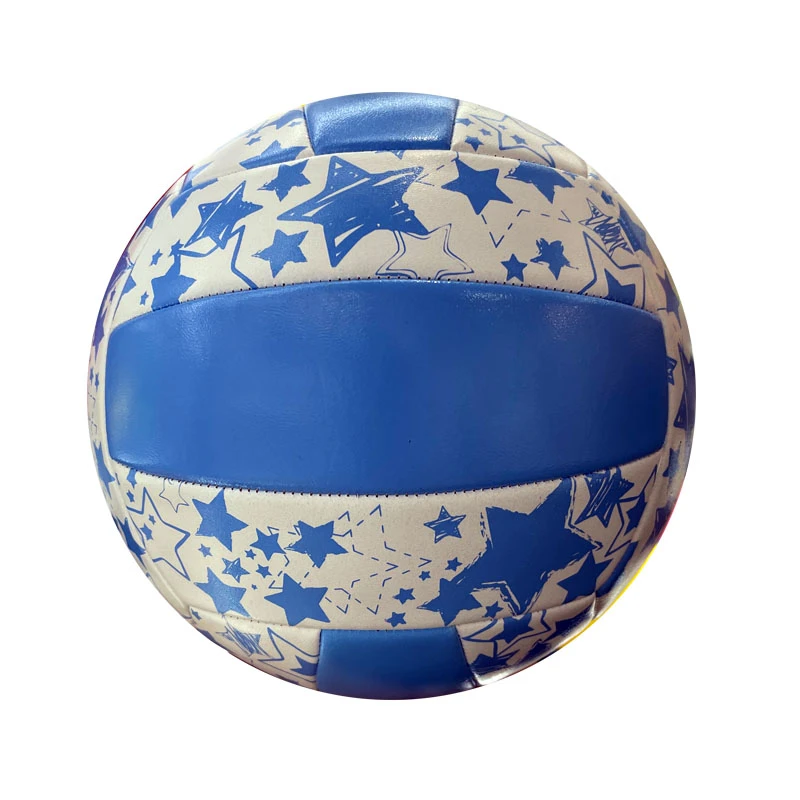
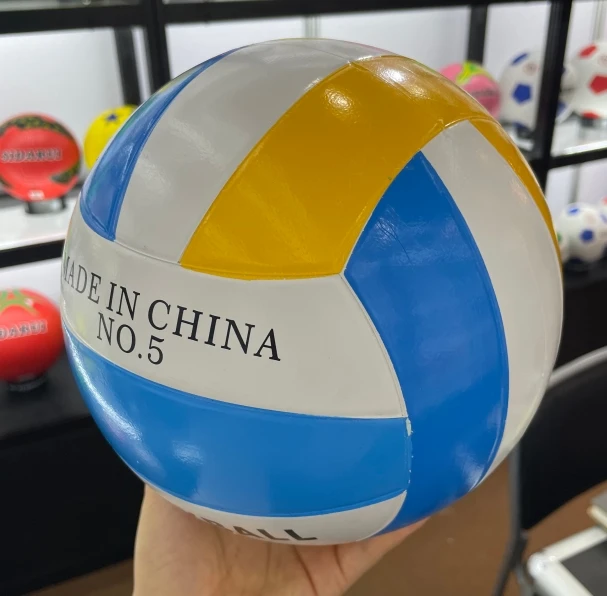
Furthermore, the rise of coastal sports tourism in regions like Goa and Kerala has surged the demand for a specialized beach volleyball ball, requiring a balance between lightweight buoyancy and saltwater corrosion resistance in the stitching and synthetic covers.
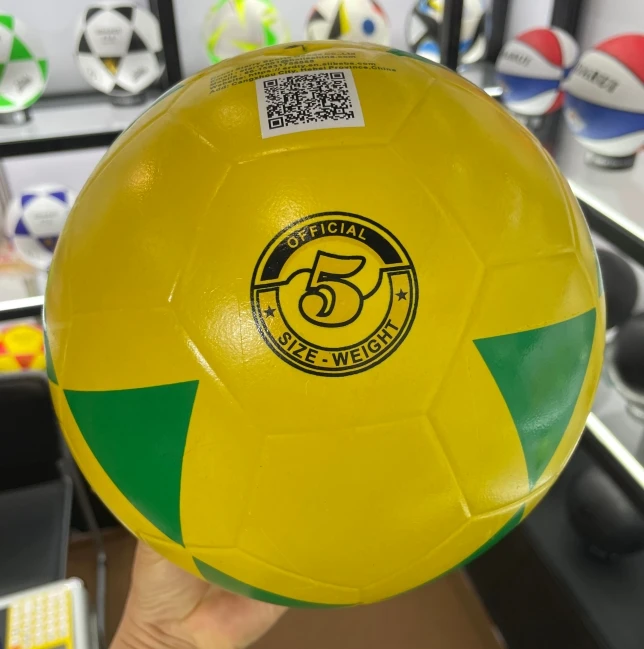
Evolution and Technical Trajectory of Sport Ball Production

From traditional hand-stitched leather to advanced thermal bonding technologies.

Market Development History

Prior to the 2000s, the Indian market relied heavily on traditional hand-stitched rubber balls which suffered from rapid water absorption and shape loss. This era was defined by low-cost production but limited longevity.

Between 2010 and 2020, the industry transitioned toward TPU (Thermoplastic Polyurethane) and machine-stitched constructions. This period saw the introduction of sportscene soccer balls that offered better consistency and a more professional feel for amateur leagues.

From 2021 onwards, the focus has shifted to seamless thermal bonding and high-density foam layers. This technological leap has eliminated water ingress entirely, ensuring the ball maintains its weight and flight path even during the peak of the Indian monsoon.

Future Development Trends

Smart-Sensing Integration

Integrating NFC chips and inertial measurement units (IMUs) into the ball core to track spin, velocity, and impact data in real-time for training.

Eco-Polymer Sustainability

Shifting from petroleum-based plastics to bio-based, recyclable polymers to reduce the environmental footprint of sports manufacturing.

Hyper-Localized Aerodynamics

Optimizing surface textures specifically for the atmospheric density and humidity levels found in South Asian geographical zones.

Strategic Industry Outlook and Future Projections

Driving the next generation of athletic performance through material science.

Advanced TPU Composites
Development of reinforced TPU layers to enhance the lifespan of balls used on abrasive Indian concrete surfaces.
Precision Air-Lock Bladders
Implementation of butyl-latex hybrid bladders to minimize air leakage in high-temperature environments.
Climate-Adaptive Skins
Hydrophobic coatings that prevent water absorption during monsoons, maintaining constant ball weight.
Customized Mass Production
Utilizing AI-driven logistics to provide rapid replenishment of sport goods to regional Indian hubs.

Industry Outlook

Google search trends indicate a significant spike in "professional training equipment" within India's Tier 2 and Tier 3 cities. This suggests a shift from casual play to organized academy-style training, requiring higher-spec equipment.

We anticipate that the next 3-5 years will see a convergence of industrial durability and professional specifications, as India continues to invest in football infrastructure and grassroots sports development.

Localized Application Scenarios in India

Tailored equipment for the unique geographical and social environments of the Indian subcontinent.

1. Urban Street Football (Concrete Pitches)

Deploying ultra-resistant casings for youth matches in Mumbai and Delhi where concrete surfaces typically shred standard balls within weeks.

2. Monsoon League Performance

Utilizing thermal-bonded technology for regional tournaments in Kerala, ensuring the ball does not gain weight in heavy rain.

3. Coastal Beach Tournaments

Providing saltwater-resistant materials for the beach volleyball ball used in Goa's seasonal beach sports festivals.

4. Rural Grassroots Academies

Supplying high-volume, cost-effective yet durable equipment to rural sports NGOs to promote football in underdeveloped regions.

5. Professional Club Training

Providing FIFA-standard match balls for ISL (Indian Super League) training facilities requiring absolute precision and aerodynamic stability.

Brand Story

Global Development Journey of Hebei Starry Sports Goods Co., Ltd.

Industrial Foundation

Established with a vision to solve the fragility of sports equipment, we began by optimizing raw material sourcing for extreme durability.

Material Innovation

We pioneered the use of high-grade TPU composites that revolutionized the lifespan of balls used on abrasive surfaces worldwide.

Global Market Expansion

Expanding into Asia, specifically India, we adapted our engineering to meet the challenges of tropical humidity and hard-ground play.

Quality Certification

Achieving international standards for sphericity and weight consistency, ensuring our products are used in competitive environments.

Sustainable Future

Our current mission is to integrate eco-friendly manufacturing without sacrificing the rugged durability the Starry brand is known for.

Frequently Asked Questions for the Indian Market

Expert answers to common queries regarding sports equipment durability and maintenance.

Which is the most durable soccer ball for concrete pitches in India?

For concrete surfaces, we recommend our reinforced TPU-coated balls, which feature an abrasion-resistant outer skin specifically designed to prevent peeling on rough ground.

How do I maintain a futbol ball during the heavy monsoon season?

Wipe the surface with a damp cloth after use and store in a cool, dry place. Our thermal-bonded balls are ideal for this as they prevent water absorption into the seams.

Can a soccket ball withstand extreme Indian summer temperatures?

Yes, our balls use heat-stabilized bladders that maintain consistent internal pressure even when exposed to high ambient temperatures, preventing over-expansion.

What makes a beach volleyball ball suitable for coastal regions like Goa?

Our beach volleyballs feature salt-resistant synthetic leather and reinforced stitching to prevent the corrosive effects of salty air and sand penetration.

Are sportscene soccer balls suitable for professional academy training?

Absolutely. They are engineered for high sphericity and predictable flight paths, making them perfect for technical skill development in academies.

How often should I inflate my durable soccer ball?

Depending on usage, check pressure weekly. Using a high-quality pump and valve lubricant will extend the life of the bladder and maintain optimal bounce.

Get Expert Sports Manufacturing Advice

Ready to upgrade your equipment supply chain in India? Our engineers are here to help you choose the right materials for your specific environment.

Contact Us Now

If you are interested in our products, you can choose to leave your information here, and we will be in touch with you shortly.


If you are interested in our products, you can choose to leave your information here, and we will be in touch with you shortly.


en_USEnglish