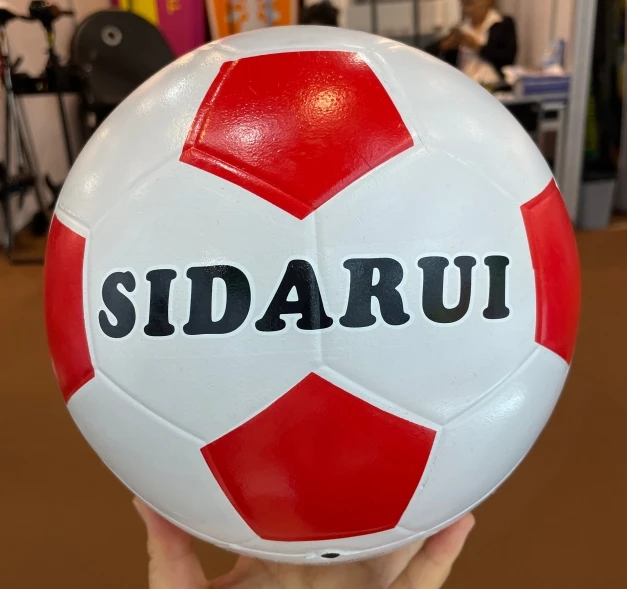
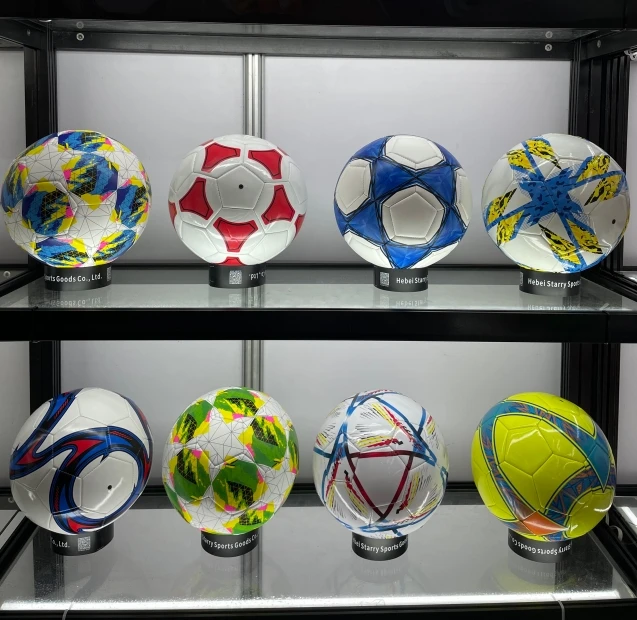
High-Performance futbol ball Solutions for Uganda's Athletic Growth

Engineering professional-grade sports equipment tailored for the diverse terrains and passionate sporting culture of Uganda.

Sports Manufacturing Landscape in Uganda

Analyzing the demand for resilient equipment in East Africa's football heartland.

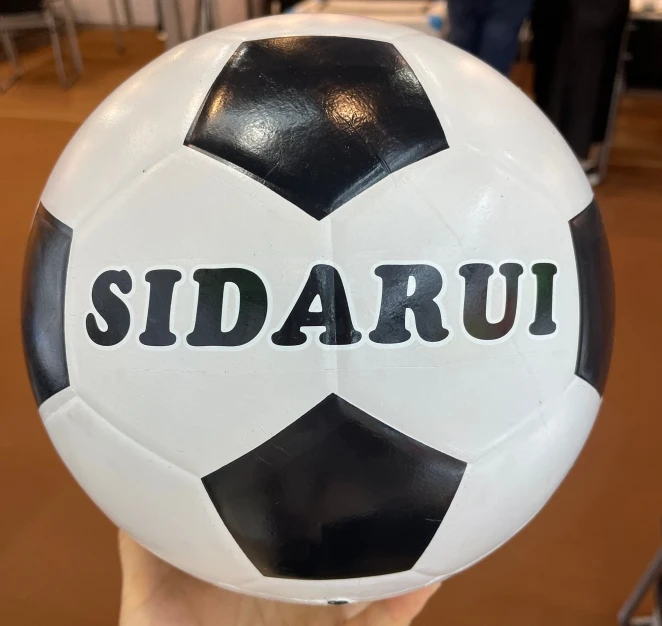
Uganda's sports scene is characterized by an immense passion for football, yet the infrastructure often consists of rough, unpaved pitches. This creates a critical demand for a durable soccer ball that can resist abrasion from gravel and hard-packed earth without losing structural integrity.

Climate factors, including high humidity and intense tropical rainfall, place significant stress on the bladder and outer casing of sports gear. Standard equipment often fails due to moisture seepage or seam bursting, making the need for specialized industrial manufacturing essential for the local market.

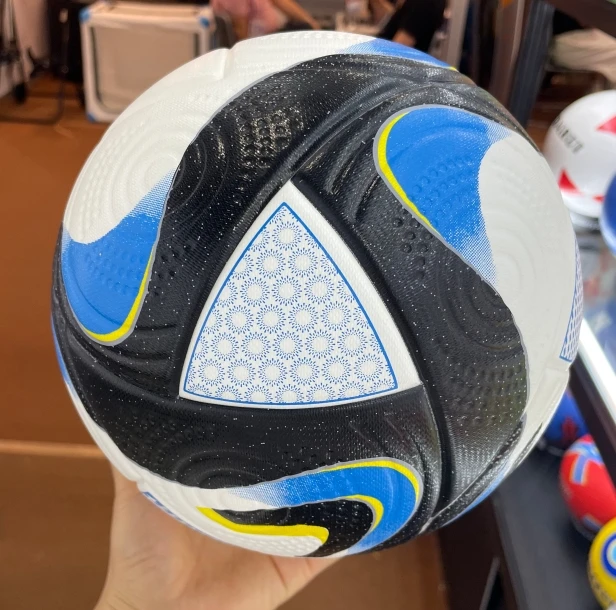
Economically, there is a shift toward professionalizing local academies. This transition requires equipment like sportscene soccer balls that bridge the gap between casual street play and official FIFA-standard training, ensuring athletes develop with the correct ball weight and bounce.
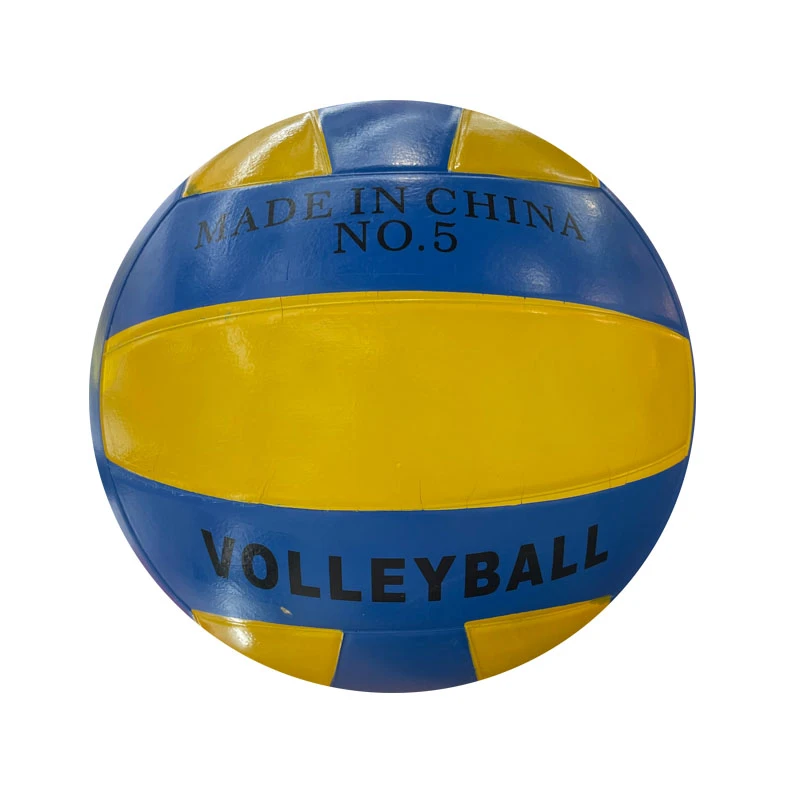
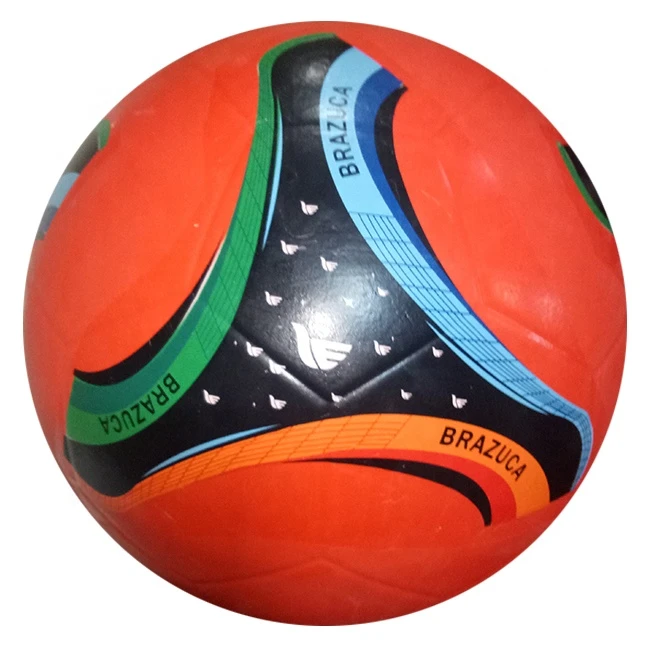
Evolution of Sports Gear Technology in East Africa

From rudimentary stitched leather to advanced TPU thermal bonding.

Market Development History

In the early 2000s, the Ugandan market relied heavily on low-cost, hand-stitched leather balls. While accessible, these lacked air retention and would become heavy and waterlogged during the rainy seasons, limiting their lifespan to a few months of intense use.

By 2010-2015, the introduction of PVC and early TPU coatings allowed for better water resistance. This era saw the rise of the soccket ball variants that offered a compromise between cost and durability, though seam failure remained a common issue.

From 2018 to the present, the shift toward thermal bonding and reinforced butyl bladders has revolutionized the industry. Modern manufacturing now allows for balls that maintain a perfect sphere and consistent pressure even under the harsh conditions of Ugandan rural pitches.

Future Development Trends

Eco-Friendly Material Integration

Increasing pressure for sustainability is driving the adoption of recycled polymers in the production of soccer and volleyball equipment to reduce the environmental footprint in Africa.

Smart-Ball Sensor Integration

The next 3-5 years will see "connected" balls entering training academies, using embedded sensors to track velocity and spin, aligning with global digital coaching trends.

Hybrid-Surface Engineering

Development of specialized "All-Terrain" skins that specifically combat the abrasive nature of sandy and rocky surfaces common in regional Ugandan districts.

Future Trends & Strategic Outlook

Navigating the trajectory of sports equipment manufacturing for the next generation.

Climate-Adaptive Polymers
Developing outer shells that do not degrade under intense UV radiation or extreme Ugandan heat.
Anti-Puncture Bladders
Implementing reinforced butyl rubber to prevent leaks caused by thorns and sharp debris on rural pitches.
Aerodynamic Optimization
Precision molding to ensure stability in flight, reducing the "wobble" effect during long-distance kicks.
Sustainable Sourcing
Integrating bio-based synthetics to provide professional gear that is biodegradable at the end of its life.

Industry Outlook

Based on Google search trends in East Africa, there is a surging interest in professional training equipment. The market is moving away from generic imports toward specialized gear that can survive the local environmental stressors of the Lake Victoria basin and the highlands.

We anticipate a 20% increase in demand for high-durability sports balls as community-led football programs expand across Uganda, requiring a reliable supply chain of industrial-grade equipment that balances cost and extreme longevity.

Localized Application Scenarios in Uganda

Tailored equipment for the real-world challenges of Ugandan sports.

1. Rural Community Tournaments

On the hard-packed dirt fields of rural districts, our durable soccer ball provides the necessary abrasion resistance to prevent premature casing wear.

2. Urban Academy Training

For Kampala-based youth academies, we provide sportscene soccer balls that mimic professional match weights to prepare athletes for international competition.

3. School Physical Education

Our reinforced soccket ball series is ideal for primary school settings where high-frequency use and varied surfaces are the norm.

4. Beach & Lakeside Recreation

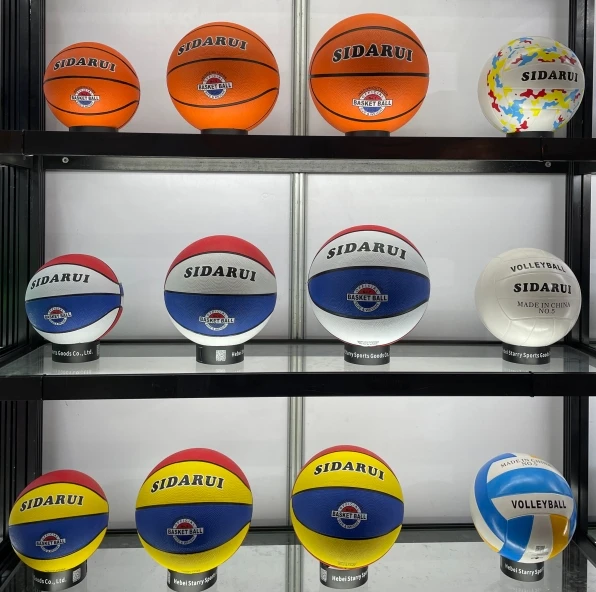
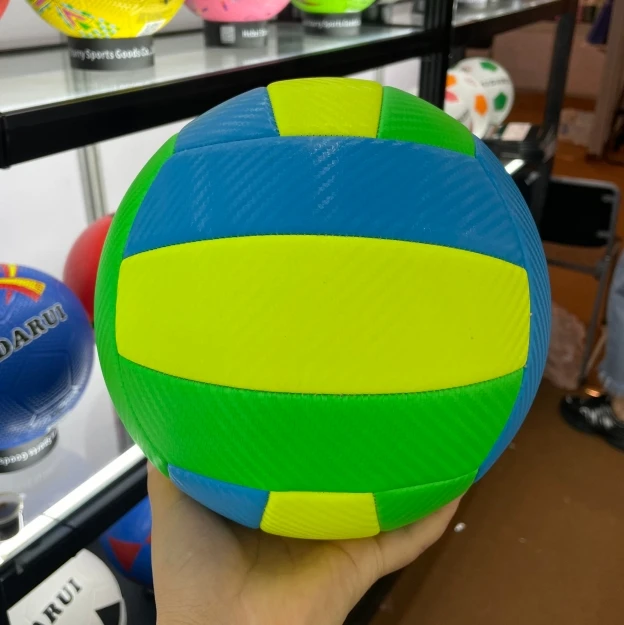
Along the shores of Lake Victoria, the specialized beach volleyball ball offers water-repellent surfaces and high visibility against the sand.

5. Regional League Matchplay

Official league games utilize our top-tier futbol ball models, ensuring consistent rebound and air pressure regardless of temperature fluctuations.

Brand Story

Global Development Journey of Hebei Starry Sports Goods Co., Ltd.

Foundational Engineering

Established with a mission to solve the fragility of sports equipment, focusing on industrial-grade material science to ensure longevity.

Global Quality Standards

Expanding our manufacturing precision to meet international certifications, ensuring every ball produced meets strict bounce and weight tolerances.

African Market Adaptation

Recognizing the unique challenges of the African terrain, we developed reinforced skins and anti-puncture bladders specifically for regional needs.

Technological Innovation

Investing in thermal bonding technology to eliminate seams, removing the primary point of failure for balls used on abrasive surfaces.

Empowering Athletes

Our ultimate goal is to ensure that no talent in Uganda is limited by the quality of their equipment, providing pro-grade gear to all.

Uganda Sports Gear FAQ

Answers to the most common technical questions regarding sports equipment longevity in East Africa.

What makes a durable soccer ball suitable for Ugandan dirt pitches?

Suitability depends on a reinforced TPU or PU outer layer with a higher abrasion resistance rating, preventing the skin from peeling when contacting rough gravel and soil.

How does a professional futbol ball maintain pressure in high humidity?

We use high-grade butyl bladders which have lower permeability than latex, ensuring the ball retains air longer despite the humid tropical climate of the Lake Victoria region.

Are soccket ball designs better for training than match balls?

Yes, training variants often feature reinforced stitching and thicker casings, making them more economical for the high-volume wear and tear typical of academy training.

Why choose sportscene soccer balls for youth development?

They provide a standardized weight and bounce that aligns with international regulations, ensuring young players develop the correct touch and striking technique.

Can a beach volleyball ball be used on inland sandy courts in Uganda?

Absolutely. Our beach volleyball balls are designed for any sandy environment, featuring a soft-touch skin that prevents burns and resists sand infiltration.

What is the expected lifespan of industrial-grade sports balls in East Africa?

Depending on the surface, our reinforced models typically last 3-4 times longer than standard commercial balls, especially when used on abrasive rural terrains.

Ready to Upgrade Your Equipment?

Contact our engineering team to discuss bulk orders and customized sports solutions for your organization in Uganda.

Contact Us Now

If you are interested in our products, you can choose to leave your information here, and we will be in touch with you shortly.


If you are interested in our products, you can choose to leave your information here, and we will be in touch with you shortly.


en_USEnglish