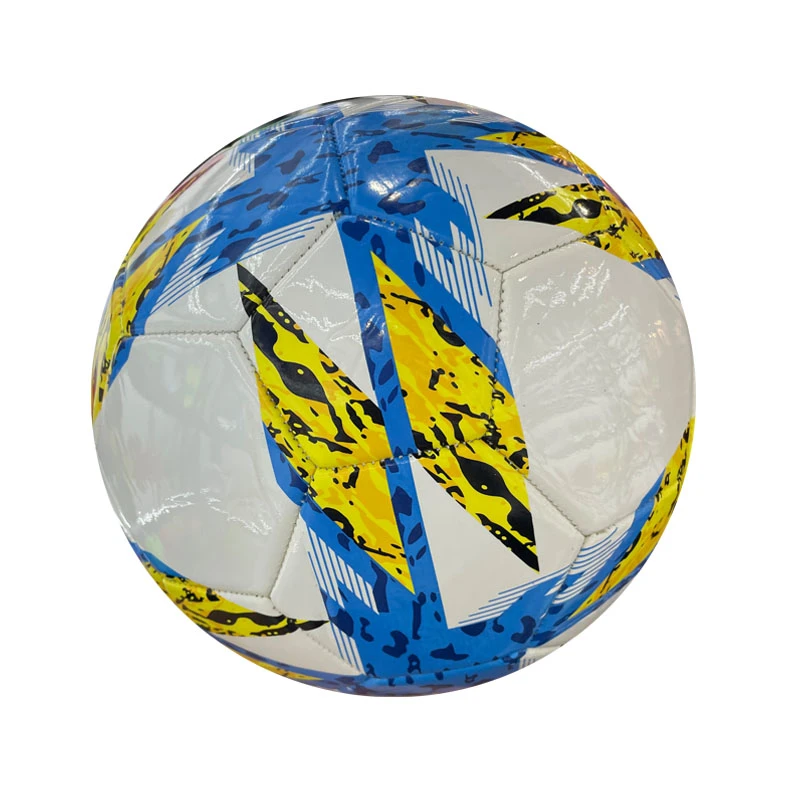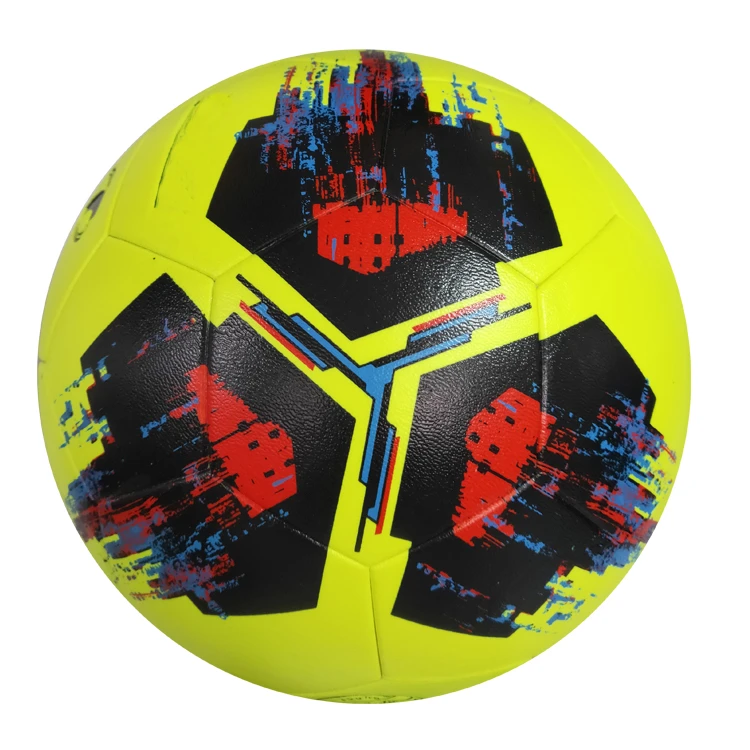
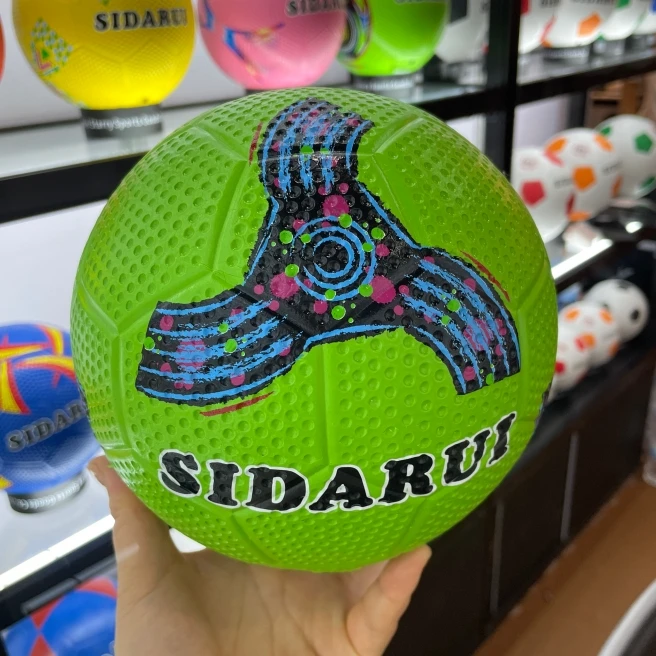
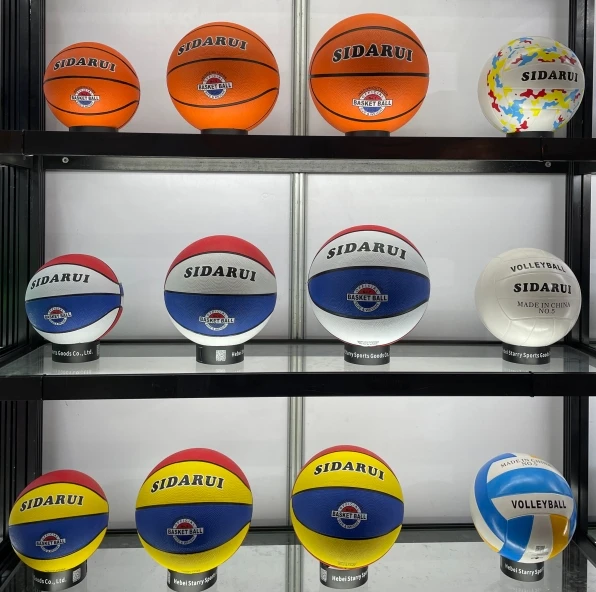
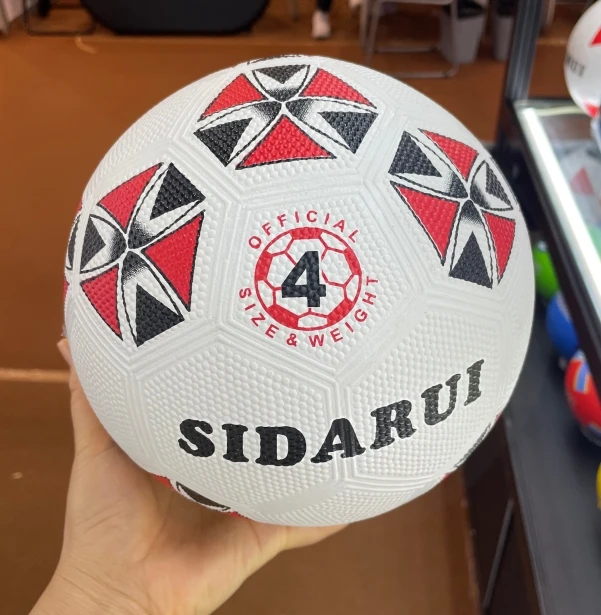
Premium futbol ball Solutions for Ecuador's Elite Athletes

Engineering high-performance sporting equipment tailored for the diverse terrains and passionate sporting culture of Ecuador.

The Current Landscape of Sporting Goods in Ecuador

Analyzing the intersection of climate, geography, and athletic demand.

Ecuador presents a unique challenge for sports equipment due to its extreme geographical diversity. From the humid coastal regions of Guayaquil to the high altitudes of Quito, a standard soccket ball must maintain consistent internal pressure and aerodynamic stability across varying atmospheric densities.

The local market is characterized by a fervent passion for football, yet there is a critical shortage of professional-grade equipment that survives the abrasive nature of local synthetic and hard-dirt pitches. This creates a high demand for a truly durable soccer ball capable of resisting punctures and surface peeling.

Furthermore, the growing tourism and coastal lifestyle in provinces like Manabí have sparked a surge in demand for specialized equipment, such as the beach volleyball ball, requiring materials that are salt-water resistant and UV-stable to prevent discoloration under the equatorial sun.
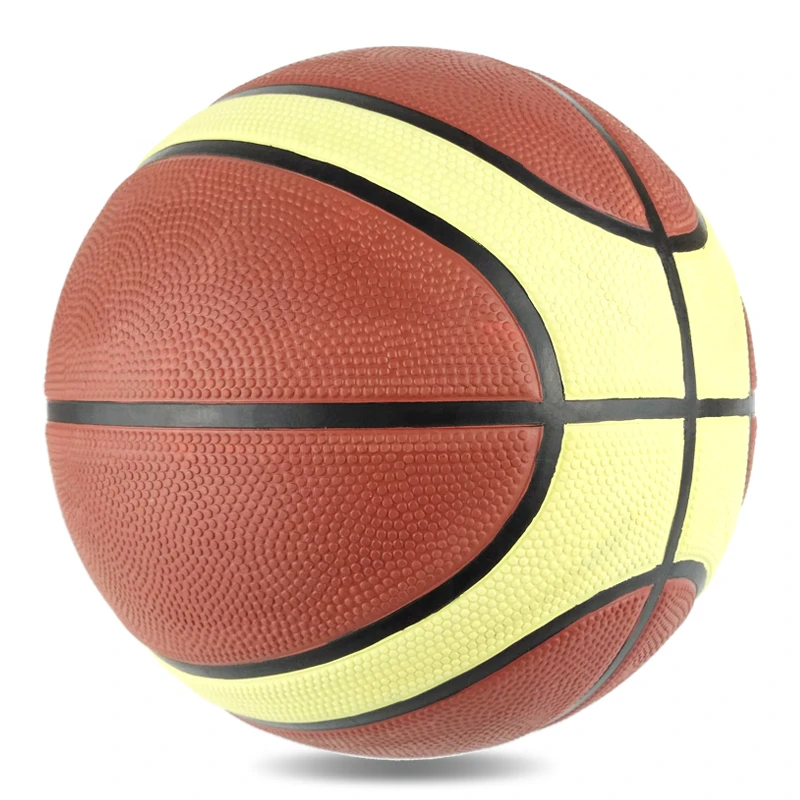
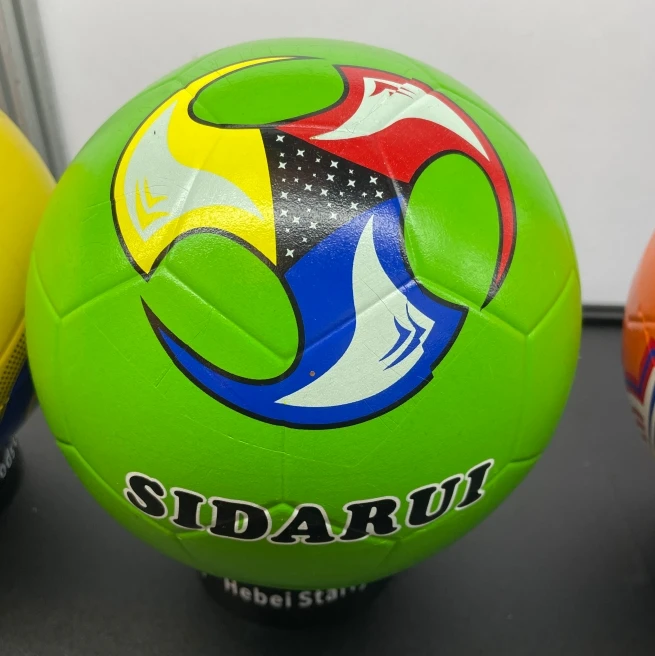
Evolution of Sports Manufacturing in the Andean Region

From traditional stitched leather to thermally bonded precision.

Market Development History

During the late 20th century, the Ecuadorian market relied heavily on traditional hand-stitched leather balls. These provided a classic feel but suffered from significant water absorption during the rainy seasons, leading to increased weight and reduced longevity.

By the 2010s, a shift toward synthetic PVC and TPU materials occurred. This era introduced the concept of the futbol ball with reinforced seams, offering better water resistance and more consistent bounce, which aligned with the professionalization of local leagues.

Today, the industry has entered the era of thermal bonding and seamless technology. Modern sportscene soccer balls now utilize high-density foam layers and micro-texture surfaces to optimize grip and flight path, mirroring the standards used in FIFA-certified competitions.

Future Development Trends

Eco-Friendly Bio-Polymers

The next 3 years will see a transition toward biodegradable polymers to reduce the environmental footprint of sports waste in sensitive Andean ecosystems.

Smart-Sensor Integration

Integration of NFC and IMU sensors within the ball core to track velocity, spin, and strike points for advanced player analytics.

Climate-Adaptive Materials

Development of "Smart-Skin" materials that automatically adjust porosity based on altitude and humidity to maintain a constant flight coefficient.

Future Trends and Strategic Outlook

Driving innovation through material science and data-driven design.

Advanced TPU Hybridization
Integrating carbon-fiber filaments into TPU layers to increase the lifespan of the ball on abrasive surfaces.
Aero-Dynamic Molding
Utilizing 3D wind-tunnel data to optimize the panel geometry for better stability in high-altitude Quito air.
Customized Weighting
Developing varying weight classes of soccer balls to assist in age-specific training and developmental leagues.
Anti-Moisture Bladders
Implementing butyl-latex hybrids to ensure zero air leakage in the high-humidity coastal environments.

Industry Outlook

The Ecuadorian sporting goods sector is moving toward a "Performance-First" model. As the nation continues to invest in sports infrastructure, the demand for equipment that meets international standards will grow exponentially. Google search trends indicate a rising interest in "professional training equipment" and "high-durability sports gear" within the region.

We anticipate that the convergence of sustainable manufacturing and high-performance engineering will define the market leader. Companies that can provide a durable soccer ball that also respects the ecological boundaries of the Amazon and Galapagos will gain significant competitive advantages.

Localized Application Scenarios in Ecuador

Tailoring equipment to the real-world environments of the Ecuadorian people.

01. High-Altitude Professional League Training

Deploying specialized sportscene soccer balls in Quito to ensure that the ball's flight trajectory remains predictable despite the thinner air, aiding in precise tactical training.

02. Coastal Community Youth Tournaments

Providing a reinforced futbol ball designed for the sandy and salty air of Guayaquil, preventing material degradation and ensuring longevity for grassroots programs.

03. Tropical Rainforest School Initiatives

Distributing a durable soccer ball with advanced hydrophobic coatings to schools in the Oriente region, where extreme rainfall often ruins standard equipment.

04. Salinas Beach Sport Festivals

Integrating the high-visibility beach volleyball ball for professional coastal competitions, ensuring maximum contrast against the white sands and blue ocean.

05. Urban Hard-Court Street Football

Implementing a heavy-duty soccket ball for urban "futsal" style play on concrete surfaces in Cuenca, focusing on impact absorption and abrasion resistance.

Brand Story

Global Development Journey of Hebei Starry Sports Goods Co., Ltd.

Foundational Excellence

Established with a vision to democratize professional-grade sports equipment, we began by mastering the art of bladder construction and seam integrity.

Material Innovation

We overcame the industry pain point of premature wear and tear by developing proprietary TPU composites that outperform traditional PVC.

Global Expansion

Expanding our footprint to South America, we tailored our manufacturing processes to meet the rigorous demands of high-altitude and coastal environments.

Precision Engineering

Investing in thermal bonding technology, we eliminated the weakness of traditional stitching, creating a truly waterproof and aerodynamic product line.

The Future of Sport

Today, we continue to innovate, blending sustainability with performance to empower athletes from the streets of Quito to the stadiums of the world.

Common Questions from our Ecuadorian Partners

Expert answers to the most pressing technical and logistical queries.

How does altitude affect the performance of a durable soccer ball in Quito?

At high altitudes, air resistance is lower. Our balls are engineered with specific panel textures to maintain stability and prevent "erratic" flight paths common in thinner air.

What makes your futbol ball more suitable for coastal humidity?

We use a reinforced butyl bladder and thermally bonded seams that prevent moisture from penetrating the core, ensuring the ball doesn't gain weight in humid conditions.

Can a soccket ball withstand the abrasion of concrete street pitches?

Yes, our street-specific line features a high-density abrasion-resistant outer layer specifically designed to resist scuffing on concrete and hard-dirt surfaces.

Is the beach volleyball ball UV-protected for equatorial sun?

Absolutely. We integrate UV-stabilizers into the synthetic leather to prevent cracking and fading caused by the intense sunlight in Ecuador's coastal regions.

How do sportscene soccer balls compare to standard league balls?

Our Sportscene series emphasizes a balance between professional flight dynamics and enhanced durability, making them ideal for both training and competitive use.

What is the expected lifespan of a professional ball in South American conditions?

Depending on the surface, our professional-grade balls typically last 30-50% longer than standard PVC balls due to our advanced TPU hybridization technology.

Ready to Elevate Your Game?

Contact our specialized engineering team for bulk orders and customized equipment solutions across Ecuador.

Contact Us Now

If you are interested in our products, you can choose to leave your information here, and we will be in touch with you shortly.


If you are interested in our products, you can choose to leave your information here, and we will be in touch with you shortly.


en_USEnglish