


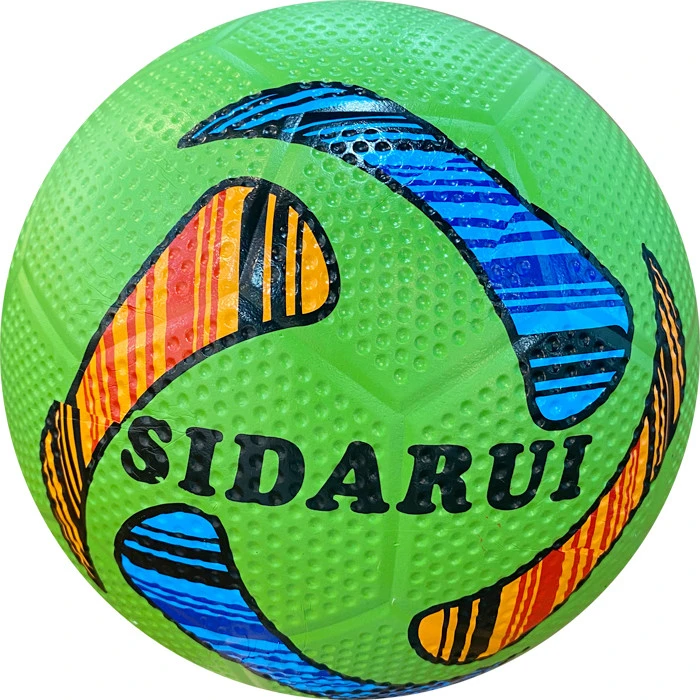
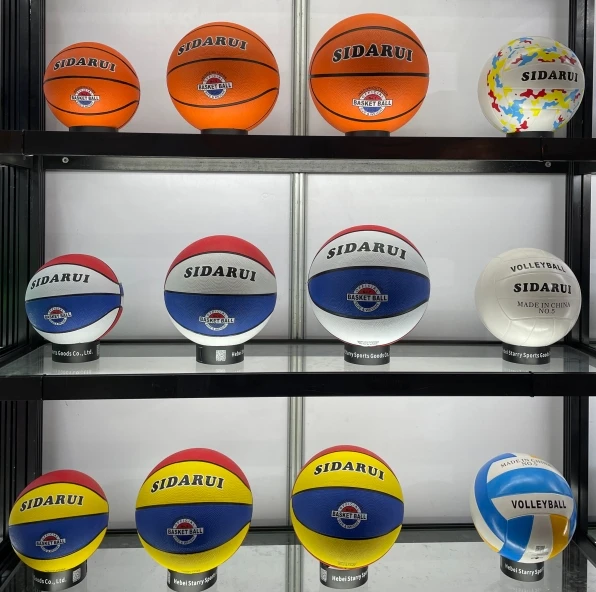
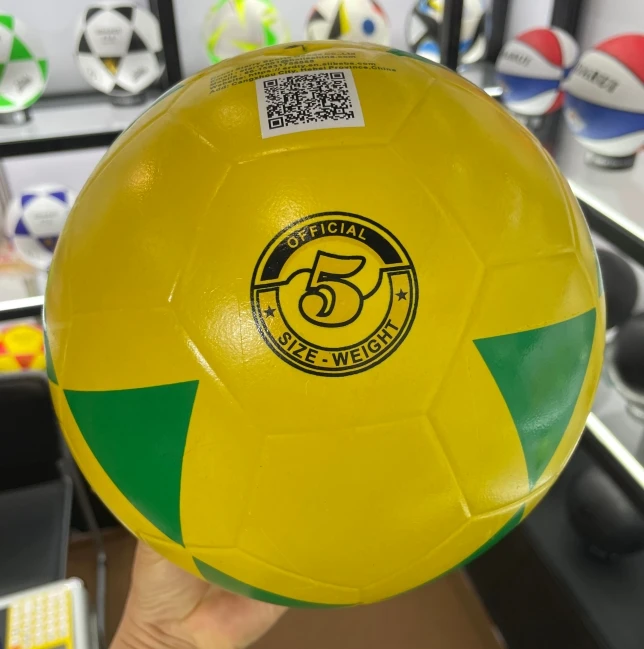
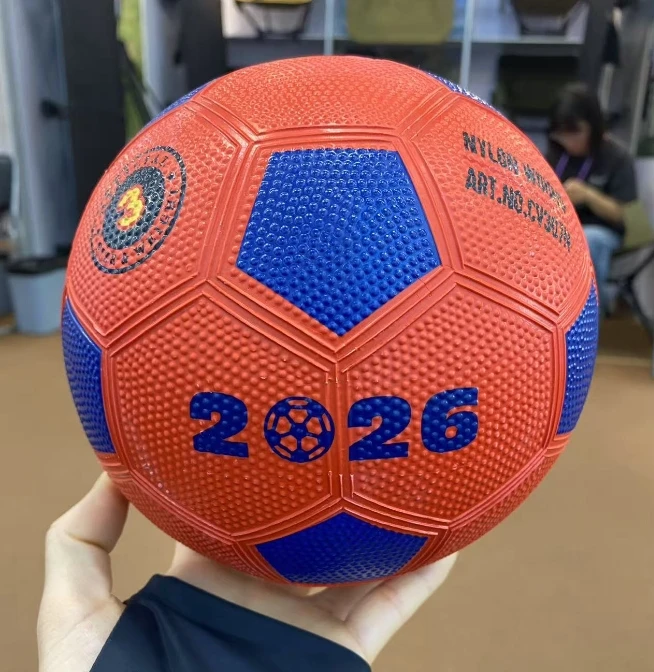
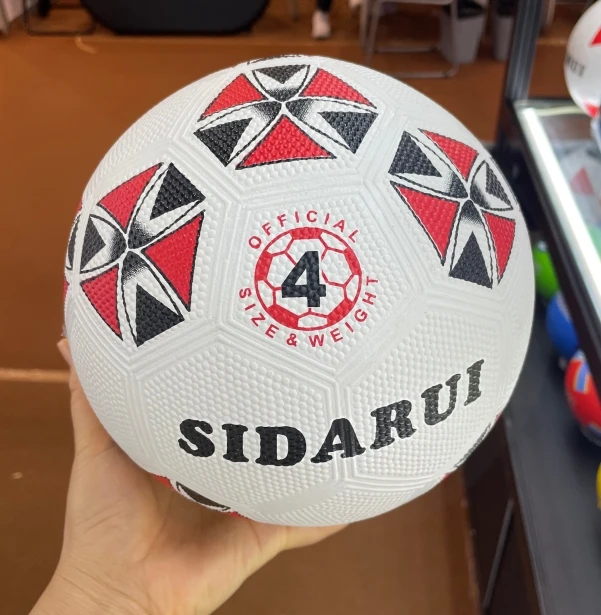
In Gambia, the sporting landscape is dominated by an immense passion for football, yet the harsh environmental conditions—characterized by high humidity and salt-laden air from the Atlantic coast—rapidly degrade standard equipment. Most local clubs rely on generic imports that fail to provide a truly durable soccer ball experience, leading to high replacement costs and inconsistent game play.
The prevalence of sandy pitches and improvised urban courts creates a high-friction environment. This abrasive surface acts like sandpaper on traditional synthetic leather, causing premature peeling and air leakage. There is a critical need for reinforced materials that can withstand the specific geological challenges of the Gambian terrain.
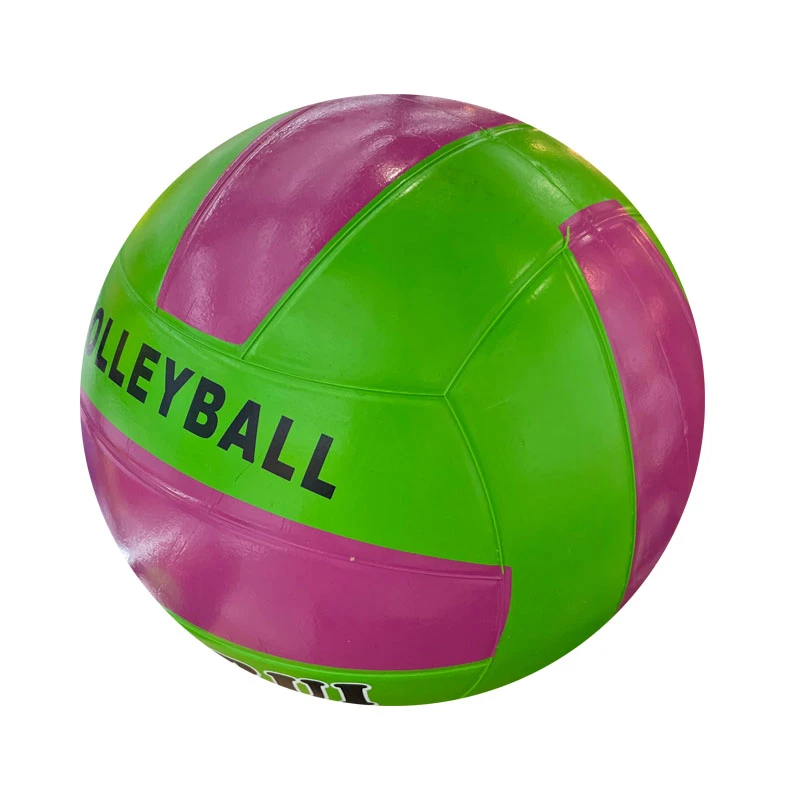
Furthermore, the rise of coastal tourism and beach sports has increased the demand for specialized equipment. The transition toward professional-grade beach volleyball ball options is evident as community hubs in the coastal regions seek gear that resists moisture and maintains its aerodynamic properties in windy conditions.



 English