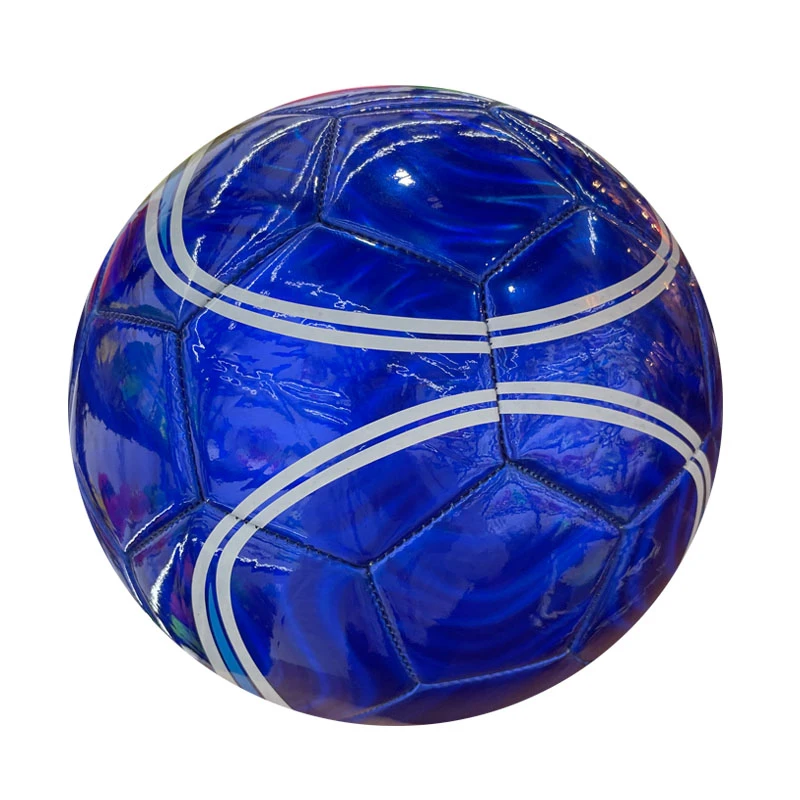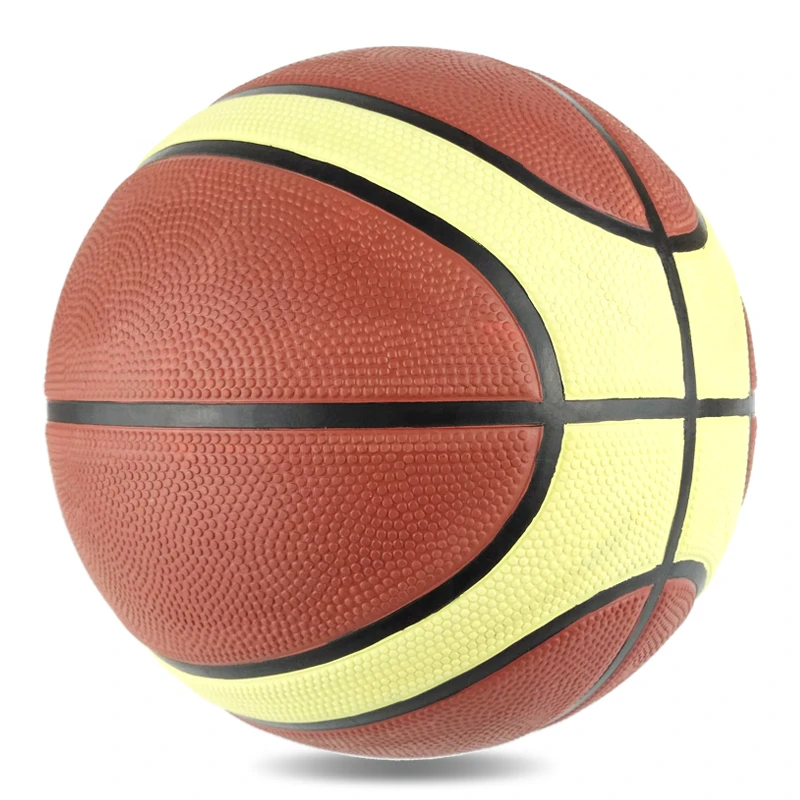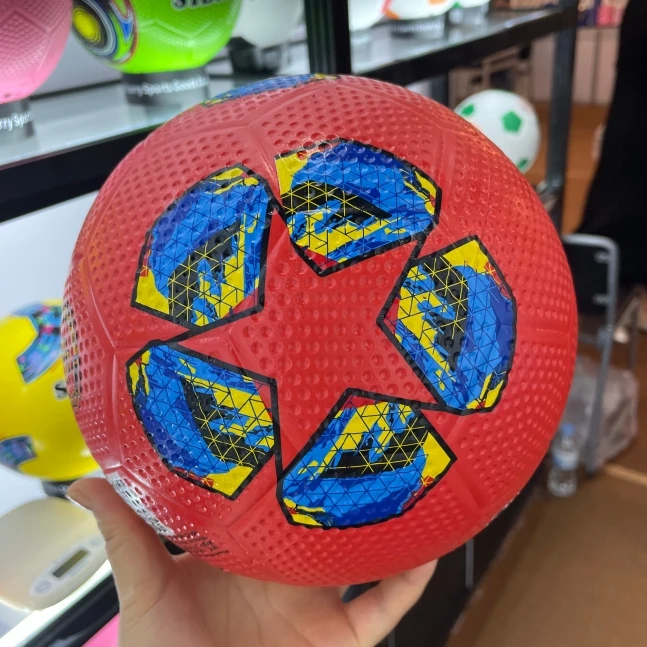
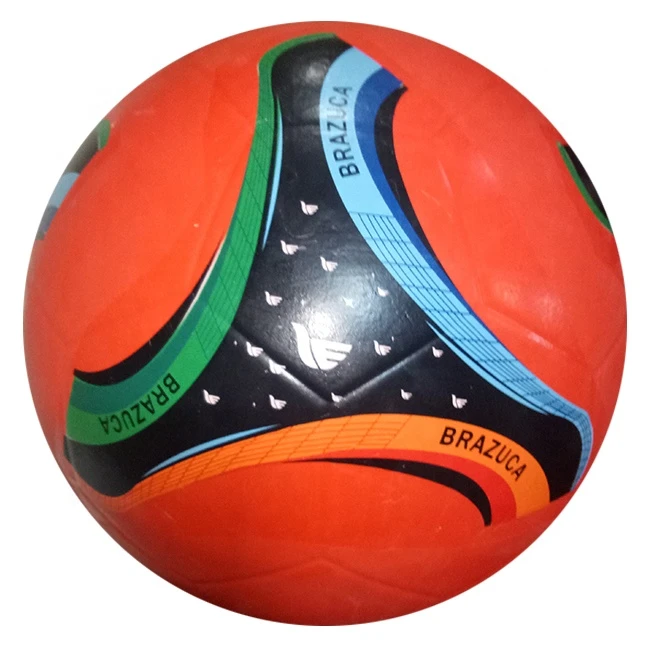
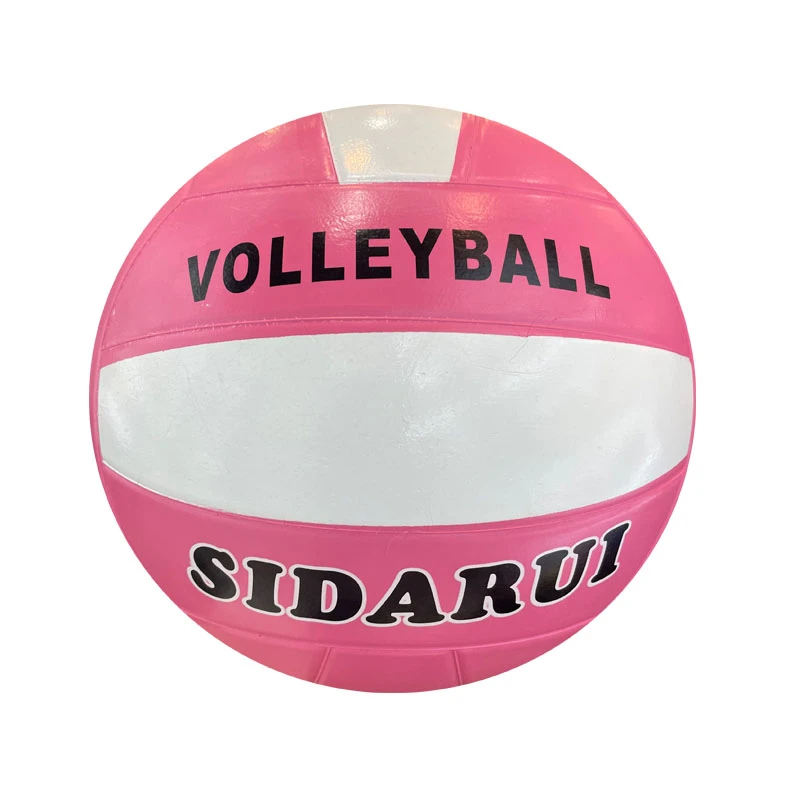
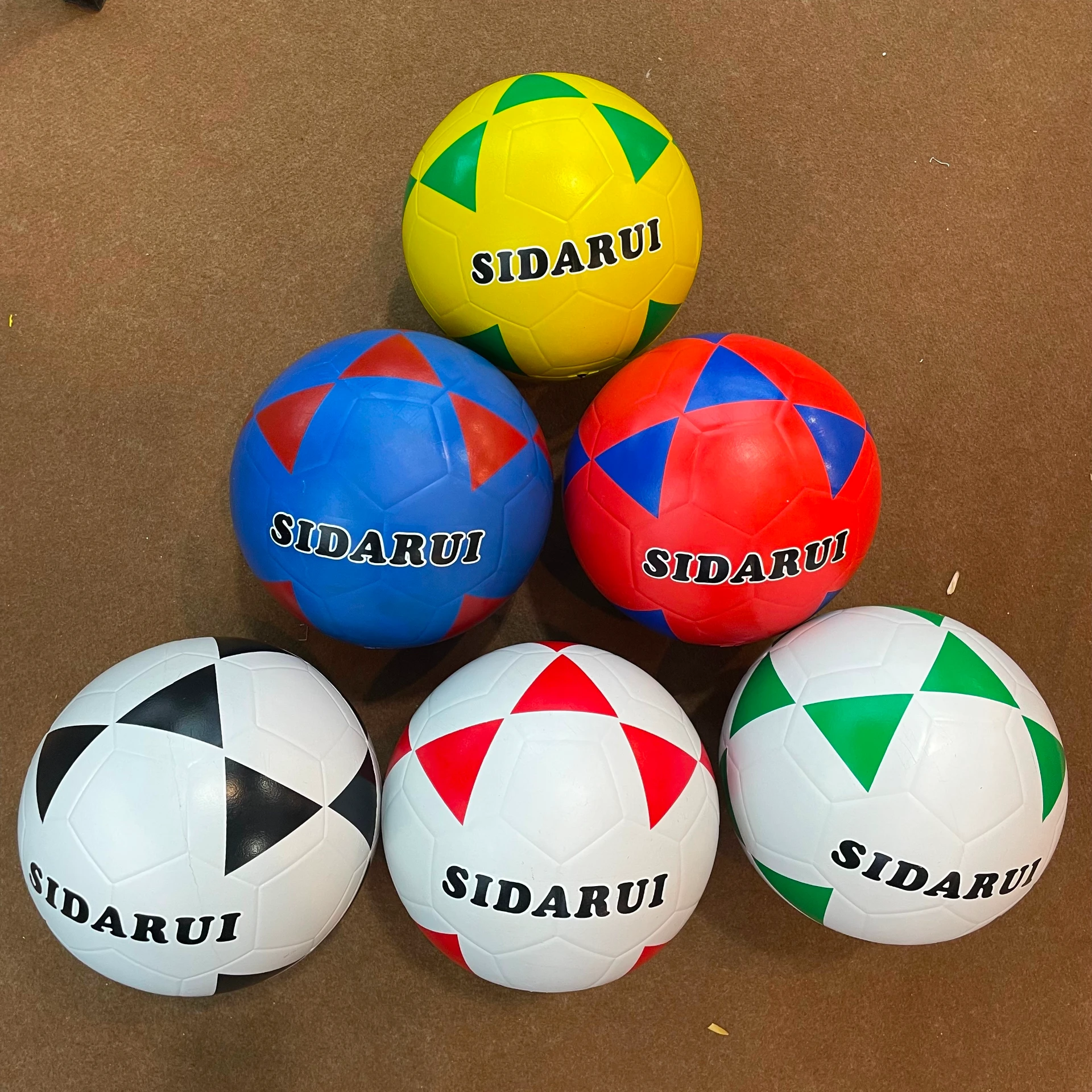
Premium futbol ball Solutions for South Korea's Elite Leagues

Engineering high-performance sports equipment tailored for the dynamic athletic environment of the Korean Peninsula, ensuring peak performance in every match.

The Current Landscape of Sports Manufacturing in South Korea

Analyzing the intersection of high-tech manufacturing and the booming demand for professional sports gear in the region.

South Korea's sports market is characterized by a rapid shift toward professionalization and high-standard equipment. The demand for a durable soccer ball has surged as K-League popularity grows and amateur clubs adopt professional-grade training regimens, requiring gear that can withstand intensive use.

Geographically, the peninsula's seasonal extremes—from humid summers to freezing winters—place immense stress on synthetic materials. This has forced a transition toward advanced TPU and hybrid bonding technologies that prevent moisture absorption and maintain spherical integrity under temperature fluctuations.

Furthermore, the integration of "Sportscene" culture has blurred the lines between athletic performance and lifestyle fashion. This trend has increased the visibility of sportscene soccer balls, where aesthetic appeal must now coexist with rigorous industrial performance standards.
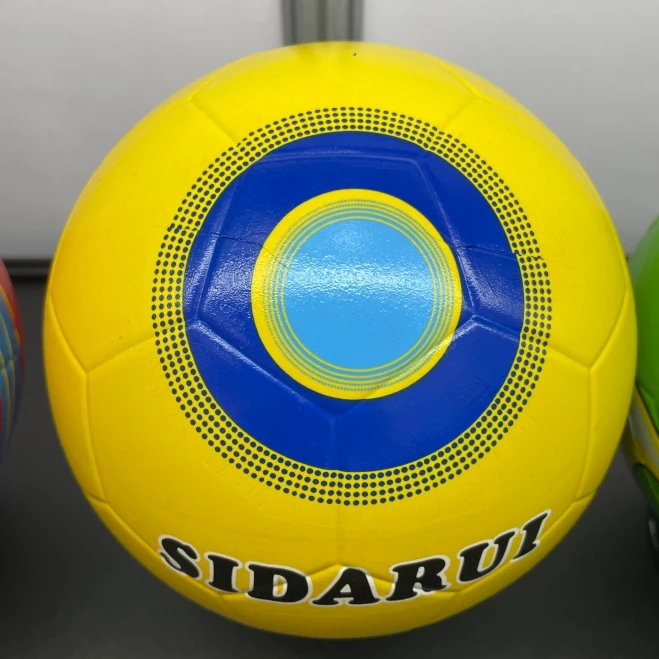
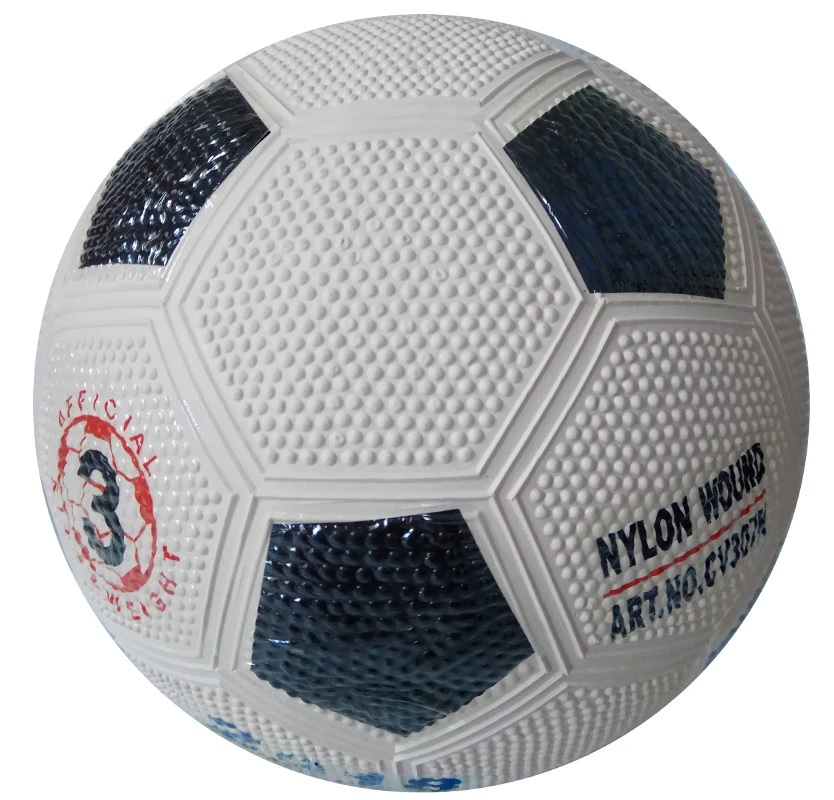
Evolution of Ball Manufacturing Technology

From traditional hand-stitched leather to thermally bonded aerospace-grade polymers.

Market Development History

In the early 2000s, the market was dominated by basic machine-stitched balls. These early iterations of the soccket ball lacked consistent aerodynamics and were prone to leaking air during the intense monsoon seasons of East Asia.

Between 2010 and 2018, the industry pivoted toward Thermal Bonding technology. By eliminating stitches, manufacturers reduced water absorption to nearly 0%, ensuring that the ball's weight remained constant regardless of the weather, a critical requirement for professional play in South Korea.

From 2019 to the present, the focus has shifted to "Smart Surface" engineering. The introduction of micro-textures on the outer shell has optimized the Magnus effect, allowing for more precise curving and stability during high-velocity strikes.

Future Development Trends

Biodegradable High-Performance Polymers

Driven by Korea's strict ESG regulations, the next 3 years will see a shift toward bio-based TPU that maintains durability while reducing the carbon footprint of sports manufacturing.

AI-Driven Aerodynamic Optimization

Utilizing computational fluid dynamics (CFD), future designs will optimize the panel geometry to reduce drag, specifically targeting the high-humidity environments of Asia.

Integrated Sensor Technology

We anticipate the integration of NFC chips within the ball core to track velocity and spin in real-time, catering to the tech-savvy South Korean coaching market.

Industry Trends & Future Outlook

Navigating the next frontier of sports equipment engineering.

Eco-Material Transition
Replacing traditional PVC with recycled TPU to meet South Korean environmental standards.
Hybrid Construction
Combining hand-stitching with thermal bonding for maximum durability and feel.
Surface Friction Control
Implementing nano-coatings to prevent slippage on wet artificial turf common in Seoul.
Customized Weighting
Adjusting internal bladder density to match the playing styles of Asian athletes.

Industry Outlook

The convergence of sports and technology in South Korea suggests a future where the ball is no longer just a tool but a data-collection device. Google search trends indicate a rising interest in "smart training" and "performance analytics" within the K-League ecosystem.

Manufacturers who can integrate sustainable materials without sacrificing the tactile feedback required by professional players will dominate the market. The focus will move from mass production to precision customization.

Localized Application Scenarios in South Korea

Practical implementations of our high-performance gear across various Korean environments.

01. Professional K-League Training Facilities

Deployment of thermally bonded balls on high-grade artificial turf to ensure consistent bounce and minimal wear during intensive professional training cycles.

02. Coastal Leisure Hubs (Busan & Jeju)

Utilization of the beach volleyball ball for summer tourism festivals, featuring salt-water resistant coatings to prevent degradation.

03. Urban "Futsal" Parks in Seoul

Supplying low-bounce, high-friction balls specifically for the dense urban futsal courts where precision control in tight spaces is paramount.

04. National Youth Academy Programs

Providing durable, standard-weight balls that can withstand the repetitive use of thousands of students across provincial sports centers.

05. Corporate Sports Events (Samsung/Hyundai leagues)

Custom-branded, high-visibility equipment designed for high-profile corporate tournaments, balancing durability with a premium aesthetic.

Brand Story

Global Development History of Hebei Starry Sports Goods Co., Ltd.

The Foundation of Quality

Established with a vision to democratize professional-grade sports equipment, we began by mastering the core chemistry of synthetic polymers.

Technological Breakthrough

We pioneered the hybrid-bonding process, solving the industry pain point of air retention and surface peeling in extreme climates.

Global Expansion

Expanding into the Asian market, specifically South Korea, we tailored our manufacturing to meet the precise needs of the K-League standards.

Sustainable Innovation

Implementing a circular economy model, reducing waste in the production of our high-performance sporting goods.

The Future of Play

Continuing to innovate at the intersection of material science and athletic performance for athletes worldwide.

Common Questions from South Korean Partners

Expert answers regarding the procurement and maintenance of professional sports gear.

How does your durable soccer ball handle South Korea's winter freeze?

Our balls use a specialized low-temperature TPU compound that remains flexible down to -20°C, preventing the casing from cracking or losing its shape in winter.

Are the sportscene soccer balls suitable for artificial turf?

Yes, they are engineered with a reinforced outer layer specifically to resist the higher friction levels of 3G and 4G synthetic turf commonly used in Seoul.

What is the lifespan of a professional futbol ball in a training environment?

Depending on the intensity, our professional grade balls maintain optimal performance for 6-12 months of daily training due to our advanced thermal bonding.

Can you customize the soccket ball specifications for youth academies?

Absolutely. We offer variations in weight, size, and bladder pressure to ensure they are safe and effective for different age groups in Korea's youth systems.

Is the beach volleyball ball water-resistant for coastal use?

Yes, our beach balls feature a hydrophobic nano-coating that prevents water absorption and protects the seams from salt-water corrosion.

What certifications do your products hold for the Korean market?

Our products comply with international FIFA quality standards and regional safety certifications required for educational and professional sports in South Korea.

Ready to Elevate Your Game?

Partner with the leader in sports manufacturing to bring world-class equipment to South Korea.

Contact Us Now

If you are interested in our products, you can choose to leave your information here, and we will be in touch with you shortly.


If you are interested in our products, you can choose to leave your information here, and we will be in touch with you shortly.


en_USEnglish