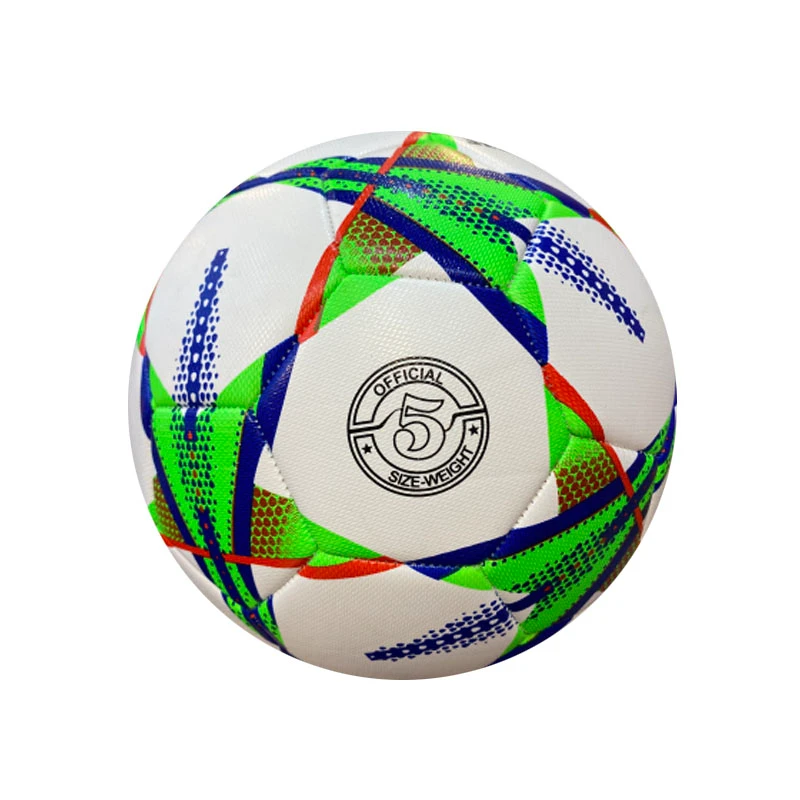
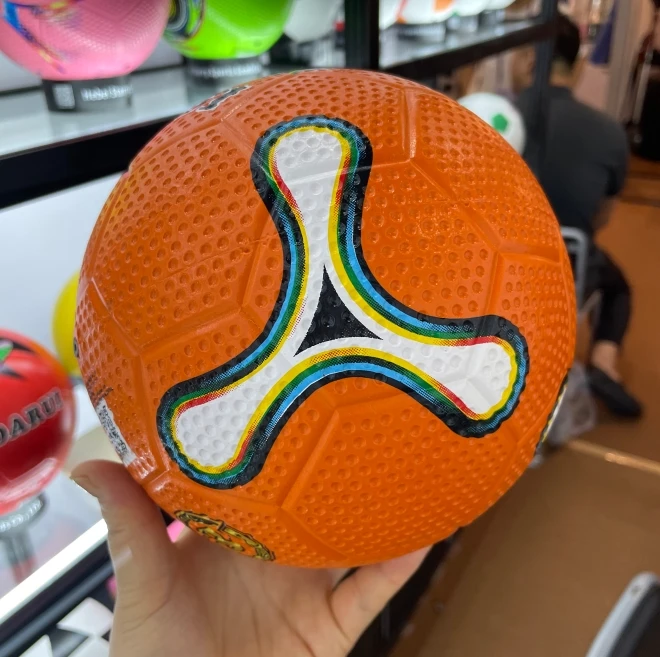
Premium futbol ball Solutions for the Brazilian Market

Engineering high-performance sports equipment tailored for the passion and intensity of South American athletics.

Premium futbol ball Solutions for the Brazilian Market

Our specialized manufacturing process ensures that every ball meets the rigorous demands of Brazilian professional and amateur leagues, blending durability with precision aerodynamics.

The Landscape of Sports Equipment in Brazil

Analyzing the unique intersection of climate, culture, and material science in the Brazilian sporting goods sector.

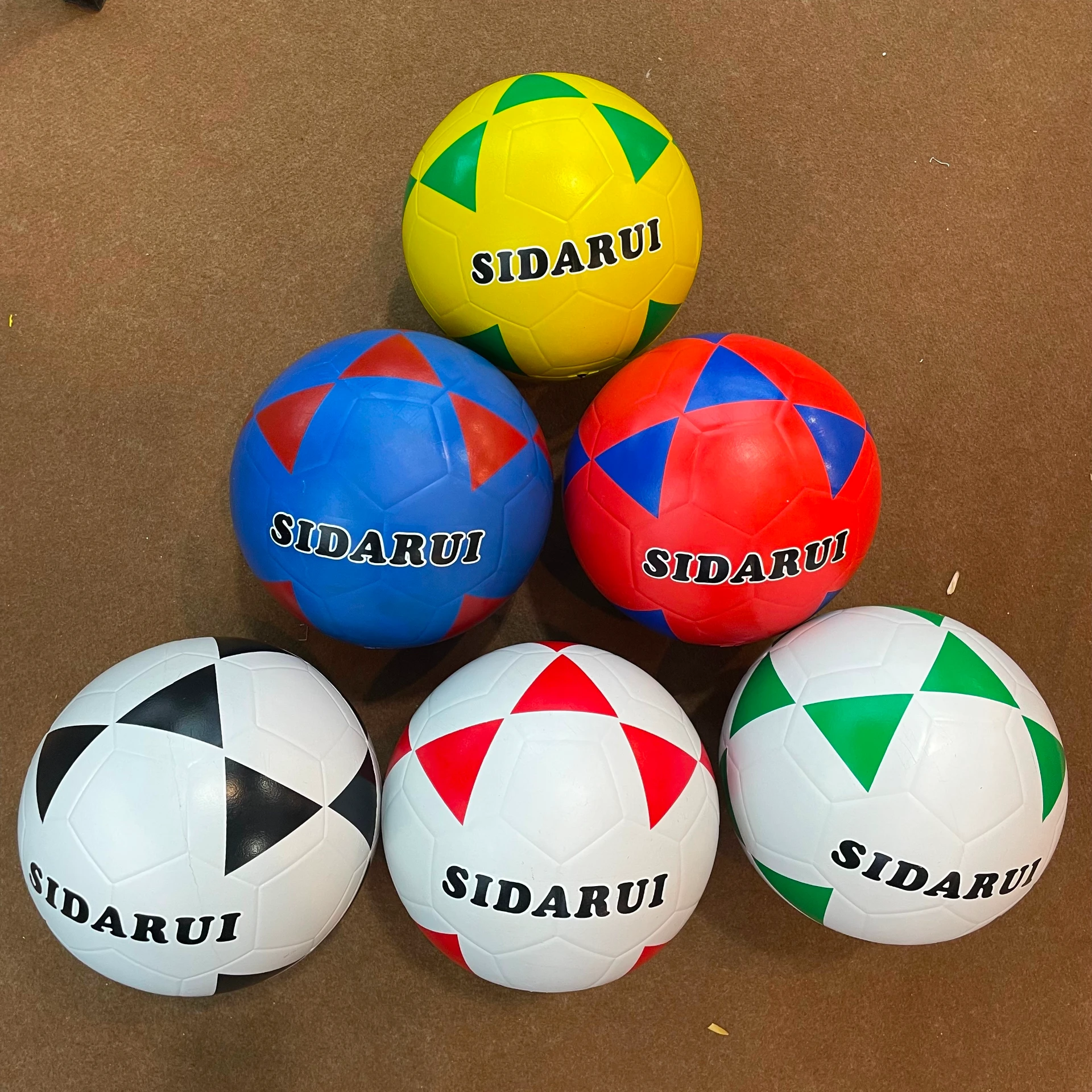
Brazil's sporting environment is characterized by extreme humidity and diverse terrains, from the coastal sands to urban concrete pitches. This demands a durable soccer ball that can resist moisture absorption and surface abrasion without losing spherical integrity.

The economic shift towards local sports democratization has increased the demand for high-quality yet affordable equipment. The market now prioritizes materials that can withstand the aggressive playstyle typical of South American leagues, moving away from fragile traditional leather towards hybrid synthetic polymers.

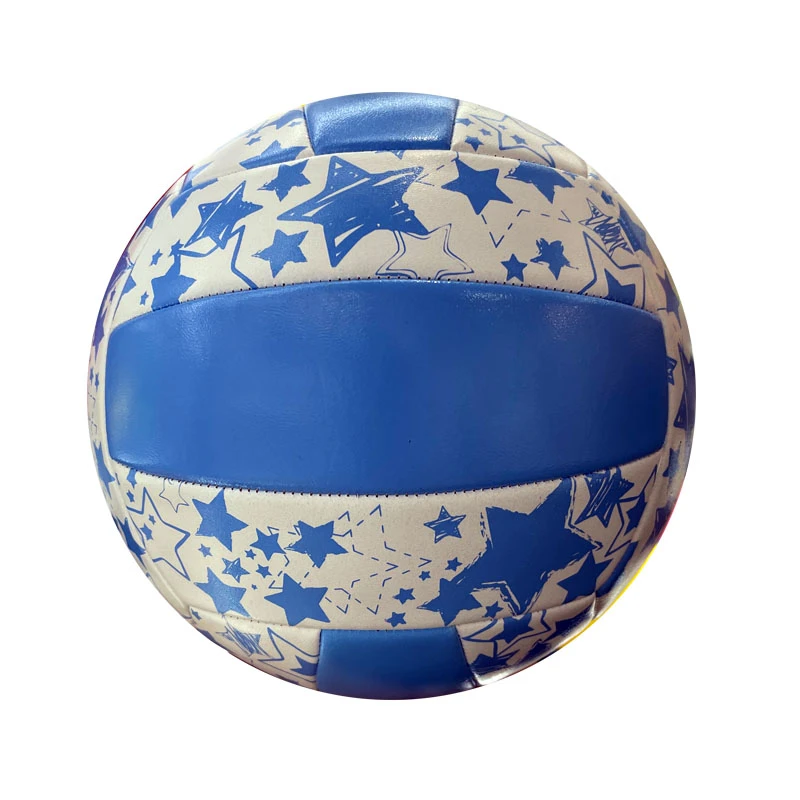
Furthermore, the coastal culture has sparked a massive surge in demand for specialized equipment, particularly the beach volleyball ball, which requires a specific soft-touch texture and waterproof bladder to perform under the intense tropical sun.
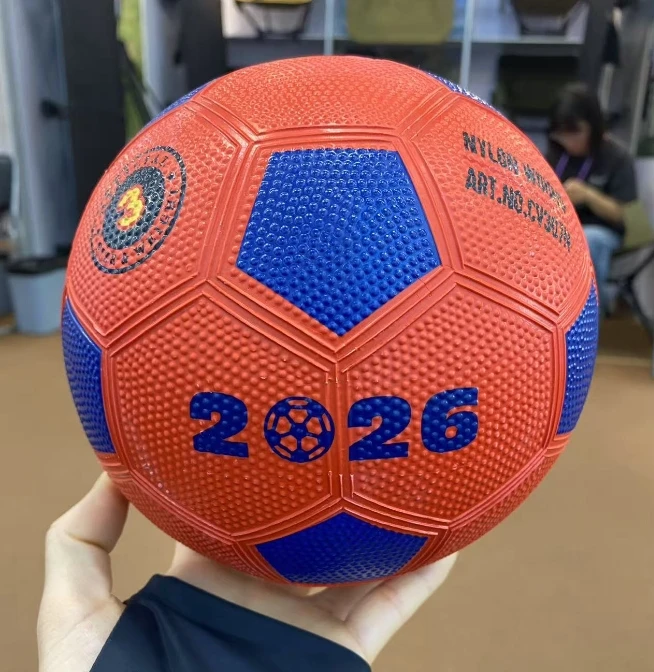
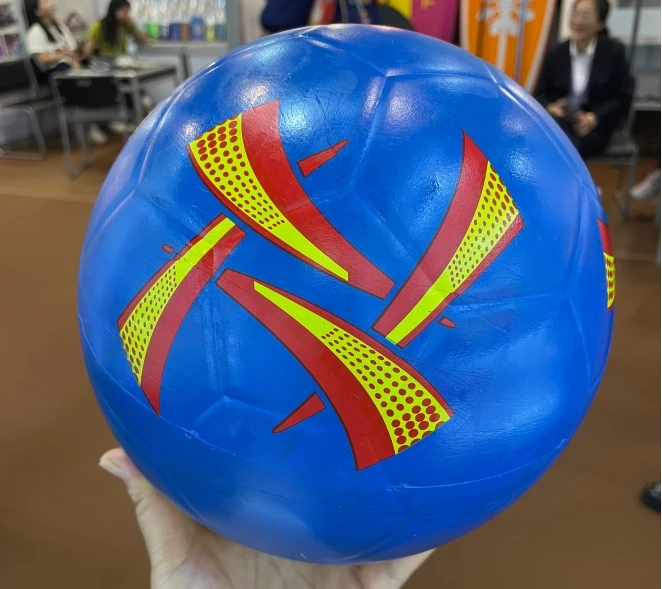
Evolution of Ball Manufacturing Technology

From hand-stitched classics to thermally bonded precision engineering.

Market Development History

In the early 2000s, the Brazilian market relied heavily on hand-stitched balls. While authentic, these often suffered from water leakage during the rainy season, leading to weight imbalances and decreased longevity.

Between 2010 and 2018, the transition to machine-stitched and early TPU coatings occurred. This era saw the introduction of the soccket ball variants designed for smaller, fast-paced urban games, emphasizing abrasion resistance over pure flight stability.

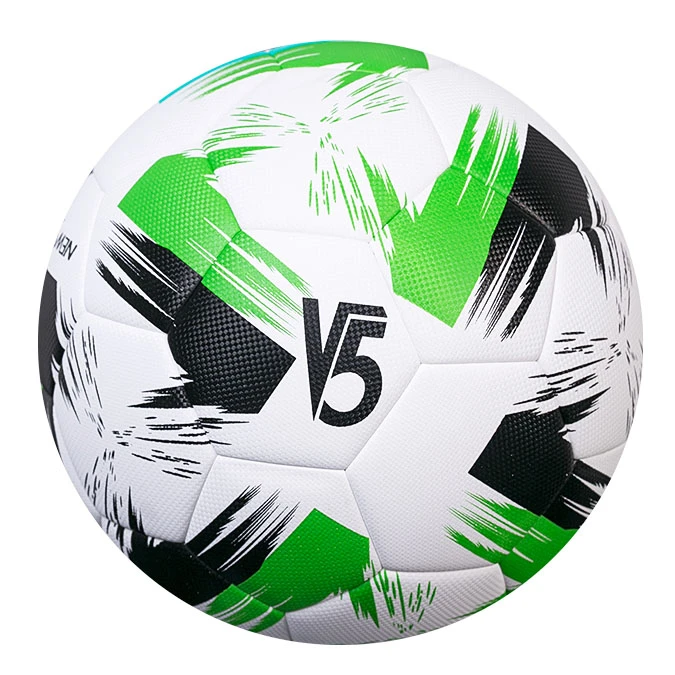
From 2019 to the present, thermal bonding technology has revolutionized the industry. This eliminates seams entirely, ensuring a perfectly round shape and zero water absorption, meeting the elite standards of modern professional play.

Future Development Trends

Sustainable Bio-Polymers

Moving toward biodegradable synthetic skins to reduce the environmental impact of sports waste in the Atlantic rainforest regions.

Smart-Sensing Integration

Embedding NFC chips within sportscene soccer balls to track velocity, spin, and impact data for youth academy training.

Climate-Adaptive Bladders

Developing internal bladders that automatically adjust pressure based on Brazil's extreme temperature fluctuations between the North and South.

Future Outlook of Brazilian Sports Manufacturing

Strategic trajectories for the next 3-5 years based on global search trends and material innovation.

Eco-Friendly Synthesis
Implementing recycled ocean plastics into the outer shell of high-performance balls to align with global ESG trends.
Aerodynamic Optimization
Utilizing wind-tunnel testing to create dimpled surface textures that improve flight stability in high-humidity air.
Hyper-Durable Bladders
Introduction of butyl-latex blends that reduce air leakage by 40%, essential for remote regions in Brazil.
Localized Customization
Digital printing technologies allowing for rapid localization of team colors and regional motifs.

Industry Outlook

Google search trends indicate a rising interest in "sustainable sports gear" within the South American market. We expect a shift where durability is no longer just about physical strength, but also about the sustainability of the material lifecycle.

The convergence of sports and technology will drive the manufacturing sector toward "Smart Balls." By 2027, the integration of sensors will become a standard for professional training equipment in Brazil's elite football academies.

Localized Application Scenarios in Brazil

Tailoring high-performance sports equipment to the diverse playing environments of the Brazilian landscape.

1. Urban Futsal Courts (Quadras)

Utilizing high-density polymers to create balls that maintain low bounce and high grip on concrete surfaces, perfect for the intense pace of city games.

2. Coastal Sand Arenas

Deploying the beach volleyball ball with reinforced anti-sand seams to prevent debris penetration and maintain buoyancy.

3. Professional Grass Stadiums

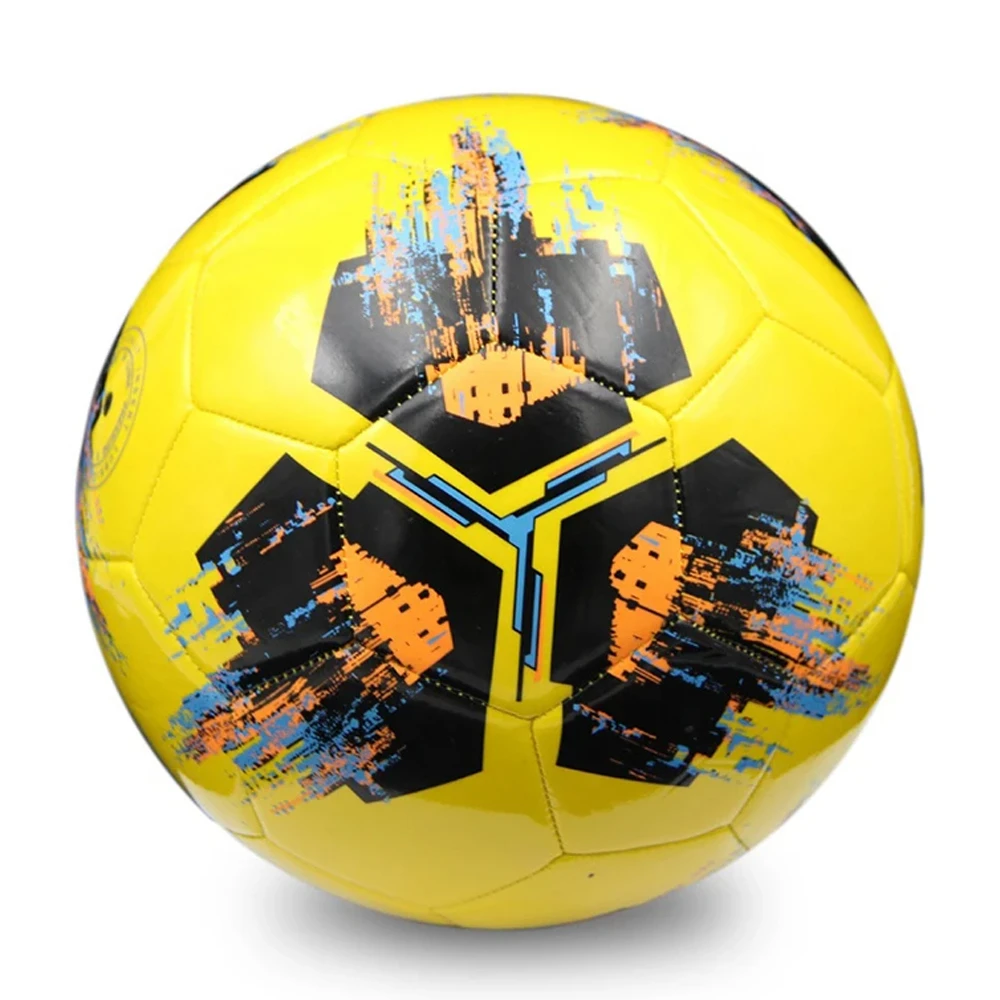
Supplying thermally bonded balls that ensure consistent trajectory and water resistance during the heavy tropical rainfalls of the Brasileirão season.

4. Rural Community Fields

Providing the ultra-tough durable soccer ball designed for uneven terrain and rough vegetation, ensuring maximum product lifespan.

5. Youth Training Academies

Implementing sportscene soccer balls with optimized weight distribution to help young athletes develop technical precision and ball control.

Brand Story

Global Development Journey of Hebei Starry Ball Sports Goods Co., Ltd.

Foundational Excellence

Established with a vision to bridge the gap between industrial manufacturing and athletic performance, focusing on material purity.

Technical Breakthroughs

Pioneered the integration of advanced thermal bonding in the mid-2010s, eliminating the traditional weaknesses of stitched seams.

Global Expansion

Successfully entered the South American market, tailoring products specifically for the unique climate and passion of Brazil.

Sustainability Pivot

Launched a green manufacturing initiative, integrating recycled materials without compromising the professional bounce or feel.

Future Vision

Striving to be the leading provider of smart sports equipment, empowering athletes worldwide with data-driven gear.

Common Inquiries for the Brazilian Market

Expert answers to technical questions regarding sports ball maintenance and selection in South America.

How to choose a durable soccer ball for concrete pitches in Brazil?

For concrete or "quadras," we recommend balls with a reinforced TPU outer layer and a higher density foam core to resist abrasion and maintain a consistent bounce.

Do your beach volleyball ball models resist high tropical heat?

Yes, our beach balls are engineered with UV-resistant coatings and specialized bladders that prevent over-expansion under the intense Brazilian sun.

What is the difference between a professional futbol ball and a training ball?

Professional balls utilize thermal bonding for zero water absorption and precision flight, while training balls focus on maximum durability and cost-efficiency.

Are soccket ball sizes standardized for urban leagues?

Yes, we produce sizes that comply with international street soccer standards, ensuring the weight and circumference are optimized for smaller court dimensions.

How do sportscene soccer balls improve player performance?

They feature a balanced center of gravity and a high-friction surface, allowing for better control and more accurate passing during high-intensity drills.

Which material is best for balls used in heavy rain conditions?

Thermally bonded polyurethane (PU) is the best choice as it prevents water from seeping into the seams, keeping the ball light and aerodynamic.

Ready to Upgrade Your Game?

Partner with the leading manufacturer of professional sports equipment. We provide customized bulk solutions for distributors and clubs across Brazil.

Contact Us Now

If you are interested in our products, you can choose to leave your information here, and we will be in touch with you shortly.


If you are interested in our products, you can choose to leave your information here, and we will be in touch with you shortly.


en_USEnglish