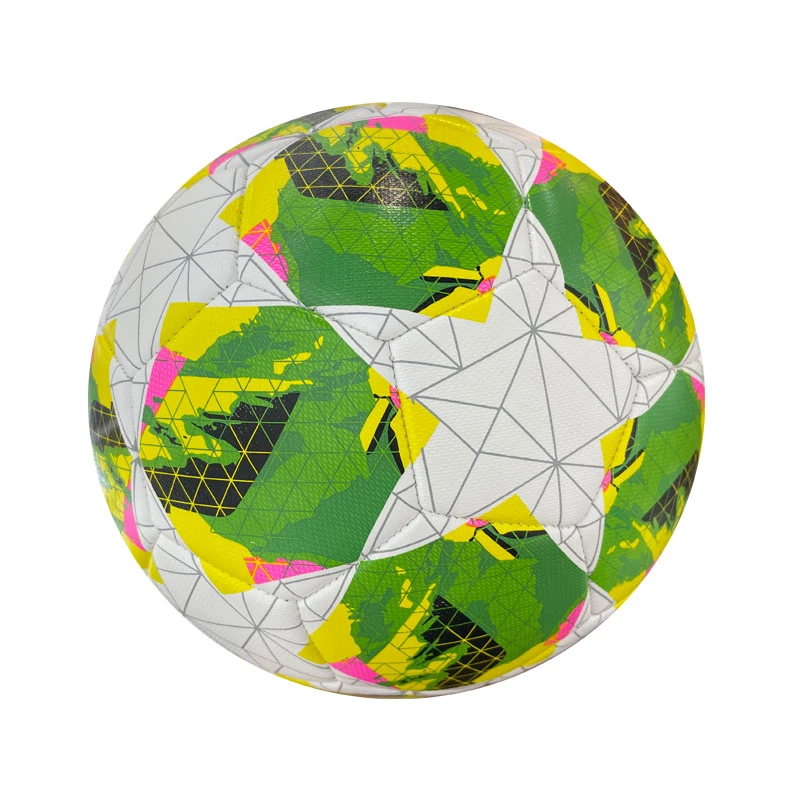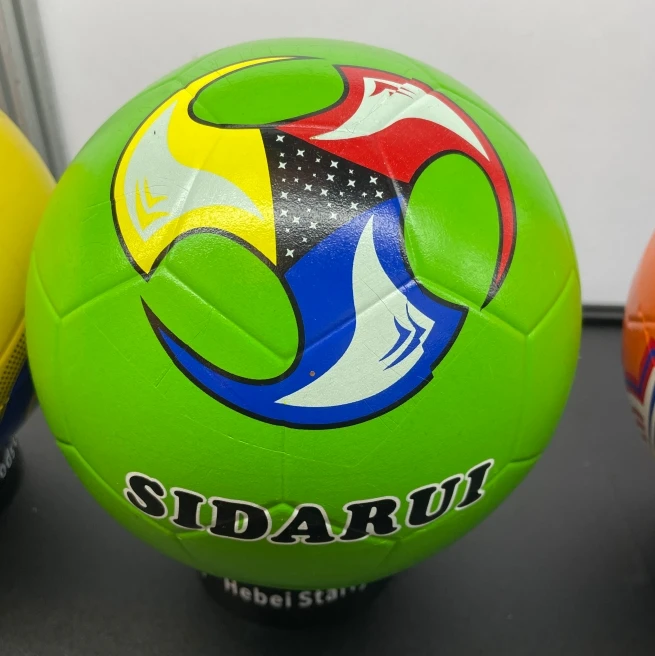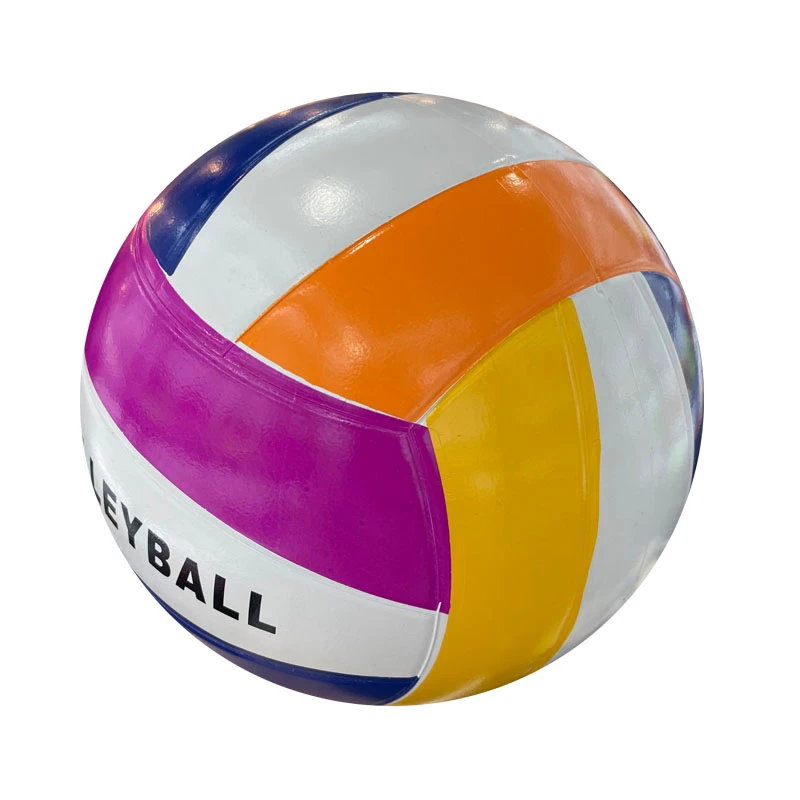
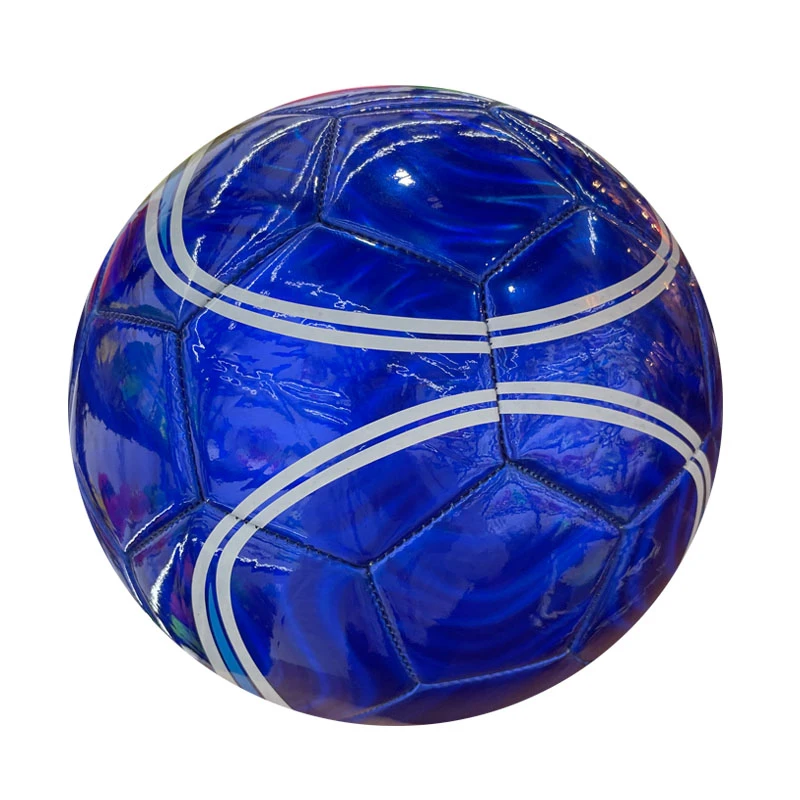
Premium futbol ball Solutions for the Canadian Market

Engineering high-performance sports equipment tailored for North America's diverse climates and professional athletic standards.

The Landscape of Sports Equipment Manufacturing in Canada

Adapting to extreme temperature fluctuations and rigorous athletic demands.

In Canada, the demand for a durable soccer ball is driven by the country's unique climate. The transition from humid summers to freezing winters requires materials that can maintain elasticity and structural integrity without cracking under thermal stress.

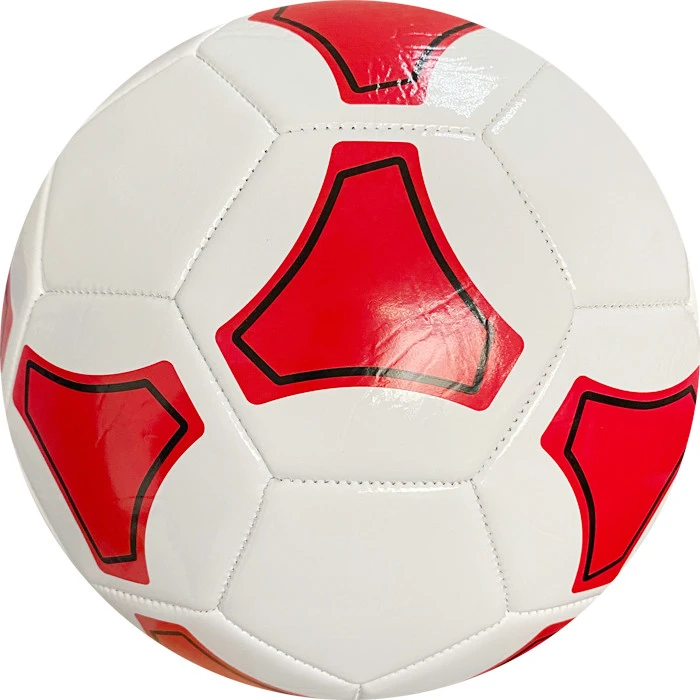
The market is characterized by a strong emphasis on community-based youth leagues and professional development. Consequently, there is a surge in demand for high-specification sportscene soccer balls that meet international federation standards while resisting the abrasive nature of artificial turf common in urban Canadian centers.

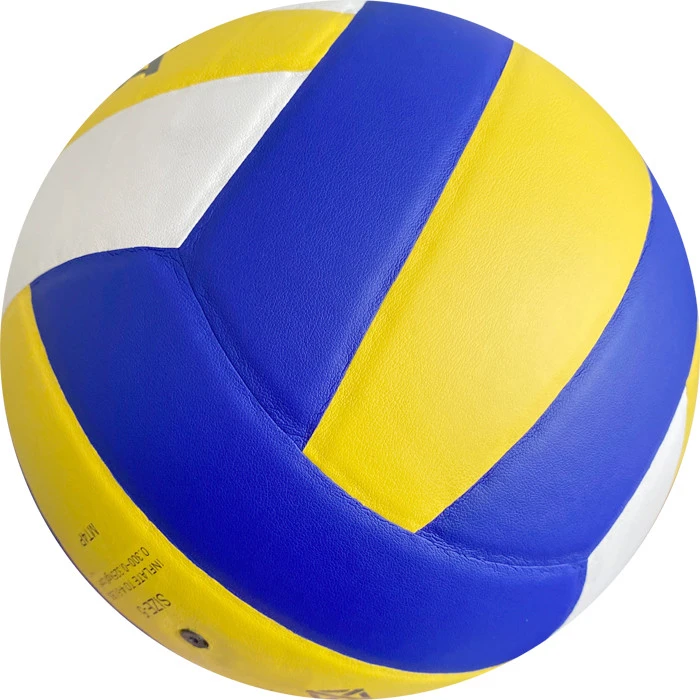
Furthermore, the recreational sector, particularly along the Atlantic and Pacific coasts, shows a growing preference for specialized equipment like the beach volleyball ball, which must withstand salt-air corrosion and high UV exposure during the peak summer seasons.
Evolution of Sports Ball Manufacturing Technology

From hand-stitched leather to thermally bonded precision engineering.

Market Development History

Until the early 2000s, the Canadian market relied heavily on traditional hand-stitched leather balls. While authentic, these often struggled with water absorption during rainy autumns, leading to weight gain and decreased performance.

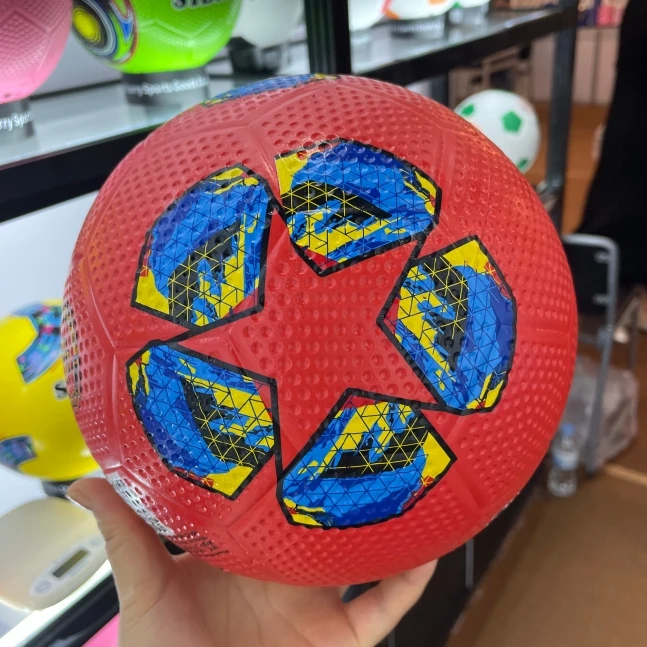
Between 2010 and 2020, the industry shifted toward TPU (Thermoplastic Polyurethane) and synthetic composites. This era saw the rise of the modern soccket ball, utilizing machine-stitching and improved bladder materials to ensure consistent air pressure and spherical accuracy.

Today, the integration of thermal bonding and carbon-fiber reinforcement has redefined durability. Modern manufacturing now focuses on "zero-water absorption" skins, ensuring that the ball's weight remains constant regardless of the Canadian weather.

Future Development Trends

Eco-Friendly Bio-Polymers

The next 3-5 years will see a shift toward biodegradable polymers to reduce the environmental footprint of sports manufacturing in North America.

Smart-Core Integration

Integration of NFC chips and sensors within the ball to track velocity and spin, catering to the data-driven training culture in Canadian academies.

Advanced Aerodynamic Texturing

Development of micro-dimple surfaces to optimize flight stability in varying air densities, typical of Canada's high-altitude and coastal regions.

Industry Outlook and Strategic Projections

Analyzing the intersection of material science and athletic performance.

Thermal Stability Enhancement
Developing compounds that prevent material brittleness in sub-zero Canadian winters.
Hyper-Durable Outer Skins
Implementing reinforced polyurethane layers to increase the lifespan on abrasive turf.
Sustainable Sourcing
Integrating recycled ocean plastics into the production of beach volleyball equipment.
Precision Bladder Tech
Using high-grade butyl bladders for superior air retention in high-altitude regions.

Industry Outlook

Google search trends indicate a significant rise in "eco-friendly sports gear" and "professional training equipment" within the Canadian demographic. This suggests that consumers are moving away from disposable sporting goods toward high-value, long-lasting investments.

The convergence of AI-driven design and traditional manufacturing allows for the creation of equipment that is not only more durable but specifically tuned to the physiological needs of athletes across different age groups in North America.

Localized Application Scenarios in Canada

Tailored solutions for every Canadian sporting environment.

01. Municipal Youth Leagues in Ontario

High-intensity use on artificial turf requires a durable soccer ball that resists scuffing and maintains its shape through thousands of impact cycles.

02. Coastal Beach Tournaments in British Columbia

The humid, salty air of the Pacific coast demands a beach volleyball ball with a moisture-wicking surface and UV-resistant coating to prevent discoloration.

03. Professional Academies in Quebec

Elite training centers utilize sportscene soccer balls for precision drill work, focusing on aerodynamic consistency and perfect sphericity for tactical training.

04. Indoor Winter Training Centers

During the harsh winter months, synthetic indoor courts require a specialized soccket ball with optimal grip and reduced impact noise for enclosed environments.

05. Community Parks in Alberta

Varied terrains from grass to hard-packed dirt require a versatile futbol ball that provides a balanced bounce and extreme outer-shell resilience.

Brand Story

Global Development Journey of Hebei Starry Sports Goods Co., Ltd.

Industrial Foundations

Founded with a commitment to precision, we started by solving the fundamental problem of air retention in budget sporting equipment.

Material Innovation

We pioneered the use of reinforced TPU layers, drastically increasing the lifespan of soccer balls used in professional training.

Global Expansion

Expanding into the North American market, we adapted our production lines to meet the rigorous quality standards of Canada and the USA.

Sustainable Transition

Implementing green manufacturing processes to ensure our passion for sports does not come at the cost of the planet.

The Future of Play

Today, we continue to bridge the gap between industrial manufacturing and athletic excellence through continuous R&D.

Frequently Asked Questions for Canadian Customers

Expert answers regarding durability and performance in local conditions.

What makes a soccer ball truly a durable soccer ball for Canadian winters?

True durability in Canada requires a combination of a high-grade butyl bladder for air retention and a TPU outer shell that remains flexible at low temperatures, preventing the material from cracking during freeze-thaw cycles.

How do sportscene soccer balls differ from standard recreational balls?

Sportscene balls are engineered with higher sphericity tolerances and specific weight distributions, ensuring a more predictable flight path and consistent bounce, which is critical for professional training.

Is a beach volleyball ball suitable for use on wet sand?

Yes, our beach volleyball balls feature a water-resistant synthetic leather coating that prevents moisture absorption, ensuring the ball doesn't become heavy or slippery when used on damp coastal sands.

Can I use a futbol ball on both grass and artificial turf?

Our hybrid-surface balls are designed with a reinforced skin that minimizes abrasion on artificial turf while maintaining the necessary grip and friction for natural grass pitches.

What is the best way to maintain a soccket ball in high-humidity areas?

To maintain longevity in humid regions, we recommend wiping the ball with a damp cloth after use and storing it in a cool, dry place to prevent mold growth on the synthetic panels.

How often should I check the pressure of my professional soccer ball?

Due to the pressure changes associated with Canada's altitude and temperature shifts, we recommend checking the PSI weekly to ensure optimal performance and to prevent bladder over-stretching.

Ready to Elevate Your Game?

Contact our specialist team for bulk orders and customized manufacturing solutions in North America - Canada.

Contact Us Now

If you are interested in our products, you can choose to leave your information here, and we will be in touch with you shortly.


If you are interested in our products, you can choose to leave your information here, and we will be in touch with you shortly.


en_USEnglish