


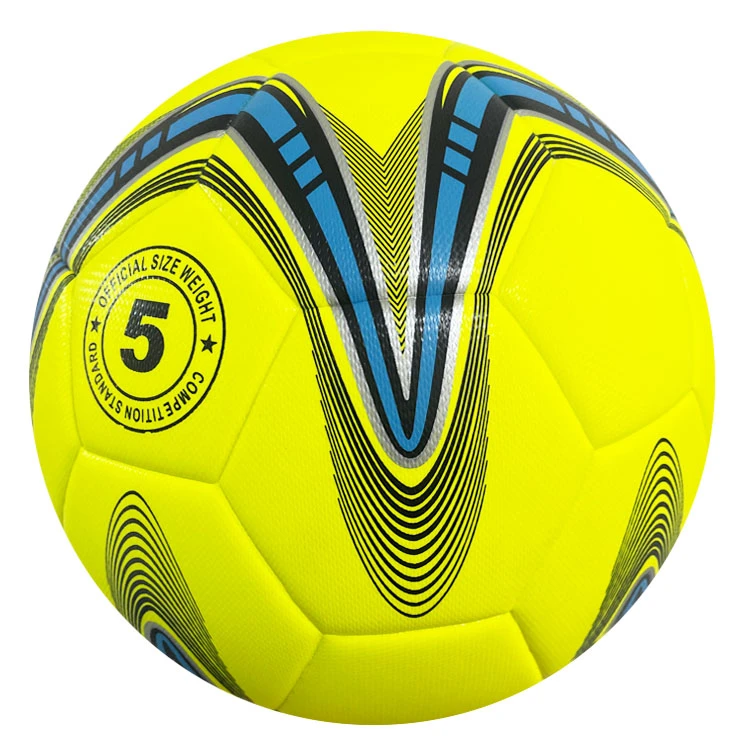
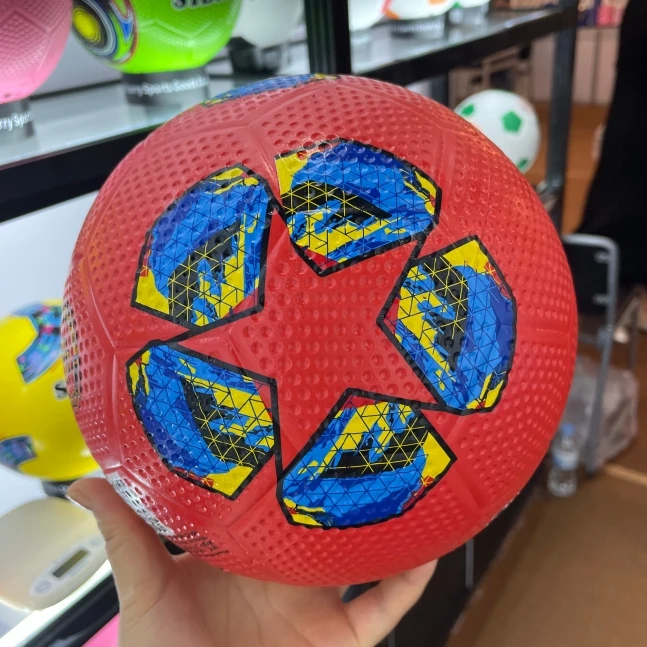
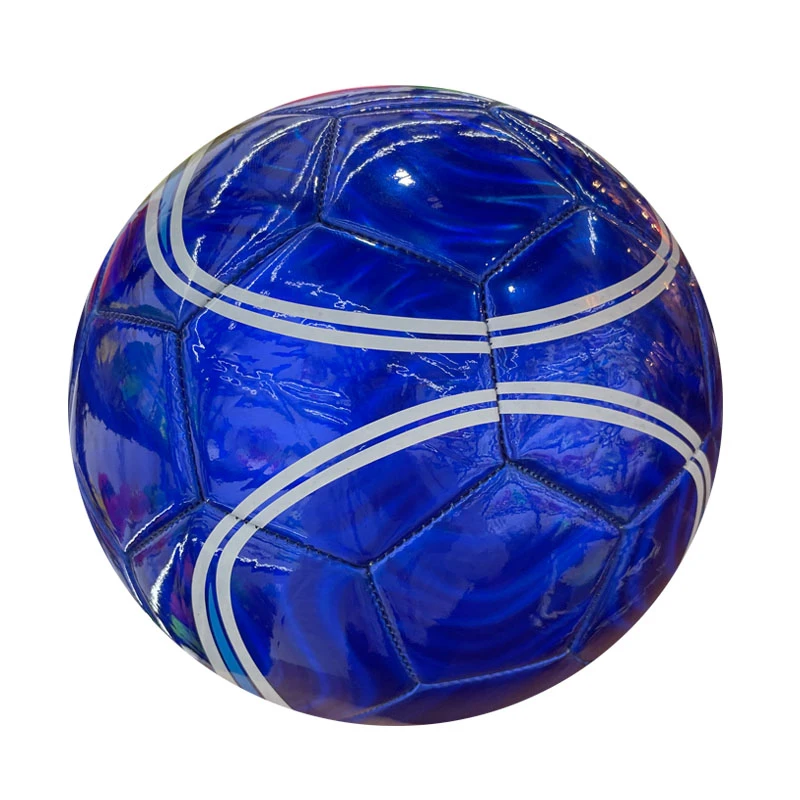
In the Netherlands, the sports manufacturing landscape is heavily influenced by the region's maritime climate. The frequent rain and high humidity require a durable soccer ball that can maintain consistent weight and trajectory even when wet, preventing water absorption that affects game dynamics.
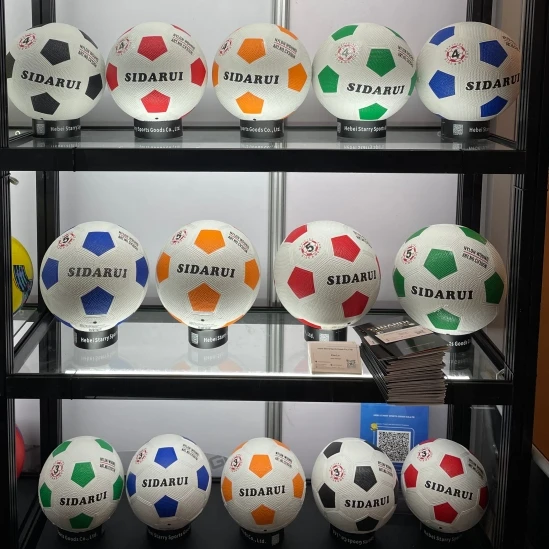
The Dutch market shows a high demand for professional-grade equipment. With a deep-rooted football culture, local clubs prioritize materials that resist abrasion on various artificial turf surfaces, which are prevalent across the country due to space optimization and weather conditions.
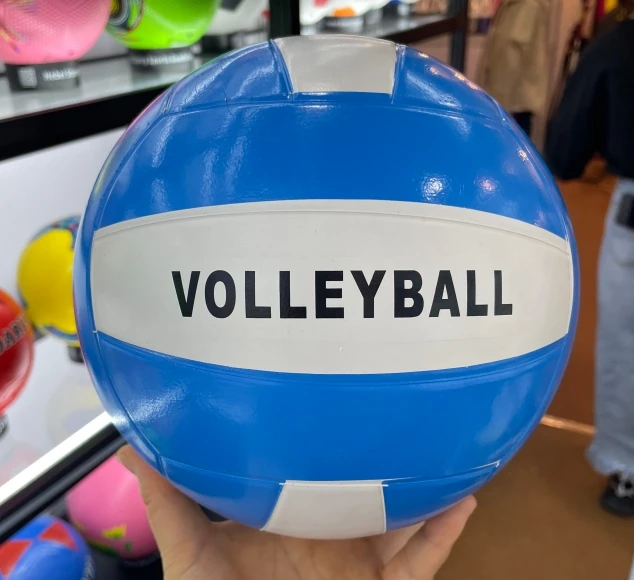
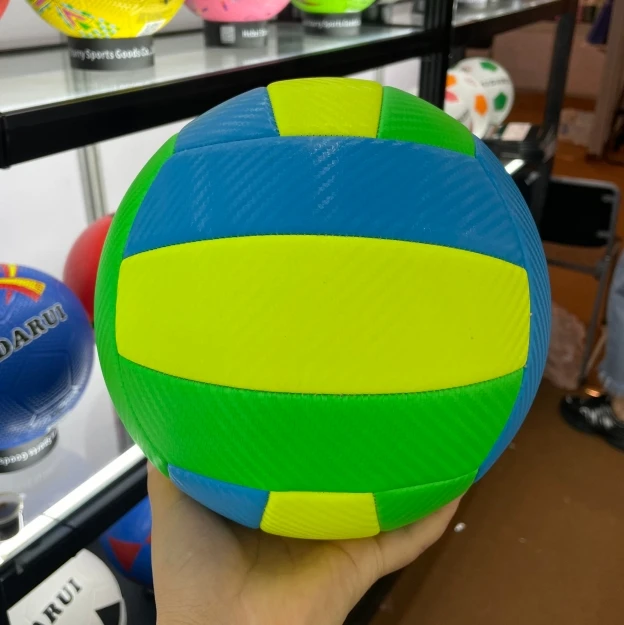
Furthermore, the rise of leisure sports on the coast has increased the consumption of specialized gear. This includes the demand for a high-quality beach volleyball ball that can withstand saline environments and abrasive sand without compromising the outer shell's integrity.



 English