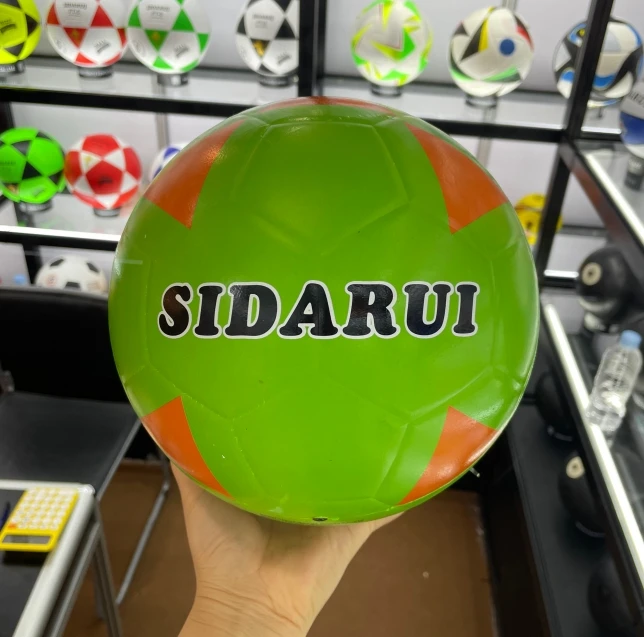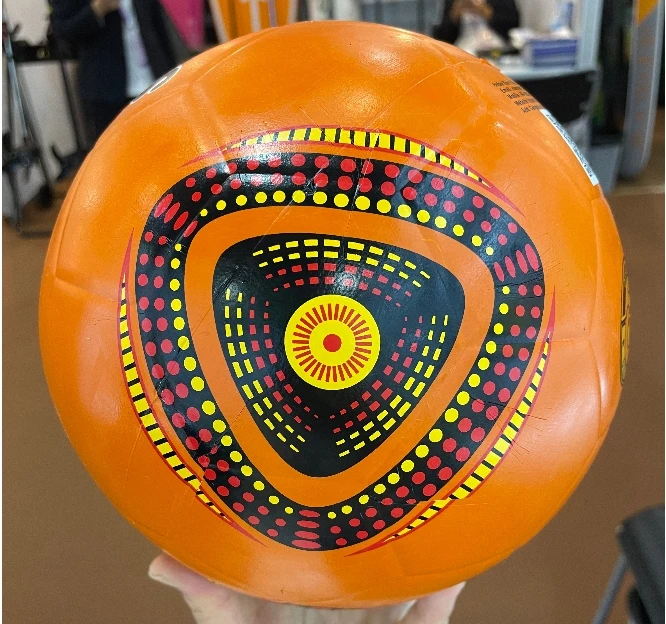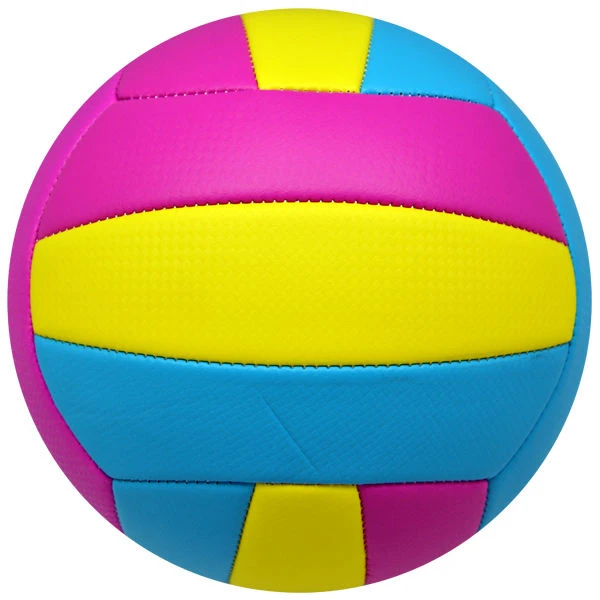
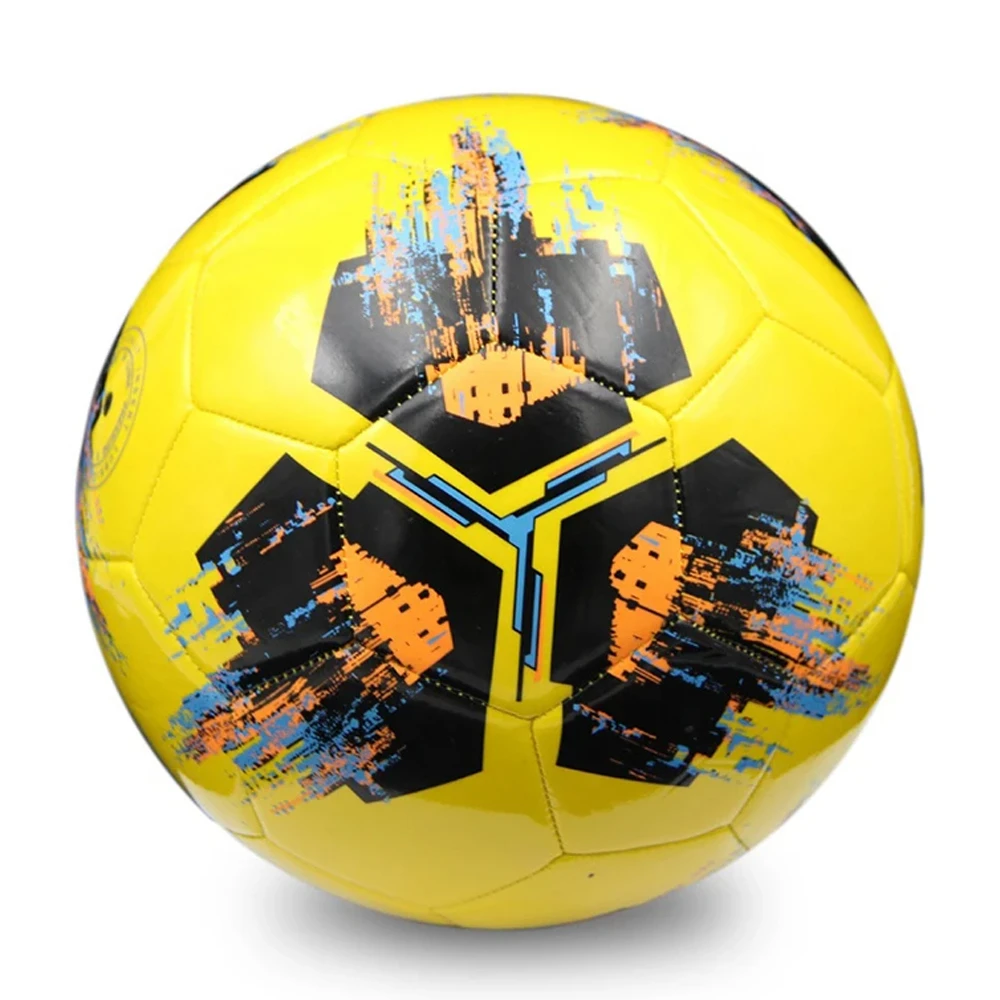
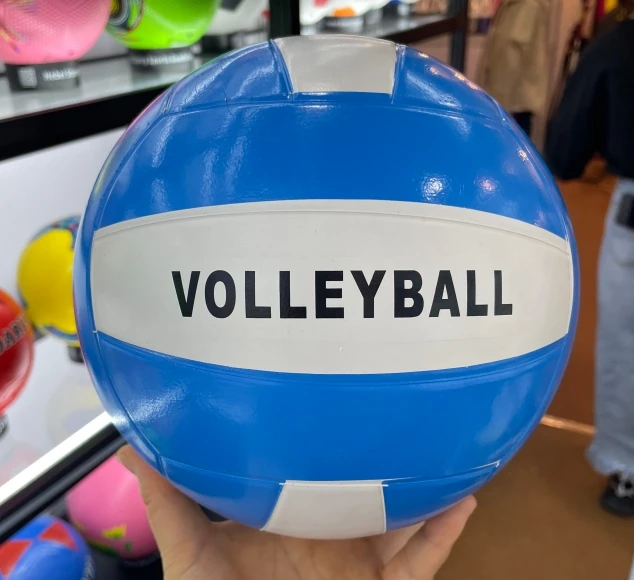
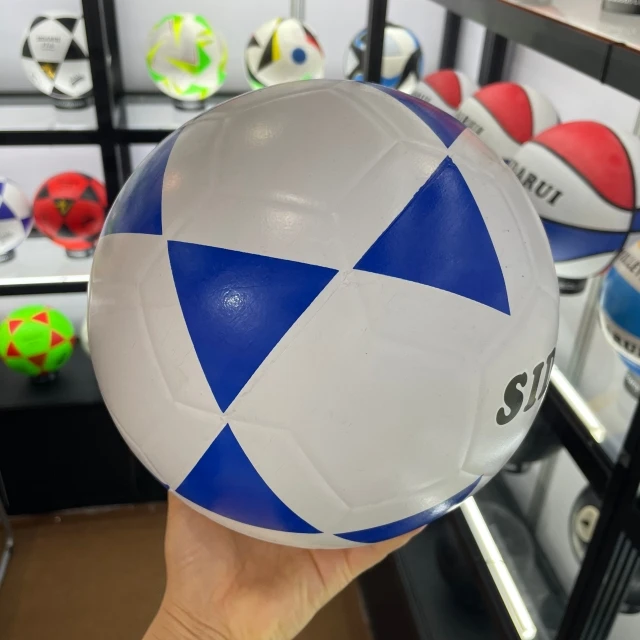
Premium sportscene soccer balls Solutions for Japan Market

Engineering high-performance sports equipment tailored for the precision and quality standards of Japanese athletes and educational institutions.

The Landscape of Sports Equipment Manufacturing in Japan

Analyzing the synergy between Japanese quality obsession and modern sports material science.

In Japan, the demand for a durable soccer ball is driven by an intense culture of youth development and a professional league (J-League) that demands absolute consistency. The humid subtropical climate and frequent rainfall in coastal cities necessitate materials that resist water absorption and maintain their weight during play.

The market is characterized by a shift toward sustainable manufacturing. Japanese consumers increasingly prioritize eco-friendly polymers and non-toxic adhesives in their futbol ball selections, pushing manufacturers to innovate in biodegradable synthetic leathers without sacrificing performance.

Furthermore, the integration of sports into the national education curriculum means that school-grade equipment must withstand extreme wear and tear. This creates a high-volume niche for ruggedized, high-bounce equipment that maintains its spherical integrity over thousands of cycles of use.
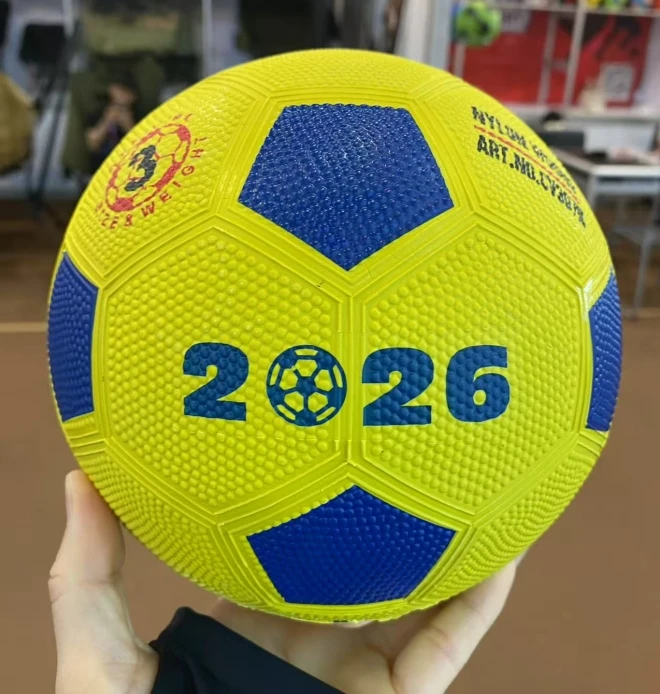
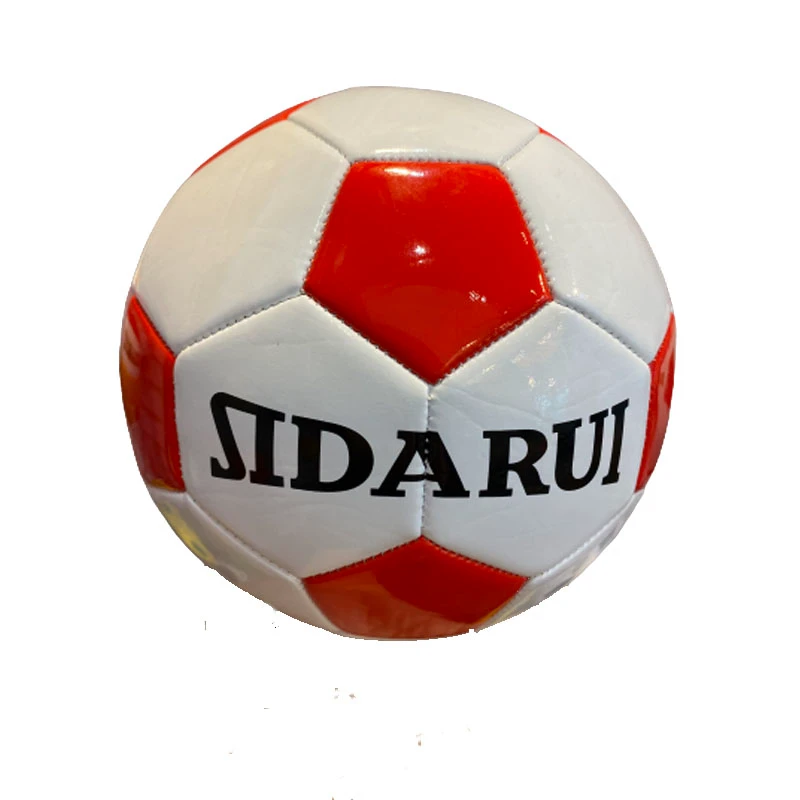
Evolution of Ball Manufacturing Technology

From hand-stitched tradition to thermally bonded precision.

Market Development History

During the 1980s and 90s, the industry relied heavily on hand-stitched leather constructions. While durable, these often absorbed water, altering the weight of the soccket ball during Japan's rainy seasons, leading to inconsistent flight paths.

By the early 2000s, the transition to TPU (Thermoplastic Polyurethane) and machine-stitched panels allowed for mass production with tighter quality control, aligning with Japan's "Kaizen" philosophy of continuous improvement in manufacturing precision.

Since 2010, the gold standard has evolved into thermal bonding. By eliminating seams through high-temperature fusion, manufacturers have achieved a perfectly spherical shape and zero water uptake, revolutionizing the professional game in Asia.

Future Development Trends

Smart-Sensing Integration

Incorporating embedded IMU sensors to track velocity and spin, catering to Japan's tech-forward coaching methods.

Nano-Surface Texturing

Implementing microscopic patterns on the outer skin to optimize aerodynamics in varying humidity levels.

Circular Economy Materials

Moving toward 100% recycled ocean plastics for the outer shell of the beach volleyball ball to meet strict Japanese environmental goals.

Strategic Outlook for Sports Manufacturing

Navigating the future of athletic gear through innovation and sustainability.

Eco-Polymer Adoption
Transitioning to bio-based resins to reduce the carbon footprint of sports equipment production.
Precision Aerodynamics
Using wind-tunnel testing to optimize the surface texture for consistent flight in humid air.
Hybrid Bladder Tech
Combining butyl and latex for superior air retention and rebound characteristics.
AI-Driven Quality Control
Utilizing computer vision to detect micro-defects in panel bonding before shipping.

Industry Outlook

Based on search trend data for the Japan region, there is a significant increase in queries related to "sustainable sports gear" and "high-performance training equipment." This indicates a market pivot toward products that balance elite performance with ethical manufacturing processes.

The next 3-5 years will see a convergence of digital tracking and physical gear. Manufacturers who can integrate data-capture technology into the core of a ball while maintaining a "natural feel" will dominate the professional and semi-professional segments in Asia.

Localized Application Scenarios in Japan

Customized solutions for the unique sporting environments of the Japanese archipelago.

01. Urban School Training Centers

Deploying ultra-durable equipment for concrete and artificial turf surfaces common in Tokyo and Osaka schools to reduce replacement cycles.

02. Coastal Beach Volleyball Tournaments

Utilizing specialized beach volleyball ball materials that are salt-water resistant and highly visible against white sand.

03. J-League Youth Academies

Supplying FIFA-standard thermally bonded balls that provide the precise touch required for high-level technical training in youth tiers.

04. Corporate Sports Festivals (Undokai)

Providing high-visibility, lightweight balls for large-scale corporate events where ease of use and safety are prioritized.

05. Regional Community Leagues

Offering cost-effective yet durable equipment for amateur leagues across rural prefectures, ensuring longevity across diverse terrains.

Brand Story

Global Development Journey of Hebei Starry Sports Goods Co., Ltd.

Foundational Precision

Started with a commitment to solving the common problem of air leakage and deformation in budget sports balls.

Material Innovation

Invested in advanced TPU research to create skins that resist extreme weather conditions, from heat to humidity.

Global Expansion

Expanded our footprint into the Asian market, adapting designs to meet the specific quality standards of Japan.

Technological Leap

Implemented automated thermal bonding lines to ensure every ball meets a perfect spherical tolerance.

Sustainable Future

Leading the industry toward a zero-waste manufacturing process for the next generation of athletes.

Japan Market FAQ

Expert answers to common questions regarding sports ball procurement and maintenance.

What makes a truly durable soccer ball for artificial turf in Japan?

A truly durable ball uses high-abrasion resistant TPU skins and reinforced stitching or thermal bonding to prevent peeling on abrasive synthetic surfaces.

How does the humidity in Japan affect the performance of a futbol ball?

High humidity can increase ball weight if the material is porous. Our thermally bonded balls prevent water absorption, maintaining a constant weight.

Can a soccket ball be customized for Japanese youth academy branding?

Yes, we offer high-precision OEM printing that adheres to the TPU surface without cracking, ensuring long-term brand visibility.

What is the recommended pressure for a beach volleyball ball in coastal regions?

Pressure should be adjusted based on ambient temperature; we provide guidelines to ensure consistent bounce during hot summer beach seasons.

Do sportscene soccer balls meet international FIFA quality standards?

Our professional line is engineered to match FIFA's specifications for sphericity, circumference, and weight tolerance.

How to maintain the lifespan of sports balls in cold Japanese winters?

Store balls in temperature-controlled environments to prevent the bladder from contracting and the outer skin from becoming brittle.

Partner With Our Experts

Ready to upgrade your sports equipment supply chain in Japan? Our engineering team is available for custom consultations.

Contact Us Now

If you are interested in our products, you can choose to leave your information here, and we will be in touch with you shortly.


If you are interested in our products, you can choose to leave your information here, and we will be in touch with you shortly.


en_USEnglish