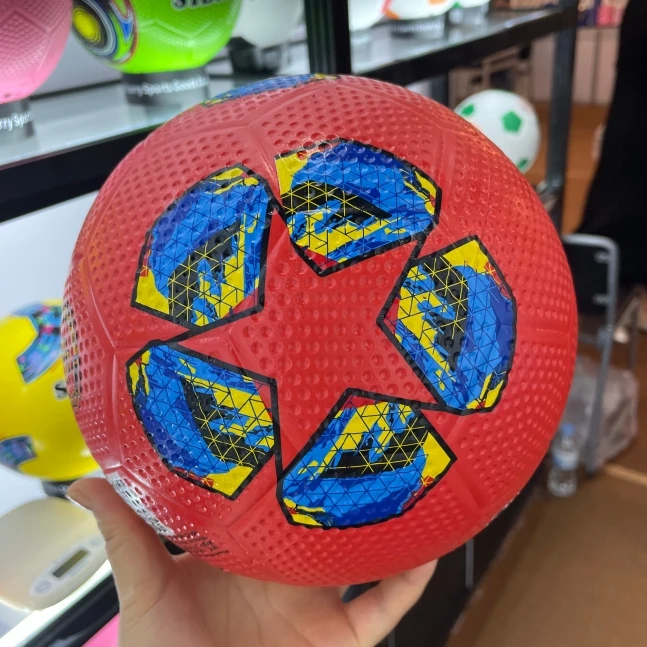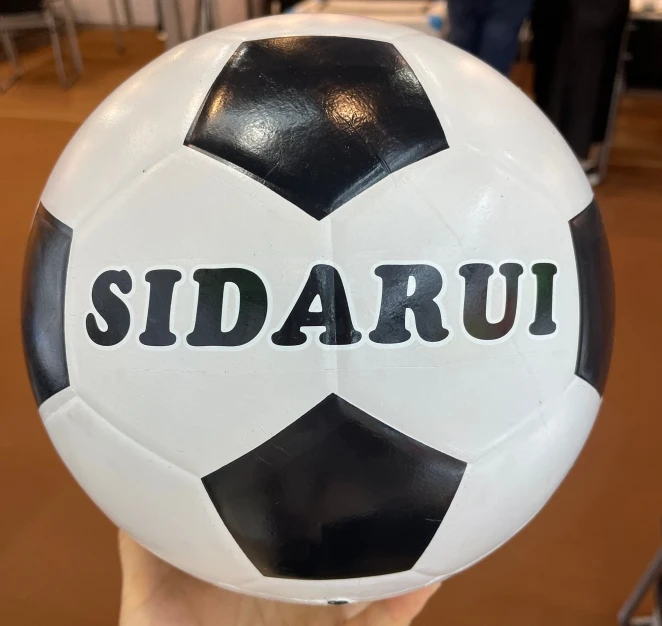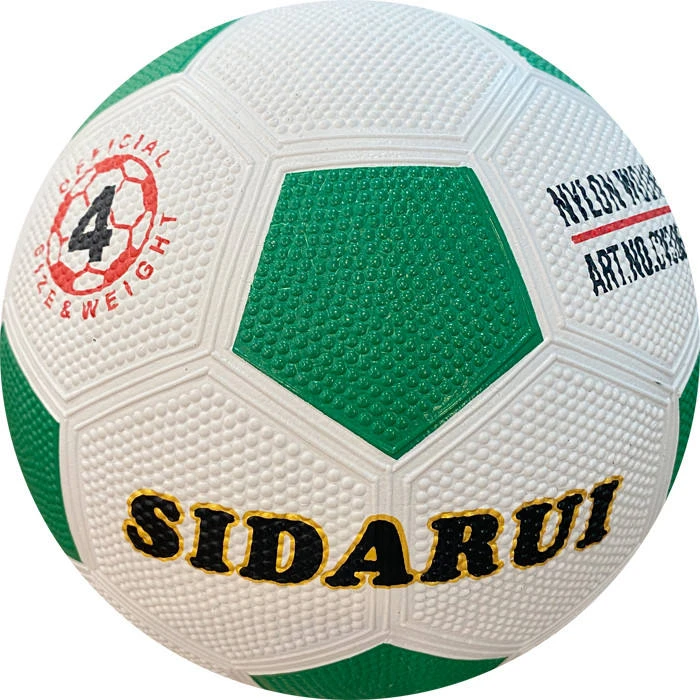
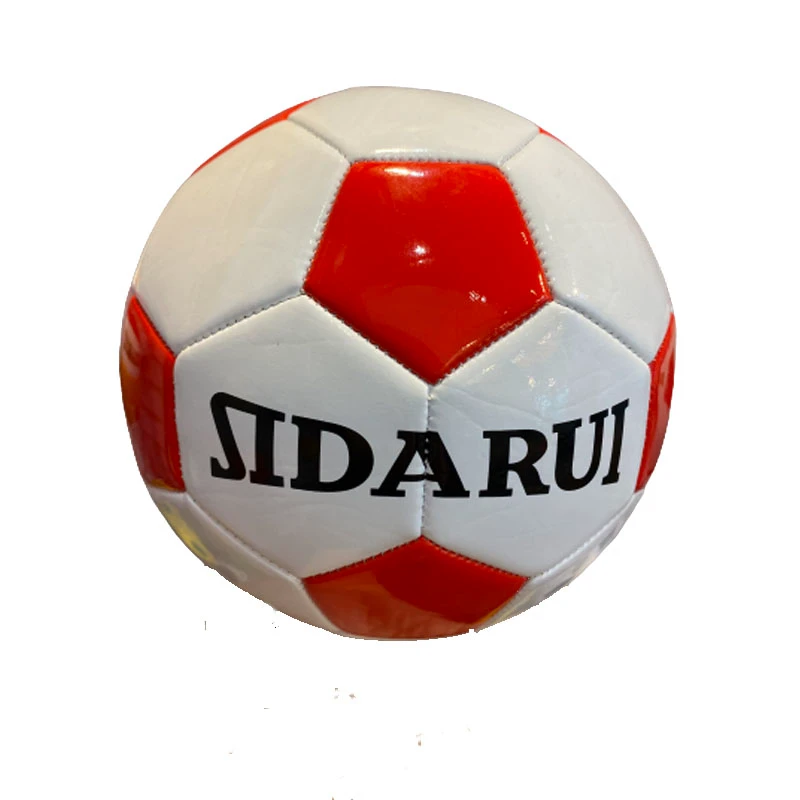
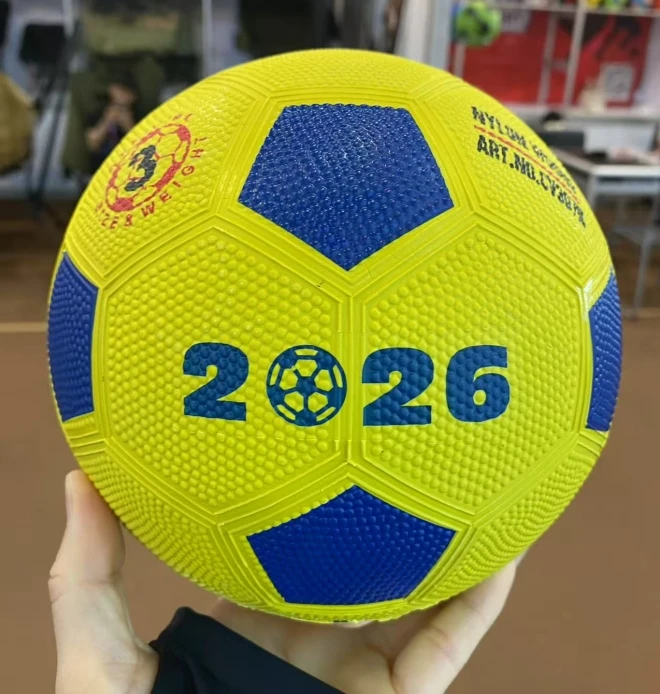
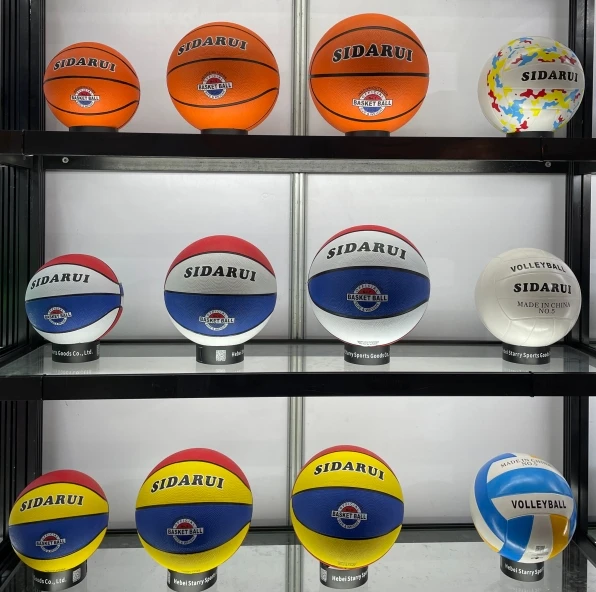
Professional futbol ball Solutions for Tanzania Sports Markets

Engineering high-performance athletic equipment designed to withstand the rugged terrains and tropical climates of East Africa.

Analyzing the Sports Equipment Landscape in Tanzania

Addressing the challenges of equipment longevity in diverse African environments.

In Tanzania, the passion for football is unmatched, but the environmental conditions pose a significant challenge to equipment. The prevalence of gravel pitches and uneven surfaces means a standard ball wears out rapidly, creating a high demand for a durable soccer ball that can resist abrasion and puncture.

Climate factors, including intense UV radiation and seasonal humidity, often lead to the degradation of synthetic outer layers and bladder leakage. Local clubs and schools frequently struggle with the imbalance between cost and quality, often settling for low-grade imports that fail within weeks of intensive use.

Furthermore, the rise of coastal tourism in regions like Zanzibar has sparked a growing interest in beach sports, increasing the local search for specialized equipment like the beach volleyball ball, which requires specific water-resistant and sand-repellent coatings.
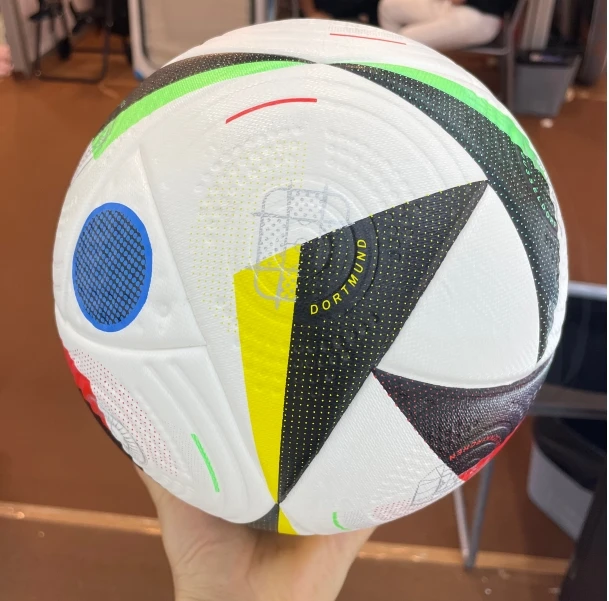
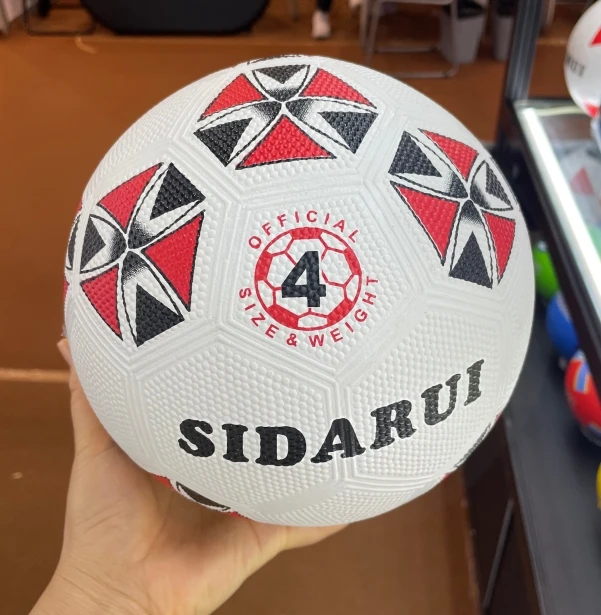
Evolution of Ball Manufacturing for the East African Market

From basic rubber shells to advanced TPU thermal bonding technology.

Market Development History

Historically, the Tanzania market relied on heavy rubber balls from the 1990s, which were durable but lacked the aerodynamic properties required for professional play. These early versions were primarily used in rural schools due to their low cost.

Between 2005 and 2015, the industry shifted toward PVC stitched balls. While these improved the feel of the soccket ball, the stitching often became a point of failure when exposed to the moisture of the rainy season, leading to water absorption and weight gain.

From 2016 to the present, the introduction of TPU (Thermoplastic Polyurethane) and thermal bonding has revolutionized the market. This iteration eliminated stitches entirely, ensuring that balls remain waterproof and maintain their spherical shape even under extreme pressure.

Future Development Trends

Eco-Friendly Bio-Polymers

The next phase involves replacing petroleum-based synthetics with biodegradable polymers that maintain the resilience of sportscene soccer balls while reducing the environmental footprint in African landfills.

Smart-Sensing Integration

Integration of RFID and motion sensors within the bladder to track ball velocity and spin, catering to the growing number of professional academies in Dar es Salaam.

Hyper-Abrasion Resistant Coatings

Developing nano-coatings specifically for "street-to-pitch" versatility, allowing a single ball to transition between asphalt and grass without surface peeling.

Strategic Trends and Future Outlook for Sports Manufacturing

Driving innovation through material science and regional demand analysis.

Material Optimization
Implementing high-density TPU and reinforced bladders to ensure longevity on rough Tanzanian terrains.
Thermal Bonding Tech
Moving away from traditional stitching to heat-welded seams to prevent water absorption in humid climates.
Climate Adaptation
Developing UV-resistant outer shells that prevent cracking under the intense East African sun.
Digital Distribution
Optimizing B2B supply chains to reach regional hubs in Arusha and Mwanza more efficiently.

Industry Outlook

Based on Google search trends in Africa, there is a growing trajectory toward "professional-grade" amateur gear. Tanzanian youth are increasingly seeking equipment that mirrors the specs of international leagues, driving a shift toward high-end synthetic materials.

We predict that the next 3-5 years will see a surge in localized customization, where regional clubs demand specific weights and bounce characteristics tailored to the harder, drier soil conditions common in the inland regions of Tanzania.

Localized Application Scenarios in Tanzania

Real-world deployment of sports equipment across diverse Tanzanian environments.

01. Urban Street Leagues in Dar es Salaam

Utilizing high-abrasion resistant surfaces for matches played on concrete or hard-packed dirt, ensuring the ball doesn't peel under friction.

02. Coastal Resorts in Zanzibar

Deploying specialized beach volleyball ball sets with moisture-wicking shells for professional beach tournaments.

03. Rural School Sports Programs

Providing low-maintenance, puncture-proof gear that can withstand daily use by hundreds of students on unmaintained fields.

04. Highland Academies in Arusha

Supplying FIFA-standard balls that maintain consistent air pressure and bounce in the cooler, thinner air of the highlands.

05. Regional Inter-City Tournaments

Equipping competitive leagues with tournament-grade balls that offer precision flight and impact absorption for high-intensity play.

Brand Story

Global Development History of Hebei Starry Sports Goods Co., Ltd.

Founding the Vision

Established with a mission to bridge the gap between professional sporting standards and affordable mass manufacturing.

Material Breakthroughs

Invested in R&D to create hybrid bladders that solve the common issue of air leakage in extreme temperatures.

Global Expansion

Extended our reach to the African market, specifically tailoring products for the rugged requirements of Tanzania.

Quality Standardization

Achieved international certifications ensuring every ball meets strict safety and performance benchmarks.

Sustainable Future

Commitment to reducing plastic waste by implementing recycled materials in our entry-level product lines.

Tanzania Sports Equipment FAQ

Answers to common technical and procurement questions.

What makes a truly durable soccer ball for rough pitches?

A ball is truly durable when it utilizes reinforced TPU outer shells and thermally bonded seams, which prevent the peeling and water ingress common on unmaintained grass or dirt pitches.

How does the heat in Tanzania affect futbol ball pressure?

High temperatures cause the air inside the bladder to expand. Our balls use high-grade butyl bladders that minimize air permeability and withstand thermal expansion without compromising structural integrity.

Can a soccket ball be used on both concrete and grass?

Yes, our hybrid series is specifically designed for multi-surface use, featuring a hardened exterior for concrete and a responsive core for grass pitches.

What is the best beach volleyball ball for Zanzibar's coast?

For coastal environments, we recommend balls with a soft-touch, waterproof synthetic leather surface that resists salt-water corrosion and sand penetration.

Are sportscene soccer balls suitable for professional academies?

Absolutely. Our professional line follows strict weight and circumference guidelines to ensure players develop the correct technique and touch.

How do I maintain my sports equipment in humid conditions?

We recommend wiping the ball with a damp cloth after use and storing it in a cool, dry place to prevent mildew and maintain the elasticity of the outer shell.

Get Professional Gear Today

Ready to upgrade your sports equipment? We provide direct industrial supply and customized solutions for distributors across Tanzania.

Contact Us Now

If you are interested in our products, you can choose to leave your information here, and we will be in touch with you shortly.


If you are interested in our products, you can choose to leave your information here, and we will be in touch with you shortly.


en_USEnglish