Oct . 26, 2026 09:43
A training session can lose its rhythm when every ball behaves differently. One needs more air, another feels noticeably harder, and a third rolls unevenly during passing drills. For clubs and distributors buying bulk soccer balls size 5, these differences matter more than whether the shipment looks uniform in a product photograph.
The purchasing objective should be a dependable training fleet: balls that suit the intended sessions, respond consistently, and remain practical to maintain. Achieving that starts with a clear specification and a sample evaluation that reflects how the equipment will actually be used.

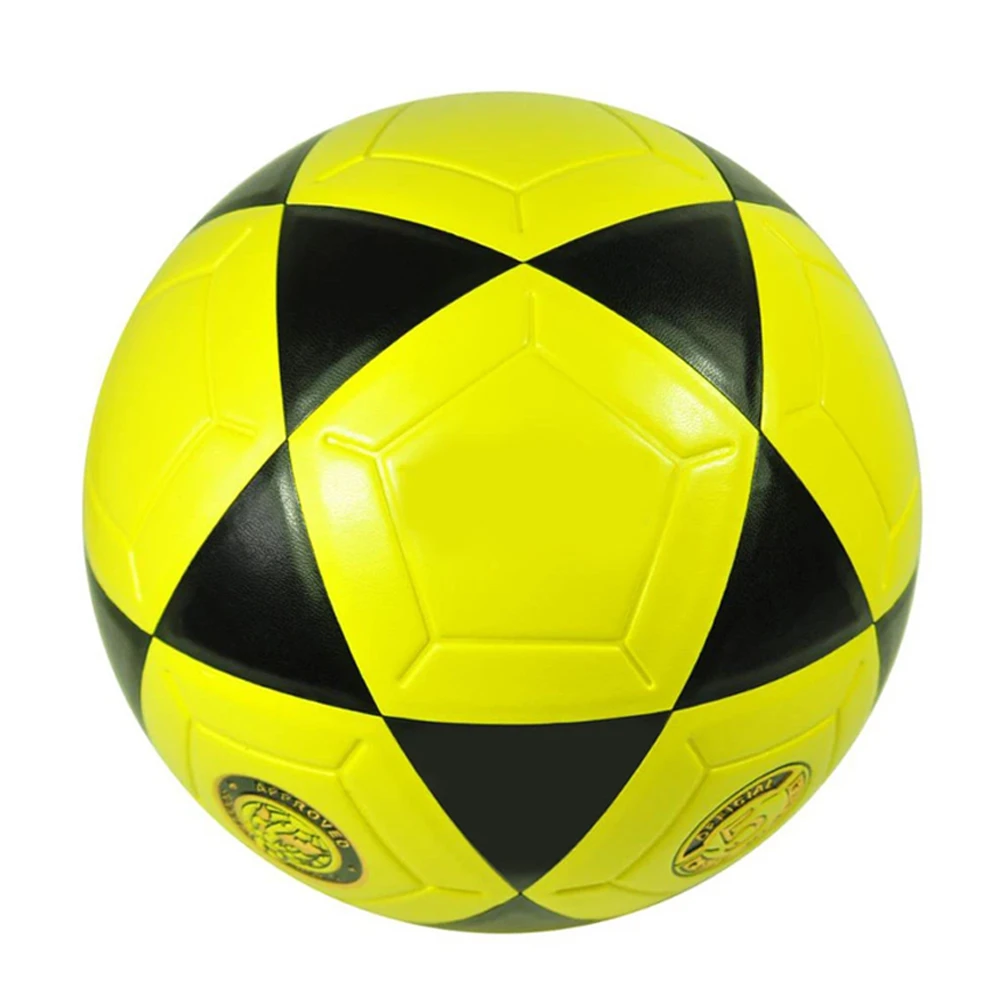
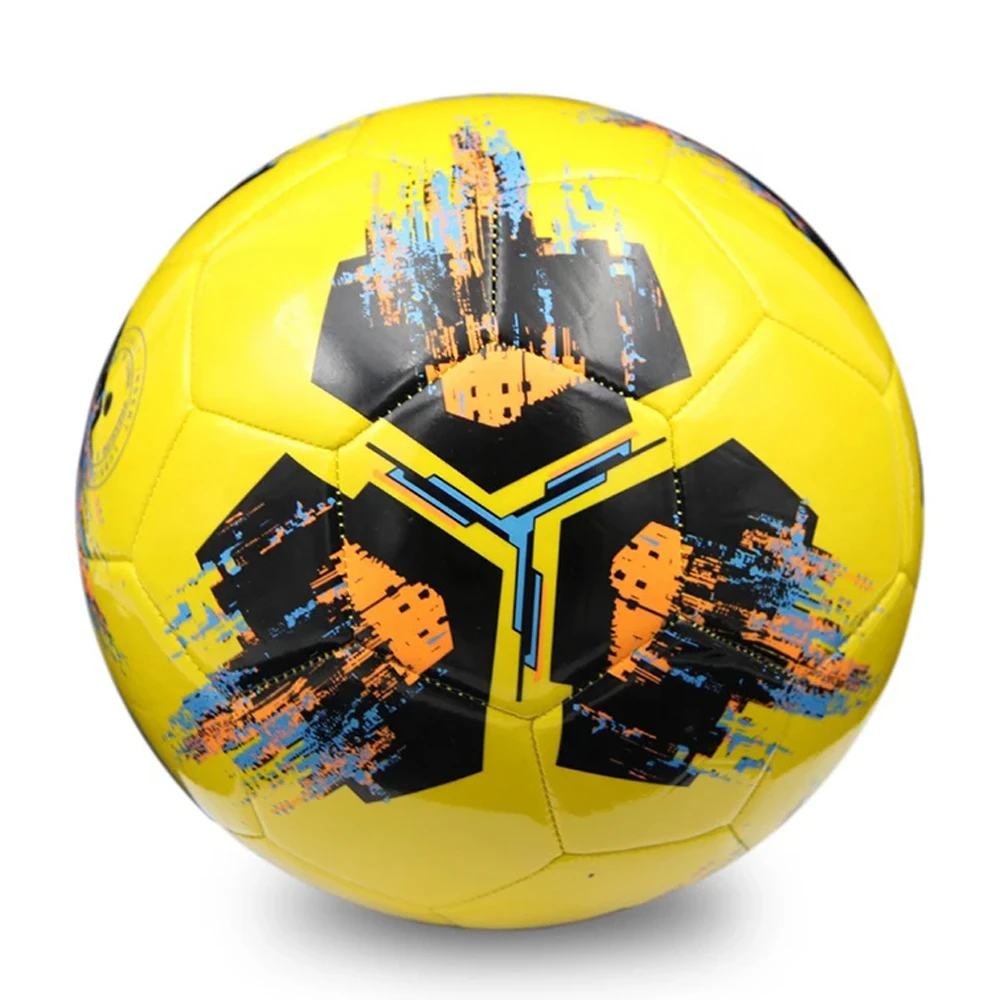
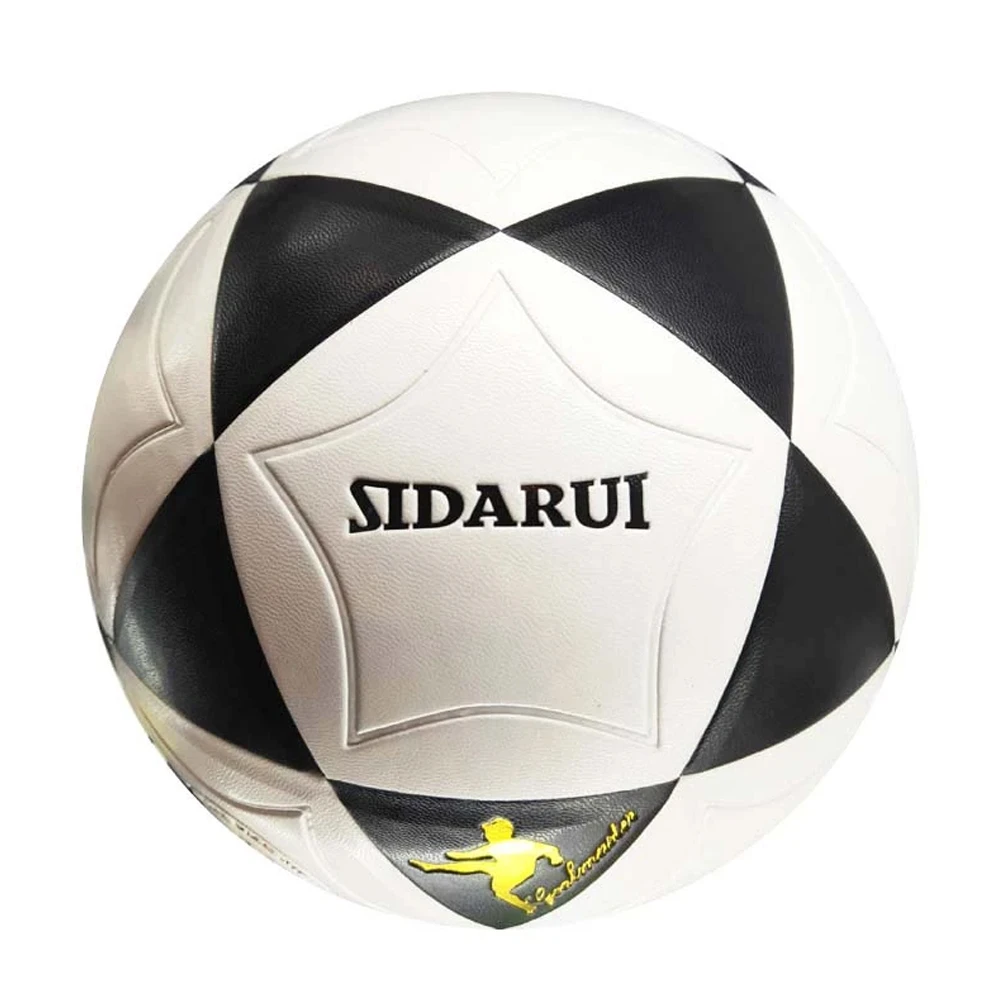
Size 5 training soccer ball color examples
Define the Workload Before Comparing Bulk Soccer Balls Size 5
Start with the training schedule rather than the supplier's price list. An academy running several sessions daily places different demands on its equipment from a community team training once a week. Identify the main playing surface, frequency of use, storage conditions, and number of players sharing each ball.
Separate general drills from sessions where matching the competition ball's behavior is especially valuable. Passing exercises, shooting practice, and match preparation may justify different purchasing priorities. A single model can simplify storage and maintenance, but it should earn that position through evaluation rather than convenience alone.
Write these priorities into the inquiry. For example, ask suppliers to recommend a model for repeated training on the specified surface and explain which construction details support that use. This gives competing quotations a common purpose. Without that brief, buyers may receive proposals for products that share a size label but belong to different performance and price categories.
Evaluate Training Footballs Size 5 as a Group
Testing one attractive sample tells a buyer little about consistency across a training fleet. Request several samples of the proposed construction, where practical, and identify whether they represent normal production or a specially prepared development sample. Record each sample's identification before the evaluation begins.
Inflate the balls according to the model's instructions, using the same pressure gauge and allowing comparable conditioning time. Compare circumference, weight, roundness, rolling behavior, and rebound under consistent conditions. Numerical acceptance limits should be agreed with the supplier rather than invented after the shipment arrives.
Then involve the people who will use the equipment. Coaches can compare short passing, receiving, and shooting across the samples without being told which one costs more. Ask whether differences are noticeable enough to disrupt drills. A ball that performs well individually may still be unsuitable if its behavior varies significantly from the rest of the proposed batch.
Look Beyond the Cover of a Soccer Ball Size 5
The cover material is useful information, but it does not describe the complete ball. Backing layers, internal construction, bladder selection, valve installation, and panel assembly can all affect the finished product. Two balls described with the same material abbreviation may feel quite different.
Starry lists a machine-stitched size 5 training soccer ball with a PU/PVC cover description. Buyers considering that product should confirm the exact cover specification and construction offered in their quotation, rather than assuming the listing describes one universal material combination.
Request a written specification for the sampled version. It should identify the agreed material, size and weight tolerances, intended use, inflation guidance, and relevant construction details. If the supplier proposes an alternative to reduce cost, ask what changes. A lower quotation is easier to assess when the buyer knows whether it reflects different packaging, artwork, materials, or internal components.
Compare Wholesale Soccer Balls Size 5 by Usable Cost
Unit price is only one part of the purchasing decision. Freight, packaging, inspection, warehouse handling, inflation work, and replacement requirements also affect the cost of putting usable balls into service. Compare quotations on the same delivery and packaging basis before judging the apparent savings.
For a fair comparison, request the same quantity, delivery terms, and packing format from each bidder. Record optional extras separately. Otherwise, a quotation that excludes individual packaging or includes fewer printed colors may appear cheaper even though it does not meet the same purchasing brief.
A practical measure is the total acquisition cost divided by the number of accepted, usable balls. For ongoing evaluation, add maintenance time and replacement purchases over a defined period. This helps procurement teams distinguish a low initial price from a genuinely economical training option.
Keep the assumptions visible. Do not assign a long service life to a product simply because its description says "durable." Use sample trials and records from actual use to improve future estimates. If two models have similar purchase prices, easier pressure maintenance or more consistent delivery quality may influence the decision more than a small discount.
Turn Bulk Buy Footballs Size 5 into a Repeatable Program
Once a model is approved, preserve an identifiable reference sample and the final written specification. Record approved artwork, packaging, inflation instructions, and inspection requirements alongside the purchase order. This creates a shared reference when staff change or the next order is placed.
Plan replenishment around the training calendar. Count balls in active use, serviceable reserves, and items awaiting assessment separately. A pile of equipment in storage is not reliable inventory information. Knowing how many balls are genuinely available helps avoid both emergency purchases and unnecessary stock.
Finally, review results after a defined period of use. Track recurring issues by model and batch, including pressure complaints, surface damage, and shape concerns. Discuss patterns with the supplier before reordering. The strongest bulk purchasing program is built through this feedback loop: specify the workload, approve representative samples, inspect deliveries, and use operating evidence to refine the next order.
For a club expanding its training capacity, that approach also makes scaling easier. New teams receive an established specification, warehouse staff follow familiar checks, and purchasing decisions depend less on individual memory. Consistency becomes part of the buying process rather than a hopeful expectation attached to the carton.