Sep . 23, 2026 15:47
Football is one of the most widely used sports products in schools, clubs, academies, training centers, sporting events, retail stores, and promotional programs. For businesses purchasing footballs in larger quantities, product consistency, customization options, material selection, and reliable supply are often more important than simply finding a standard ball at the lowest price. A professional supplier can provide different specifications and designs to meet the needs of different markets.
From match balls and training footballs to promotional products and customized team balls, buyers can choose solutions according to their application and target customers. For wholesalers, distributors, sports retailers, and organizations, flexible purchasing options also make it easier to develop product lines for different customer groups.

How Football Wholesale Solutions Support Different B2B Sports Markets
Football wholesale purchasing allows distributors, retailers, sports organizations, and commercial buyers to source footballs in quantities that match their business requirements. Instead of purchasing individual products from multiple sources, buyers can work with a professional manufacturer or supplier to manage product specifications, packaging, branding, and delivery within one supply program.
Wholesale footballs can be produced for different applications. Training centers may require durable balls designed for repeated practice, while schools and clubs may need products suitable for regular team activities. Retailers can also select different price levels, materials, sizes, colors, and surface designs to create a broader product range.
For B2B buyers, product consistency is another important consideration. When a large order is placed, maintaining consistent dimensions, printing, stitching, panel construction, and surface finishing can help businesses provide a more stable experience to their customers. Suppliers with established production processes can also support repeat orders when buyers need to replenish inventory.
Packaging can be adjusted according to market requirements as well. Individual boxes, bulk packaging, branded packaging, or customized labels may be available depending on the supplier and order specifications. This gives distributors greater flexibility when preparing products for local sales channels.
A professional football wholesale program can therefore support more than simple product purchasing. It can become part of a broader sourcing strategy that covers product selection, customization, packaging, quality control, and long-term supply.
Why Football Bulk Purchasing Can Benefit Distributors and Retailers
Football bulk purchasing is commonly used when buyers need a larger quantity of products for retail distribution, sports programs, tournaments, schools, training camps, or promotional activities. Purchasing in bulk can simplify procurement and provide buyers with a more organized way to manage inventory.
Different buyers have different volume requirements. A sporting goods retailer may need several models for its store, while a football academy may require a consistent batch of training balls for daily practice. Event organizers may also order customized footballs with logos, event names, or sponsor information.
When evaluating football bulk orders, buyers should look beyond quantity. Important considerations include material quality, ball construction, size, weight, bladder type, surface texture, printing durability, and intended playing environment. These factors can influence how a football performs during training, competition, or recreational use.
Bulk purchasing can also make customization more practical. When a buyer needs team logos, company branding, promotional graphics, or specific color combinations, larger order quantities may provide more opportunities to develop a customized product program.
For international buyers, communication about packaging, shipping marks, carton dimensions, production schedules, and inspection requirements is equally important. Clear specifications before production can reduce misunderstandings and help both sides manage large orders more efficiently.
Choosing All Kinds of Football for Different Playing Applications
Modern buyers often need all kinds of football products rather than a single standard model. Different playing environments and customer groups can require different football specifications, which is why a diverse product portfolio can be valuable for wholesalers and distributors.
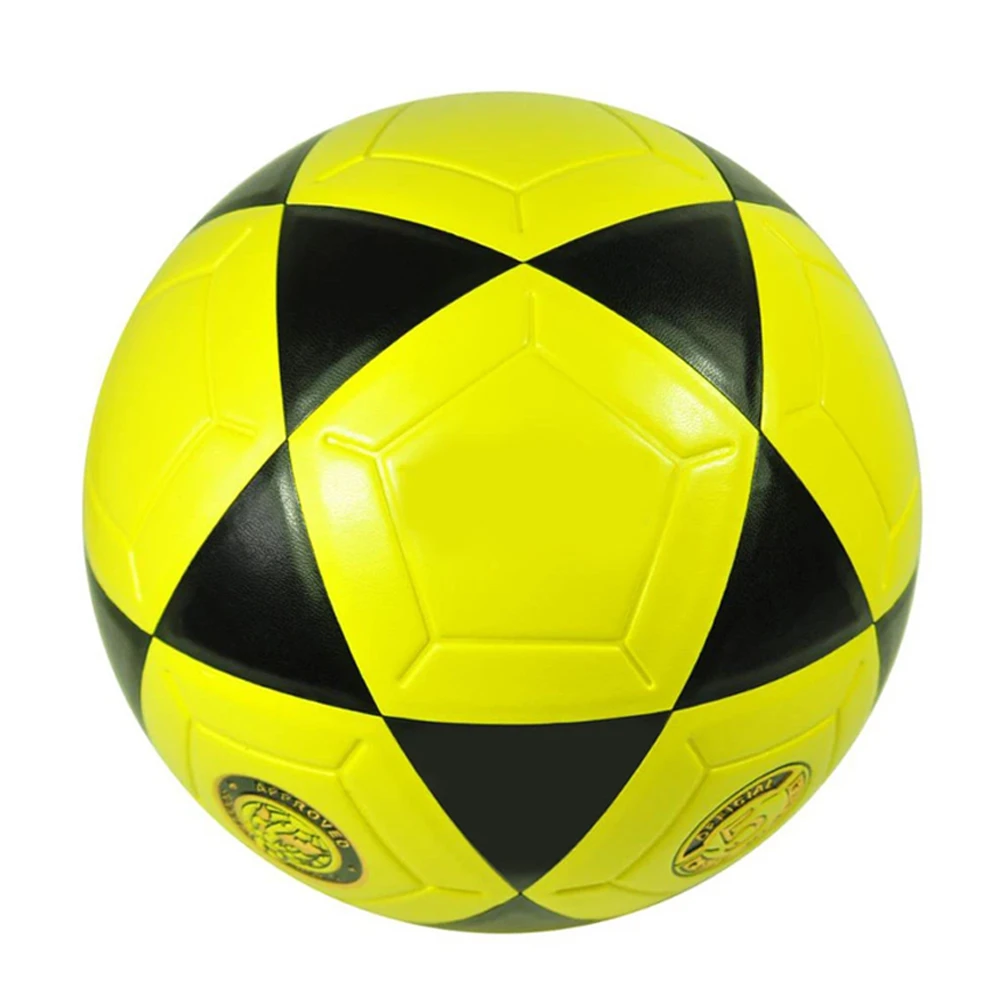
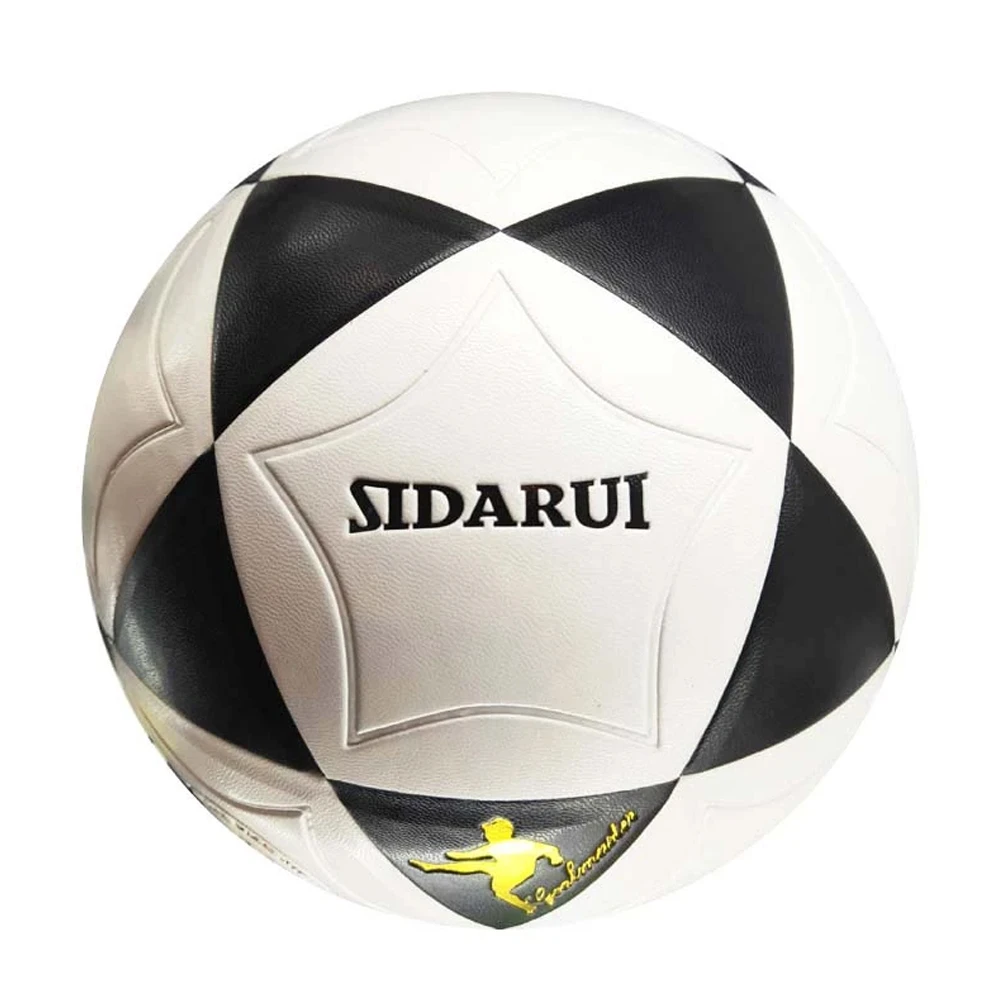
Match footballs are generally developed for organized games and may focus on controlled flight, surface consistency, and professional-style construction. Training footballs are designed for repeated use and are commonly selected by schools, clubs, academies, and recreational programs.
Youth footballs are another important category. Smaller sizes can be used by younger players who require equipment that corresponds to their age and playing ability. Futsal footballs, meanwhile, are designed for indoor environments and have different construction characteristics from traditional outdoor footballs.
Material selection also provides different product possibilities. PU footballs can offer a soft and responsive surface, while PVC models are often considered for cost-conscious applications. Rubber footballs may be suitable for outdoor training and recreational activities where durability and practical use are important.
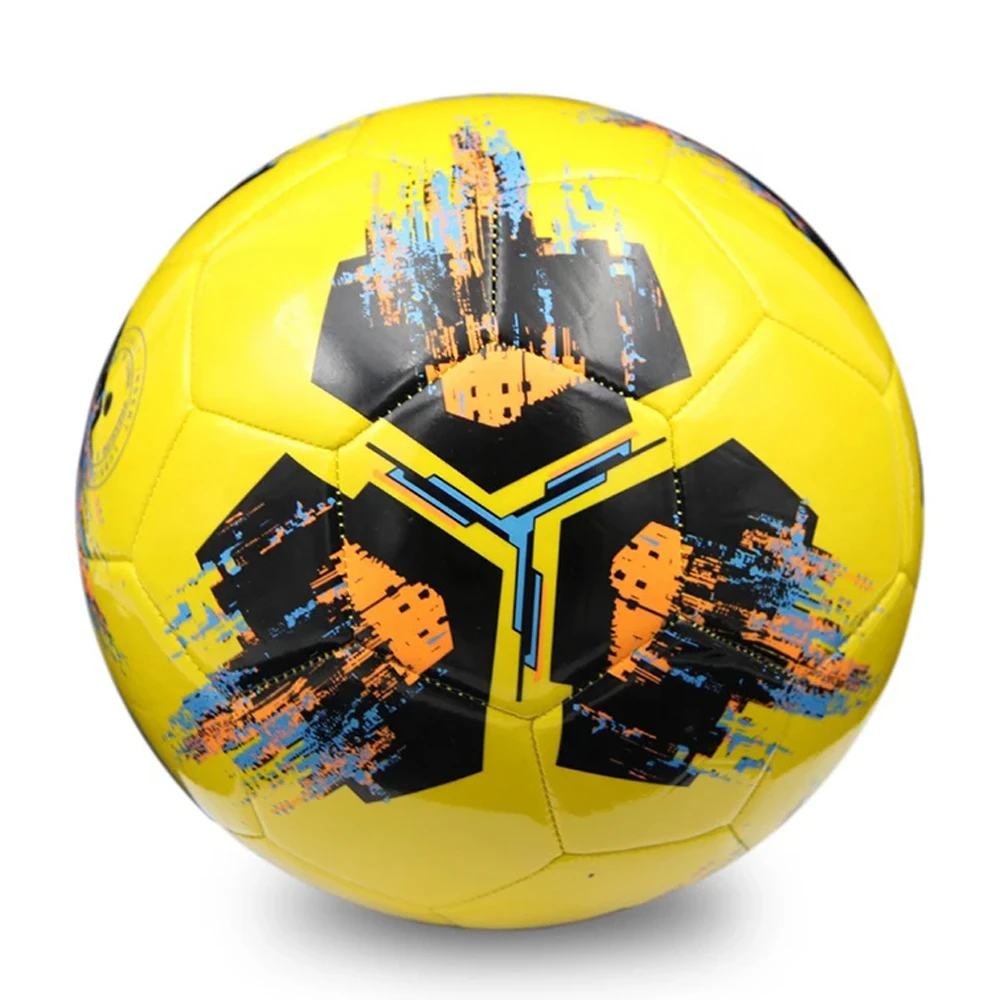
Buyers can also consider machine-stitched, hand-stitched, or other construction methods according to the intended market. Color combinations, graphic patterns, surface textures, and branding can further differentiate products.
Offering all kinds of football products enables distributors to serve multiple customer segments instead of depending on a single product category. A well-planned product portfolio can include training, match, youth, recreational, promotional, and customized footballs.
How ODM Football Services Help Create Customized Sports Products
ODM football services provide another option for businesses that want to develop products based on their own market requirements. Unlike purchasing a standard model, ODM cooperation can allow buyers to work with manufacturers on product appearance, specifications, materials, branding, packaging, and other details.
For sports brands and distributors, ODM can be useful when developing a distinctive product range. Buyers may provide requirements for colors, patterns, logos, surface designs, or packaging, while the manufacturer applies its production experience to turn those requirements into a finished football.
ODM development can also support different target markets. For example, a retailer may want a visually distinctive football for promotional sales, while a sports organization may require a customized ball carrying its team identity. Schools, academies, clubs, and event organizers can similarly create products that reflect their own branding.
Before beginning an ODM project, buyers should communicate important technical details clearly. These may include football size, material, construction method, bladder specifications, surface requirements, logo placement, printing method, packaging, and expected order quantity. Samples can also help confirm the design and product specifications before mass production.
A reliable ODM partner should be able to coordinate product development and manufacturing while maintaining consistent quality during larger production runs. This makes ODM football solutions particularly relevant for companies looking to build a recognizable sports product line rather than simply resell generic products.
Building a Reliable Football Supply Program for Long-Term Growth
For international football buyers, successful sourcing involves more than selecting an attractive product. A reliable supply program should consider product quality, customization capability, production capacity, communication, packaging, inspection, and delivery arrangements.
Wholesale and bulk purchasing can help distributors maintain inventory across different product categories, while ODM services can support the development of customized products for specific markets. At the same time, a broad selection of footballs gives buyers more flexibility when serving schools, clubs, retailers, academies, events, and recreational users.
When comparing suppliers, buyers should request detailed product specifications and confirm the available customization process before placing an order. It is also useful to clarify minimum order quantities, sample procedures, production lead times, packaging options, quality inspection standards, and after-sales communication.
By combining a suitable product range with flexible customization and dependable manufacturing support, businesses can develop a football sourcing strategy that responds to changing market needs. Whether the goal is wholesale distribution, bulk procurement, private-label development, or customized sports programs, the right manufacturing partner can provide a practical foundation for long-term business growth.