Nov . 13, 2026 16:12
Volleyball is a widely enjoyed sport that requires suitable equipment to support player performance, comfort, and safety. Whether used in professional competitions, school training programs, sports clubs, or recreational activities, the quality and design of a volleyball can directly influence the playing experience. With different materials, construction methods, and performance characteristics available, buyers need to understand which products best match their requirements.
For sports equipment distributors, wholesalers, retailers, and private-label brands, offering a diverse selection of volleyballs is also an effective way to reach different customer groups. Some players prefer the traditional feel of leather volleyballs, while beginners may benefit from softer alternatives. Understanding the different types of volleyball available on the market can help buyers make informed purchasing decisions and select products with the right balance of comfort, durability, and performance.

What Makes a Leather Volleyball Suitable for Regular Training and Competition?
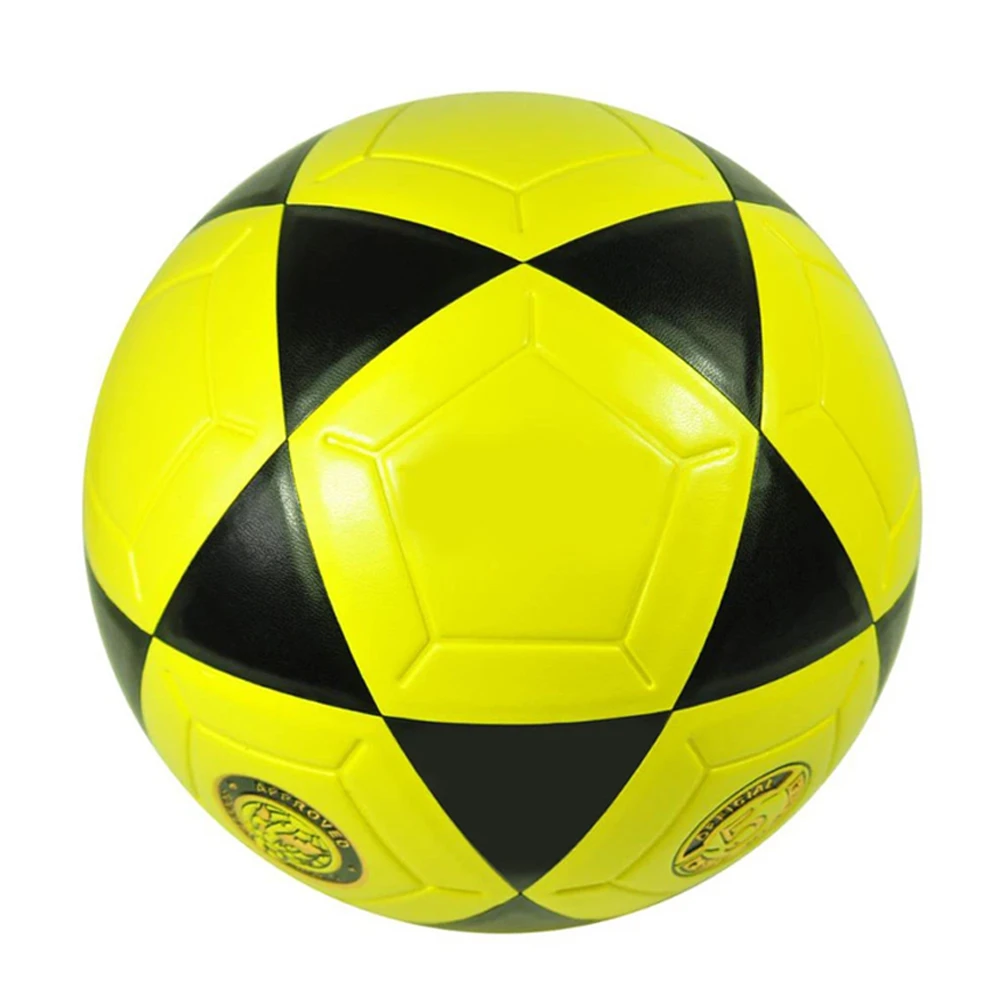
A leather volleyball is a popular choice among players who value a comfortable surface, reliable grip, and consistent ball control. Traditionally, leather volleyballs have been associated with organized sports and indoor playing environments because of their tactile properties and ability to provide a familiar contact experience.
Modern volleyball production uses both genuine leather and synthetic leather materials. Synthetic leather is particularly common because it can offer a similar appearance and playing feel while providing additional flexibility in manufacturing, maintenance, and cost control. PU synthetic leather is widely used in sports equipment production due to its soft texture, smooth finish, and suitability for repeated contact.
One important advantage of leather-style volleyballs is their surface performance. A well-designed outer layer helps players control the ball when performing serves, passes, sets, and spikes. The surface texture can also contribute to a stable grip, allowing players to develop more consistent techniques during training sessions.
Construction quality is another consideration. A volleyball generally consists of an outer cover, internal lining, and bladder. These components work together to maintain the ball's shape, rebound characteristics, and air retention. Whether the panels are machine-stitched, hand-stitched, or bonded, consistent manufacturing is important for achieving balanced performance.
Leather volleyballs are suitable for sports clubs, schools, training centers, and retailers looking for products that combine appearance and functionality. When purchasing in bulk, buyers should check the material specifications, panel construction, circumference, weight, and available customization options.
For sports brands and wholesalers, customized leather volleyballs can also create additional market opportunities. Manufacturers offering OEM and ODM services may support customized logos, colors, surface patterns, and packaging to help businesses develop distinctive product collections.
Why Is a Soft Volleyball Ideal for Beginners and Recreational Players?
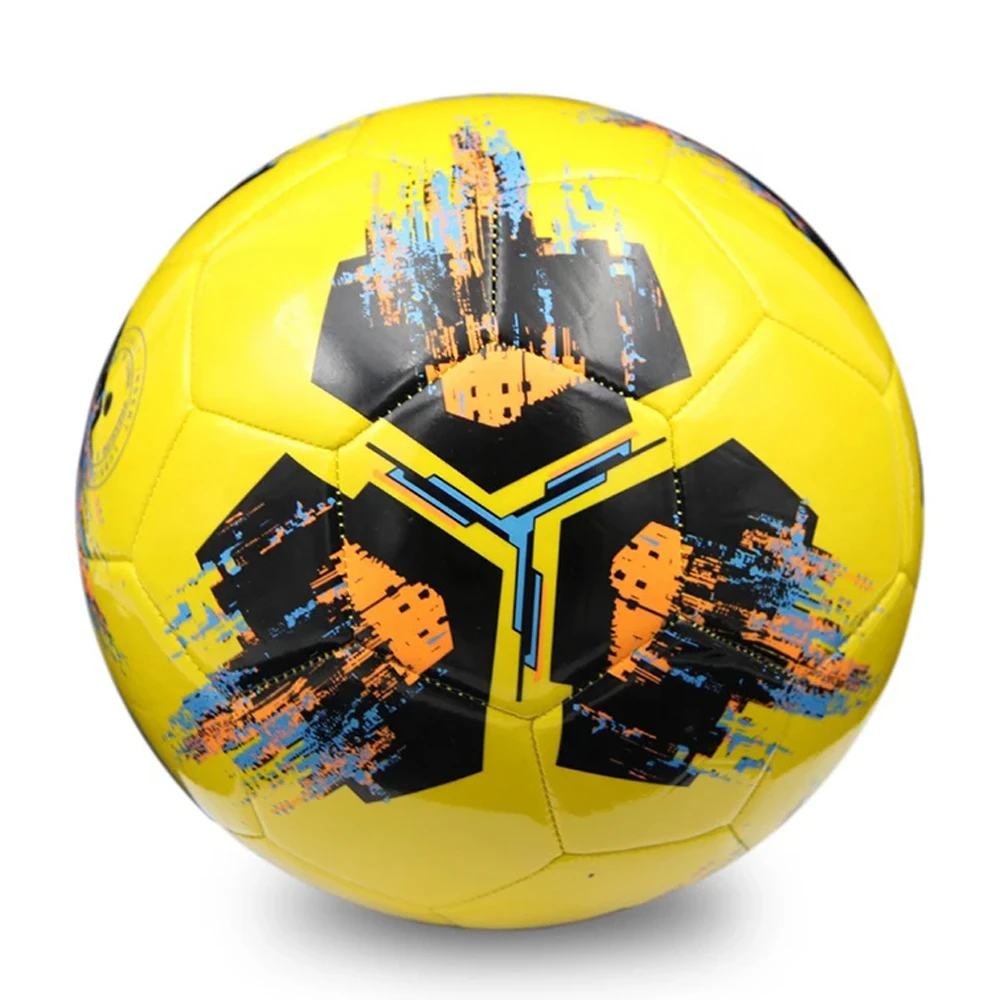
A soft volleyball is designed to provide a more comfortable contact experience, making it an attractive option for beginners, children, and recreational players. Learning volleyball requires repeated contact with the arms and hands, especially when practicing fundamental techniques such as passing, setting, and receiving. A softer surface can help reduce discomfort and encourage new players to participate more confidently.
The materials used in soft volleyball production have a significant influence on their performance. PU and specially designed synthetic materials are commonly selected for their flexibility and comfortable surface feel. Some models may incorporate additional cushioning layers to create a softer contact experience. These features make them suitable for introductory training and recreational sports programs.
Another advantage is their versatility. Schools can use soft volleyballs during physical education classes, while sports academies can introduce them in beginner training sessions. Families and casual players may also prefer softer models for friendly games, provided the ball is appropriate for the playing environment.
However, softness should be balanced with other performance characteristics. A good soft volleyball should maintain its shape, provide reasonable rebound consistency, and retain air effectively. Buyers should avoid choosing products based solely on how soft they feel, as ball construction and overall quality remain important.
When selecting soft volleyballs for commercial distribution, it is useful to consider different sizes, colors, weights, and material options. These product variations allow retailers to serve customers with different ages, skill levels, and playing preferences.
For manufacturers, developing soft volleyball collections with attractive designs and reliable construction can help expand product coverage in the school sports, recreational equipment, and beginner training markets.
What Are the Different Types of Volleyball Available on the Market?
Understanding the different types of volleyball is essential for buyers who want to select appropriate equipment for various sports environments. Volleyballs can be categorized according to their materials, construction methods, and intended applications. Each category offers different characteristics, making product selection an important part of purchasing and distribution decisions.
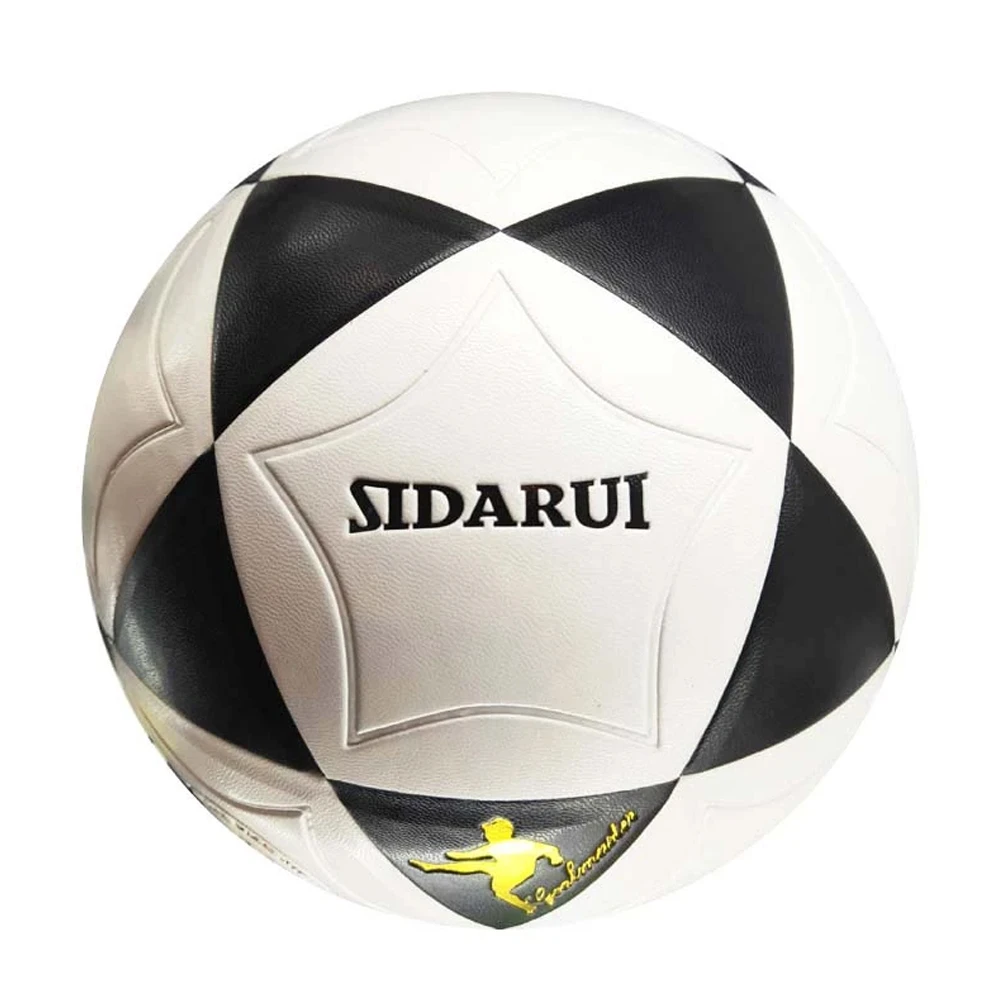
Material is one of the most noticeable differences. PU volleyballs are valued for their soft touch and comfortable handling, while PVC volleyballs are often selected for their affordability and practical performance in recreational applications. Rubber volleyballs provide another option for general sports activities and environments where durability is a priority. Synthetic leather volleyballs are also widely available for users seeking a leather-like surface and consistent handling characteristics.
Volleyballs can also be classified by their playing applications. Indoor volleyballs are generally designed with surface materials and construction features suitable for indoor courts. They are commonly used by professional teams, sports clubs, and schools. Outdoor volleyballs may feature materials selected to withstand more frequent exposure to different playing surfaces and environmental conditions.
Training volleyballs are designed for repeated practice and skill development. Depending on the target players, they may emphasize durability, comfortable contact, or consistent rebound. Beginner volleyballs often prioritize ease of handling, while competition-oriented models focus on standardized specifications and predictable performance.
Size is another important classification. Standard adult volleyballs generally have a circumference of approximately 65–67 cm and a weight of around 260–280 g. Youth and training products may offer alternative specifications to accommodate different age groups and skill levels.
For wholesalers and sporting goods retailers, carrying several types of volleyball can help attract a wider customer base. A product range covering PU, PVC, rubber, soft-touch, and synthetic leather options provides flexibility when serving schools, clubs, sports organizations, and individual consumers.
How to Evaluate Volleyball Quality Before Placing a Bulk Order
Regardless of the material or category, buyers should evaluate several important factors before purchasing volleyballs in large quantities. First, inspect the outer cover for surface consistency, material flexibility, and resistance to everyday wear. A well-finished surface should not have obvious defects, uneven panel alignment, or loose stitching.
Second, check the bladder and air retention performance. The bladder should help maintain the ball's shape and provide stable inflation. Consistent rebound characteristics are particularly important for training institutions and sports clubs that use volleyballs frequently.
Third, consider the intended playing environment. Indoor training products may have different requirements from outdoor recreational volleyballs. Choosing materials and construction methods according to the actual application can improve product lifespan and customer satisfaction.
Finally, evaluate the manufacturer's production capacity, quality inspection procedures, customization services, and delivery arrangements. For distributors and private-label businesses, stable batch quality and flexible branding options are essential considerations when building a long-term supply relationship.
Conclusion
Selecting the right volleyball involves understanding material characteristics, playing applications, and product construction. A leather volleyball offers a familiar surface and reliable handling, while a soft volleyball provides comfortable contact for beginners and recreational players. Exploring the different types of volleyball helps buyers identify suitable products for professional training, school programs, outdoor activities, and commercial distribution.
By evaluating product quality, intended use, and manufacturer capabilities, buyers can build a volleyball product range that meets different market requirements while delivering lasting value to their customers.