Nov . 13, 2026 16:15
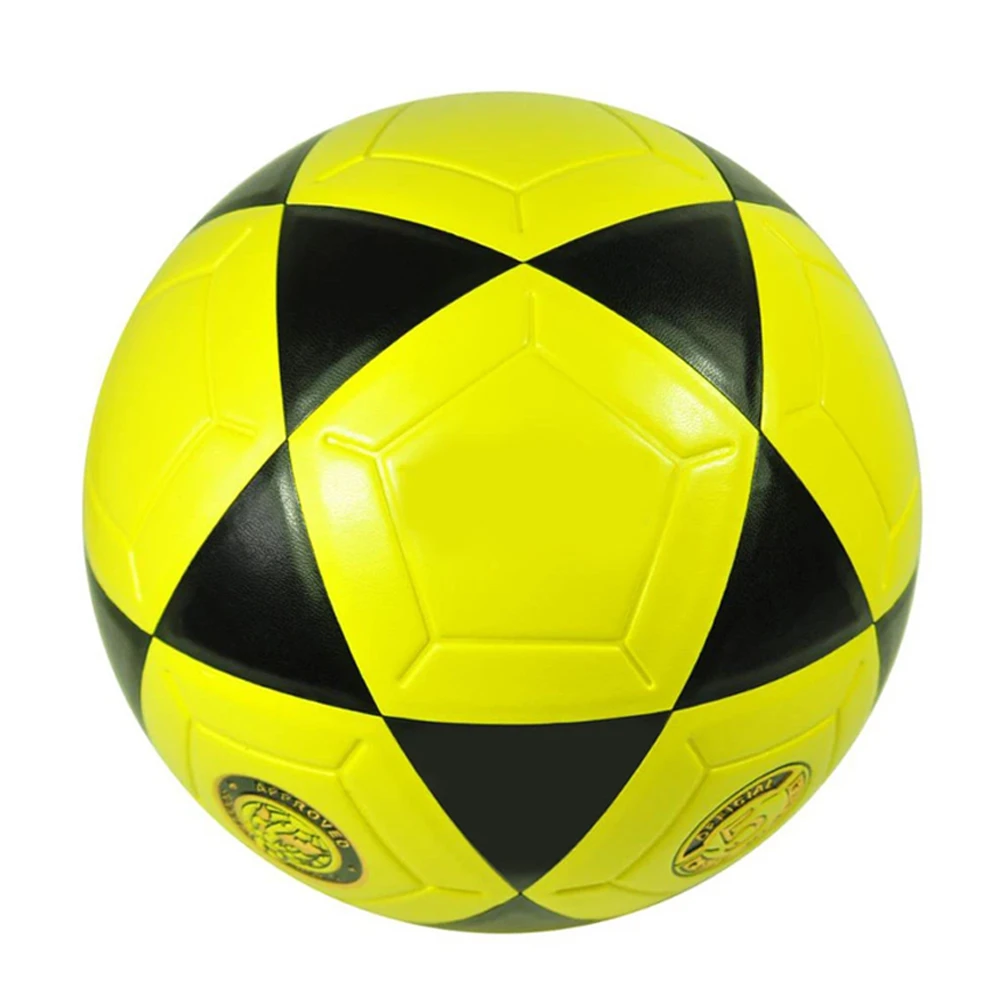
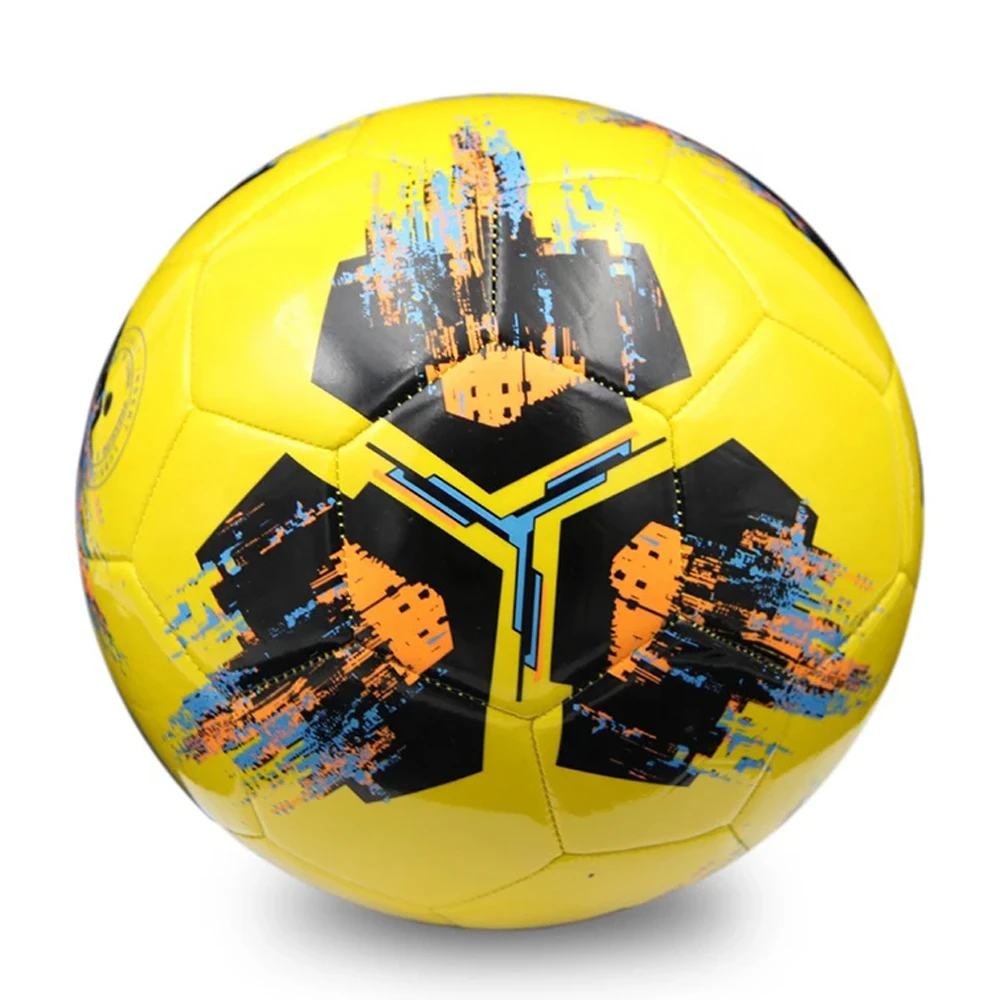
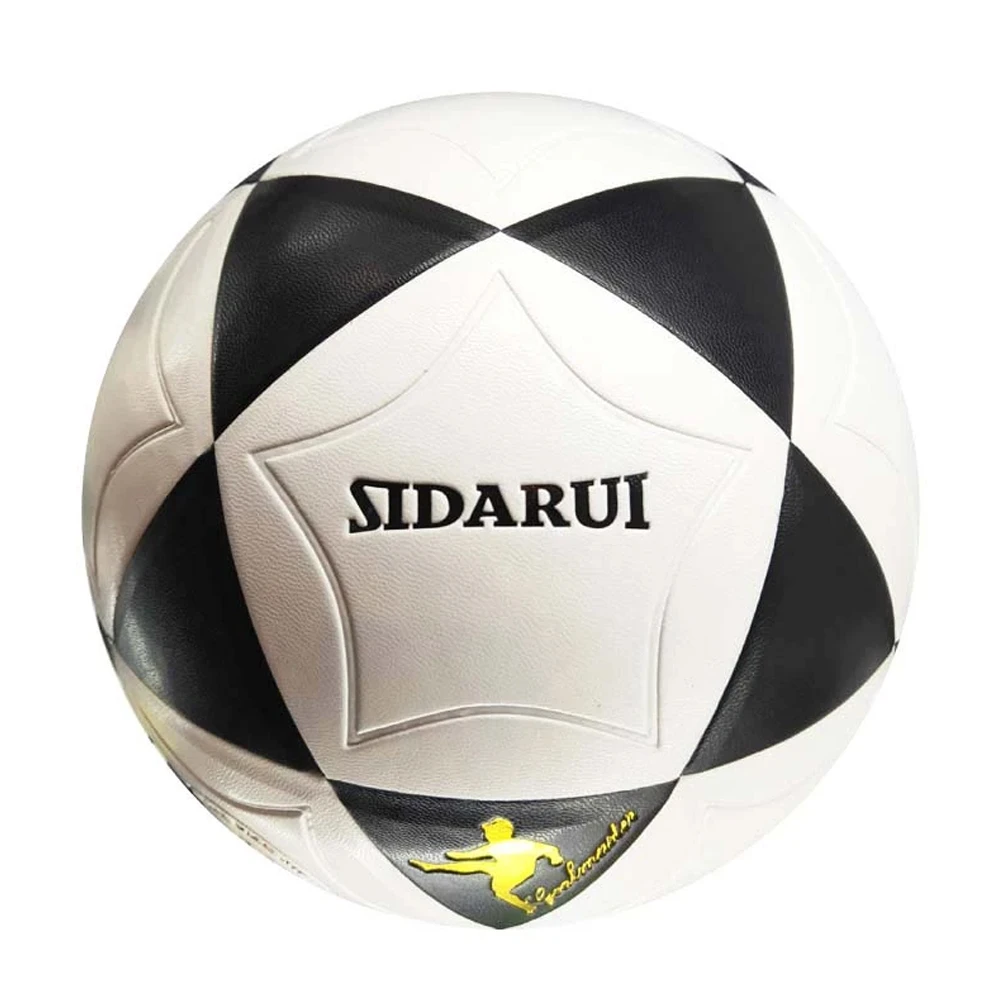
Football is widely used in schools, sports clubs, youth academies, community programs, and recreational activities. As demand for sports equipment continues to expand, retailers and distributors need football products that match different age groups, playing environments, and purchasing budgets. Buying footballs in bulk can help businesses maintain sufficient inventory, control procurement costs, and provide customers with more product choices. From standard training balls to mini footballs and youth-sized options, selecting the right specifications is essential for building a competitive product range. Understanding product applications, material quality, customization services, and supplier capabilities can help wholesale buyers make more effective sourcing decisions.

How to Choose the Right Football Wholesale Supplier for Your Business
Choosing a reliable football wholesale supplier is an important step for sports retailers, importers, distributors, and promotional product companies. A suitable supplier should offer more than competitive prices. Product consistency, manufacturing capacity, customization options, and delivery arrangements all influence the long-term value of a wholesale partnership.
The first consideration is product variety. Different customers have different requirements, so a supplier offering multiple football sizes, materials, and construction methods can provide greater purchasing flexibility. For example, retailers may need standard size 5 footballs for general players, smaller models for children, and specialized designs for training programs. A diverse product catalog makes it easier to serve several market segments through one supply channel.
Material and construction quality should also be carefully evaluated. Footballs may feature PU, PVC, rubber, or other synthetic outer materials. Their performance depends on the material grade, panel structure, bladder, lining, and stitching or bonding process. Buyers should request samples and examine surface finish, shape retention, inflation performance, and overall workmanship before confirming a large order.
For businesses developing their own sports brands, customization is another valuable service. Professional manufacturers may support custom colors, printed logos, team designs, packaging, and private-label production. These services help distributors create distinctive products and strengthen brand recognition. Before placing an order, buyers should also clarify minimum order quantities, production schedules, inspection procedures, and shipping terms.
Why Mini Footballs Bulk Purchasing Works for Schools and Promotional Events
Purchasing mini footballs bulk can be a practical solution for organizations that require large quantities of compact football products. Mini footballs are commonly used for promotional campaigns, school activities, football-themed events, recreational games, and sports merchandise. Their smaller dimensions make them easy to distribute, store, and carry, which can be particularly useful for event organizers and promotional suppliers.
Schools and youth organizations can use mini footballs for introductory sports activities and simple coordination exercises. They may also serve as participation gifts during school competitions, sports festivals, and community events. For brands and businesses, customized mini footballs can become memorable promotional items when printed with company logos, campaign graphics, or event information.
When ordering mini footballs in bulk, buyers should pay attention to size, material, inflation method, surface finish, and intended application. Some models are designed for casual kicking activities, while others are primarily decorative or promotional products. Confirming the product's intended use helps prevent mismatches between customer expectations and actual performance.
Customization requirements should be discussed early in the purchasing process. Buyers may need specific colors, logo positions, printing methods, or individual packaging. It is advisable to approve a sample before mass production, especially when artwork and brand colors need to remain consistent. Bulk buyers should also confirm whether the supplier can maintain uniform appearance and quality throughout the entire order.
What to Look for When Comparing Youth Footballs for Sale
The market for youth footballs for sale includes products designed for children, school teams, beginner training programs, and junior football clubs. Unlike standard adult footballs, youth models should be selected according to players' ages, physical development, and training requirements. Using an appropriate ball size can make basic football techniques easier to learn and encourage children to participate more confidently.
Size is one of the most important specifications. Size 3 footballs are commonly used by younger children, while size 4 models are frequently selected for youth training. Size 5 footballs are generally used in adult football and many standard competitive settings. However, age recommendations and competition requirements can vary, so schools and clubs should check the relevant guidelines before purchasing.
Material selection also affects the playing experience. A soft-touch outer cover may be preferred for introductory activities, while more durable materials can be useful for frequent training sessions. Buyers should consider whether the balls will be used on grass, artificial turf, playground surfaces, or indoor floors. The selected product should be suitable for the expected environment.
For retailers, offering a range of youth footballs in different sizes, colors, and price levels can attract families, coaches, and sports organizations. Clear product specifications help customers compare available options. Distributors can also consider customized youth footballs featuring school emblems, club logos, or team colors to support group purchases and organized training programs.
How Football Material and Construction Affect Wholesale Product Quality
Regardless of the target market, material and construction have a direct influence on a football's durability and performance. PU footballs are often selected for their soft touch and versatile surface options. PVC models can be suitable for entry-level and recreational markets where affordability is a major consideration. Rubber footballs may be considered for certain school and outdoor activities, depending on their construction and intended use.
The bladder is another important component because it affects air retention and shape stability. Butyl and latex are two commonly used bladder materials, each offering different characteristics. Buyers should ask manufacturers which bladder is used and how the complete ball is tested after production.
Panel construction also deserves attention. Machine stitching, hand stitching, and thermal bonding are different manufacturing approaches that can influence the ball's structure and appearance. There is no single construction method that is ideal for every application. The most appropriate choice depends on the product design, budget, and expected playing frequency.
For wholesale orders, consistent quality is often more important than choosing the lowest unit price. Buyers should establish clear specifications for size, weight, materials, printing, and packaging. They can also request inspection records or arrange sample testing to reduce the risk of receiving inconsistent products.
Building a Competitive Football Wholesale Product Range
A successful wholesale product range should address the needs of several customer groups rather than focus on one type of football. Standard footballs can serve general recreational and training markets, mini footballs can support promotional activities and events, and youth footballs can meet the needs of schools and junior clubs.
Working with a manufacturer that offers flexible production and customization can help businesses respond to different market demands. By evaluating supplier experience, product samples, quality control, and delivery capabilities, buyers can establish a more dependable sourcing process.
Whether purchasing football wholesale products for retail distribution, school programs, or sports events, the key is to match product specifications with actual customer requirements. Careful product selection and reliable supplier cooperation can support long-term business growth.