Sep . 23, 2026 15:50
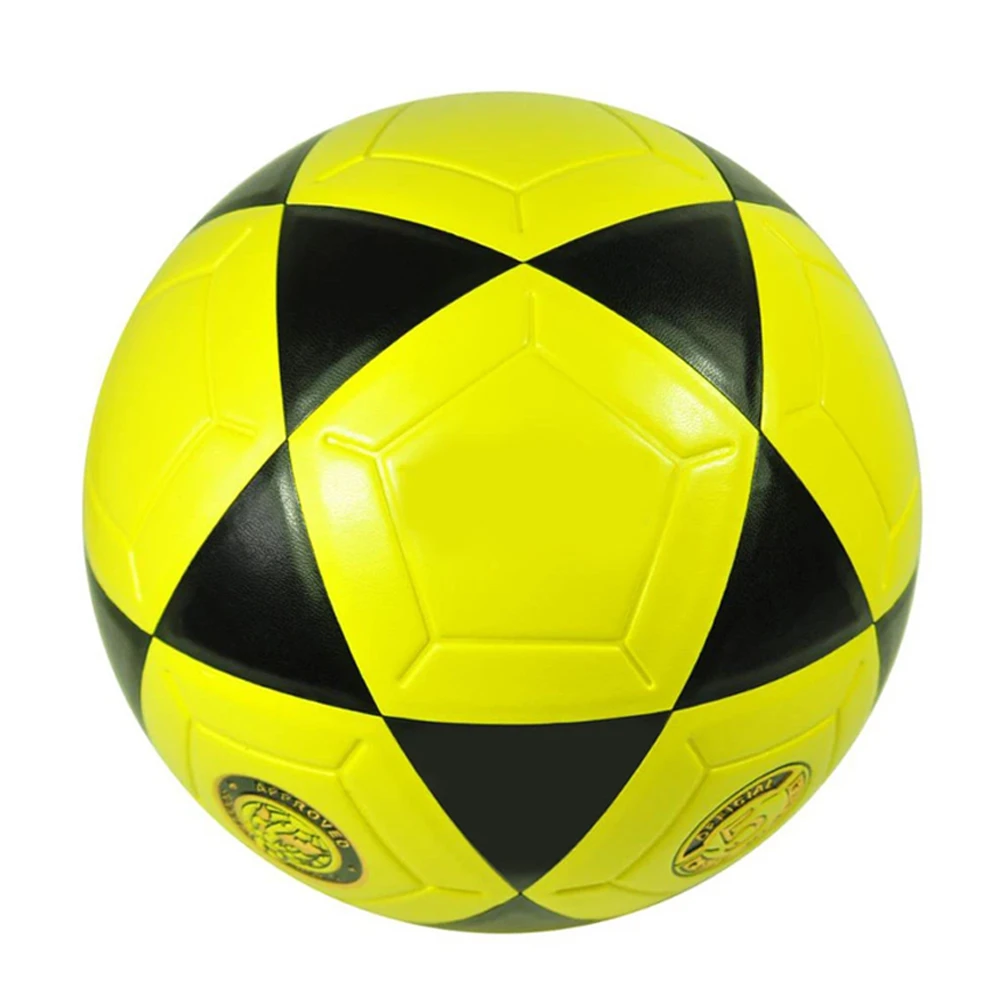
Mini footballs are becoming a practical choice for sports brands, clubs, schools, retailers, event organizers, and promotional businesses. Their compact size makes them easy to display, transport, distribute, and customize, while their football-inspired design keeps them connected to the excitement of the sport.
For businesses, mini footballs can serve several purposes. They can be used as promotional gifts, team merchandise, event souvenirs, training accessories, retail products, or branded giveaways. With suitable materials, construction methods, colors, and printing options, buyers can develop products that fit specific campaigns and target markets.
For B2B buyers, the focus should not only be on appearance. Product consistency, surface quality, customization accuracy, durability, packaging, and production capability are also important factors when developing a reliable mini football product line.

How Custom Mini Footballs Create More Opportunities for Sports and Promotional Brands
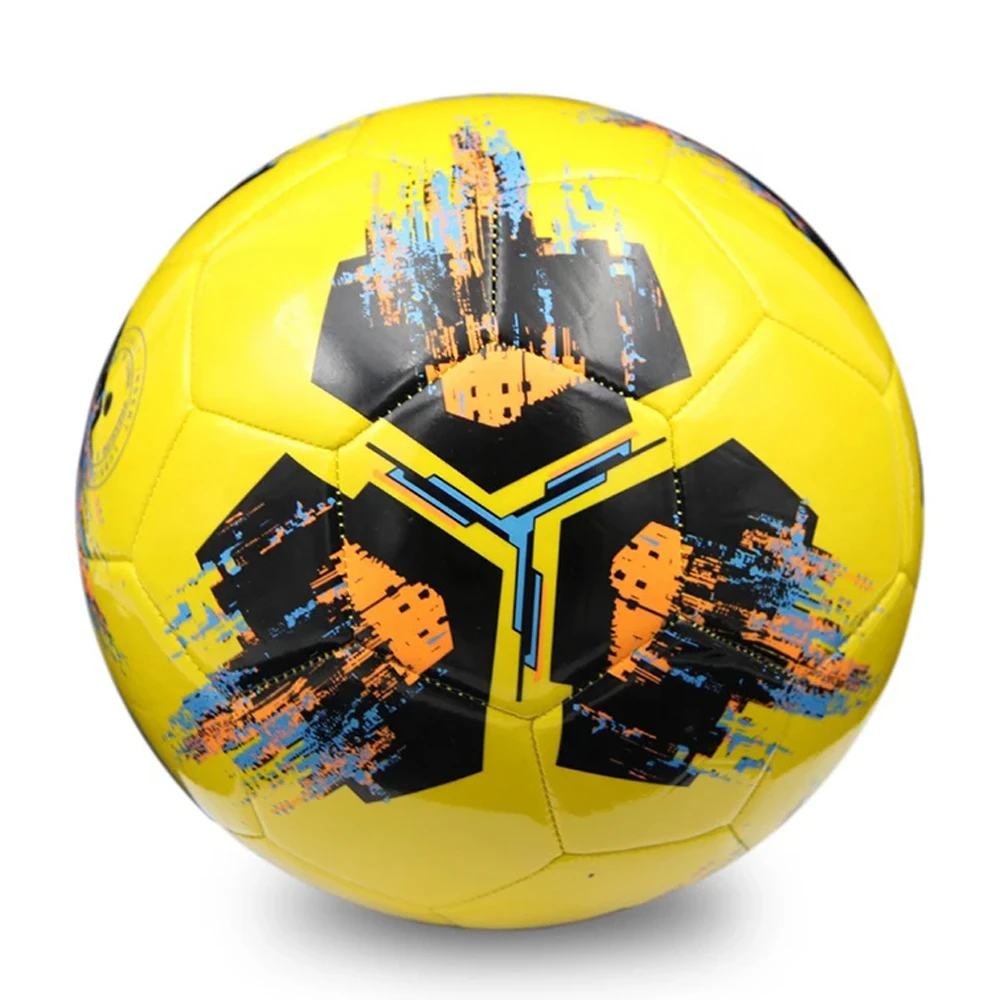
Custom mini footballs give businesses more flexibility to create products around a specific team, organization, event, campaign, or brand identity. Compared with standard football products, customized mini versions can be developed with specific colors, logos, graphics, patterns, and packaging requirements.
Sports clubs can use customized mini footballs as merchandise for supporters and youth programs. Schools and academies may use them during open days, tournaments, sports festivals, or promotional activities. Companies outside the sports industry can also use customized footballs as promotional products at exhibitions, customer events, and marketing campaigns.
The smaller format provides practical advantages for promotional use. Mini footballs are generally easier to transport and distribute than full-size footballs, making them suitable for large events where hundreds or thousands of promotional items may be required. They can also be displayed in retail stores, sports shops, gift stores, and branded merchandise sections.
Customization can extend beyond the football itself. Buyers may request branded cartons, individual boxes, printed bags, hang tags, or other packaging solutions depending on their target market. Consistent branding across the ball and packaging can create a more complete product presentation.
When developing custom mini footballs, buyers should provide clear requirements for size, material, surface design, logo position, colors, printing method, construction, and packaging. A sample approval process can help confirm the final appearance before mass production.
For businesses looking to develop promotional products with a strong sports connection, customized mini footballs can provide a flexible platform for combining branding with football-related visual appeal.
Why Mini Footballs with Logo Work Well for Teams, Events and Promotional Campaigns
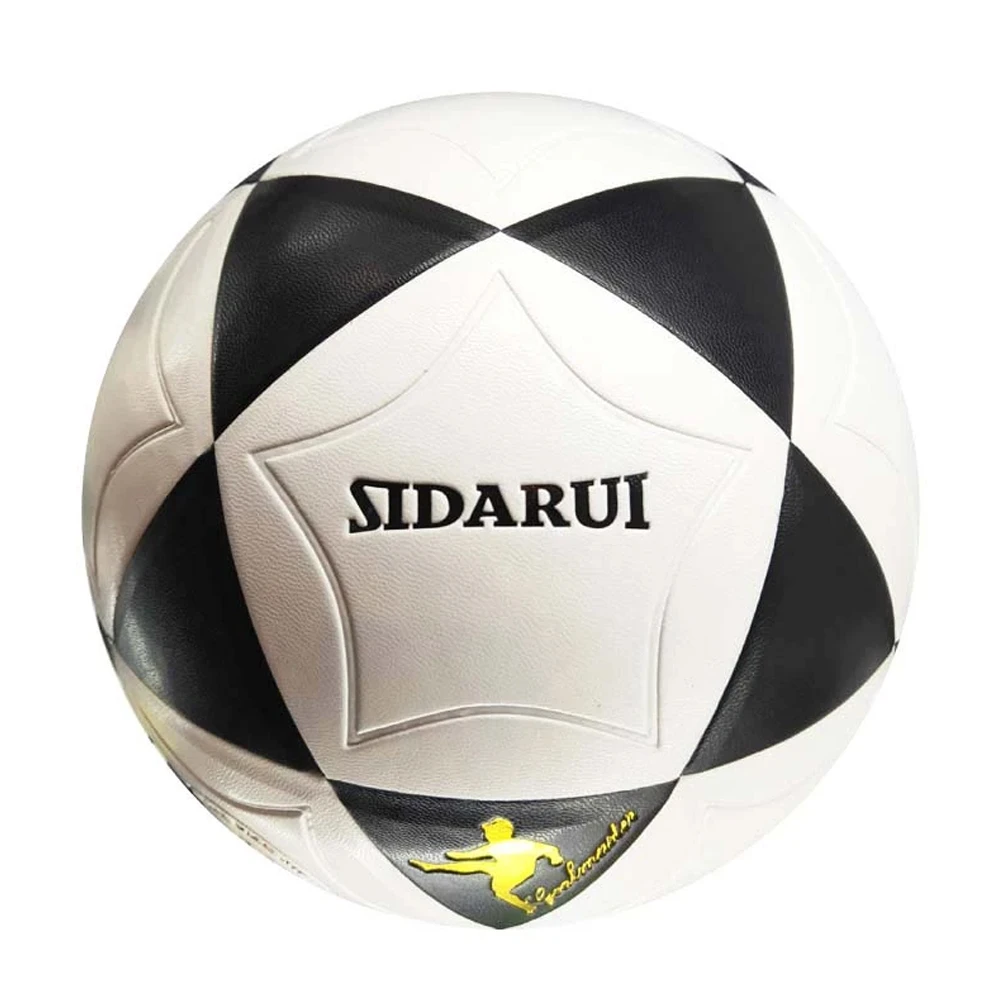
Mini footballs with logo offer a straightforward way to connect a physical sports product with a company's visual identity. A clearly presented logo can transform a standard mini football into a branded merchandise item that represents a team, business, organization, competition, or special event.
For football clubs, logo printing can help create supporter merchandise or products for youth teams. Tournament organizers can add event names, dates, sponsor information, or competition graphics. Sports academies can also use branded mini footballs as gifts for participants, coaches, and visitors.
Corporate buyers can approach the product from a promotional perspective. A branded mini football can be distributed at exhibitions, sporting events, community activities, product launches, or customer appreciation programs. Because the product is associated with football, it can also be suitable for companies involved in sports, fitness, education, entertainment, or youth activities.
Logo placement and printing quality deserve particular attention. Small products require appropriate artwork preparation so that logos, text, and graphic details remain recognizable after printing. Buyers should confirm the available printing area and provide high-resolution artwork before production.
Color matching is another consideration for businesses with established brand guidelines. The football surface, printing process, and selected colors should work together to maintain a consistent visual identity. If the product includes multiple panels or graphic elements, the manufacturer should also confirm how the artwork will be positioned during production.
Packaging provides another branding opportunity. A customized box or printed package can include the company logo, product information, campaign message, or event details. This can make the product more suitable for retail presentation and professional promotional distribution.
Whether ordered for a football academy, sporting event, retail collection, or corporate campaign, mini footballs with logo can combine practical product value with recognizable brand communication.
What Buyers Should Look for When Selecting a Good Quality Football
When purchasing promotional or retail products, buyers should pay attention to what defines a good quality football, especially when the product will be manufactured in large quantities. Quality is not determined by appearance alone. The construction, materials, surface, internal structure, and production consistency can all influence the final product.
One important factor is the outer material. Different materials can provide different surface characteristics, softness, durability, and price levels. Buyers should select the material according to whether the football is intended for display, promotional use, recreational play, training, or another application.
Construction is also important. Panel design and stitching or bonding methods can influence the appearance and structural consistency of the football. For customized products, the manufacturing process should also maintain accurate panel alignment so that printed graphics and logos appear correctly.
The bladder is another component worth considering because it affects air retention and the overall shape of the ball. Buyers should communicate their expectations clearly and confirm the specifications with the manufacturer before production.
Surface finishing should also be checked. A consistent surface can improve the appearance of the product and provide a more uniform base for printed graphics. For branded footballs, printing quality is particularly important because unclear logos or uneven graphics can reduce the professional appearance of the finished product.
Quality control becomes even more important for larger orders. Buyers can discuss sample approval, production inspections, dimensional checks, appearance inspections, logo accuracy, packaging requirements, and random sampling procedures with the supplier.
A good quality football product should ultimately match its intended application. A promotional mini football does not necessarily need the same specifications as a professional match ball, but it should still meet the buyer's agreed requirements for materials, construction, appearance, and consistency.
Developing a Flexible Mini Football Product Line for Different Markets
For wholesalers, sports brands, retailers, and promotional companies, mini footballs can be developed into a broader product category rather than a single standardized item. Different sizes, materials, colors, patterns, logos, and packaging formats can help businesses create products for different customer groups.
A retailer may focus on colorful designs for children and casual football fans, while a professional club may prefer products based on its official team colors and identity. Event organizers may require customized designs for specific competitions, while corporate buyers may want products centered around a company logo or promotional message.
Product diversification can also help businesses respond to different price levels. Basic models can be used for promotional campaigns, while more refined materials and customized packaging can support premium merchandise programs.
Before placing a large order, buyers should evaluate samples and confirm all specifications in writing. Important details may include product dimensions, materials, construction method, logo artwork, colors, packaging, minimum order quantity, production time, and inspection requirements.
A manufacturer with flexible customization capabilities can help buyers turn these requirements into a consistent finished product. With the right combination of design, branding, materials, and production control, mini footballs can support sports merchandise, promotional campaigns, events, retail programs, and branded activities across different markets.