Mar . 19, 2026 03:18
Choosing the Right Match Soccer Ball Size 5: A Comprehensive Guide
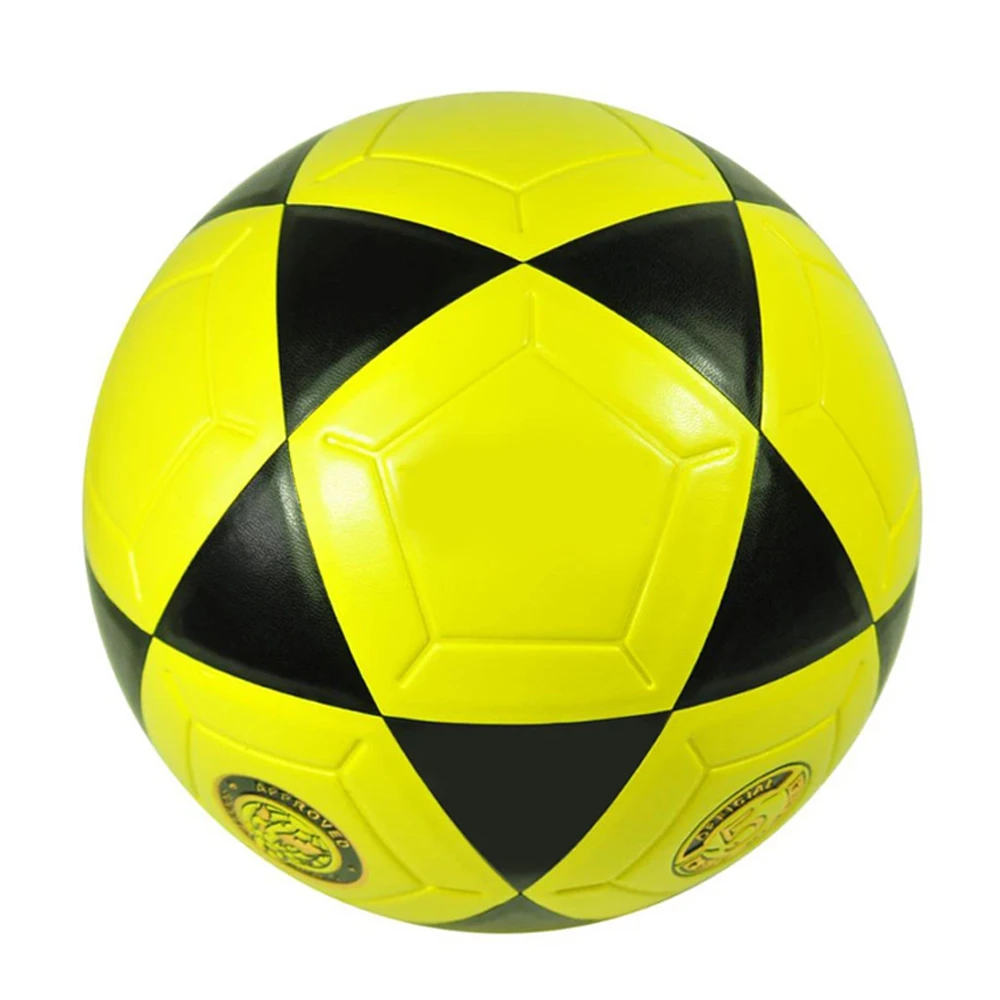
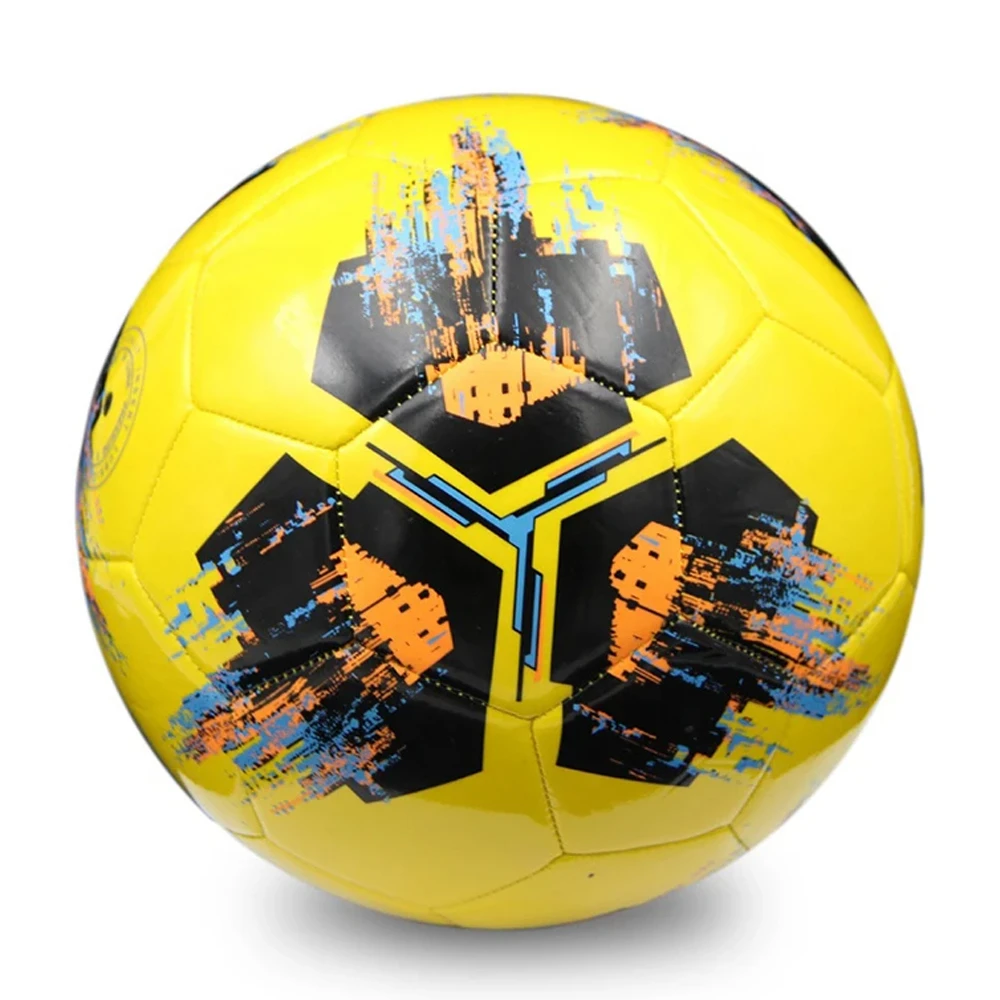
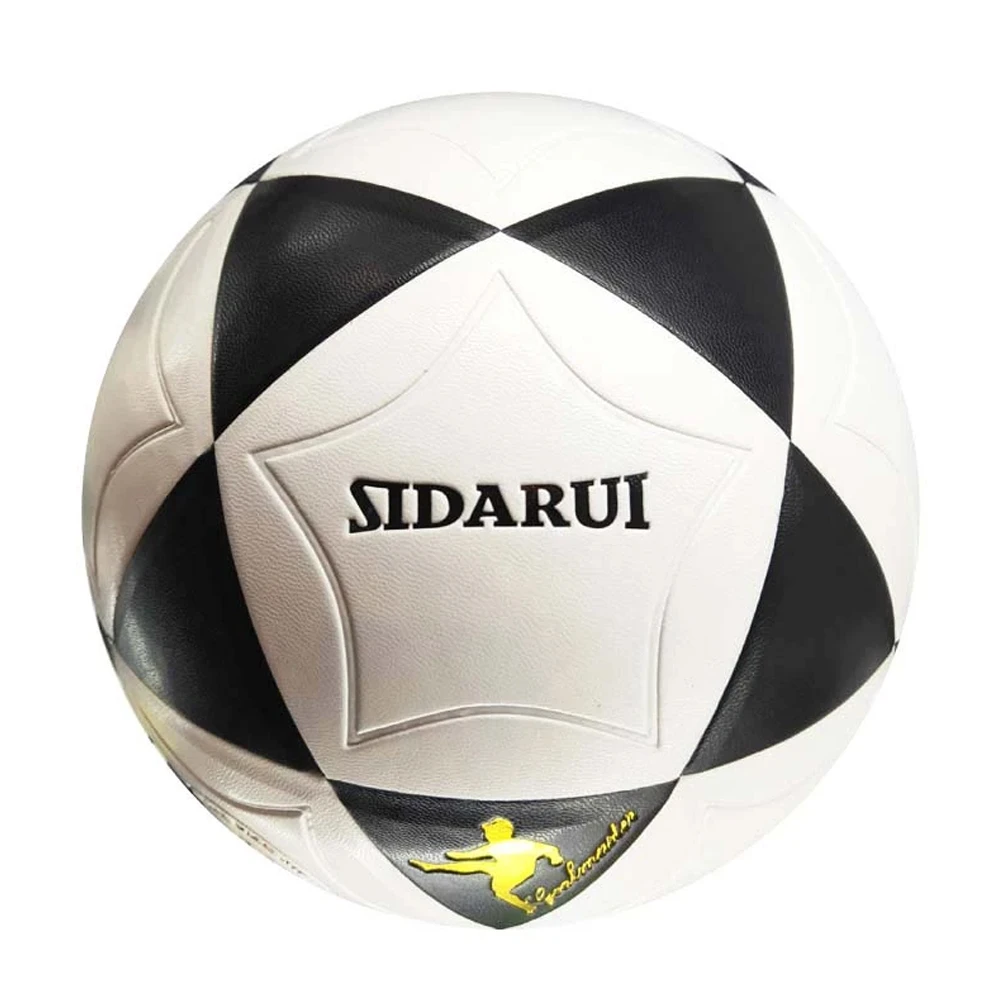
Selecting the appropriate match soccer ball size 5 is crucial for players of all levels. This guide will delve into the key considerations, specifications, and features to help you choose the best ball for your game. We'll cover everything from materials and construction to bladder types and official regulations, ensuring you make an informed decision. A quality soccer ball enhances performance and contributes to a more enjoyable playing experience.
Understanding Size 5 Soccer Balls
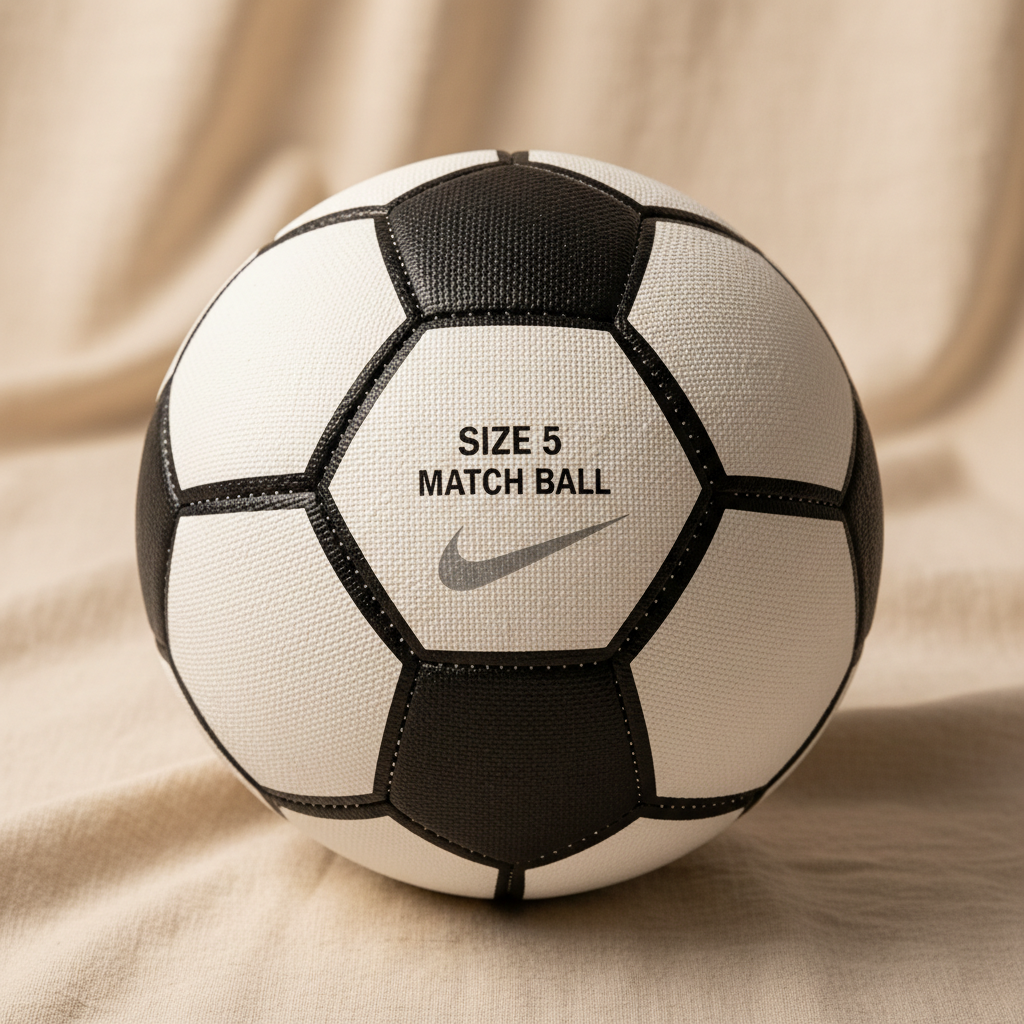
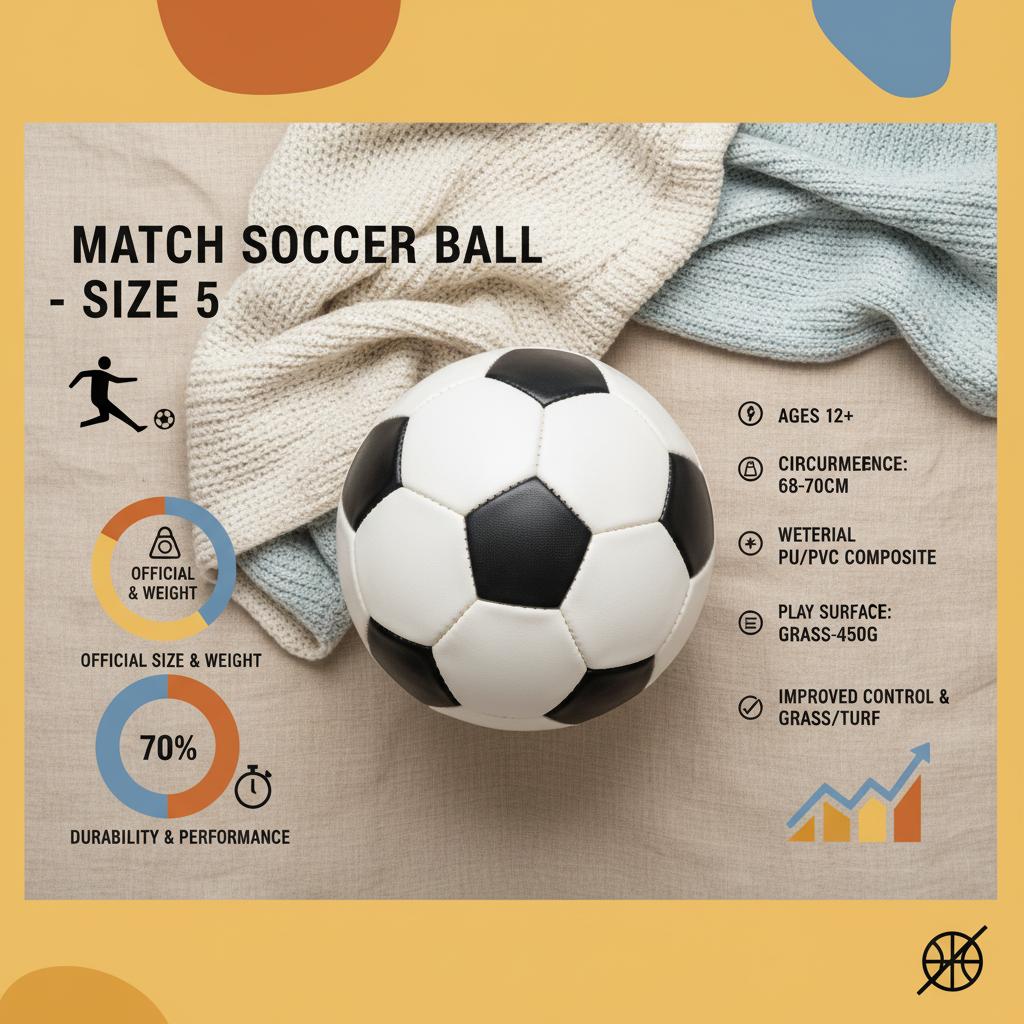
A size 5 soccer ball is the standard size used in official matches for players aged 12 and older. Its circumference ranges from 27 to 28 inches (68.6 to 71.1 cm) and weighs between 14 and 16 ounces (397 to 454 grams). This standardization ensures fair play and consistent performance across all levels of competition. Choosing a ball that meets these specifications is vital for maintaining the integrity of the game. Furthermore, the quality of materials and construction significantly impacts the ball's durability, feel, and flight characteristics.
Key Takeaway: Size 5 is the official size for players 12+ and adheres to specific weight and circumference standards for consistent gameplay.
Materials and Construction of Match Soccer Balls Size 5
The materials used in a soccer ball significantly influence its performance and durability. Traditional soccer balls were made entirely of leather, but modern balls often utilize synthetic materials like polyurethane (PU) and polyvinyl chloride (PVC). PU balls offer a softer touch, better water resistance, and superior durability, making them ideal for match play. PVC balls are more affordable but tend to be harder and less water-resistant. The number and type of panels also play a crucial role. Balls with fewer panels (often 6 or 8) offer a more stable flight path due to reduced seam interference.
Material Comparison:
• PU (Polyurethane): Softer touch, excellent water resistance, high durability.
• PVC (Polyvinyl Chloride): More affordable, harder surface, less water resistance.
• Leather: Traditional material, requires more maintenance, offers a classic feel.
Bladder Types: Latex vs. Butyl
The bladder is the inflatable core of the soccer ball, and its type significantly impacts the ball's feel, bounce, and air retention. Latex bladders offer a softer touch and more natural feel, providing a more responsive bounce. However, they require more frequent inflation as they lose air more quickly. Butyl bladders, on the other hand, hold air much longer, reducing the need for frequent inflation. They tend to have a slightly firmer feel than latex bladders. The choice between latex and butyl depends on your priorities – if you prioritize feel and responsiveness, latex is a good choice, while if you prioritize convenience and minimal inflation, butyl is preferable.
Comparing Popular Match Soccer Ball Size 5 Models
Several brands and models stand out in the market. Here's a comparison of some popular options:
Finding Your Perfect Match Soccer Ball Size 5 at Starryballschina
At Starryballschina, we offer a wide range of high-quality match soccer balls size 5 to suit every player and budget. Our balls are designed for optimal performance, durability, and comfort. We are committed to providing our customers with the best possible products and service. Browse our collection today and find the perfect ball for your next game! We also offer customization options to meet your specific needs.
Conclusion: Choose the Right Ball for Your Game
Selecting the right match soccer ball size 5 can significantly enhance your playing experience. Consider factors like material, bladder type, and intended use when making your decision. With a wide selection of quality balls available at Starryballschina, you’re sure to find the perfect ball to elevate your game.
Frequently Asked Questions (FAQs)
What pressure should I inflate a size 5 soccer ball to?
The recommended inflation pressure for a size 5 soccer ball is typically between 8.5 and 15.6 PSI (pounds per square inch). Check the specific recommendations printed on the ball itself, as they can vary slightly. Using a pressure gauge is essential to ensure accurate inflation. Over-inflating can make the ball too hard and reduce its responsiveness, while under-inflating can make it feel sluggish and affect its flight path. Maintaining the correct pressure is crucial for optimal performance and ball longevity.
How often should I replace my soccer ball?
The lifespan of a soccer ball depends on usage frequency and playing surface. Generally, a high-quality match ball should last for several seasons with proper care. However, if you notice significant wear and tear, such as cracking, peeling, or loss of shape, it's time to replace the ball. Regular inspection can help identify potential issues before they compromise the ball's performance and safety. For recreational use, a ball may last longer, but it's still important to monitor its condition.
What's the difference between a training ball and a match ball?
Match balls are designed for official matches and prioritize performance, durability, and consistent flight. They typically use higher-quality materials like PU and feature a more complex construction. Training balls are more durable and affordable, built to withstand the rigors of frequent use during practice sessions. They may utilize PVC or a lower-grade PU and have a simpler construction. While training balls can be used for matches, match balls are generally preferred for their superior performance characteristics.
How do I care for my soccer ball to extend its lifespan?
Proper care can significantly extend the lifespan of your soccer ball. Avoid playing on abrasive surfaces like concrete or asphalt. Store the ball in a cool, dry place away from direct sunlight. Regularly check the inflation pressure and maintain it within the recommended range. Clean the ball with a damp cloth after each use to remove dirt and grime. Avoid using harsh chemicals or abrasive cleaners. Finally, deflate the ball partially when not in use to reduce stress on the bladder.