Nov . 06, 2026 15:16
Football is one of the most popular sports worldwide, creating consistent demand for soccer balls across schools, sports clubs, training centers, retailers, and promotional organizations. Whether customers need compact balls for skill development or full-size footballs for professional training and matches, choosing the right product is essential for performance and long-term value. For distributors and wholesale buyers, working with experienced football manufacturers also plays an important role in maintaining product quality and ensuring a reliable supply.
From material selection and manufacturing techniques to customized designs and bulk production, understanding these factors can help businesses make better purchasing decisions. A suitable soccer ball should offer reliable performance, comfortable handling, and durability for its intended application.

Mini Soccer Ball Offers Versatile Options for Training and Promotional Activities
A mini soccer ball is a practical choice for players who want to improve their ball control, footwork, coordination, and basic football skills. Compared with standard-size soccer balls, mini versions are smaller and easier to handle, making them suitable for children, beginners, recreational activities, and technical training exercises. They can also be used as promotional gifts, souvenirs, and branded sports merchandise.
For sports schools and training academies, mini soccer balls provide a useful tool for developing fundamental skills. Young players can practice passing accuracy, close control, dribbling, and coordination without immediately using a full-size ball. Their compact dimensions also make them convenient for indoor training, backyard activities, and small recreational spaces.
Material selection is an important consideration when purchasing a mini soccer ball. PVC, TPU, and other synthetic materials are commonly used in soccer ball production. Different materials offer different characteristics in terms of softness, flexibility, surface texture, and resistance to wear. Buyers should select materials according to the intended playing environment and target customer group.
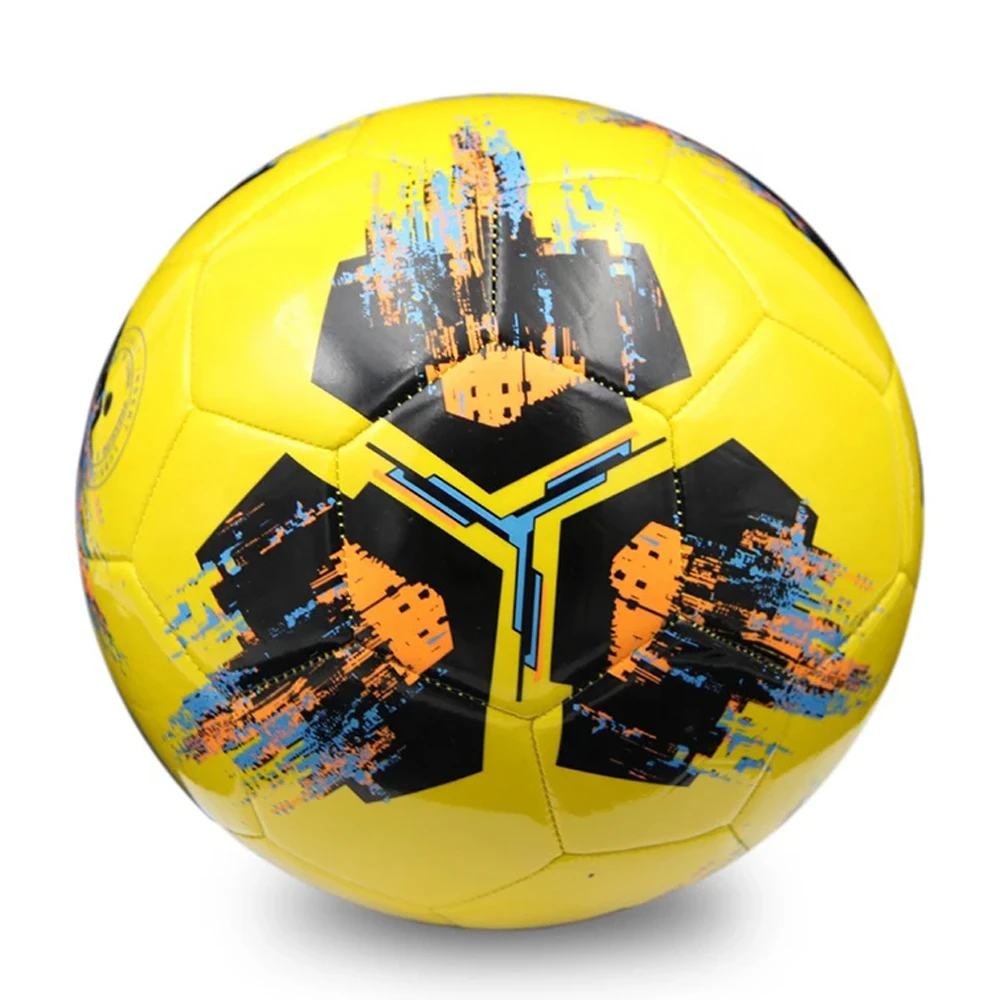
In addition to functionality, appearance is another important selling point. A mini soccer ball can feature colorful graphics, distinctive panel patterns, team logos, or customized brand designs. Businesses can use these customization options to create promotional products that reflect their brand identity. For retailers and wholesalers, offering multiple sizes, colors, and designs can also help attract different customer groups.
When sourcing mini soccer balls in bulk, buyers should pay attention to stitching or bonding quality, inflation stability, surface finishing, and consistency between production batches. A well-made product should maintain its shape during regular use and provide a satisfactory playing experience. Choosing a manufacturer with flexible customization capabilities and stable production capacity can help businesses develop competitive product collections.
Good Quality Football Depends on Materials, Construction, and Performance
A good quality football should provide consistent performance, reliable durability, and comfortable ball control across different playing conditions. Whether it is designed for training, recreational matches, school sports, or competitive use, the ball's construction directly affects its overall performance.
One of the most important factors is the outer material. Synthetic leather materials such as TPU and PU are widely used in modern football production because they can provide different levels of softness, flexibility, and abrasion resistance. PVC is another common option, particularly for entry-level and recreational footballs. The appropriate choice depends on the product's intended positioning, target market, and budget.
The internal structure is equally important. A quality football generally consists of an outer cover, reinforcement layers, and an inner bladder. The bladder plays a significant role in maintaining air retention and supporting consistent bounce characteristics. Butyl and latex bladders are commonly used, with different advantages in air retention and responsiveness. Proper construction helps the ball maintain its shape and inflation pressure during repeated use.
Manufacturing techniques also influence the final product. Machine-stitched footballs are often selected for everyday training and recreational applications because of their practical production costs and reliable construction. Hand-stitched footballs are valued in certain markets for their craftsmanship and structural consistency. Thermally bonded footballs offer another construction option, featuring a smooth surface and reduced seam exposure.
Beyond materials and construction, a good quality football should meet the requirements of its intended users. Training footballs need to withstand frequent practice sessions, while match balls may require more precise control, predictable flight, and consistent rebound performance. Buyers should also consider ball size, weight, circumference, and applicable quality standards when selecting products.
For distributors, investing in dependable football products can improve customer satisfaction and support long-term business relationships. Consistent quality across different batches is particularly important for wholesale orders, where product defects or performance variations may affect customer confidence and brand reputation.
Football Manufacturers Provide Customization and Reliable Wholesale Solutions
Choosing experienced football manufacturers is an important step for businesses looking to source soccer balls for international markets. A professional manufacturer should offer more than basic production services. Product development, material selection, quality inspection, customization, and delivery management all contribute to a successful wholesale partnership.
Customization is one of the major advantages of working directly with manufacturers. Different buyers may have different requirements regarding ball sizes, colors, panel designs, materials, logos, and packaging. Schools may need footballs printed with their institutional identity, while sports clubs may prefer customized team logos and colors. Retailers and promotional companies may require private-label products that match their own brand positioning.
OEM and ODM services allow businesses to develop products according to their market requirements. OEM production generally focuses on manufacturing according to the buyer's specifications, while ODM services may include assistance with product design and development. These options provide greater flexibility for distributors seeking differentiated products.
Quality control is another essential consideration. Reliable football manufacturers should establish inspection procedures throughout the production process. These may include checking raw materials, panel cutting, stitching or bonding, bladder installation, inflation retention, appearance, and finished product specifications. Appropriate inspection helps reduce production inconsistencies and ensures that products meet agreed requirements before shipment.
Production capacity and delivery arrangements should also be evaluated. For importers and wholesalers, stable production schedules are important when preparing for seasonal promotions, sports events, school purchasing programs, and retail distribution. Buyers should communicate order quantities, customization details, packaging requirements, and delivery schedules clearly before confirming bulk orders.
When comparing potential suppliers, businesses should review product samples, manufacturing experience, available customization options, communication efficiency, and quality management procedures. Certifications and test reports may also be relevant depending on the destination market and purchasing requirements.
Working with a dependable manufacturing partner can help businesses control sourcing costs, maintain product consistency, and expand their soccer ball product range. Whether purchasing mini soccer balls, training footballs, or customized match balls, a manufacturer with comprehensive production capabilities can provide valuable support throughout the procurement process.
Build a Competitive Soccer Ball Product Range with the Right Manufacturing Partner
The global demand for soccer balls creates opportunities for sports brands, distributors, wholesalers, educational institutions, and promotional product suppliers. However, successful sourcing requires more than selecting products based on appearance or price. Buyers need to consider product applications, material performance, manufacturing quality, and customization possibilities.
A mini soccer ball can serve children, beginners, promotional campaigns, and recreational users, while a good quality football is essential for customers who prioritize durability and consistent playing performance. By understanding these product differences, businesses can develop a more targeted product portfolio.
At the same time, selecting reliable football manufacturers helps ensure stable supply, flexible OEM and ODM services, and consistent product quality. Before placing a bulk order, buyers should communicate their requirements, evaluate samples, and confirm production specifications.
With the right products and manufacturing partner, businesses can offer soccer balls that meet different market needs, strengthen their brand presence, and build lasting relationships with customers in the global sports equipment industry.