Nov . 06, 2026 15:19
Choosing the right football is important for schools, sports clubs, retailers, and distributors. While professional matches often use high-performance leather or synthetic leather balls, rubber footballs remain a popular option for everyday practice and recreational activities. Their durable construction, easy maintenance, and adaptability to different playing environments make them suitable for a wide range of users. From beginners learning basic ball control to young players developing their coordination, rubber footballs offer a practical solution for regular use.
For buyers looking for reliable sports equipment, understanding the differences between rubber football models, materials, and sizes can help improve purchasing decisions. Whether sourcing products for educational institutions or expanding a sports equipment collection, selecting the right football can support both customer satisfaction and long-term business value.

Soft Rubber Football Offers Comfortable Handling for Everyday Training
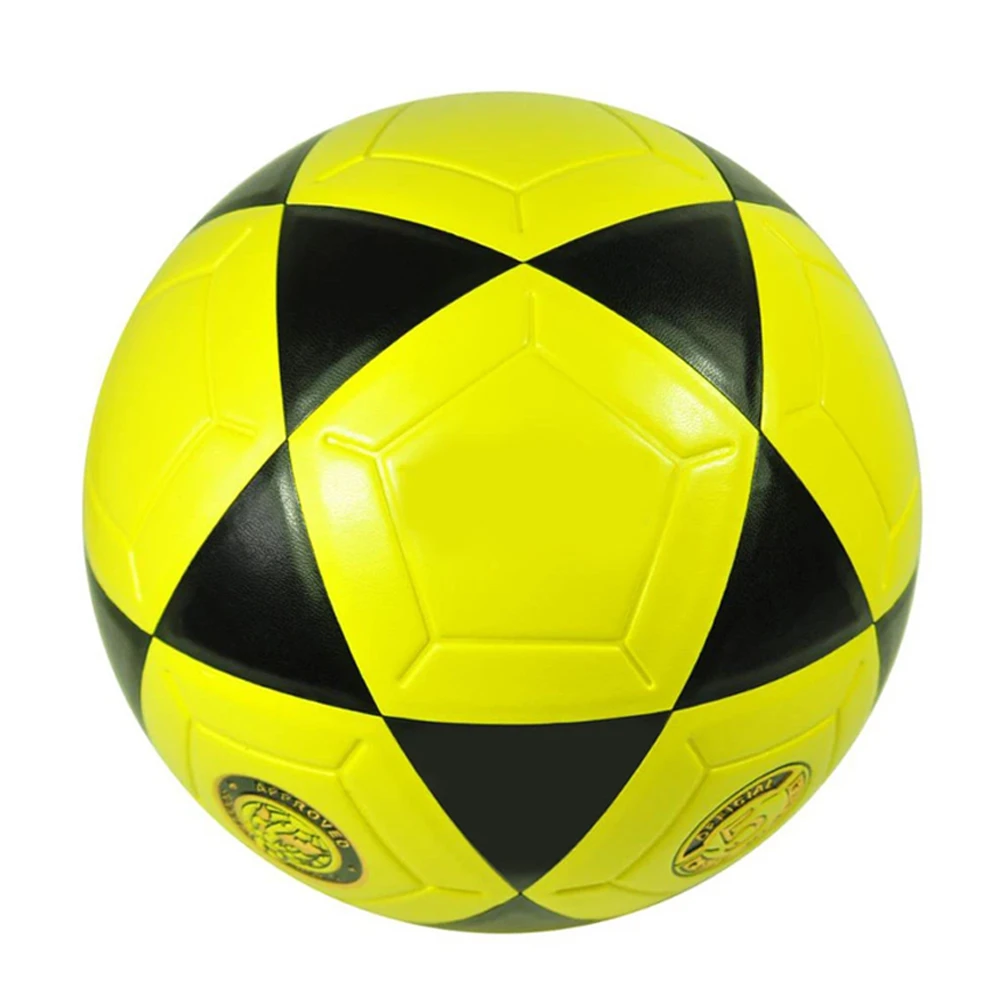
A soft rubber football is designed to provide a comfortable playing experience while maintaining the durability required for frequent use. Compared with some harder ball constructions, softer rubber surfaces can offer a more forgiving touch, making them suitable for recreational games and basic football training. This feature is particularly useful for beginners who are still developing confidence when passing, receiving, and controlling the ball.
Material quality plays an important role in the performance of a soft rubber football. A well-made outer surface should provide flexibility, resilience, and sufficient grip. These characteristics help players maintain better control during practice, especially when performing simple movements such as dribbling, short passes, and shooting. The ball should also retain its shape under normal playing conditions, allowing users to enjoy consistent performance over time.
Another advantage is its suitability for different environments. Soft rubber footballs can be used in school playgrounds, community sports areas, recreational facilities, and outdoor training spaces, depending on the product's specifications. Their practical construction makes them an option for organizations that need sports equipment for repeated group activities.
For wholesalers and sports equipment retailers, product consistency is an important consideration. Buyers should evaluate surface texture, stitching or molding quality, air retention, size options, and overall durability before placing bulk orders. Color combinations and customized printing can also help businesses create products that match school colors, club identities, or promotional campaigns.
By combining comfortable handling with practical construction, a soft rubber football can serve as a useful choice for customers who need accessible equipment for regular football activities rather than professional competition.
Rubber Football Provides Durability for Schools and Outdoor Recreation
A rubber football is widely valued for its practical performance in everyday sports activities. Its rubber-based construction is suitable for users who need a ball that can withstand frequent handling and repeated practice. Schools, training centers, recreational organizations, and sports retailers often consider rubber footballs when purchasing equipment for group activities.
One of the main reasons buyers choose rubber footballs is their adaptability. Depending on the material formulation and surface design, these products can be used on various recreational playing surfaces. They are commonly considered for playground games, casual matches, physical education classes, and introductory football sessions. However, buyers should always check the manufacturer's recommended playing environments to ensure that a particular model is suitable for the intended surface.
Maintenance is another important factor. Rubber footballs generally have a straightforward cleaning process. Dust and ordinary dirt can often be removed with a damp cloth, helping schools and sports facilities keep their equipment in usable condition. Proper inflation, suitable storage, and avoiding sharp objects can further extend the service life of the ball.
When evaluating a rubber football for wholesale purchasing, businesses should pay attention to several details. These include the quality of the rubber material, surface finish, bladder construction, valve performance, weight, and available sizes. Consistent production standards help reduce quality differences between individual products, which is particularly important for distributors handling large quantities.
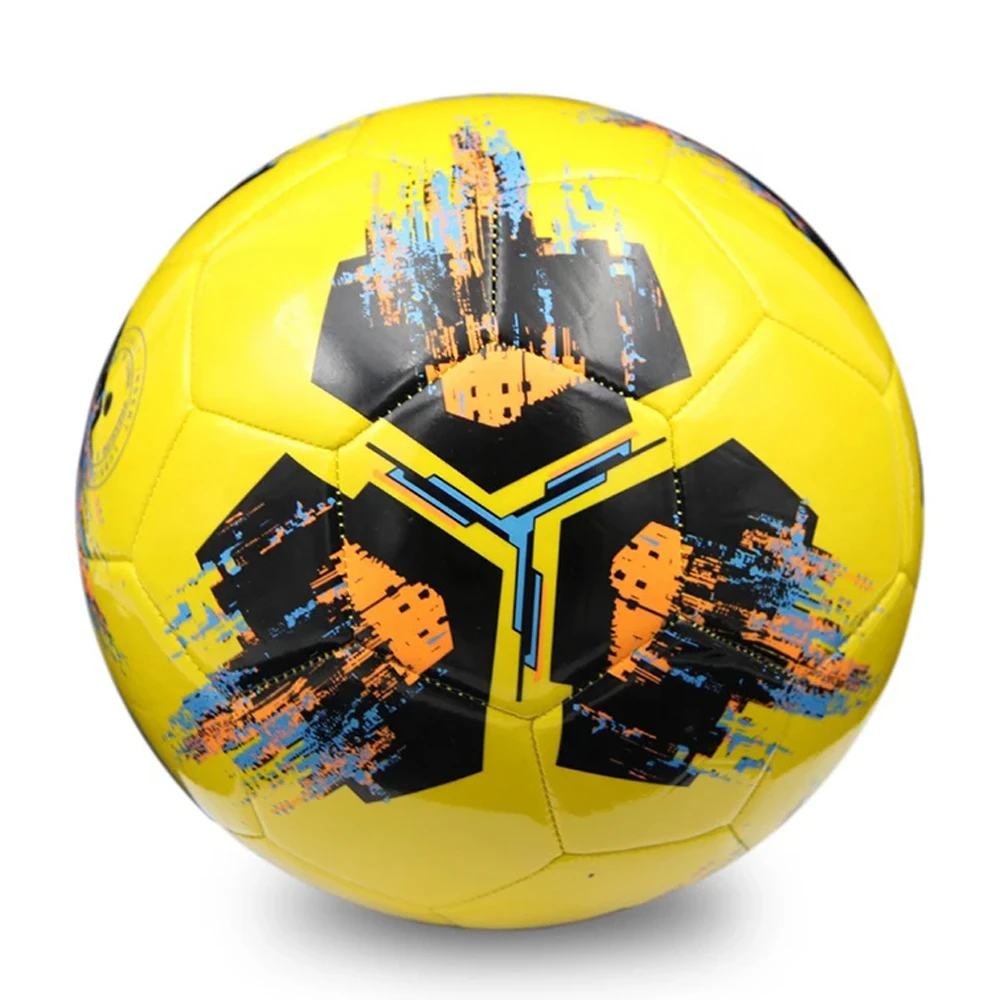
Customization can also create additional commercial value. Manufacturers may offer different colors, surface patterns, printed logos, and packaging options according to order requirements. Sports brands can use customized rubber footballs for promotional activities, while schools and clubs may prefer products displaying their own logos or team colors.
For international buyers, working with an experienced football manufacturer can simplify product selection and bulk procurement. Clear specifications, sample evaluation, production communication, and quality inspection all contribute to a more reliable purchasing process. A suitable rubber football is not only an everyday sports product but also a practical inventory option for businesses serving the education and recreational markets.
Junior Rubber Football Helps Young Players Build Basic Football Skills
A junior rubber football is developed for younger players who need appropriately sized equipment for learning and recreational play. Using a ball that matches a child's physical development can make basic football activities easier to manage. When the ball is suitable for their age and ability, young players can focus more effectively on developing coordination, balance, and confidence.
For beginners, football training often starts with simple activities. Children learn how to stop the ball, make short passes, dribble around markers, and shoot toward small goals. A junior rubber football can support these exercises in schools, youth clubs, community programs, and family recreation. Its practical construction makes it suitable for repeated use during introductory training sessions.
Size selection should be based on the player's age, development level, and the requirements of the training program. Buyers should not assume that one size fits every junior player. Different age groups may require different ball sizes and weights, so schools and sports organizations should confirm the specifications before purchasing. A suitable size can make it easier for children to practice basic movements without struggling to control equipment designed for older players.
Safety and comfort are also important considerations. The outer material should have a suitable surface finish, while the overall construction should be consistent and free from obvious manufacturing defects. Adults responsible for purchasing junior sports equipment should check the manufacturer's product specifications and supervise children during play.
For retailers and distributors, junior rubber footballs offer opportunities to serve a broad customer base. Parents may purchase them for recreational use, while schools and sports clubs may need multiple units for group lessons. Buyers can also consider different colors, printed designs, and customized packaging to meet the preferences of local markets.
A dependable junior rubber football can make football more approachable for young beginners. By providing suitable equipment for early skill development, schools and sports programs can encourage children to participate in physical activities and build a lasting interest in the game.
How to Select a Reliable Rubber Football Manufacturer for Bulk Orders
Choosing the right manufacturer is an important step for importers, wholesalers, and sports brands. Product appearance alone is not enough to determine whether a football supplier can meet long-term business requirements. Buyers should also consider manufacturing experience, material sourcing, production capacity, customization services, and quality management.
Before confirming an order, it is useful to request product samples and review important specifications. These may include ball size, weight, material composition, surface design, bladder type, inflation requirements, and packaging details. Testing samples under normal playing conditions can help buyers understand whether the product matches their expectations.
Production consistency is particularly important for wholesale orders. A professional supplier should be able to communicate product specifications clearly and maintain consistent standards across different production batches. Buyers can also ask about inspection procedures, order lead times, sample approval, and available customization options.
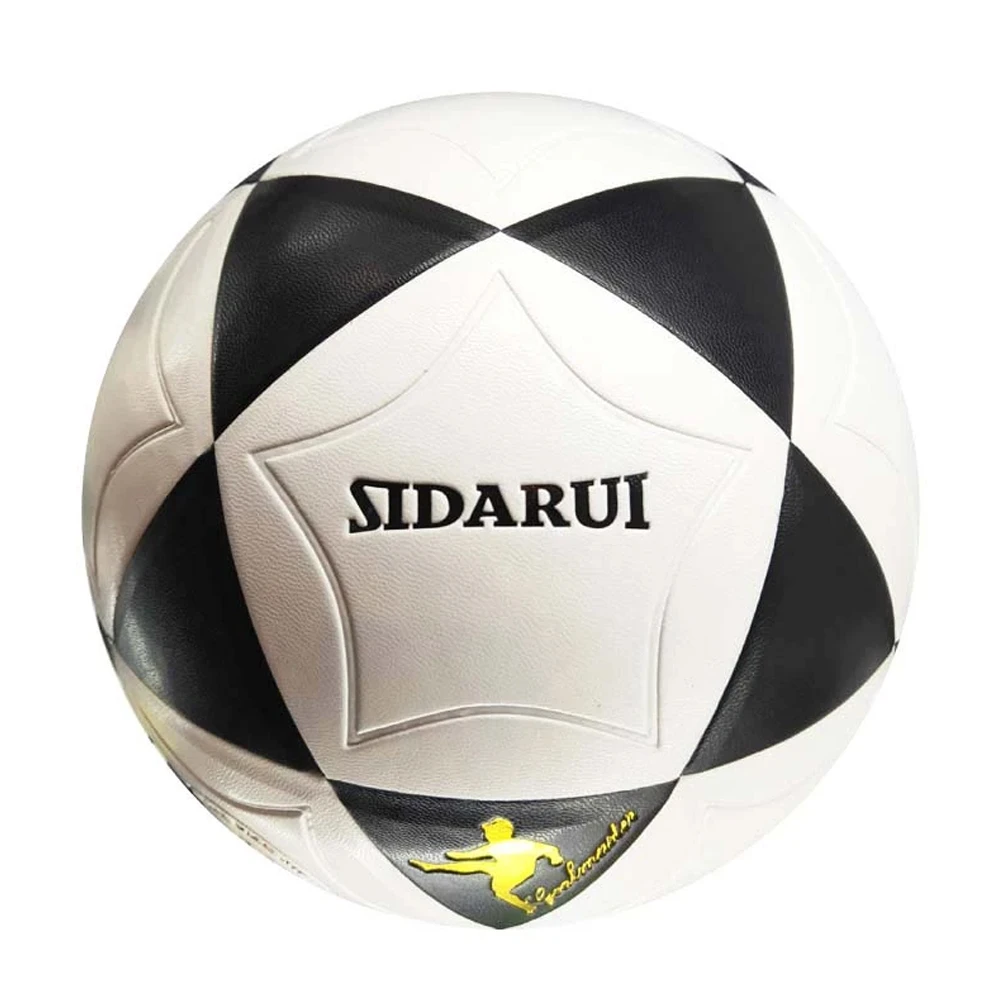
For businesses developing their own sports product lines, OEM and ODM services may provide additional flexibility. Custom logos, color combinations, printed patterns, and branded packaging can help distinguish products from standard market offerings. These options are useful for retailers, promotional product companies, school suppliers, and sports equipment distributors.
Ultimately, the best sourcing decision should balance product quality, pricing, delivery reliability, and service capability. By working with a dependable manufacturer, buyers can build a stable supply of rubber footballs for different customer groups, from recreational players to junior training programs.