Sep . 30, 2026 15:12
Football training requires equipment that can withstand repeated use while providing a consistent experience for players. Among the different ball sizes available, size 5 is widely used for older youth players, teenagers, and adults. When purchasing footballs for clubs, academies, schools, retailers, or organized training programs, buyers need to consider more than just size. Material, construction, durability, surface texture, bladder performance, and intended playing environment can all affect the suitability of a football.
For organizations purchasing multiple balls, the selection process becomes even more important. The right training equipment should support regular practice while also offering practical maintenance and replacement costs. Understanding the features of a quality size 5 training ball can help buyers make more informed purchasing decisions.

Training Footballs Size 5 for Regular Practice and Skill Development
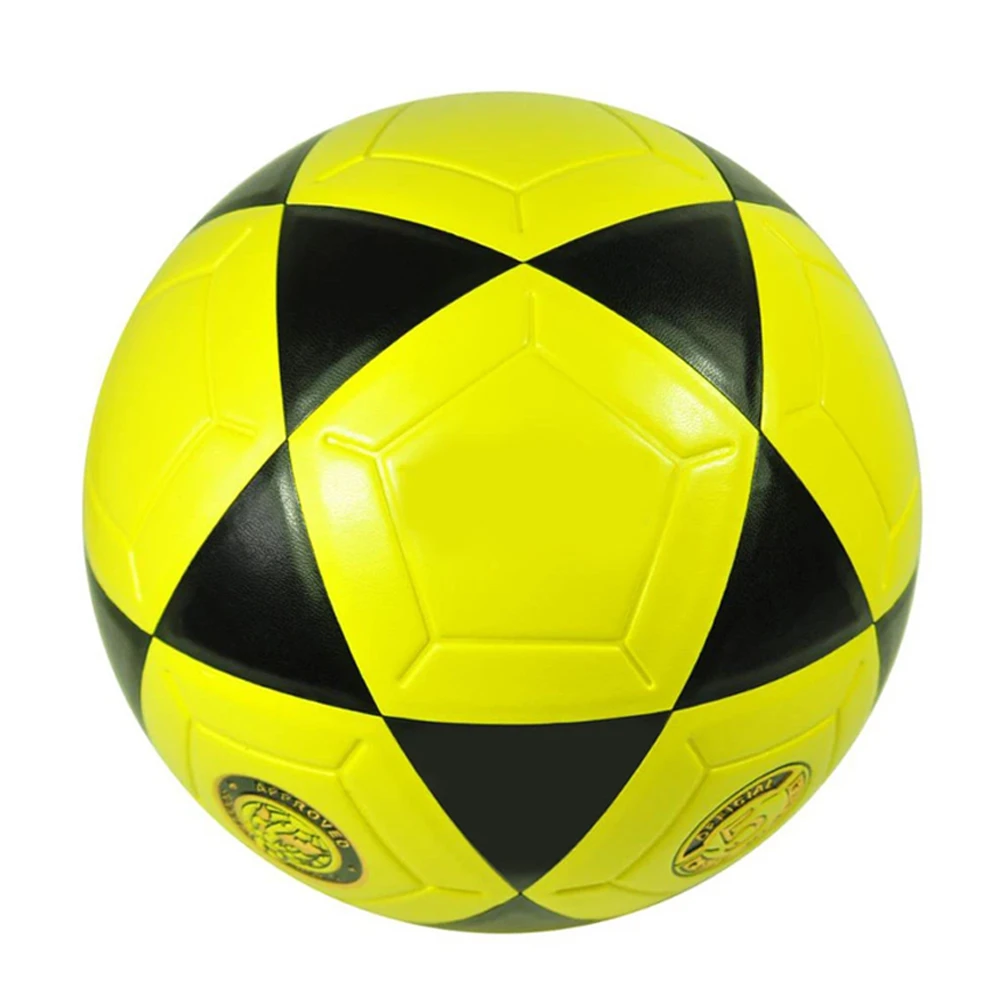
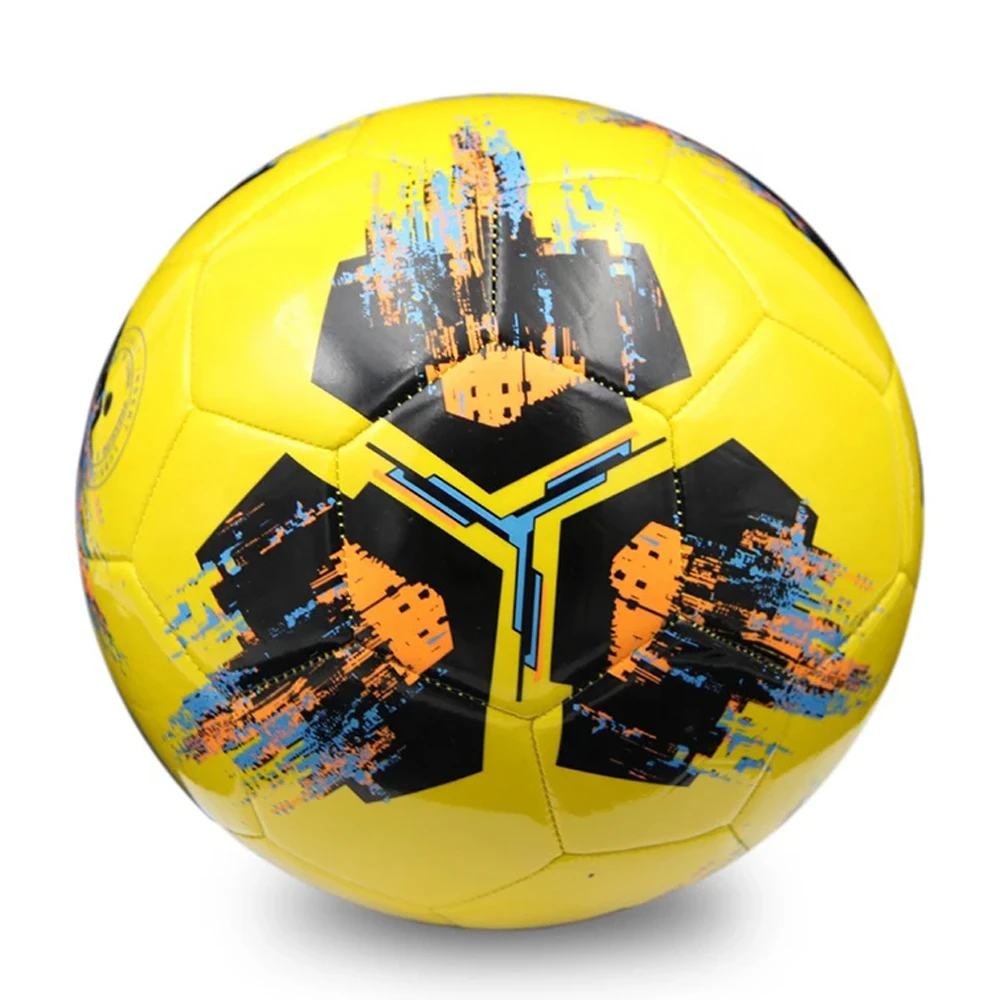
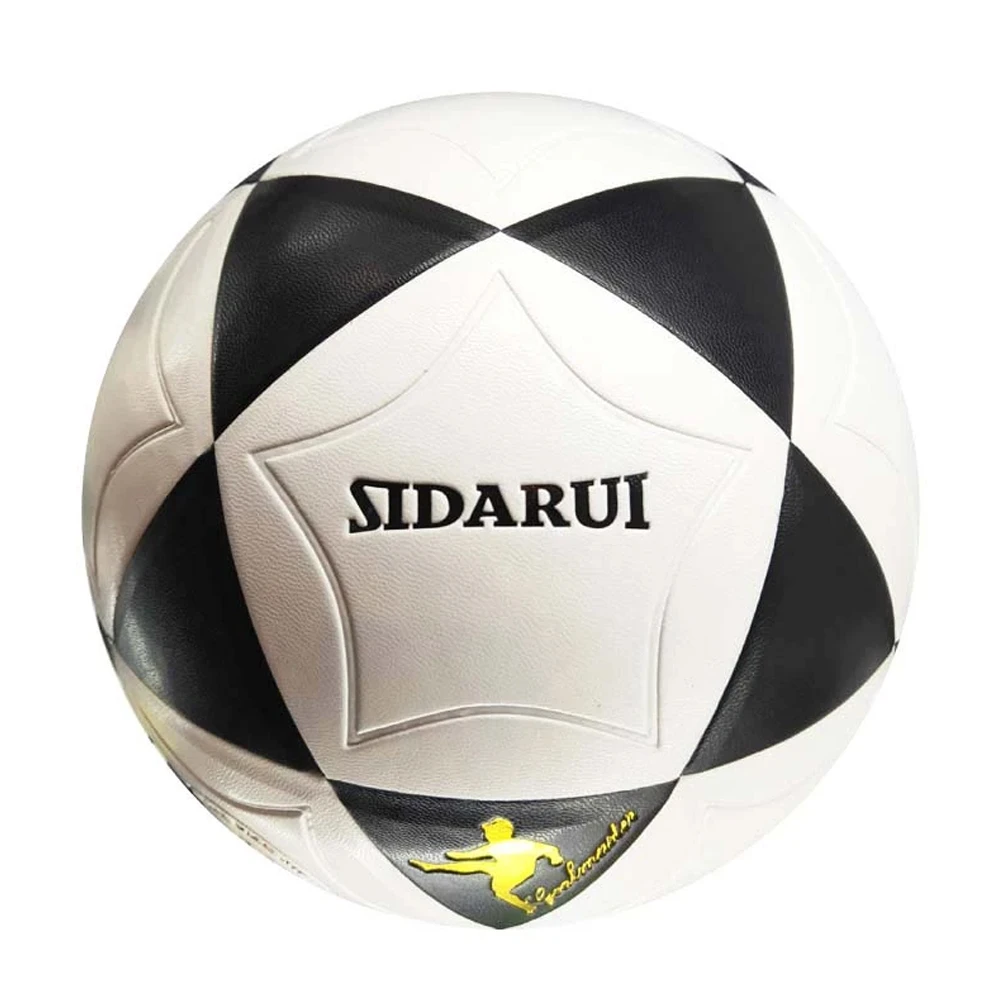
Training footballs size 5 are designed for players who require a full-size ball for regular practice, technical exercises, and team sessions. A size 5 football is commonly associated with older youth and adult-level play, making it a practical option for clubs, academies, schools, and community sports programs.
Training places different demands on a football compared with occasional recreational use. During a typical session, players may repeatedly pass, shoot, dribble, head, and control the ball. The ball can also experience contact with grass, artificial turf, playground surfaces, and other training environments. For this reason, durability and shape retention are important considerations.
The outer cover plays a major role in how a football feels during practice. Depending on the product, manufacturers may use rubber, PVC, PU, synthetic leather, or other materials. Surface texture can be adjusted to provide an appropriate balance between grip and smooth movement. A consistent surface can help players develop passing, first-touch, shooting, and ball-control techniques.
The internal bladder is another important component. It affects air retention, rebound, and the overall response of the ball. A well-constructed training ball should maintain its intended shape and inflation characteristics during repeated use.
For coaches and training managers, consistency across multiple balls is particularly valuable. When players use balls with similar weight, size, surface feel, and rebound characteristics, training sessions can be organized more efficiently. This is why professional manufacturing and quality inspection are important when selecting equipment for regular programs.
Bulk Soccer Balls Size 5 for Clubs, Schools, and Sports Retailers
Purchasing bulk soccer balls size 5 can be a practical solution for organizations that need multiple footballs for training, competitions, events, or retail distribution. Clubs and academies may require a large number of balls because training sessions often involve several groups practicing at the same time.
For schools, bulk purchasing can also simplify equipment management. Instead of relying on a small number of footballs, schools can provide enough equipment for students to participate in drills and activities simultaneously. This can reduce waiting time and make group training more efficient.
When buying in volume, durability becomes particularly important. Even a small difference in product lifespan can affect the overall cost of ownership when dozens or hundreds of footballs are involved. Buyers should therefore examine material quality, panel construction, stitching or bonding methods, bladder design, and production consistency.
Customization is another advantage of bulk purchasing. Manufacturers may offer options such as custom colors, logos, printed graphics, packaging, and private-label branding. Sports clubs can add their team identity, while schools and academies may use customized footballs for training programs or events. Retailers can also develop products that match their own brand positioning.
Packaging should not be overlooked. Depending on the purchasing channel, footballs may be supplied individually or in larger cartons. Buyers should confirm packaging requirements, carton dimensions, product protection, and labeling before placing a large order.
For international distributors, communication with the manufacturer is also important. Product specifications should clearly define size, weight, material, surface design, inflation requirements, printing, packaging, and inspection standards. Samples can be useful for confirming the actual product quality before a larger shipment is produced.
Training Soccer Ball Features That Support Consistent Player Development
A training soccer ball should be selected according to the demands of the training program rather than appearance alone. Coaches and purchasing managers may need different characteristics depending on whether the football will be used for technical drills, fitness exercises, small-sided games, or general team practice.
One important feature is durability. A training ball may be kicked hundreds of times during a single session, so its cover and internal structure need to withstand repeated impact. Reinforced construction, appropriate material selection, and reliable manufacturing processes can contribute to longer service life.
Another consideration is ball control. The surface should provide a predictable response when players receive, pass, or strike the ball. A suitable texture can provide enough grip for controlled movement without creating excessive resistance.
Shape retention is equally important. A football that becomes distorted can produce inconsistent rebounds and make technical practice more difficult. Manufacturers therefore need to control panel dimensions, molding or stitching accuracy, bladder placement, and inflation during production.
Weather and playing conditions should also be considered. Outdoor footballs may be exposed to moisture, dirt, sunlight, and temperature changes. Buyers should select products according to their expected environment and follow appropriate care and storage recommendations.
For younger players transitioning toward full-size equipment, a size 5 training ball can also support the development of skills used in more advanced football. Regular practice with consistent equipment allows players to become familiar with passing distances, shooting power, ball trajectory, and first-touch control.
From a B2B perspective, training equipment should also align with the needs of the target market. A distributor serving amateur clubs may require a different specification from a retailer targeting recreational customers. Understanding these differences helps buyers select the right combination of material, construction, customization, and price.
Ultimately, purchasing footballs for training is a balance between performance, durability, usability, and cost. Size 5 remains a versatile choice for many older youth and adult training applications, while material and construction determine how the ball performs in daily use. Whether purchasing individual products or placing a bulk order, buyers should evaluate the complete specification rather than focusing on size alone.
With appropriate quality control and customization options, size 5 footballs can serve a wide range of applications, from school physical education and academy development to club training, community programs, sports events, and retail distribution.