Sep . 30, 2026 15:14
Football materials have changed considerably over the years, but leather remains associated with traditional craftsmanship, premium appearance, and a distinctive playing experience. At the same time, advances in synthetic materials have created alternatives that can reproduce some of the visual and tactile characteristics of natural leather while offering different performance and maintenance properties.
For sports retailers, clubs, collectors, promotional buyers, and football enthusiasts, choosing the right material requires more than comparing appearance. Surface texture, flexibility, durability, water resistance, maintenance, construction, and intended playing environment should all be considered.
Whether the goal is to create a traditional-style product or a modern football for regular recreational use, understanding the differences between natural and synthetic materials can help buyers select the right product for their market.

Leather Footballs for Sale for Traditional Sports Products
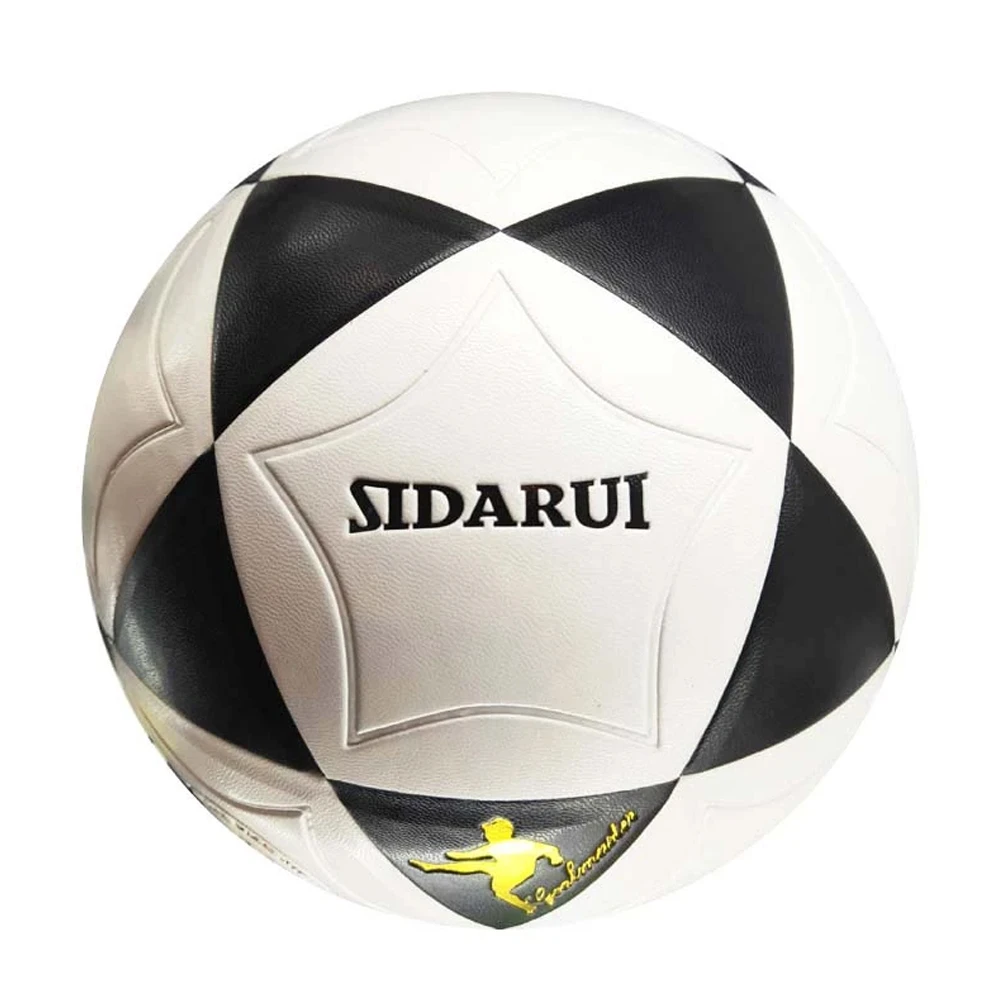
Leather footballs for sale can appeal to buyers who appreciate classic sports aesthetics and traditional material characteristics. Natural leather has a distinctive grain and tactile quality that can give a football a premium and authentic appearance. This makes leather-based products particularly interesting for collectors, specialty retailers, sports-themed gifts, and customers who value traditional craftsmanship.
The character of natural leather can also change over time. With appropriate care, the surface may develop a different appearance as it is handled and used. For some buyers, this natural aging process is part of the appeal.
However, natural leather requires more consideration when it comes to maintenance. Leather can be affected by moisture and environmental conditions, so storage and cleaning practices are important. A football intended for frequent outdoor use may therefore require different care compared with a decorative or collectible product.
Construction also has a major influence on the finished product. The quality of the leather, thickness of the outer material, panel design, stitching, bladder, and internal lining can all affect the ball's feel and shape retention. Manufacturers need to carefully coordinate these components to create a balanced product.
For B2B buyers, leather footballs can also be developed as customized products. Team logos, vintage-inspired graphics, special colors, packaging, and private-label branding can create opportunities for retailers and sports organizations. Customized products may be particularly suitable for promotional campaigns, anniversary events, sports clubs, and specialty collections.
When evaluating a leather product, buyers should therefore consider both material authenticity and manufacturing quality. Natural leather alone does not determine the performance of the finished football. Consistent construction and appropriate quality control remain essential.
Leather Football Design for Classic Feel and Specialty Applications
A traditional leather football can provide a different tactile experience from balls made with modern synthetic covers. The natural surface has its own texture and flexibility, which can contribute to the character of the product.
For specialty applications, appearance can be just as important as playing performance. Vintage-style footballs, collectible sports products, historical displays, and themed merchandise often use leather or leather-like materials to create a connection with the traditional image of football.
This makes leather products relevant to more than active players. Museums, sports memorabilia stores, gift retailers, event organizers, and brand marketing departments may use them as decorative or promotional products. A carefully designed football can become part of a broader sports-themed product range.
For active use, however, buyers should carefully consider environmental conditions. Natural leather may require greater protection from water and excessive moisture than some synthetic alternatives. Proper storage and routine care can help maintain the surface and appearance of the ball.
The internal construction should also receive attention. A football consists of multiple components, including the outer cover, lining, bladder, panels, and stitching or bonding structure. Each part can affect the final shape and response of the product.
Manufacturers can adjust these elements to create different product categories. A collectible football may emphasize appearance and craftsmanship, while a training-oriented model may focus more strongly on durability and consistent ball response.
For international buyers, product specifications should be clearly defined before production. Important details may include material grade, surface finish, size, weight, panel configuration, logo placement, color, packaging, and intended application. This helps manufacturers produce products that meet the buyer's expectations.
Synthetic Leather Football for Modern Performance and Easy Maintenance
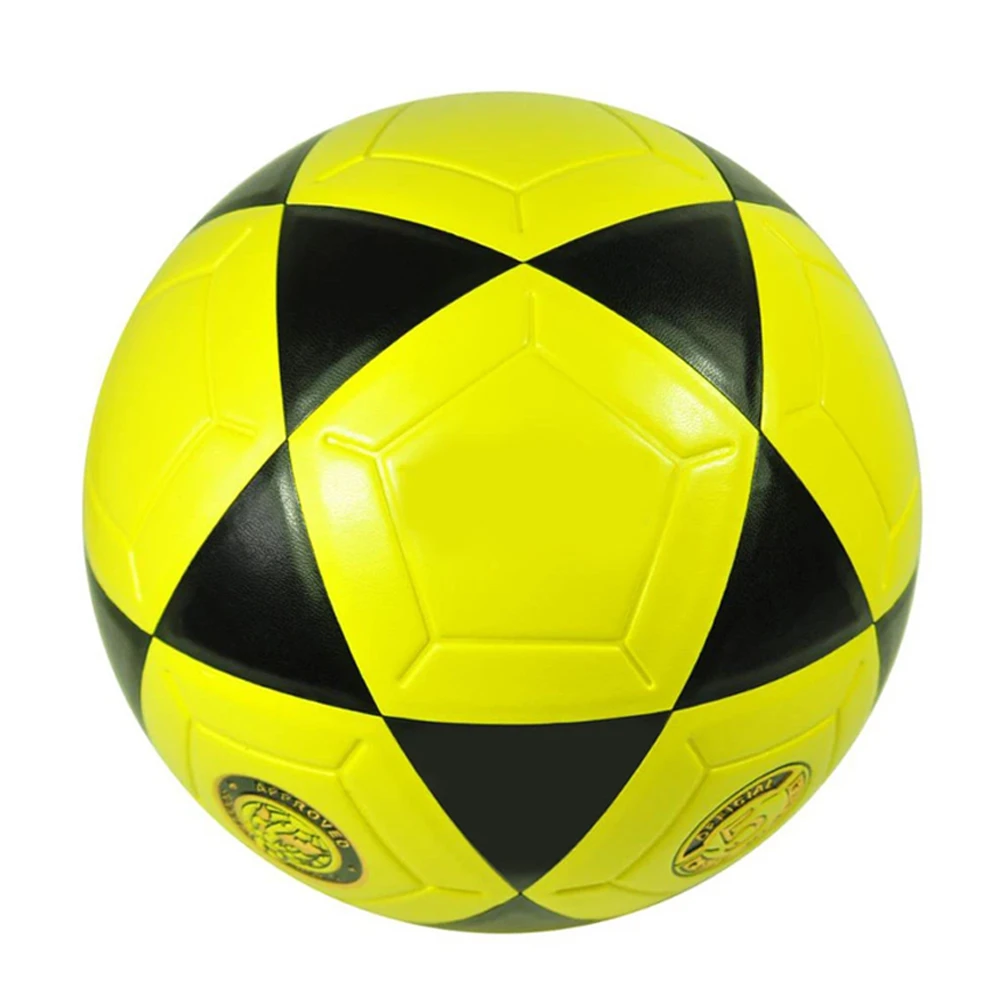
A synthetic leather football provides an alternative for buyers who want a leather-inspired appearance and surface feel without relying on natural leather. Synthetic leather can be engineered to provide different combinations of softness, flexibility, durability, and surface texture.
One advantage of synthetic materials is consistency. Unlike natural leather, which can naturally vary in grain and texture, synthetic leather can be manufactured to a more uniform specification. This can be useful for large-scale production where buyers require multiple footballs with similar appearance and performance.
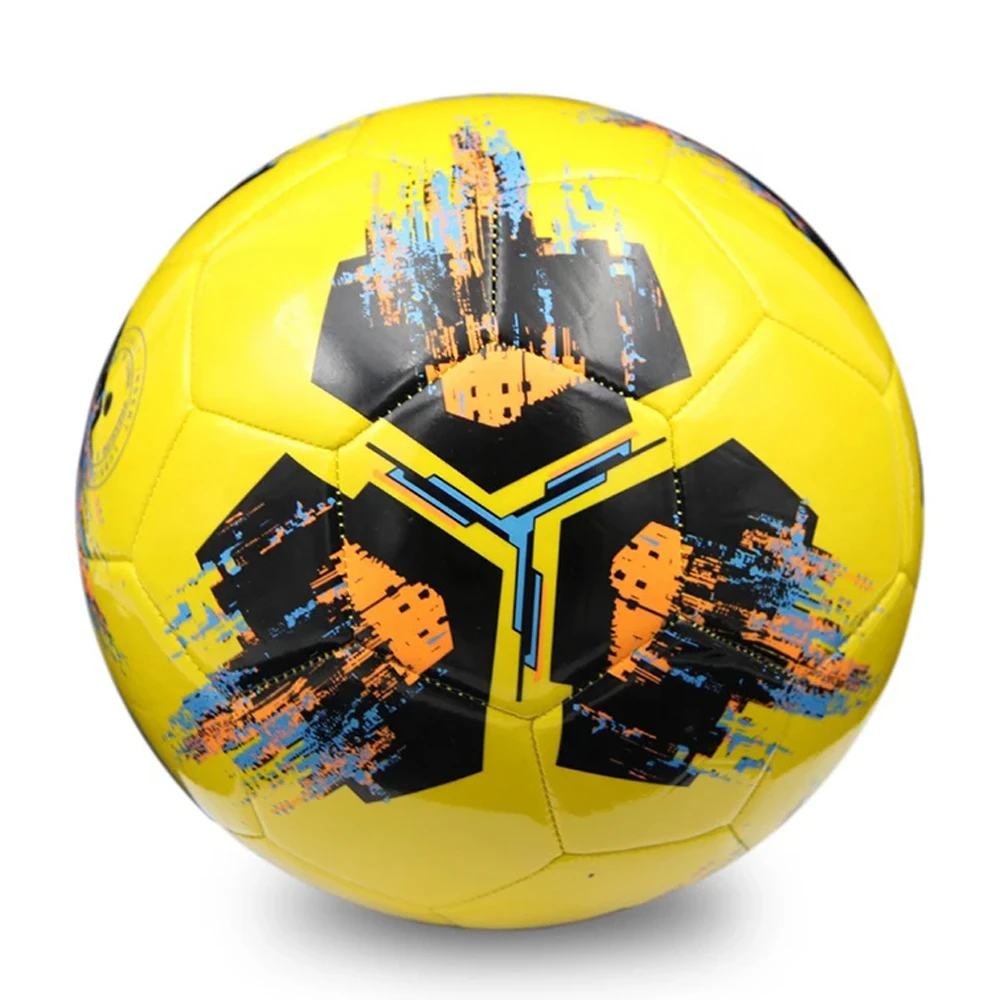
Synthetic leather can also offer broader design flexibility. Manufacturers can produce different colors, textures, printed patterns, and finishes according to the target market. This makes the material suitable for sports clubs, retailers, promotional campaigns, schools, and branded merchandise.
Maintenance can also be an important consideration. Depending on the specific material formulation and surface finish, synthetic leather footballs can be designed for easier cleaning and regular recreational use. However, product performance still depends on construction quality, so buyers should evaluate the complete specification rather than assuming all synthetic leather products are identical.
Another benefit is customization. Buyers can request specific logos, colors, graphics, panel arrangements, and packaging for private-label projects. For distributors, this can make it easier to develop a football collection that matches a particular brand identity.
The choice between natural and synthetic leather ultimately depends on the intended application. Natural leather may be attractive for traditional, collectible, and premium-style products, while synthetic leather can provide greater consistency, design flexibility, and practical options for modern sports equipment.
Choosing the Right Material for Your Football Project
Selecting a football material should begin with the intended use. Buyers should consider whether the product will be used for competitive play, training, casual recreation, promotional activities, collecting, or display.
For traditional-style products, natural leather can provide an authentic appearance and distinctive tactile character. For products that need consistent specifications across larger quantities, synthetic leather may provide useful manufacturing advantages.
Other factors should also be reviewed, including ball size, weight, bladder type, panel construction, stitching method, surface texture, printing requirements, and packaging. The playing environment is equally important because indoor, outdoor, wet, and dry conditions can place different demands on the outer material.
For wholesale and OEM buyers, sample approval is an effective way to evaluate the finished product before large-scale production. Testing the ball's shape, surface feel, rebound, air retention, and overall appearance can help identify whether the selected construction meets the intended requirements.
A reliable manufacturing process is essential regardless of material choice. Consistent cutting, panel assembly, stitching or bonding, inflation, finishing, and inspection all contribute to the quality of the final football.
Leather and synthetic leather therefore serve different product strategies rather than representing a simple choice between old and new materials. By matching the cover material and construction method with the target users, playing environment, design requirements, and purchasing goals, buyers can create football products that combine suitable performance with a clear market identity.