1. The Current State of Mini Ball Soccer Markets
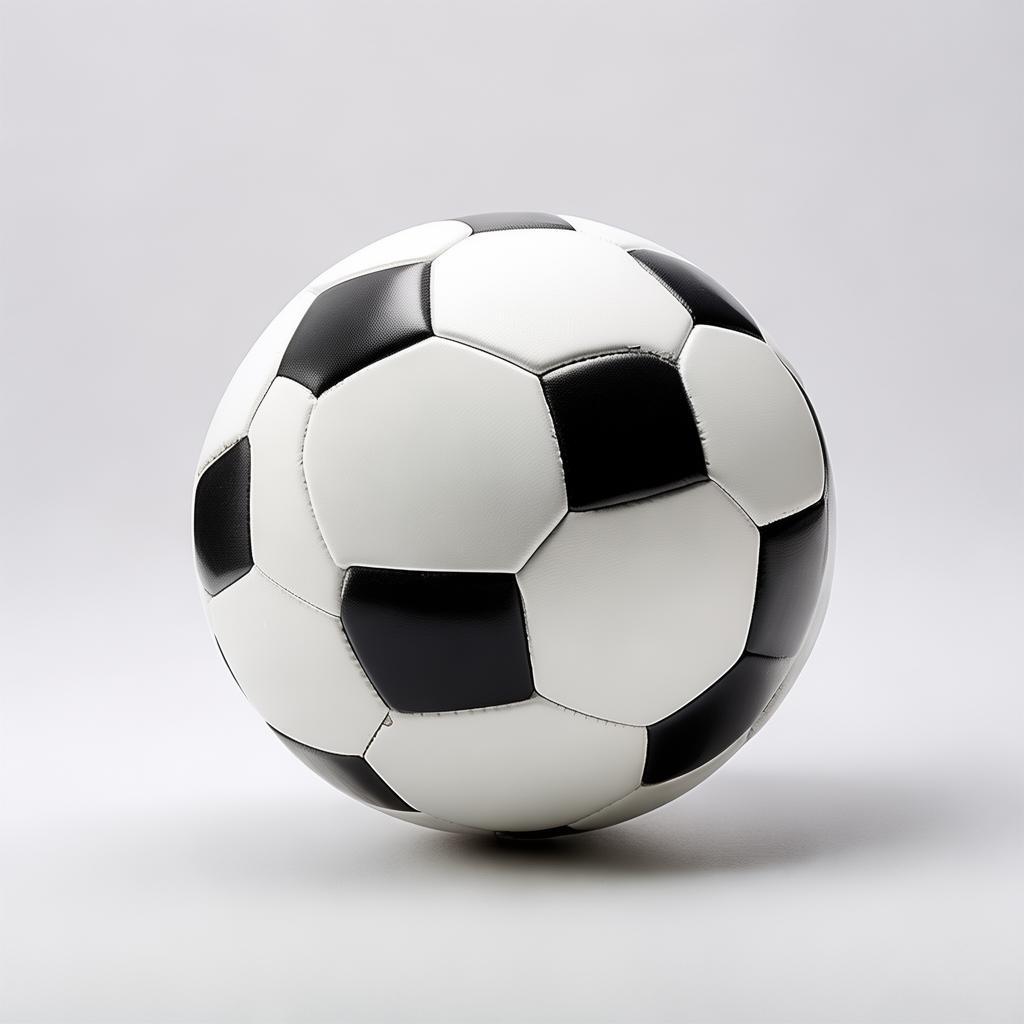
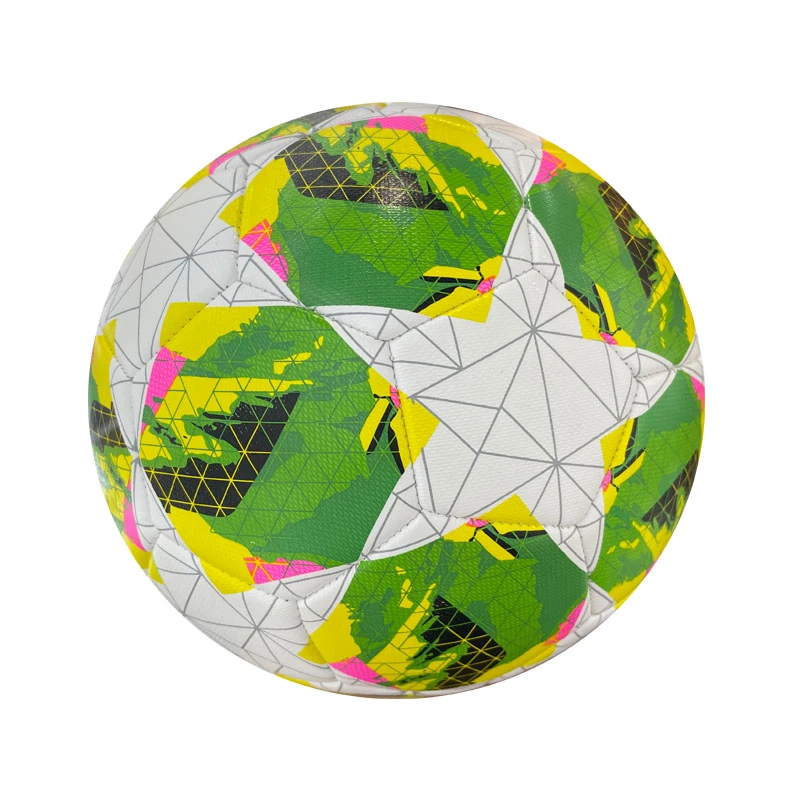
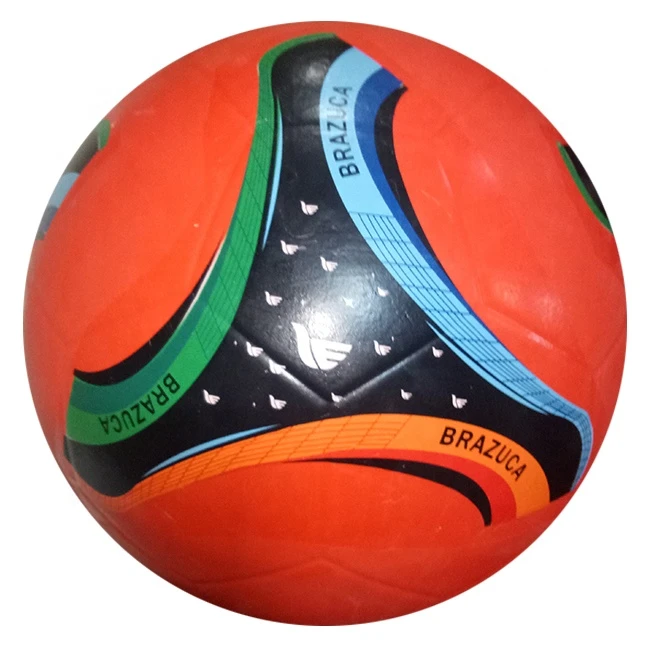
In the global sports equipment trade, the "mini ball" (often referred to as Size 1 or Skills balls) has transitioned from a simple novelty item to a staple of youth training and promotional marketing. Data from recent industry outlooks suggest that the inflatable ball market is projected to reach USD 13.6 billion by 2034, with recreational and promotional segments showing consistent growth. Unlike regulation size-5 balls, the mini soccer ball occupies a unique niche—perfect for touch development, training drills, and corporate branding.
For procurement directors, the challenge isn't finding a supplier; it’s identifying a factory capable of consistent quality control at scale. Whether you are stocking youth league starter kits or high-volume giveaways for promotional events, understanding the manufacturing cycle is critical to your ROI.
2. Manufacturing & Material Standards
At Hebei Starry Sports, we emphasize that a smaller footprint doesn't mean smaller expectations for performance. A well-constructed mini ball requires the same precision in stitching as a match ball.
| Feature | Standard Recommendation |
|---|---|
| Outer Material | TPU/PVC Hybrid for abrasion resistance |
| Bladder Type | Butyl for optimal air retention (recommended) |
| Construction | Machine-stitched or thermally-bonded |
| Certification | ISO 9001:2015, REACH/RoHS Compliant |
mini soccer ball mini soccer ball miniball soccer
Pro-Tip from our Production Manager: For clients in humid climates, avoid low-grade PVC that tends to become brittle. We advise a soft-touch PU laminate for better feel and longevity in the hands (or feet) of young athletes.
3. Avoiding Common Sourcing Pitfalls
Buying from China-based factories is straightforward, but risk management remains the differentiator between a successful launch and a failed inventory cycle. We frequently see importers suffer from:
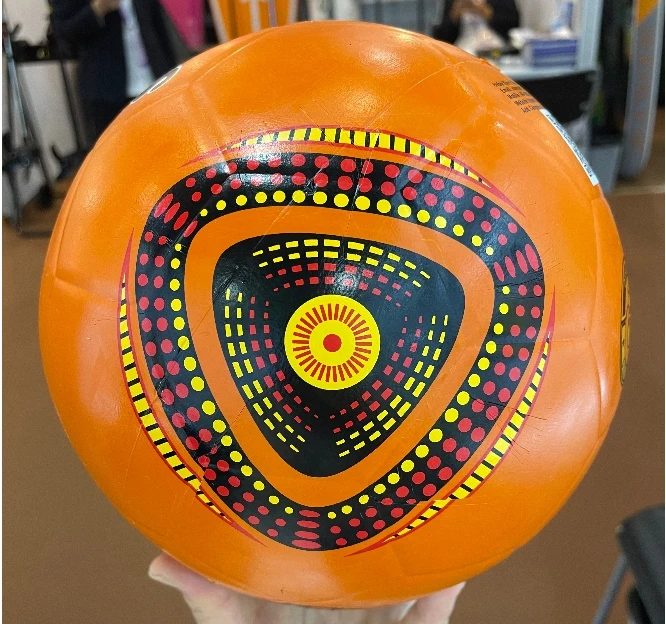
- Inconsistent Printing: Logos wearing off after minimal use because the ink curing process was rushed.
- Weight Imbalance: A lopsided bladder causing an erratic flight path.
- Late Lead Times: Poor coordination with local shipping hubs near Tianjin Port, leading to supply chain bottlenecks.
We recommend requesting a pre-production sample (PPS) sent via express courier before committing to a full container load. This allows you to verify the print quality and ball bounce under actual field conditions.
4. Logistics and Container Optimization
Being located in Cangzhou, Hebei, we are strategically positioned near major transportation arteries including the Jinpu Railway and No. 104 National Road. This allows us to move goods to Tianjin Port with minimal inland transit time.
For volume buyers, optimizing the CBM (Cubic Meter) is essential. Because mini soccer balls are shipped deflated, you can fit a significantly higher unit count per 40ft High Cube container compared to adult-sized balls. Discuss your specific palletization requirements with our logistics team to ensure you maximize your freight spend.
5. Frequently Asked Questions
- Q: What is the typical lead time for an OEM order?
- A: For custom branding, expect 25–35 days from sample approval to vessel departure, depending on order volume and current seasonal demand.
- Q: Can you handle custom logo colors and artwork?
- A: Yes, we utilize high-precision screen printing and UV-curing inks. Just provide your vector files (AI or EPS format).
- Q: What is the MOQ for branded mini soccer balls?
- A: Typically 1,000 units per design to ensure optimal production efficiency and cost-effectiveness for the client.
Ready to source your next shipment?
Whether you're looking for competitive pricing or need specific technical documentation, our engineering team is ready to assist.
Contact: +86 15713370191 | Export Dept, Hebei Starry Sports Goods Co., Ltd.