Apr . 23, 2026 11:06
Choosing the right basketball size is one of the most important decisions for wholesalers, sports equipment distributors, and brand owners. Whether you are supplying schools, clubs, training academies, or retail stores, understanding basketball sizing standards helps you meet customer expectations and avoid costly returns. From youth training balls to professional-grade equipment used in leagues like the NBA, each size serves a specific purpose.
In this complete guide, we break down basketball ball size standard, age recommendations, materials, and wholesale buying tips to help you build a competitive and profitable product line.
Understanding Standard Basketball Sizes and Their Uses
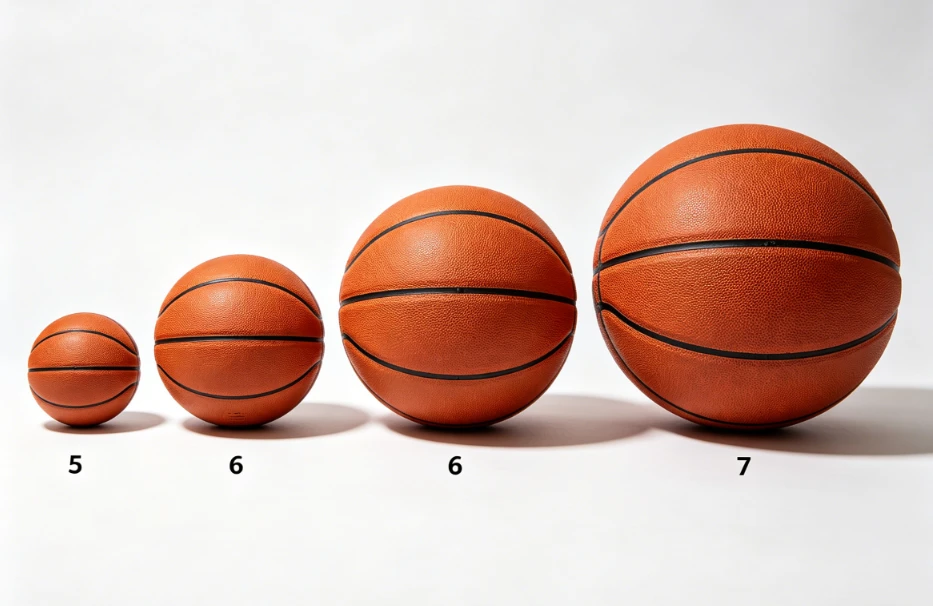
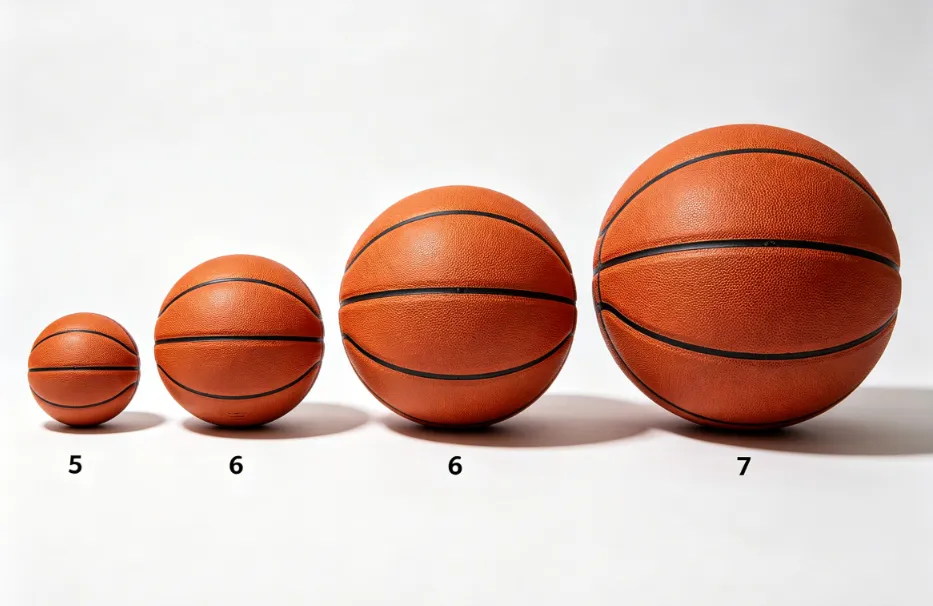
Basketball sizes are standardized globally to ensure consistency in gameplay and training. The most common sizes range from Size 1 (mini balls) to Size 7 (official professional balls). Each size differs in circumference, weight, and intended user group.
Size 7 (Official Men's Ball)
Circumference: 29.5 inches
Weight: ~22 oz
Used in professional men's leagues, including the NBA and international competitions.
Size 6 (Women's / Intermediate Ball)
Circumference: 28.5 inches
Weight: ~20 oz
Official size for women’s leagues such as the WNBA and for boys aged 12–14.
Size 5 (Youth Basketball)
Circumference: 27.5 inches
Ideal for children aged 9–11, commonly used in schools and youth training programs.
Size 3 & Mini Balls
Circumference: 22 inches or smaller
Best for toddlers, beginners, or promotional products.
For wholesalers, offering a full range of sizes ensures you can serve diverse markets, from early childhood education to professional sports institutions.
Age-Based Basketball Size Recommendations
Selecting the right basketball size based on age is essential for skill development and injury prevention. A ball that is too large or heavy can hinder proper shooting technique and reduce player confidence.
- Ages 3–5: Size 1–3 mini basketball
- Ages 6–8: Size 4 basketball
- Ages 9–11: Size 5 basketball
- Ages 12–14: Size 6 basketball
- Ages 15+: Size 7 basketball (boys) / Size 6 (girls)
Wholesale buyers targeting schools and academies should prioritize age-specific bundles. For example, elementary schools typically require Size 4 and Size 5 balls, while high schools demand official sizes aligned with league standards.
By aligning your inventory with these age groups, you improve customer satisfaction and increase repeat orders.
Material Differences Across Basketball Sizes
Basketball size is only one factor—material also plays a crucial role in performance, durability, and pricing. Wholesalers should understand how materials align with different usage scenarios.
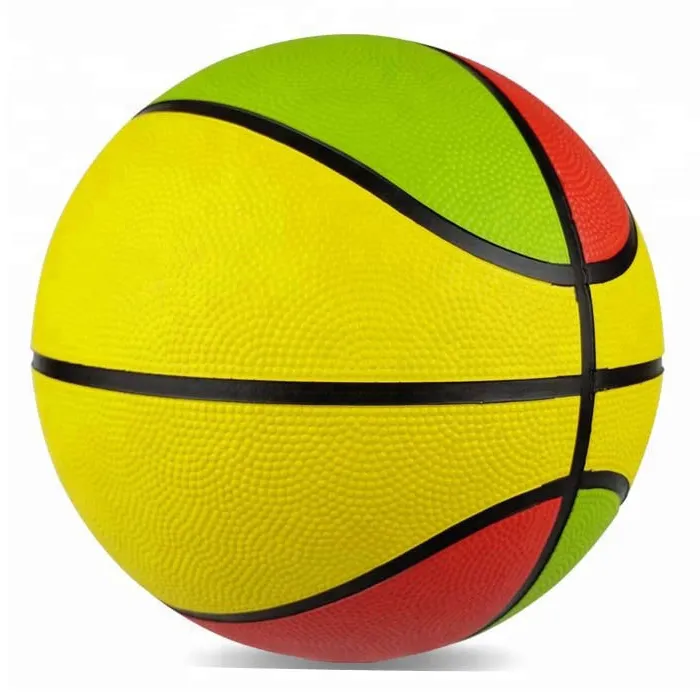
1. Rubber Basketballs
- Best for outdoor courts and rough surfaces
- Highly durable and cost-effective
- Common for youth sizes (Size 3–5)
2. Composite Leather Basketballs
- Suitable for both indoor and outdoor use
- Offers better grip and feel
- Popular in school and training environments
3. Genuine Leather Basketballs
- Premium option used in professional leagues like the NBA
- Requires break-in time
- Typically available in Size 7 and Size 6 only
For wholesale strategies, combining size and material options allows you to target different price segments—from budget-friendly training balls to high-end professional products.
Why Size Matters in Performance and Training
Using the correct basketball size directly impacts player development. Coaches and trainers emphasize size-appropriate balls to ensure proper shooting mechanics, dribbling control, and passing accuracy.
- Smaller balls (Size 3–5): Help young players develop hand-eye coordination
- Intermediate balls (Size 6): Bridge the gap between youth and professional play
- Official balls (Size 7): Prepare athletes for competitive matches
For distributors supplying training academies, promoting size-specific benefits can be a strong selling point. Educational marketing—such as size charts and usage guides—can also boost conversion rates.
Wholesale Buying Tips for Basketball Sizes
When sourcing basketballs in bulk, consider more than just price. A smart wholesale strategy balances quality, variety, and market demand.
1. Offer a Complete Size Range
Stocking Sizes 3–7 ensures you can serve schools, clubs, and retailers without limitations.
2. Customize for Branding
Mini basketballs (Size 1–3) are ideal for promotional campaigns, corporate gifts, and event giveaways.
3. Bundle by Target Market
- Schools: Size 4 + Size 5 packages
- Clubs: Size 6 + Size 7 training sets
- Retail: Mixed-size inventory
4. Focus on Certifications and Standards
Ensure your products meet official specifications used by organizations like the FIBA for international play.
5. Consider Shipping Efficiency
Different sizes affect packaging volume and shipping costs. Mini balls are lightweight and cost-effective for bulk export, while official balls require more space and higher freight planning.
Customization Options for Basketball Wholesale
Customization is a key differentiator in today’s competitive market. Many wholesalers and OEM buyers seek unique product features to stand out.
Popular customization options include:
- Logo printing for schools, teams, and brands
- Custom colors to match team identity
- Material upgrades (e.g., composite leather for mid-range markets)
- Packaging design for retail-ready products
Mini and youth basketballs are especially popular for branding due to their lower cost and wide appeal.
Common Mistakes to Avoid When Choosing Basketball Sizes
Even experienced buyers can make mistakes when selecting basketball sizes for wholesale. Avoid these common pitfalls:
- Ignoring target users: Always match size with age and skill level
- Overstocking one size: Diversify inventory to reduce risk
- Neglecting material quality: Cheap materials may lead to customer complaints
- Skipping market research: Demand varies by region and customer type
A balanced approach ensures your product lineup remains competitive and adaptable.
Conclusion: Building a Winning Basketball Product Line
Understanding basketball sizes is fundamental for anyone involved in wholesale distribution. From mini balls for young beginners to official Size 7 balls used in the NBA, each category serves a unique purpose.
By offering a full size range, selecting the right materials, and aligning with customer needs, wholesalers can maximize sales opportunities and build long-term partnerships. Whether you are supplying schools, sports clubs, or retail brands, a well-structured basketball size strategy is the key to success in this growing global market.
Basketball Size FAQs
1. What size basketball is used in professional games?
Professional men’s leagues like the NBA use Size 7 basketballs, while women’s leagues such as the WNBA use Size 6.
2. What size basketball should kids use?
Children aged 9–11 typically use Size 5, while younger kids use smaller sizes like Size 3 or 4.
3. Are smaller basketballs easier to use?
Yes, smaller basketballs are lighter and easier to handle, making them ideal for beginners and young players.
4. Can I customize basketball sizes for wholesale?
Absolutely. Most manufacturers offer customization in size, material, color, and logo printing.
5. Why is choosing the right size important?
The correct size improves skill development, enhances gameplay, and ensures a better user experience.