Apr . 23, 2026 10:50
When sourcing basketballs in bulk, understanding the difference between outdoor and indoor models isn’t just helpful—it directly impacts customer satisfaction, product lifespan, and wholesale profitability. Buyers who mismatch products to usage scenarios often face complaints, returns, and brand damage.
In this guide, we’ll break down the key differences between outdoor and indoor basketballs from a wholesale perspective, helping distributors, importers, and sports brands choose the right inventory mix.
What Defines Outdoor vs Indoor Basketballs?
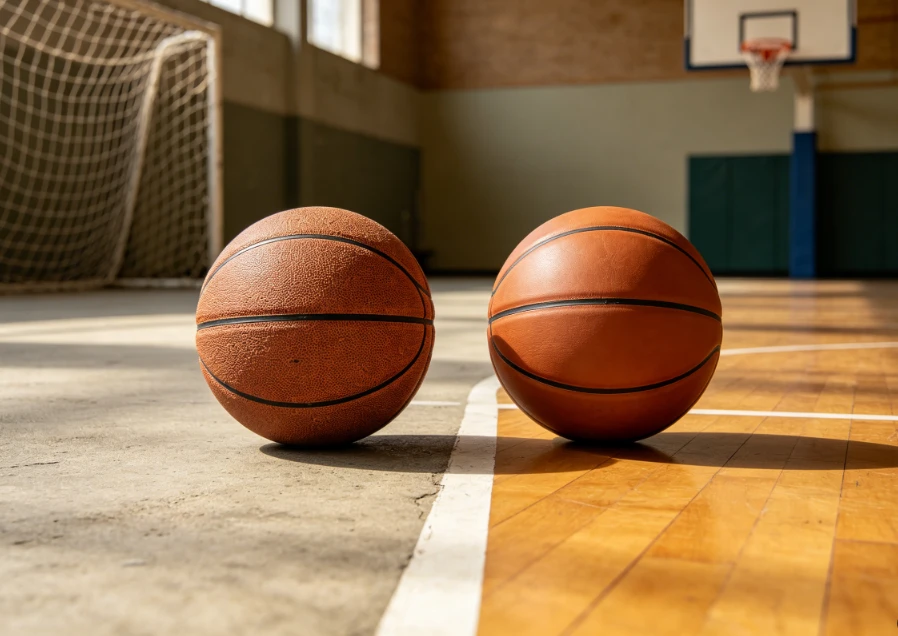
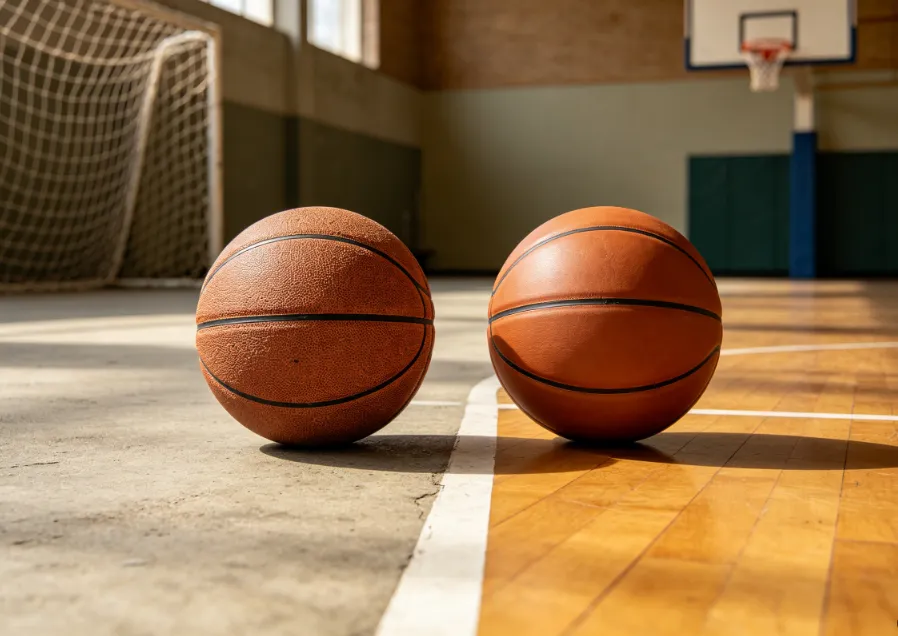
At the most basic level, the difference comes down to playing surface and material design. Indoor basketballs are built for smooth hardwood courts, while outdoor basketballs are engineered for rough surfaces like concrete and asphalt.
This environmental difference drives everything—from material selection to grip, durability, and pricing tiers.
For wholesalers, this means you are not just selling a ball—you are selling a specific use-case solution.
Material Differences: Rubber vs Leather vs Composite
Material is the most critical distinction and often the first factor buyers evaluate.
Indoor Basketball Materials
Indoor balls are typically made from:
- Full-grain leather
- High-end composite leather
These materials provide a soft feel, superior grip, and precise control, especially on polished courts.
However, they are delicate. Rough outdoor surfaces can quickly damage the surface, causing peeling or cracking.
Outdoor Basketball Materials
Outdoor basketballs are usually made from:
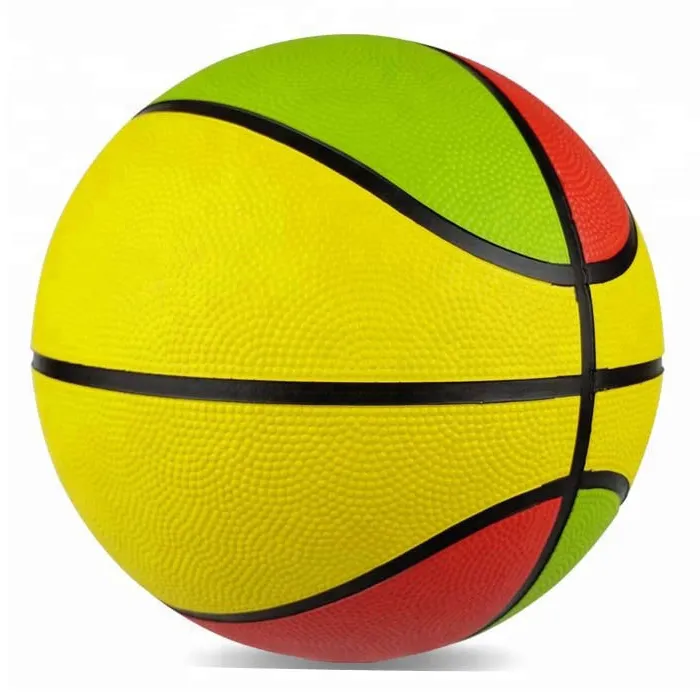
- Rubber
- Durable composite materials
These materials are abrasion-resistant and long-lasting, making them ideal for street courts.
The trade-off? They feel harder and offer less refined handling compared to indoor balls.
Wholesale Insight
- Rubber balls = low cost + high durability (mass market)
- Composite balls = mid-range + hybrid use
- Leather balls = premium segment (professional/indoor only)
Durability and Lifespan in Wholesale Supply
Durability is where outdoor basketballs clearly outperform indoor ones.
Outdoor courts are highly abrasive, which can quickly wear down softer materials.
Outdoor Basketball Durability
- Designed for heavy wear
- Resistant to rough surfaces
- Longer lifespan in harsh conditions
Indoor Basketball Durability
- Sensitive to scratches and friction
- Best used in controlled environments
- Can degrade quickly if misused outdoors
Wholesale Strategy
If your target customers include:
- Schools
- Community courts
- Recreational users
→ Outdoor basketballs should dominate your inventory.
For:
- Clubs
- Training academies
- Professional buyers
→ Indoor or premium composite balls are essential.
Grip, Feel, and Player Experience
From a user experience standpoint, grip and feel are major differentiators.
Indoor Basketball Feel
- Softer texture
- Better grip and control
- Improves over time (break-in effect)
Outdoor Basketball Feel
- Harder surface
- Less responsive touch
- Designed for consistency in dust and rough conditions
Why It Matters for Wholesale
Customer complaints often stem from:
- “Ball feels too hard”
- “Grip is poor indoors”
These issues usually arise when outdoor balls are used indoors.
Clear product labeling and buyer education can reduce return rates significantly.
Performance Differences: Bounce and Control
Performance is not just about material—it’s about how the ball behaves during play.
Indoor Basketball Performance
- Consistent bounce on hardwood
- Better shooting accuracy
- Ideal for competitive play
Outdoor Basketball Performance
- Slightly higher or less predictable bounce
- Built for uneven surfaces
- Focus on durability over precision
Although official weight standards remain the same, air pressure and material affect handling.
Wholesale Tip
For training institutions, performance consistency is crucial—indoor balls are preferred.
For casual play, durability outweighs precision—outdoor balls win.
Price Differences and Market Positioning
Pricing is another major distinction that affects wholesale margins.
Outdoor Basketball Pricing
- Lower production cost
- Ideal for bulk orders
- High demand in emerging markets
Indoor Basketball Pricing
- Higher due to premium materials
- Targeted at professional or semi-professional users
Hybrid (Indoor/Outdoor) Basketballs
These are increasingly popular because they:
- Balance durability and feel
- Reduce the need for multiple balls
- Appeal to budget-conscious buyers
However, hybrids often perform as a compromise rather than excelling in either environment.
Target Market Segmentation for Wholesale Buyers
Understanding your customer segments is essential for product selection.
Outdoor Basketball Buyers
- Schools and public institutions
- Street basketball players
- Retail chains targeting casual users
Indoor Basketball Buyers
- Sports clubs and academies
- Professional training centers
- High-end sporting goods stores
Hybrid Ball Buyers
- Youth programs
- Home users
- Multi-purpose facilities
Key Insight
A balanced wholesale catalog typically includes:
- 60–70% outdoor balls
- 20–30% indoor/outdoor balls
- 10–20% premium indoor balls
Packaging, MOQ, and Branding Considerations
Wholesale success isn’t just about product specs—it’s also about presentation.
Packaging Options
- Bulk packaging (cost-efficient)
- Retail-ready boxes (higher perceived value)
- Custom branding for private label
MOQ (Minimum Order Quantity)
- Rubber balls: low MOQ, easy entry
- Composite balls: moderate MOQ
- Leather balls: higher MOQ due to cost
Branding Opportunities
- Custom logos
- Team branding
- Promotional basketballs
Outdoor basketballs are often preferred for promotional use due to their durability and lower cost.
Outdoor vs Indoor Basketballs: Quick Comparison Table
| Feature | Indoor Basketball | Outdoor Basketball |
|---|---|---|
| Material | Leather / Composite | Rubber / Composite |
| Durability | Low (outdoor use) | High |
| Grip | Excellent | Moderate |
| Feel | Soft, premium | Harder |
| Surface | Hardwood courts | Concrete/asphalt |
| Price | Higher | Lower |
| Target Market | Professional | Mass/recreational |
How to Choose the Right Basketball for Wholesale
Choosing the right mix depends on your business model:
- High-volume distributors → Focus on outdoor rubber balls
- Sports specialty retailers → Add premium indoor models
- E-commerce sellers → Offer hybrid balls for flexibility
- Brand builders → Invest in customization and private labeling
The key is aligning your inventory with your customers’ actual playing environments—not just trends.
Conclusion
Outdoor and indoor basketballs may look similar, but their differences are fundamental. From material and durability to pricing and performance, each type serves a distinct purpose.
For wholesalers, success lies in:
- Understanding usage scenarios
- Offering the right product mix
- Educating buyers clearly
By doing so, you not only improve sales but also build long-term trust with your customers.
FAQs: Outdoor vs Indoor Basketballs Wholesale
1. Can indoor basketballs be used outdoors?
Technically yes, but they wear out quickly on rough surfaces and lose performance.
2. Are outdoor basketballs cheaper in bulk?
Yes, rubber materials reduce production costs, making them ideal for large orders.
3. What is the best option for mixed-use customers?
Indoor/outdoor composite basketballs are the most versatile choice.
4. Why do indoor basketballs feel better?
Because of their softer leather surface and superior grip design.
5. Which basketball type sells the most in wholesale?
Outdoor basketballs dominate due to durability and affordability.