
 By Alex Chen, Senior Export Manager
When we talk about a "normal size for a basketball," it sounds deceptively simple, doesn't it? Yet, in the intricate world of international B2B trade, precision in defining product specifications is paramount. For manufacturers, distributors, and procurement managers sourcing basketballs, understanding the standardized dimensions isn't just about fulfilling an order; it's about ensuring product suitability, compliance with regulations, and ultimately, customer satisfaction. This isn't a discussion for casual sports enthusiasts; it's a critical element for anyone involved in the wholesale export or OEM/ODM manufacturing of basketballs. We're delving into the specifics that matter on a global scale, considering everything from the recreational player to the semi-professional league. The "normal size" isn't a single, static definition, but rather a series of recognized standards that vary slightly depending on the intended user and governing body. Mastering these details is key to efficient sourcing and successful market penetration.
As a company that has been navigating the foreign trade market since 2016, Hebei Starry Sports Goods Co, Ltd has witnessed firsthand the importance of granular detail in product specifications. Our annual output of over 5 million sports balls, including basketballs, volleyballs, and footballs, serves a diverse global clientele across Asia, Europe, and South America. This experience has taught us that a seemingly minor detail, like the exact circumference or weight of a basketball, can have significant implications for import duties, shipping classifications, and even marketing strategies in different regions. Furthermore, understanding these standards is crucial for OEMs and ODMs aiming to produce balls that meet the stringent requirements of major sporting brands or national federations. We frequently work with clients who require balls compliant with FIBA (International Basketball Federation) standards, or specific youth league regulations, all of which hinge on precise measurements.
The global sports equipment market, with an estimated value projected to reach over USD 105 billion by 2034 (CAGR of 4.96%, as per Fortune Business Insights), demonstrates a robust demand for quality sporting goods. Within this, basketball equipment, including balls, holds a significant share. The basketball balls market alone was valued at approximately USD 2 billion in 2024, with projections indicating steady growth. This expansion is driven by a confluence of factors: increasing global participation in basketball, the continued influence of professional leagues like the NBA, and the proliferation of youth and collegiate programs worldwide. For suppliers like us, it means a consistent demand, but also a need to be acutely aware of the diverse requirements that dictate what constitutes a "normal" basketball size across different markets and player demographics.
Our commitment at Hebei Starry Sports Goods Co, Ltd, established in November 2014, is to bridge this gap between precise manufacturing and global market needs. We pride ourselves on not just meeting but exceeding expectations, whether it's for a custom OEM project or a bulk wholesale order. This deep dive into the "normal size" of a basketball is designed to equip international buyers, procurement managers, and distributors with the essential knowledge needed to make informed sourcing decisions. We'll explore the official standards, common variations, and the practical implications for your business. Understanding these metrics is the first step toward establishing reliable supply chains and delivering products that resonate with end-users, ensuring you are procuring the right product for the right market, every time.
At first glance, a basketball is a basketball. But for those involved in the global supply chain, the devil is in the details. The "normal size" for a basketball isn't a universal constant; it's a carefully defined specification dictated by governing bodies and intended use. For B2B importers, understanding these specifications is critical. It influences everything from product suitability for a target market to compliance with import regulations and even the logistics of shipping. A mismatch in perceived size can lead to costly returns, damaged client relationships, and missed opportunities in a competitive international market.
Hebei Starry Sports Goods Co, Ltd, with its extensive experience in exporting sports equipment, recognizes this complexity. Since 2016, we've been a reliable partner for businesses worldwide, consistently delivering high-quality basketballs, volleyballs, and footballs. Our operations are built on a foundation of technical expertise and market awareness, ensuring that we understand and fulfill the precise requirements of our global clientele. This isn't just about manufacturing; it's about providing solutions tailored to specific market needs, whether that's a FIBA-approved ball for a European league or a durable, cost-effective option for a developing market in South America.
The basketball market is substantial and growing. Reports suggest the global basketball balls market was valued around USD 2 billion in 2024 and is expected to see consistent growth. This upward trend is fueled by increasing participation rates globally, the enduring popularity of professional leagues, and the development of grassroots programs. For wholesale buyers, this presents a stable and expanding market, but it also necessitates a thorough understanding of product variations. The term "normal size" often defaults to the standard men's basketball (Size 7), but this overlooks critical segments like women's basketball (Size 6), youth leagues (Size 5, 4, and even 3), and specialized indoor/outdoor variants. Failing to account for these distinctions can lead to suboptimal inventory and missed sales.
Our role as a manufacturer and exporter is to demystify these standards for our partners. We offer not just products, but also the insights gained from years of experience in international trade. This page aims to clarify what constitutes a "normal size" basketball, explore the governing standards, and guide you through the procurement process to ensure you source effectively. Whether you're a distributor looking to stock up or an OEM seeking a manufacturing partner, precise knowledge of basketball sizing is your first step towards a successful transaction and sustained business growth.
When we discuss the "normal size" basketball, the primary reference points for professional play are the standards set by FIBA (International Basketball Federation) and the NBA (National Basketball Association). While often similar, subtle differences can be crucial for international procurement. These governing bodies establish specifications for size, weight, and inflation pressure to ensure fair competition and standardized performance. Understanding these distinctions is not just academic; it's a practical necessity for suppliers aiming to cater to global markets or specific league requirements.
FIBA Standards: The International Basketball Federation governs basketball worldwide. For men's professional and elite amateur play, FIBA specifies a ball with a circumference between 72 and 74 cm (approximately 28.3 to 29.1 inches) and a weight between 567 and 650 grams. This corresponds to what is commonly known as a "Size 7" basketball. FIBA also has specific standards for women's basketball (Size 6) and junior levels. Manufacturers aiming for international distribution, particularly for official competitions, must adhere strictly to these FIBA guidelines. Our manufacturing processes are designed to produce balls that consistently meet or exceed these critical dimensions.
NBA Standards: The NBA, while aligning closely with FIBA in many aspects, has its own set of specifications. The official NBA game ball typically has a circumference of 75 to 76 cm (approximately 29.5 to 29.9 inches) and a weight of 567 to 624 grams. This slightly larger circumference is a hallmark of the NBA game ball. For procurement managers targeting markets heavily influenced by NBA branding or those specifically seeking NBA-replicas or licensed products, these specifications are paramount. The difference, though seemingly small, affects the feel and handling of the ball.
Practical Implications for Buyers: For wholesale buyers and distributors, this means clarity is key. If you are sourcing basketballs for resale, knowing your target market's primary governing body or league is essential. Are you supplying to schools that follow national federations, or are you focusing on merchandise that mirrors professional leagues? At Hebei Starry Sports, we work with clients to ensure they receive balls that match their intended application. We can produce basketballs conforming to FIBA standards, NBA specifications, or more general recreational sizes. This flexibility in our OEM/ODM capabilities allows us to serve a broader spectrum of the international market.
The global ball sports equipment market is dynamic, with basketball being a significant contributor. Growth is propelled by factors such as increasing sports participation, especially among youth, and the commercial appeal of professional leagues. Procurement managers must therefore stay abreast of these evolving standards and market demands to make informed sourcing decisions that align with their business objectives and customer expectations.
Beyond the professional arenas, basketballs are produced in a range of sizes to accommodate players of all ages and skill levels. Understanding this spectrum is crucial for B2B buyers looking to stock inventory that meets diverse market demands. A "normal size" can therefore refer to several different specifications, each targeted at a specific user group. For us at Hebei Starry Sports, offering a comprehensive range is part of our commitment to being a full-service supplier.
| Size | Circumference (Inches) | Circumference (cm) | Weight (oz) | Weight (grams) | Primary User Group |
|---|---|---|---|---|---|
| Size 7 | 29.5 inches | 75 cm | 20-22 oz | 567-650 g | Men's Professional, Collegiate, High School |
| Size 6 | 28.5 inches | 72.4 cm | 17-19 oz | 490-567 g | Women's Professional, Collegiate, High School; Youth Boys (12-14) |
| Size 5 | 27.5 inches | 69.9 cm | 15-17 oz | 425-490 g | Youth (ages 9-11); Official Size for Junior Leagues |
| Size 4 | 25.5 inches | 65 cm | 14-15 oz | 397-425 g | Youth (ages 6-8) |
| Size 3 | 22 inches | 56 cm | 10-12 oz | 283-340 g | Young Children (ages 5 and under) |
normal size of basketball normal basketball size size of a regular basketball
As you can see, the term "normal size" is context-dependent. For many international wholesale buyers, especially those targeting general consumer markets or recreational use, Size 7 represents the most common "normal" basketball. However, failing to offer Size 6 for women's leagues or Size 5 for youth programs means leaving a significant portion of the market untapped. Our expertise at Hebei Starry Sports lies in helping you identify the most relevant sizes for your target regions and demographics. We can advise on popular sizes in specific countries based on our export data and market insights.
It's also worth noting that while these are standard sizes, variations in inflation can slightly alter the feel and dimensions. Proper inflation is crucial for optimal performance and to ensure the ball adheres to its designated size category. This is a detail we emphasize in our product packaging and recommendations to end-users, contributing to product longevity and satisfaction.
The material used to construct a basketball significantly influences its durability, grip, feel, and even how it maintains its size and shape over time. For international procurement, understanding these material properties is as important as knowing the dimensions. Different materials offer varying levels of performance and price points, catering to diverse market segments, from budget-friendly recreational balls to high-performance professional models. Hebei Starry Sports leverages a range of materials to meet these varied demands.
Composite Leather: This is a prevalent material for indoor and outdoor basketballs, especially those aiming for a feel close to genuine leather but with enhanced durability and water resistance. Composite leather balls tend to maintain their size and shape well, offering a consistent bounce and grip. Many professional and high-level recreational balls utilize advanced composite leather. Our OEM/ODM capabilities allow us to source and utilize top-grade composite materials to meet specific client requirements for feel and performance.
Genuine Leather: Traditionally used for indoor professional basketballs, genuine leather offers superior grip and a distinct feel that many players prefer. However, it is less durable outdoors and requires more maintenance. Leather balls also tend to be more expensive and may require a break-in period. While less common in bulk wholesale for general markets due to cost and maintenance, we can certainly produce high-quality genuine leather basketballs for specialized orders.
Rubber: Rubber basketballs are typically the most affordable and durable option, making them ideal for outdoor use, streetball, and recreational play. They offer excellent grip on rough surfaces and are highly resistant to wear and tear. While they might not offer the precise feel of leather or composite balls, their longevity and cost-effectiveness make them a staple in many markets. For large volume orders targeting price-sensitive segments, rubber balls are often the preferred choice. We produce a wide array of rubber basketballs, from basic models to those with enhanced grip patterns.
Polyurethane (PU) and PVC: These synthetic materials are commonly used in mid-range and entry-level basketballs. PU offers a good balance of durability, grip, and water resistance, often mimicking the feel of composite leather. PVC is generally more economical and robust, making it a good choice for very low-cost options or highly durable outdoor balls. The construction method, whether stitched, glued, or thermally bonded, also plays a role in how well these materials maintain the ball's intended size and spherical integrity. Our manufacturing techniques focus on ensuring optimal material performance regardless of the chosen construction.
The choice of material impacts not only the feel but also the lifespan and cost of the basketball. For B2B buyers, aligning material selection with the intended application and price point of the target market is a key strategic decision. We provide detailed material specifications for all our products, enabling you to make informed choices that maximize value and performance for your customers.
Sourcing basketballs internationally involves more than just specifying a size. For procurement managers and B2B distributors, a comprehensive approach is necessary to ensure quality, cost-effectiveness, and timely delivery. At Hebei Starry Sports Goods Co, Ltd, we've honed our processes over years of international trade to provide a seamless experience for our clients. Here are key considerations when procuring basketballs:
Making informed decisions regarding these procurement factors is essential for a successful international sourcing strategy. Our experienced export team is here to guide you through every step, ensuring you receive the best possible products and service.
At Hebei Starry Sports Goods Co, Ltd, our manufacturing capabilities are the cornerstone of our ability to serve the global market. Established in November 2014, we have grown into a significant player in the sports ball industry, boasting an annual output of over 5 million units. Our strategic location in Xingji Town, Cangzhou City, near major transportation routes and Tianjin Port, ensures efficient logistics and timely delivery to international destinations.
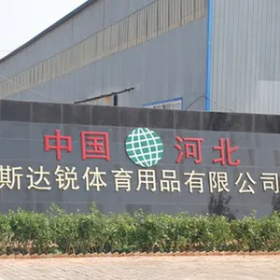
State-of-the-art production lines.
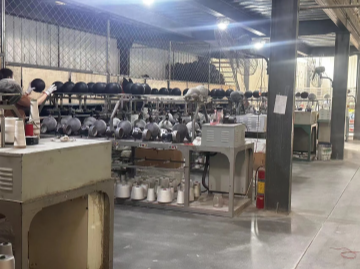
Rigorous quality assurance.
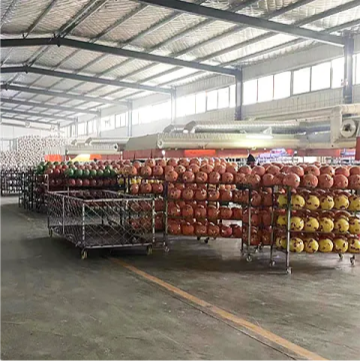
Precision material handling.
Our 67,000 square meter facility is equipped with advanced machinery and operated by a skilled workforce of 316 dedicated employees. This capacity allows us to manage large-scale production runs efficiently while maintaining a keen eye for detail. We specialize in producing footballs, basketballs, and volleyballs, with a particular focus on adhering to international standards and client-specific OEM/ODM requirements.
Key Strengths:
Choosing Hebei Starry Sports means partnering with a factory that understands the nuances of international trade and is committed to delivering excellence in every ball produced.
Generally, Size 7 (29.5 inches circumference) is considered the standard "normal size" for men's professional, collegiate, and high school basketball. However, for broader market appeal, stocking Size 6 (women's standard) and Size 5 (youth standard) is highly recommended for wholesale distribution.
Yes, we can. While the NBA ball is slightly larger and heavier than the FIBA standard, our manufacturing capabilities allow us to produce basketballs that precisely match either set of specifications. We can also produce balls that fall within the accepted range for general recreational use.
Rubber basketballs are generally the most durable for rough outdoor surfaces and offer excellent longevity. Composite leather basketballs can also be designed for outdoor use and offer a better feel and grip, but they may show wear more quickly on abrasive courts compared to pure rubber.
Lead times for a standard container order of basketballs typically range from 45 to 60 days from order confirmation and deposit, depending on current production schedules and customization requirements. We provide more precise estimates upon order placement.
Absolutely. We encourage sample orders to ensure client satisfaction with quality, size, and materials before committing to a large bulk purchase. Sample costs and shipping fees would apply.

"We've been sourcing basketballs from Hebei Starry for our distribution network for three years now. Their understanding of Size 7 and Size 6 specifications is spot on, and the quality consistency across large orders is impressive. Reliable shipments too."

"We needed durable outdoor basketballs for a school program. Starry Sports provided excellent rubber options in Size 5 that have held up remarkably well. Their communication regarding lead times and shipping was clear and professional."

"As an OEM partner, Starry Sports delivered beyond expectations. They perfectly replicated our brand's desired basketball specifications, from grip pattern to panel construction, meeting FIBA size requirements precisely. Highly recommended for custom projects."
Ensure you're getting the right size, quality, and value for your international basketball orders. Partner with Hebei Starry Sports Goods Co, Ltd, a trusted manufacturer with global reach and a commitment to excellence.
WELCOME TO INQUIRE


LATEST NEWS
Crafted with precision and care, our soccer ball features a durable rubber core that ensures excellent bounce and resilience. The rubber material is not only lightweight but also provides the ideal amount of grip, allowing players to control the ball with ease. This means you can focus on perfecting your shots, passes, and tricks without worrying about the ball slipping away from you.
26,04 , 2026
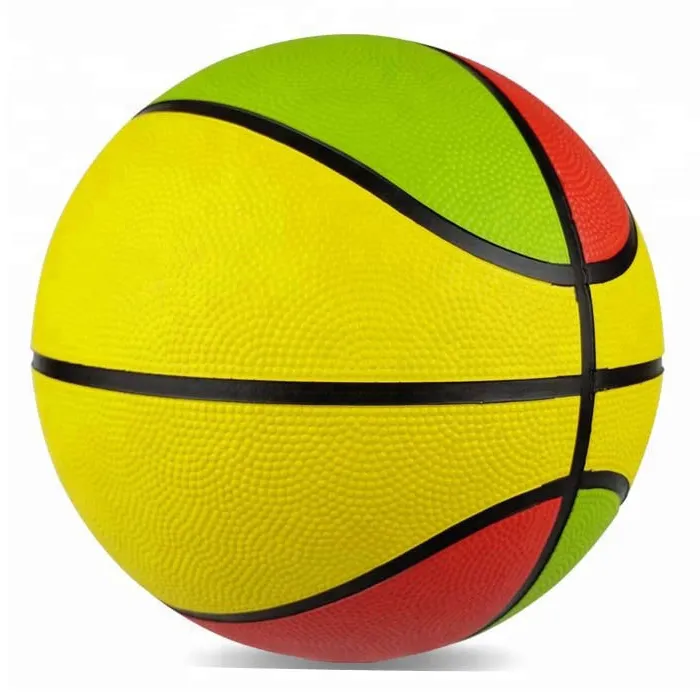
Custom Mini Basketball Ball for Branding and Promotional Use
In today’s competitive marketplace, brands are constantly searching for creative, cost-effective way
READ MORE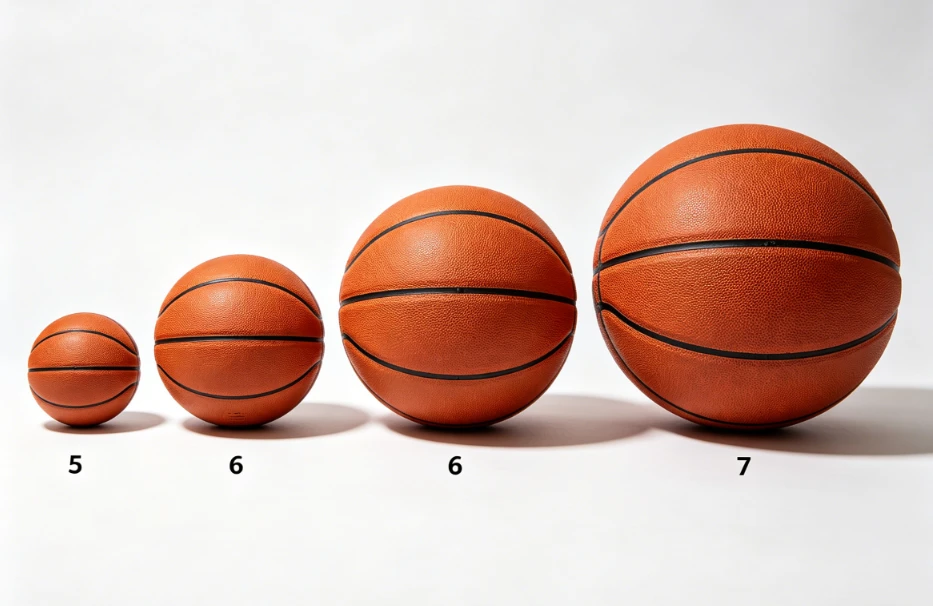
24,04 , 2026
Size Guide for Basketballs Wholesale: From Youth to Professional
Choosing the right basketball size is one of the most important decisions for wholesalers, sports eq
READ MORE
23,04 , 2026
Outdoor vs Indoor Basketballs Wholesale: Key Differences
When sourcing basketballs in bulk, understanding the difference between outdoor and indoor models is
READ MORE