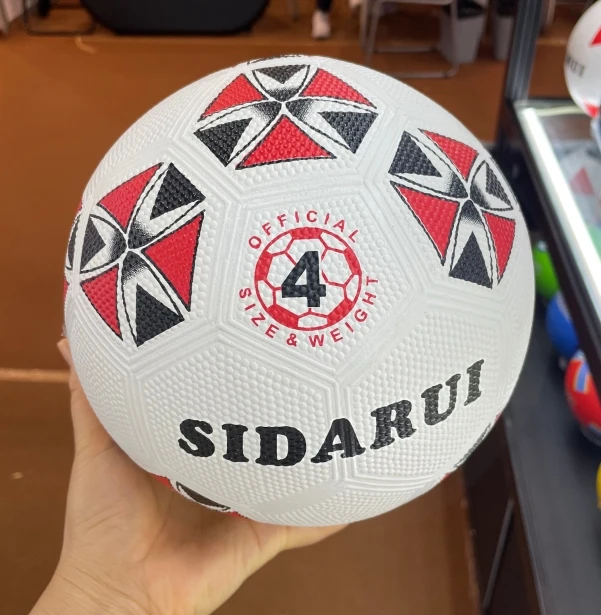
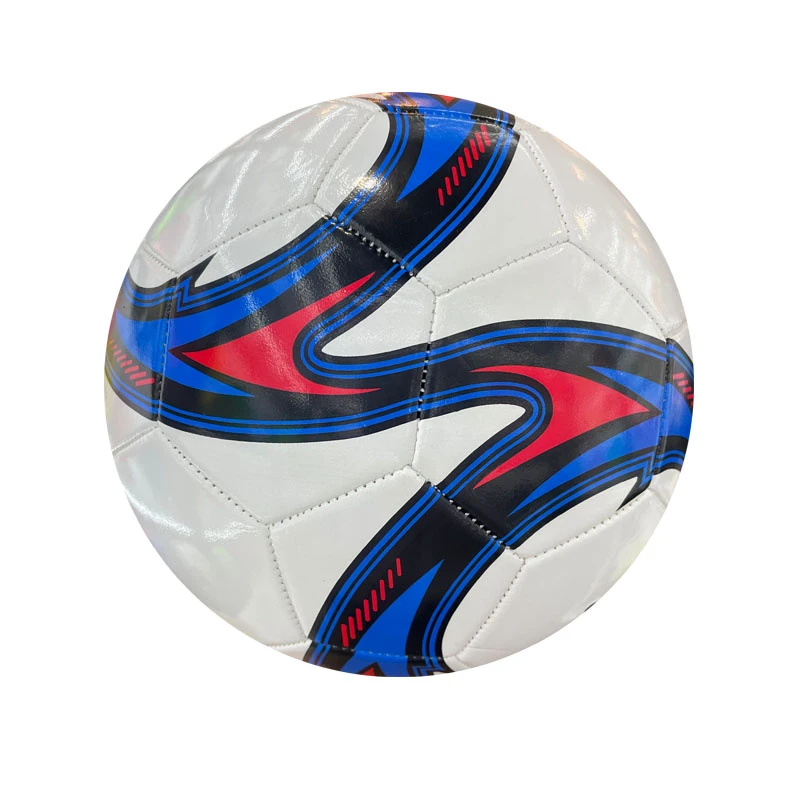
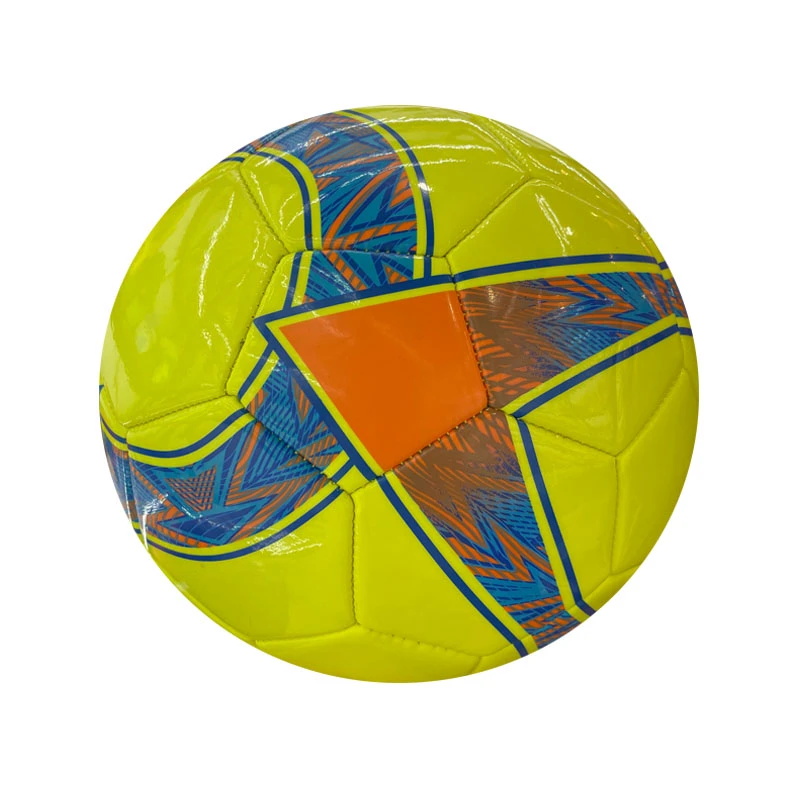
Understanding the OEM Soccer Ball Market
For brands, distributors, and sports organizations looking to establish a unique presence in the global football (soccer) arena, the OEM (Original Equipment Manufacturer) soccer ball sector is critical. It’s more than just slapping a logo on a generic ball; it’s about delivering a product that embodies your brand’s commitment to quality, performance, and value. The global soccer ball market, as reported by Mordor Intelligence, was valued at approximately USD 8.47 billion in 2025, with projections to reach USD 9.97 billion by 2031. This robust market indicates a sustained demand, driven by increasing participation rates worldwide, the growing popularity of youth and women’s football programs, and the anticipation surrounding major international tournaments. Size 5 balls, particularly, continue to dominate, holding over 51% of the market share, reflecting their universal use in both professional matches and widespread training. Our role as an OEM manufacturer is to be the bedrock of your product line, ensuring consistency, durability, and a superior playing experience for end-users across diverse markets.
The complexity of sourcing custom soccer balls extends beyond simple aesthetics. Buyers are increasingly looking for balls that meet specific performance criteria, adhere to international standards, and can be reliably produced at scale. The market is dynamic, with innovations in materials like thermally-bonded polyurethane (PU) and thermoplastic polyurethane (TPU) enhancing sphericity, water resistance, and overall durability. As highlighted by Business Research Insights, the global soccer balls market is projected to grow to USD 7.41 billion by 2035 with a CAGR of 9.32%, signaling significant growth potential for those who can deliver on quality and innovation. This growth is fueled not just by professional leagues but also by the expanding grassroots development initiatives and the increasing penetration of e-commerce for sports equipment. We understand these market dynamics intimately, positioning ourselves not just as a manufacturer, but as a strategic partner capable of navigating these complexities for your brand’s benefit.
Navigating the landscape of OEM soccer ball suppliers requires diligence. You need a partner who can translate your brand vision into tangible, high-performing products. This involves deep dives into material science, construction techniques, and quality control protocols. For instance, the choice between hand-stitched, machine-stitched, or thermally-bonded panels significantly impacts a ball's performance, durability, and water absorption. Thermally-bonded construction, favored in premium match balls, offers superior sphericity and reduced water uptake compared to traditional stitched methods. LinkedIn reports indicate a CAGR of roughly 9.40% for the soccer ball market, reaching USD 6.84 billion by 2034, driven by factors such as flight consistency and longevity improvements. At Hebei Starry Sports Goods Co., Ltd., our focus is on providing transparency in these manufacturing processes, allowing you to make informed decisions and ensuring that the final product aligns perfectly with your market positioning and performance expectations. Our established presence since 2014, coupled with an export market entry in 2016, provides a solid foundation of experience and market understanding.
The demand for soccer balls is not monolithic. It spans professional match balls requiring FIFA Quality Pro certification, training balls emphasizing durability and cost-effectiveness, and promotional balls for brand activations. Verified Market Research notes a market valuation of USD 3.30 billion in 2024, with a projected growth to USD 4.15 billion by 2032 (CAGR of 3.9%). This segment is influenced by factors such as distribution channel preferences (online vs. offline) and specific ball size requirements. As an OEM provider, we cater to this diversity. Whether you require standard PU or advanced composite materials, unique panel designs, or specific bladder types for optimal air retention, our manufacturing capabilities are designed to be flexible and responsive. We aim to be your single point of contact for all custom soccer ball needs, simplifying your supply chain and ensuring you receive products that resonate with your target audience, be it professional athletes, amateur leagues, or recreational players.
Key Market Drivers for OEM Soccer Balls:
- Global Participation Growth: More players mean more demand across all levels.
- Youth & Women's Football Initiatives: Targeted programs are expanding the player base significantly.
- Technological Advancements: Innovations in materials and construction drive product evolution.
- Major Tournaments: Events like the World Cup create spikes in demand and brand visibility.
- E-commerce Expansion: Increased online sales channels for sports equipment.
Challenges in Sourcing Custom Soccer Balls
Procuring custom soccer balls from overseas manufacturers can present a unique set of operational hurdles. One primary concern for purchasing managers is quality inconsistency. Without stringent oversight, different production batches can vary in material performance, stitching integrity, and inflation characteristics. This is particularly critical for balls intended for competitive play, where subtle variations can impact match outcomes. The data from Dataintelo suggests a market valued at USD 2.5 billion in 2023, likely to reach USD 5.8 billion by 2032 at a CAGR of 9.6%. Within this growth, ensuring consistent quality across large volumes is paramount for brand reputation.
Another significant pain point is unreliable lead times and logistical complexities. International shipping involves customs, potential delays, and the need for precise container loading to optimize costs. A missed deadline for a key promotional event or the start of a season can have substantial financial repercussions. Our location near Tianjin Port and our experience since 2014 in foreign trade markets are designed to mitigate these risks by ensuring efficient logistics and transparent communication regarding production and shipping schedules. We understand that delivery timelines are not just estimates; they are critical components of your go-to-market strategy.
Communication barriers and cultural differences can also lead to misunderstandings regarding product specifications and branding requirements. What might seem straightforward in one market can be interpreted differently elsewhere. This is where clear, detailed communication protocols and a dedicated point of contact, like our experienced export team, become invaluable. We prioritize understanding your exact needs, from the exact PMS color for your logo to the precise feel and bounce characteristics required for your target player segment. This proactive approach minimizes errors and ensures your vision is accurately translated into the final product.
Furthermore, minimum order quantities (MOQs) and production flexibility can be restrictive. Smaller brands or those testing new markets might find it challenging to meet the high MOQs often imposed by large-scale factories. We strive to offer adaptable solutions, balancing efficient mass production with the needs of businesses requiring more tailored order sizes. Our annual output of over 5 million various sports balls demonstrates our capacity, yet our operational structure allows for flexibility to accommodate diverse client requirements.
Common Sourcing Pitfalls to Avoid:
- Vague Specifications: Lack of precise details on materials, weight, circumference.
- Ignoring Certifications: Failing to verify if balls meet FIFA Quality standards for competitive play.
- Underestimating Lead Times: Not factoring in production, quality control, and transit durations.
- Relying Solely on Price: Sacrificing quality and durability for a lower unit cost.
- Poor Communication Channels: Limited access to production updates or technical support.
Why Choose Our OEM Soccer Ball Services
At Hebei Starry Sports Goods Co., Ltd., we offer more than just manufacturing; we provide a comprehensive OEM partnership built on experience, expertise, and unwavering commitment to quality. Our journey in the foreign trade market since 2016 has equipped us with invaluable insights into global supply chain dynamics and international buyer expectations. We pride ourselves on delivering consistent quality, leveraging advanced production techniques, and ensuring that every ball leaving our facility meets rigorous standards.
Our factory, situated in Xingji Town, Cangzhou City, benefits from strategic logistical advantages, being approximately 100 kilometers from Tianjin Port. This proximity facilitates efficient international shipping, reducing transit times and costs for our global clientele. Covering an expansive 67,000 square meters with a dedicated workforce of 316 individuals, our production capacity is substantial, with an annual output exceeding 5 million sports balls. This scale allows us to handle large orders while maintaining meticulous attention to detail and quality control for each unit.
We understand that the success of your brand hinges on the reliability and performance of your products. That's why we invest heavily in material sourcing and quality assurance. Whether you require FIFA Quality Pro, FIFA Quality, or IMS (International Match Standard) certified balls, we can meet your specifications. Our material options range from durable PU and high-grade TPU to cost-effective PVC, all selected for their performance characteristics and longevity. We also specialize in advanced construction methods, including thermally-bonded panels, which provide superior sphericity, reduced water absorption, and enhanced durability—a key factor driving market growth as noted in industry reports.
Our commitment extends beyond the production line. We offer full OEM and ODM (Original Design Manufacturer) services. This means we can work with your existing designs and specifications, or collaborate with your team to develop entirely new product concepts, from initial design sketches to final production. Our experienced team stays abreast of market trends, such as the increasing demand for "smart" balls with embedded sensors for performance tracking, and can guide you through the innovation process. With a total revenue exceeding 30 million in 2023 and customer coverage in 80% of global regions, our track record speaks for itself.
Our OEM Advantage:
- Experienced Manufacturer: Established in Nov 2014, with extensive foreign trade experience since 2016.
- Strategic Location: Close proximity to Tianjin Port for efficient global logistics.
- High Capacity: Annual output over 5 million balls ensures scalability.
- Quality Focus: Commitment to international standards and performance.
- Full Service: Offering both OEM and ODM capabilities.
- Global Reach: Serving clients in 80% of global regions.
Technical Specifications & Materials
Selecting the right materials and construction for your OEM soccer balls is paramount to their performance and durability. The choice directly impacts how the ball flies, its feel, and its resilience under various playing conditions. As the market matures, there's a clear trend towards advanced materials and construction methods to enhance player experience and product longevity. The Mordor Intelligence report highlights that innovations in materials and construction are key drivers, enhancing flight stability and performance tracking. We offer a range of options to meet diverse needs and price points.
Our primary casing materials include:
- Polyurethane (PU): A premium synthetic leather offering excellent softness, feel, and durability. It performs well in various weather conditions and is the material of choice for high-end match balls. PU also tends to age well, retaining its performance characteristics over time.
- Thermoplastic Polyurethane (TPU): Similar to PU but often more durable and resistant to abrasion. TPU is commonly used in thermally-bonded balls, providing a smooth, consistent surface and excellent water resistance, crucial for consistent play in wet conditions.
- Polyvinyl Chloride (PVC): A more economical option, PVC balls are known for their durability and resistance to wear, making them ideal for training, recreational use, or promotional purposes where cost-effectiveness is a priority.
- Composite Leather: A blend of materials offering a balance of performance, durability, and cost, suitable for a wide range of applications.
Construction methods are equally critical:
- Thermally-Bonded: Panels are fused together using heat and pressure, creating a seamless surface. This method offers superior sphericity, minimal water absorption, excellent durability, and a consistent feel. It's the standard for professional match balls.
- Hand-Stitched: Panels are sewn together by skilled artisans. This traditional method offers a unique feel and is often used for higher-end balls, though it can be more time-consuming and potentially absorb more water than bonded balls.
- Machine-Stitched: Panels are sewn together by automated machines. This is a cost-effective method, typically used for training and recreational balls, offering good durability at a lower price point.
We also pay close attention to the bladder, typically using high-quality butyl or latex bladders to ensure excellent air retention and consistent rebound. Our commitment to these technical details ensures that your custom soccer balls will perform as expected, meeting international standards for size, weight, circumference, and rebound.
Standard Specification Table (Size 5 Match Ball Example):
| Parameter | Specification | Standard Reference |
|---|---|---|
| Circumference | 68-70 cm (27-28 inches) | FIFA Laws of the Game |
| Weight | 410-450 g (14.5-15.9 oz) | FIFA Laws of the Game |
| Diameter | 21.6-22.3 cm (8.5-8.8 inches) | Derived from circumference |
| Rebound | 100-155 cm (at room temperature) | FIFA Quality/Pro Standards |
| Water Absorption | Max 10% (PU/TPU), Max 20% (PVC) | FIFA Quality/Pro Standards |
| Shape Retention | After 2000 kicks, deviation < 1.5% | FIFA Quality/Pro Standards |
oem pvc soccer ball odm soccer ball oem pu soccer ball
Note: Specifications can be customized based on client requirements and intended use (e.g., training, match, promotional).
Our Manufacturing Prowess
At Hebei Starry Sports Goods Co., Ltd., our manufacturing process is the engine that drives our ability to deliver high-quality OEM soccer balls consistently and efficiently. Spanning 67,000 square meters, our facility is equipped with modern machinery and adheres to strict operational protocols designed to optimize production flow and maintain quality at every stage. We understand that robust manufacturing capabilities are the foundation of trust for our international B2B partners.
Our production workflow begins with material selection and quality inspection. Raw materials, including PU, TPU, PVC, and bladder components, undergo rigorous checks to ensure they meet specified standards for durability, texture, and performance. This upfront quality control is critical; using substandard materials, even with perfect construction, will result in a poor-quality ball. We work with reputable suppliers and maintain strict incoming material inspection protocols.
For panel-based balls, the next step involves precise cutting and printing. Advanced cutting machinery ensures accurate panel shapes, while high-resolution printing allows for intricate branding and design application according to your specifications. Whether it’s a multi-color logo or a complex graphic, our printing capabilities ensure vibrant and durable finishes.
The core of our manufacturing expertise lies in the assembly process. For thermally-bonded balls, panels are precisely positioned and then fused in specialized molds under controlled heat and pressure. This method requires meticulous calibration to ensure perfect seam sealing and optimal sphericity. For stitched balls, experienced technicians perform either hand or machine stitching, ensuring tight, uniform seams that contribute to the ball's overall integrity and performance. The bladder is then inserted and secured before final inflation.
Following assembly, quality control checks are performed at multiple points. This includes visual inspections for defects, dimensional checks (circumference, diameter), weight verification, rebound testing, and water absorption tests for relevant certifications. Balls intended for FIFA Quality or FIFA Quality Pro certification undergo further rigorous testing in accredited laboratories. Our internal QC team ensures that all balls meet not only international standards but also your specific brand requirements before they are packaged for shipment.
Manufacturing Highlights:
- Advanced Machinery: State-of-the-art equipment for cutting, printing, bonding, and stitching.
- Skilled Workforce: Experienced technicians and artisans dedicated to quality craftsmanship.
- Automated & Manual Processes: Leveraging technology for efficiency and human skill for precision.
- Inline Quality Control: Multi-stage inspection processes throughout production.
- Scalable Capacity: Designed to meet large volume demands efficiently.
We are open to factory audits and welcome partnerships that value transparency in manufacturing.
Application Scenarios for Custom OEM Soccer Balls
OEM soccer balls serve a diverse range of applications, each requiring specific characteristics and branding. Understanding these use cases helps in selecting the right materials, construction, and certifications for your custom order. The broad appeal of soccer ensures a consistent demand across various segments of the sports and promotional markets.
1. Professional & Competitive Match Balls: These balls must adhere to the highest standards, typically requiring FIFA Quality Pro or FIFA Quality certification. They are used in professional leagues, tournaments, and high-level amateur competitions. Key features include exceptional sphericity, consistent flight trajectory, superior durability, and minimal water absorption. Thermally-bonded construction using premium PU or TPU is standard for these applications. The Business Research Insights report estimates the global soccer balls market growth to be substantial, driven by such premium segments.
2. Training & Practice Balls: Designed for durability and cost-effectiveness, training balls see heavy use on various surfaces. While they might not carry top-tier certifications, they must still offer reliable performance. Materials like PVC and robust stitched constructions are common. These balls are essential for clubs, schools, and academies to support player development. The Youth Sports Market report highlights the significant demand driven by youth participation.
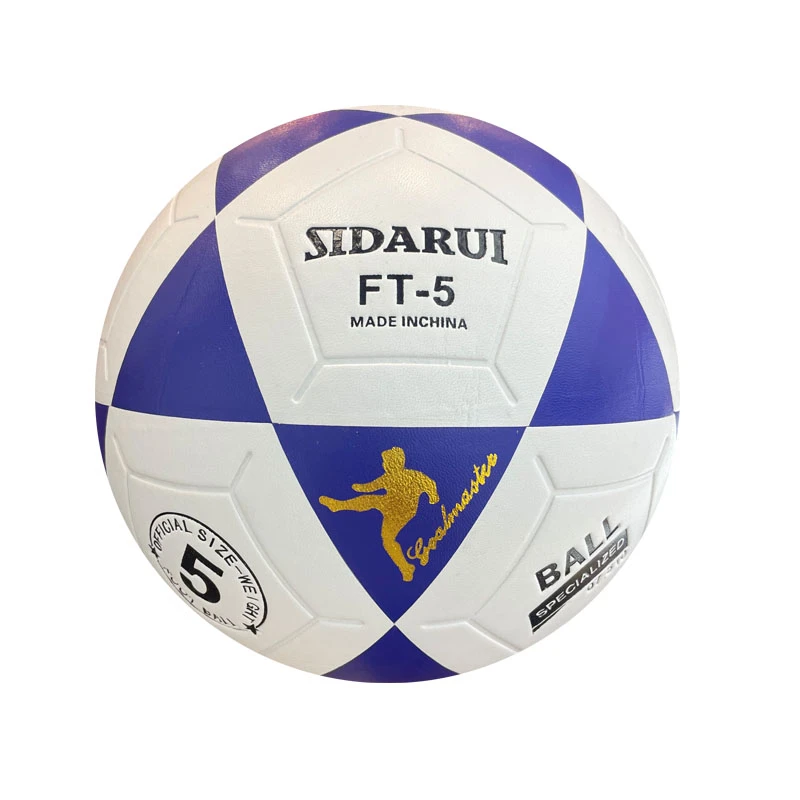
3. Promotional & Branded Balls: This segment focuses on brand visibility. Custom-printed soccer balls with company logos, event branding, or marketing slogans are popular for corporate giveaways, sports events, and marketing campaigns. While performance might be secondary, durability and clear branding are paramount. A range of materials and constructions can be employed depending on the budget and desired perceived value. This aligns with the broad market expansion noted by Mordor Intelligence.
4. Souvenir & Recreational Balls: These balls are often smaller, lightweight, or feature unique designs and national team colors. They are popular among casual players, children, and collectors. While they need to be safe and reasonably durable, the emphasis is often on aesthetic appeal and affordability. They contribute to the overall market volume and accessibility of the sport.
5. Specialty Balls: This category includes balls designed for specific environments, such as indoor-specific balls with reduced bounce, or balls made with extra-tough materials for use on hard surfaces. The demand for specialized equipment is growing as participants seek optimal performance in their specific playing conditions.
Matching Ball Type to Application:
- High-Performance Needs: Prioritize FIFA Quality Pro/Quality, thermally-bonded PU/TPU.
- Budget-Conscious Training: Focus on durable PVC or composite, machine-stitched construction.
- Branding & Promotion: Emphasize print quality, material durability, and MOQ flexibility.
- Youth & Beginners: Consider lighter weight, softer materials, and safe construction.
We work with you to define the ideal ball for your specific application and target market.
Procurement & Buyer Guidance
For purchasing managers and procurement directors, sourcing OEM soccer balls involves a strategic approach that balances cost, quality, and reliability. It’s not just about the lowest price; it's about securing a supply chain partner who can consistently deliver value and mitigate risks. Our experience in the international trade market since 2016 means we understand the procurement decision workflows and the factors that drive successful sourcing.
When evaluating potential suppliers, consider the following key aspects:
- Manufacturing Capabilities: Assess the factory's production capacity, technological sophistication (e.g., for thermally-bonded balls), and adherence to quality control standards. We invite potential clients to inquire about our factory capabilities and even arrange site visits.
- Certifications & Compliance: For match balls, FIFA Quality Pro/Quality certifications are non-negotiable. For other markets, compliance with ISO standards and material safety regulations (like RoHS) is crucial. We can provide documentation for our certified products.
- Material Expertise: Understand the differences between PU, TPU, PVC, and their impact on performance and cost. A knowledgeable supplier will guide you to the best material for your specific application.
- Logistical Efficiency: Proximity to major ports, established shipping relationships, and experience in international logistics are vital for timely delivery and cost optimization. Our location near Tianjin Port is a significant advantage.
- Communication & Transparency: A supplier who provides clear, timely updates on production status, quality control reports, and shipping details is essential. We maintain open communication channels throughout the entire process.
A common mistake in procurement is focusing solely on unit price. While cost is a factor, it should be weighed against the total cost of ownership, which includes potential costs associated with quality issues, delayed shipments, and reputational damage. Investing in a slightly higher-priced but more reliable ball can often result in better long-term value. Our total revenue of over 30 million in 2023 and extensive customer coverage demonstrates our ability to deliver this value consistently.
For procurement planning, always factor in sufficient lead times. Production cycles, quality assurance testing, and international transit can take several weeks to months. Collaborating with your supplier early in the planning process allows for accurate scheduling and avoids last-minute rushes, which can compromise quality or incur expedited shipping fees. We recommend engaging with us at least 3-6 months prior to your required delivery date for custom orders.
Key Procurement Checklist:
- Specify Requirements Clearly: Material, size, weight, construction, branding, certifications.
- Request Samples: Evaluate the quality and feel of proposed products.
- Verify Certifications: Obtain copies of relevant quality marks.
- Assess Supplier Experience: Look at their history, market reach, and client testimonials.
- Understand Lead Times: Factor in production, QC, and shipping timelines.
- Discuss MOQ & Pricing: Ensure alignment with your volume needs and budget.
- Clarify Payment & Shipping Terms: Establish clear terms for international trade.
Quality Assurance & Certifications
Ensuring the quality and performance of OEM soccer balls is paramount, particularly for those intended for competitive play. Hebei Starry Sports Goods Co., Ltd. is committed to upholding rigorous quality assurance standards throughout our manufacturing process. We understand that international certifications are not just badges; they are crucial indicators of product reliability, safety, and adherence to global sporting regulations. For buyers, these certifications significantly reduce risk and affirm the suitability of the balls for their intended purpose.
The most recognized certifications for soccer balls are issued by FIFA:
- FIFA Quality Pro: This is the highest standard, signifying that a ball has passed extensive laboratory tests and has been approved for use in official international matches. It requires balls to demonstrate exceptional performance in terms of sphericity, weight, rebound, water absorption, shape retention, and air retention under extreme conditions.
- FIFA Quality: This certification indicates that a ball meets all the requirements for FIFA Quality Pro except for the field testing phase. It is suitable for international matches and competitive play.
- IMS (International Match Standard): This standard is also recognized by FIFA and is equivalent to the FIFA Quality standard. It is a robust benchmark for high-quality match balls.
We have the capability to produce balls that meet these stringent FIFA standards. Our manufacturing processes, particularly our expertise in thermally-bonded construction and the use of high-grade PU and TPU materials, are designed to achieve the precise performance metrics required for these certifications. We work closely with accredited testing laboratories to ensure our products achieve the desired approvals.
Beyond FIFA certifications, we also ensure compliance with other relevant standards as required by specific markets or clients. This can include:
- ISO Certifications: Our factory operates under ISO quality management systems, demonstrating a structured approach to production and quality control.
- RoHS Compliance: For products exported to regions like the EU, ensuring materials do not contain restricted hazardous substances is essential.
- CE Marking: Where applicable for certain product categories or components, indicating conformity with European health, safety, and environmental protection standards.
Our commitment to quality assurance extends to our material sourcing and manufacturing processes. We implement rigorous internal quality checks at each stage of production, from raw material inspection to final product testing. This dual approach—internal vigilance and external certification—provides our clients with the utmost confidence in the performance and reliability of the OEM soccer balls they receive from us. As a testament to our established market presence and quality focus, we have achieved significant revenue growth and customer coverage across 80% of global regions.
Our Commitment to Quality:
- FIFA Certification Capability: Production for FIFA Quality Pro, FIFA Quality, and IMS standards.
- ISO 9001 Certified Processes: Structured quality management systems.
- Material Compliance: Adherence to standards like RoHS where required.
- Rigorous Internal QC: Multi-stage inspections throughout manufacturing.
- Traceability: Lot tracking for materials and production batches.
We provide detailed technical specifications and certification documentation upon request.
Client Testimonials
We believe the best measure of our success is the satisfaction of our partners. Here's what some of our global clients have to say about their experience sourcing OEM soccer balls from Hebei Starry Sports Goods Co., Ltd.:

Global Sports Distributor
"Partnering with Starry for our custom soccer ball line has been a game-changer. Their understanding of thermally-bonded construction means we get consistent, high-quality balls that perform well for our amateur league clients. Lead times are reliable, and their team is responsive. We've seen repeat orders from our customers, which is always a good sign."

Promotional Merchandise Company
"We needed custom-branded soccer balls for a major corporate sponsorship. Starry delivered exactly what we envisioned – vibrant logos, good durability for recreational use, and an excellent price point. They handled the design adjustments seamlessly and ensured delivery before our event deadline. A highly professional and reliable supplier."
International Sports Retailer
"Quality and consistency are crucial for our retail brand. Starry's commitment to meeting international standards, like IMS, has been impressive. Their production capacity allows us to scale our orders effectively, and their logistical support ensures timely arrivals at our distribution centers. We’ve built a strong, long-term relationship based on trust and performance."
Ready to Elevate Your Brand with Custom OEM Soccer Balls?
Partner with Hebei Starry Sports Goods Co., Ltd. for reliable manufacturing, exceptional quality, and seamless global logistics. Let us be your trusted supplier for custom-branded soccer balls that resonate with players and fans worldwide.
Contact Us: +86 15713370191 | +86 15369832815 | +86 15720387999
Email: starry005@ballschina.com | starry003@ballschina.com | starry001@ballschina.com
Location: South street, Xingji Town, Cangzhou, Hebei, China