Ensuring the Right Ball for Optimal Performance and Development
 By Johnathan 'Coach' Miller, Senior Product Specialist
| Hebei Starry Sports Goods Co, Ltd
By Johnathan 'Coach' Miller, Senior Product Specialist
| Hebei Starry Sports Goods Co, Ltd
When you're looking to buy a basketball, whether for a budding young player, a competitive league, or just for recreational fun, you'll quickly notice there isn't just one "standard" size. It's a common point of confusion for parents, coaches, and even retail buyers: what is the official basketball size for a specific age group? Getting this wrong isn't just a minor inconvenience; it can significantly impact a player's development, skill acquisition, and enjoyment of the game. A ball that’s too big can hinder a young player’s ability to dribble and shoot effectively, potentially leading to frustration and discouragement. Conversely, a ball that’s too small might not prepare older players adequately for the feel and handling required at higher levels of play.
At Hebei Starry Sports Goods Co, Ltd, we've been manufacturing high-quality sports balls for the international market since 2014. We understand the nuances that go into producing a ball that meets official standards and supports player development. Our experience in exporting to over 80% of global regions means we’ve seen firsthand how crucial the right equipment is. This guide aims to cut through the confusion, providing a clear, actionable breakdown of basketball sizes by age, backed by industry insights.
Understanding these sizing conventions is fundamental for anyone involved in the sport, from procurement managers sourcing equipment for youth leagues to parents selecting a child's first basketball. It’s not just about the number stamped on the ball; it’s about the physical dimensions – circumference and weight – that dictate how the ball interacts with players of different physical capabilities and developmental stages. This detailed look will help you make an informed decision, ensuring the basketball you choose is perfectly suited for its intended user, fostering better technique, and enhancing the overall playing experience.
The global ball sports equipment market, which includes basketballs, is a robust industry. Reports indicate this market is projected to reach USD 105.57 billion by 2034, growing at a CAGR of 4.96%. This growth is partly driven by increasing sports participation and advancements in manufacturing technologies, such as the development of performance-enhancing materials and construction methods. For basketball specifically, the global basketball balls market was valued at approximately USD 2,007.3 million in 2024 and is expected to grow substantially. These figures underscore the widespread demand for quality sports equipment and the importance of getting the details right, like correct ball sizing.
Let's dive into the specifics, ensuring you can confidently select the right ball, every time.
Before we break it down by age, it’s helpful to know the primary ball sizes recognized in competitive basketball, as defined by governing bodies like the NBA and FIBA. These standards are the benchmarks against which most age-specific recommendations are made.
| Size | Circumference (Inches) | Circumference (cm) | Weight (Ounces) | Weight (Grams) | Typical Use |
|---|---|---|---|---|---|
| Size 7 | 29.5" | 75 cm | 22-23 oz | 623.7-652.4 g | Official Men's (NBA, NCAA, FIBA) |
| Size 6 | 28.5" | 72 cm | 20-21 oz | 567-595.3 g | Official Women's, Boys (12-14 yrs) |
| Size 5 | 27.5" | 70 cm | 17-18 oz | 481.9-510.3 g | Youth (9-11 yrs), Junior |
| Size 4 | 25.5" | 65 cm | 15-16 oz | 425.2-453.6 g | Youth (6-8 yrs) |
| Size 3 | 22" | 56 cm | 10-12 oz | 283.5-340.2 g | Mini-Basketball (3-5 yrs) |
official basketball size normal basketball size official NBA basketball size
It's crucial to note that these are general guidelines. Specific leagues or organizations might have their own rules, especially for younger age groups or specialized programs. Always check with your league or coach if you're unsure.
The early years of basketball are all about developing fundamental skills: dribbling, passing, and shooting. Using a ball that's appropriately sized for a child's age and developmental stage is paramount. This isn't just about comfort; it's about ensuring they can physically manipulate the ball correctly. A child struggling to grip or control a ball that's too large will develop bad habits, such as palming the ball improperly or using two hands to dribble when they should be using one.
For the youngest participants, typically between 3 and 5 years old, a Size 3 basketball is the standard. These balls are significantly smaller and lighter, making them easy for small hands to grip, toss, and dribble (with a bit of practice!). They are designed to introduce the basics of the sport in a fun and manageable way. The circumference is around 22 inches, and they weigh between 10-12 ounces. This size helps build confidence and coordination without overwhelming the child. We often see parents asking about inflatable balls for this age group, and while they can be fun for indoor play, for structured skill development, a proper size 3 ball, even one made from softer materials, is usually recommended. Remember, proper inflation is key to a good bounce and consistent play.
As children grow, their strength and hand size increase. For the age group of 6 to 8 years old, a Size 4 basketball is the recommended choice. This ball has a circumference of about 25.5 inches and weighs between 15-16 ounces. It offers a noticeable step up in size and weight from the Size 3, providing a good transition for players learning to dribble with one hand and develop their shooting form. It’s a critical stage where proper ball handling technique can really start to take shape, and the right ball size facilitates this. Many recreational leagues and introductory programs for this age bracket will specify Size 4 balls exclusively.
Entering the pre-teen years, ages 9 through 11, typically use a Size 5 basketball. This is often referred to as the "junior" size. It measures around 27.5 inches in circumference and weighs 17-18 ounces. This is a significant size and weight increase, preparing players for the more standard adult sizes. At this age, players are developing more complex offensive and defensive skills, and the Size 5 ball allows for better practice of dribbling drills, passing accuracy, and shooting mechanics that will carry over to larger balls. For leagues and training, this size is a very common standard for youth divisions. The market for Size 5 balls is substantial; in the broader football (soccer) market, Size 5 balls already dominate with over 51% share, indicating the importance of this size across various ball sports for the 9-11 age bracket. While this specific data is for soccer, the principle of Size 5 being the standard for older youth applies broadly.
Making sure players are using the correct ball size at these developmental stages ensures they can grip, control, and shoot the ball effectively, building confidence and a solid foundation for future play.
Once players reach their teenage years and beyond, the transition to the official sizes used in high school, college, and professional basketball begins. This is where the ball size and weight become critical for developing the strength, technique, and feel required for competitive play.
For boys aged 12 to 14, the standard basketball size shifts to a Size 6 ball. This is the same size used for official women's basketball at all levels. With a circumference of 28.5 inches and a weight of 20-21 ounces, it's a significant jump from the Size 5. This size is designed to better match the physical development of adolescent boys, allowing them to build the necessary upper body strength and hand control for advanced dribbling, passing, and shooting. Coaches often find that this is the crucial age where players really start to develop their distinct playing styles, and the Size 6 ball plays a vital role in that development. It bridges the gap between youth and men's official sizes.
Starting from approximately age 15 and continuing through high school, college, and professional leagues (including the NBA, NCAA men's divisions, and FIBA competitions), the official men's basketball is a Size 7. This is the largest and heaviest standard ball, measuring 29.5 inches in circumference and weighing 22-23 ounces. Mastering the Size 7 ball requires significant strength, hand span, and technique. For players aspiring to play at higher levels, consistent practice with this size is non-negotiable. It's the ball used in the most high-stakes games, and players need to be fully comfortable with its feel, bounce, and handling under pressure. The sheer volume of play at this level ensures a continuous demand for high-quality Size 7 balls, which are the backbone of professional and competitive amateur play globally.
For all women and girls playing organized basketball from age 12 upwards, the official Size 6 basketball is the standard. This includes high school, college (NCAA), and professional leagues globally. While some younger girls may start with smaller sizes, the Size 6 is considered the equivalent to the Size 7 for men in terms of its role in competitive play. It allows for the development of the same fundamental skills and strategic play as men's basketball, adjusted for average physical differences. It’s essential for coaches and players to train with the official game ball to prepare for competition. The basketball equipment market, which includes balls, is projected to reach USD 1.19 billion by 2030 in the U.S. alone, with balls remaining a core product amid rising participation, and this demand is consistent across men's and women's official sizes.
Ensuring players at these older age groups are using the correct, official ball size is vital for their performance, skill refinement, and preparation for competitive levels of the sport.
While age is the primary determinant for basketball sizing, several other factors influence the best choice for a player or team, especially for bulk purchases by schools or leagues. Understanding these can help refine your selection and ensure you're getting the most suitable product for your needs.
Not all players within the same age group have identical hand sizes or grip strengths. A player with exceptionally small hands for their age might still struggle with a ball designated for them. Similarly, a player with exceptional strength might handle a slightly larger ball more easily. While we generally adhere to age-based sizing for consistency, it's always worth observing a player's comfort and ability to control the ball. For OEM/ODM inquiries, we can discuss custom solutions that might involve slight variations in material tackiness or surface texture to improve grip for specific player demographics.
The material and construction of a basketball are as important as its size, especially when considering where it will be used. Balls designed for indoor play are typically made from premium composite leather or genuine leather for superior grip and feel. Outdoor balls, often made from durable rubber or tougher composite materials, are built to withstand abrasive court surfaces. While size remains consistent regardless of indoor/outdoor use, the material choice is critical for longevity and performance. A common mistake is using an indoor ball on rough outdoor courts, leading to rapid wear and tear. For wholesale buyers, understanding the intended playing environment is key to selecting the right product mix.
The materials used significantly impact a ball's feel, performance, and lifespan.
For official competitions, ensuring your basketballs meet the standards of the relevant governing body is non-negotiable. FIBA (International Basketball Federation) has specific requirements for ball size, weight, and inflation pressure for its sanctioned events. The NBA and NCAA have their own specifications, which are largely aligned with FIBA for Size 7 balls but may differ slightly in tolerances. As a manufacturer with export experience, we ensure our balls can be produced to meet these precise specifications, including certifications where required.
For organizations or distributors looking to purchase in bulk, budget is always a consideration. Rubber balls are typically the most cost-effective, followed by composite leather, and then premium genuine leather or specialized composite balls. However, investing in higher-quality, more durable balls can often be more cost-effective in the long run due to their extended lifespan. We offer competitive factory pricing for bulk orders and can work with you to find the best balance between quality, performance, and budget. Our annual output exceeds 5 million sports balls, and we have the capacity to meet large-scale international orders efficiently.
We've compiled answers to some of the most common questions we receive regarding basketball sizing. If you have a specific query not covered here, please don't hesitate to reach out to our expert team.
Choosing the right basketball size is a critical step in ensuring optimal player development and performance. At Hebei Starry Sports Goods Co, Ltd, we pride ourselves on manufacturing high-quality sports balls that meet international standards and player needs. From youth leagues to professional training, we have the expertise and production capacity to supply your requirements.
As a leading manufacturer in the sports ball industry since 2014, Hebei Starry Sports Goods Co, Ltd offers distinct advantages for international buyers:
Don't compromise on equipment. Ensure your players have the best by choosing balls that are perfectly sized and expertly manufactured.
Have questions about basketball sizing, materials, bulk orders, or custom manufacturing? Our experienced international trade team is ready to assist you.
Call Us:
+86 15713370191 (English)
+86 15369832815 (English)
+86 15720387999 (English)
Email Us:
starry005@ballschina.com
starry003@ballschina.com
starry001@ballschina.com
Visit Us:
South street, Xingji Town, Cangzhou, Hebei, China
We look forward to partnering with you for all your sports ball needs.
WELCOME TO INQUIRE


LATEST NEWS
Crafted with precision and care, our soccer ball features a durable rubber core that ensures excellent bounce and resilience. The rubber material is not only lightweight but also provides the ideal amount of grip, allowing players to control the ball with ease. This means you can focus on perfecting your shots, passes, and tricks without worrying about the ball slipping away from you.
26,04 , 2026
Custom Mini Basketball Ball for Branding and Promotional Use
In today’s competitive marketplace, brands are constantly searching for creative, cost-effective way
READ MORE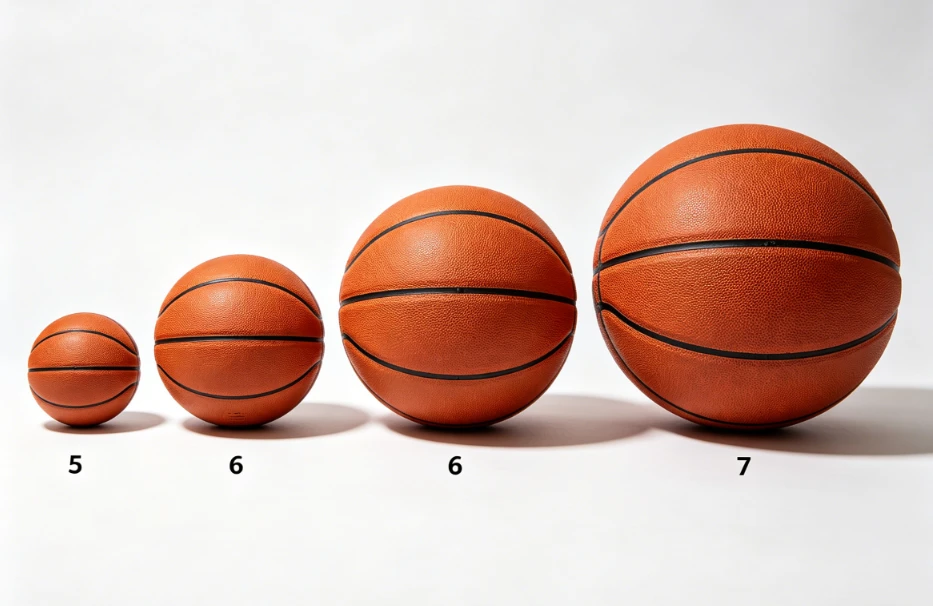
24,04 , 2026
Size Guide for Basketballs Wholesale: From Youth to Professional
Choosing the right basketball size is one of the most important decisions for wholesalers, sports eq
READ MORE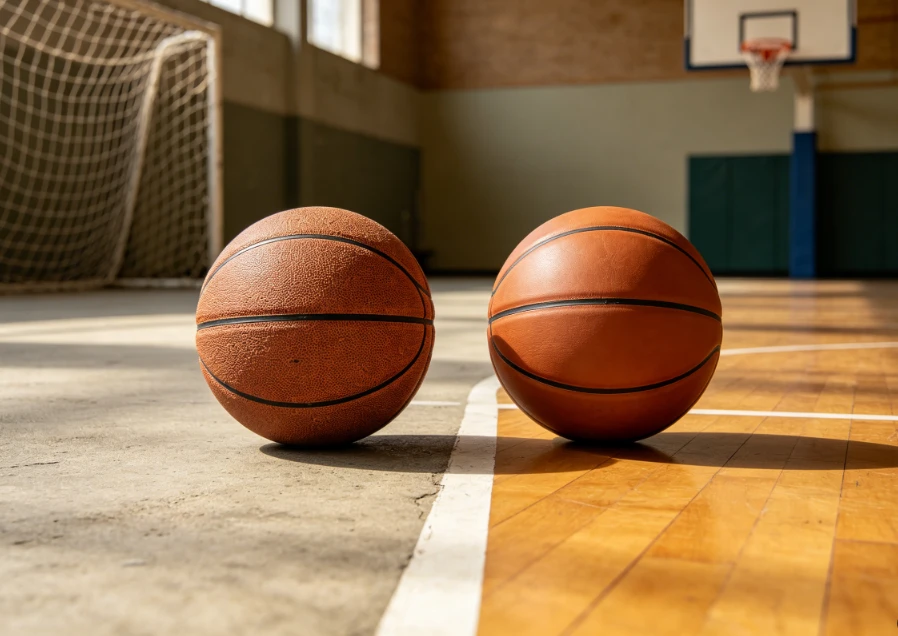
23,04 , 2026
Outdoor vs Indoor Basketballs Wholesale: Key Differences
When sourcing basketballs in bulk, understanding the difference between outdoor and indoor models is
READ MORE