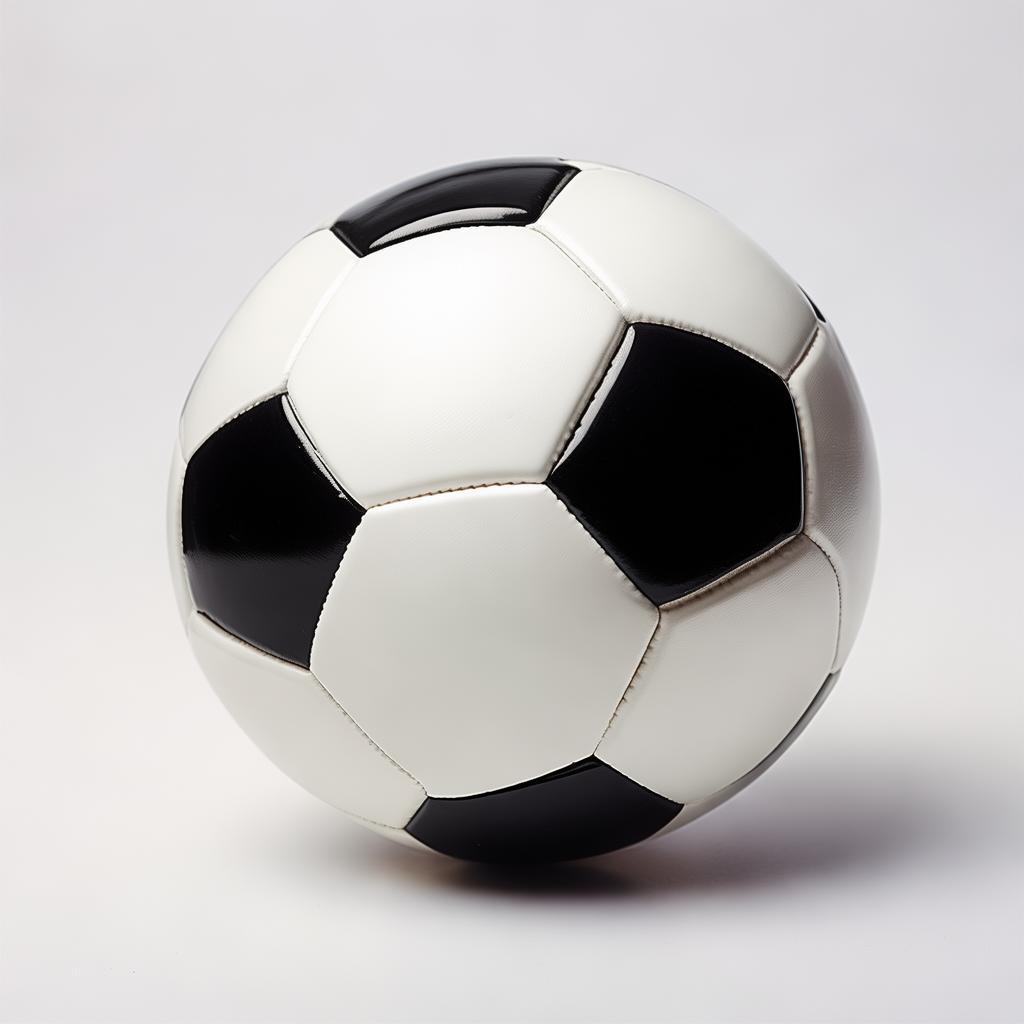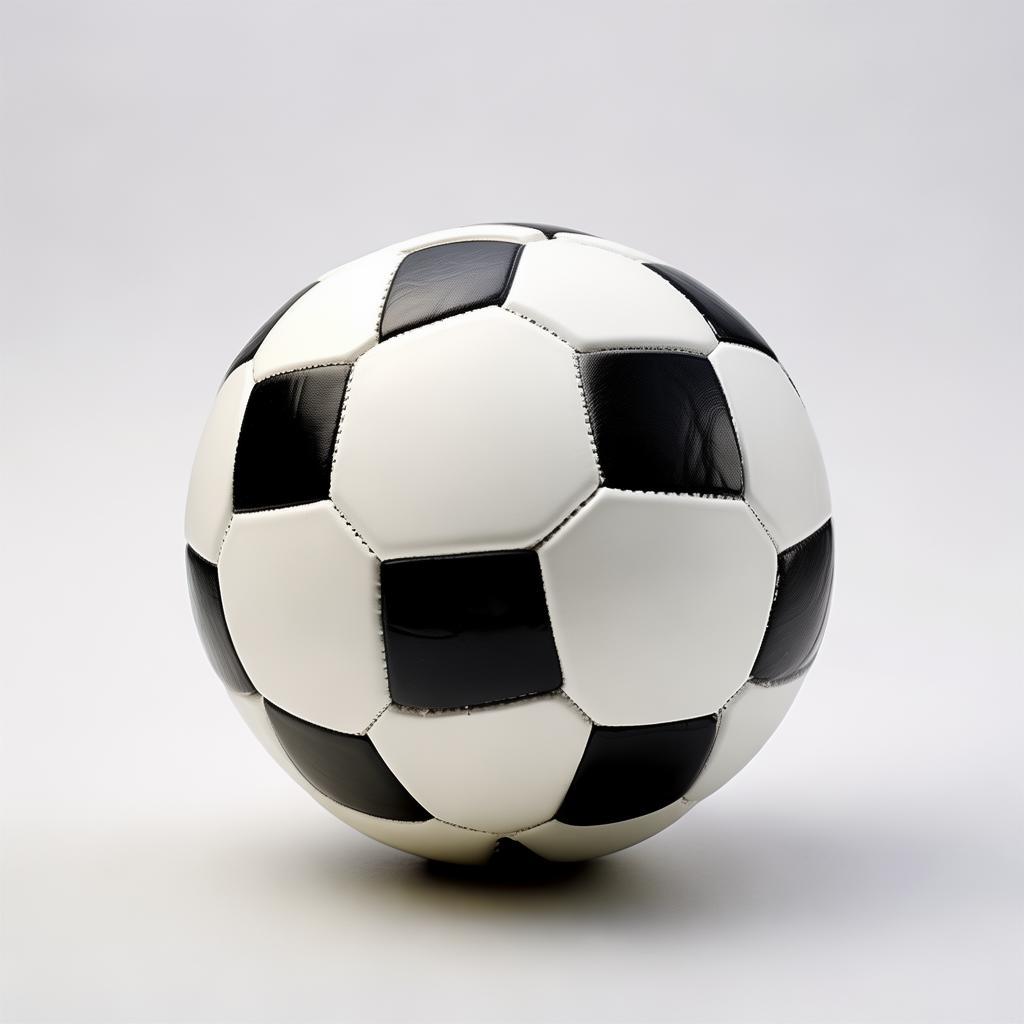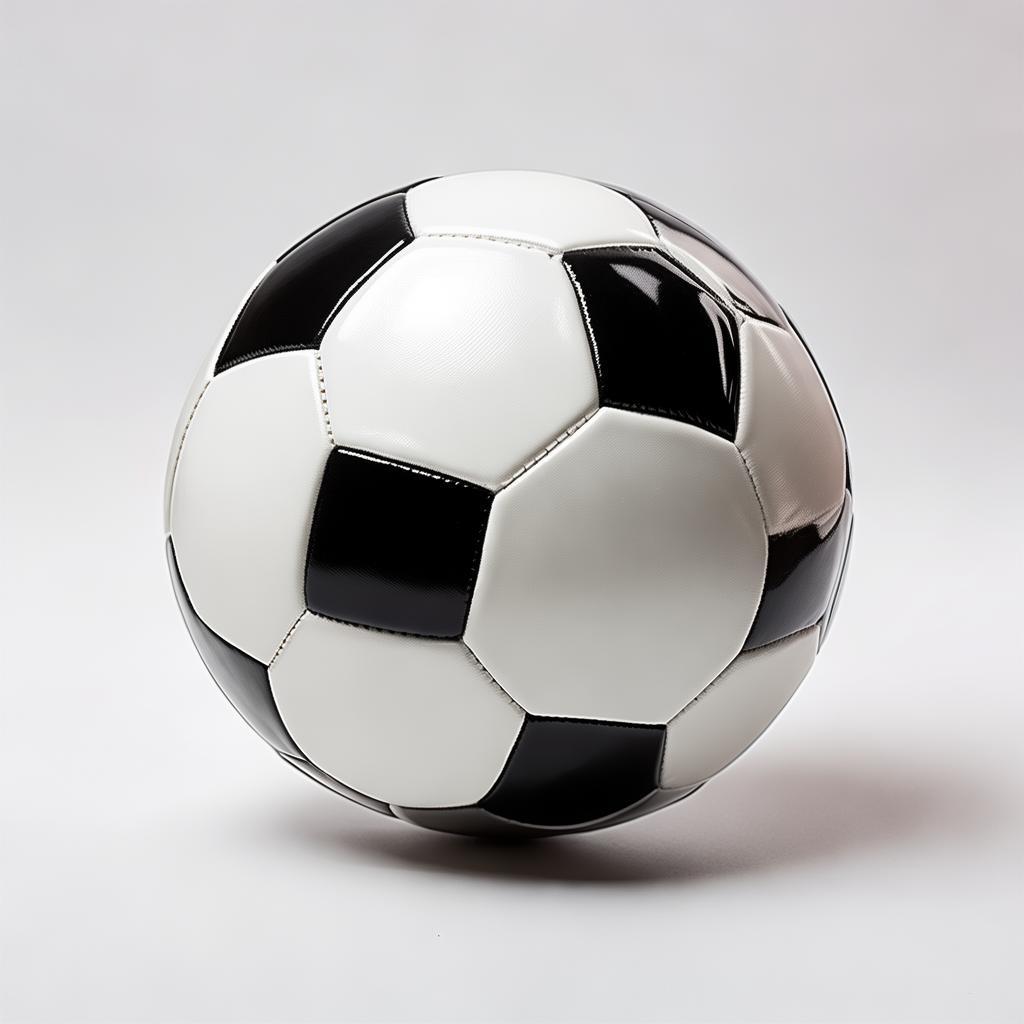
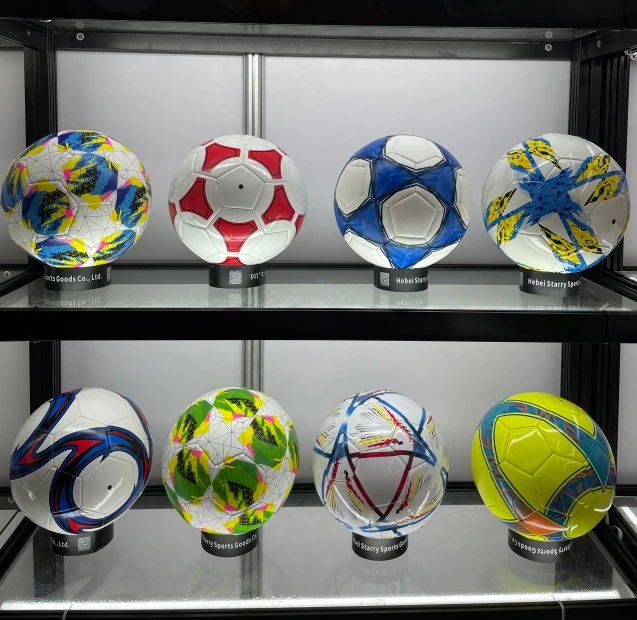

When you're talking about developing the next generation of soccer stars, the right equipment isn't just a nice-to-have; it's fundamental. For younger players, typically aged 8 to 12, the size 4 training ball is absolutely critical. It’s not just a scaled-down version of an adult ball; it’s designed specifically to aid technique, build confidence, and foster a genuine love for the game. At Hebei Starry Sports Goods Co, Ltd, we understand that selecting the right training ball can make a tangible difference in a young athlete's progression. It’s about ensuring the ball is manageable, encouraging proper foot-to-ball contact, and facilitating the development of essential skills like dribbling, passing, and shooting without overwhelming a developing player. We’ve seen firsthand how the correct ball can accelerate learning curves and prevent frustration, setting a positive trajectory for their entire playing career. This isn't just about manufacturing; it's about contributing to the global growth of the sport.
On This Page:
- Industry Context: The Role of Size 4 Balls
- Key Features of a Quality Size 4 Training Ball
- Material Matters: Performance and Durability
- Manufacturing Excellence: Our Commitment at Starry Sports
- Technical Specifications: What to Look For
- Procurement Insights for Buyers
- Frequently Asked Questions
- Ready to Elevate Your Training Program?
Understanding the Size 4 Ball's Place in Player Development
The global soccer market is dynamic. While size 5 balls dominate the overall market share, especially for professional matches and adult training, the size 4 training ball occupies a crucial niche. This size is specifically calibrated for younger players, typically fitting ages 8 through 12. It’s the bridge between the smaller balls used by very young children and the standard adult-sized ball.
Why this specific size? It’s all about biomechanics and skill acquisition. A size 4 ball has a smaller circumference and lighter weight compared to a size 5. This difference is significant for young athletes whose bodies are still developing. It allows them to:
- Develop precise ball control without being overpowered.
- Practice dribbling with more touches and greater accuracy.
- Execute passes with less force, improving technique and reducing the risk of injury.
- Build confidence through successful interactions with the ball.
The growth in youth participation programs globally has directly fueled the demand for appropriately sized equipment. Coaches and parents recognize that using the correct size ball accelerates skill development and makes training more engaging for kids. It’s a subtle but vital factor in nurturing talent.
From an operational standpoint, sourcing reliable, high-quality size 4 training balls is a key consideration for sporting goods distributors, academy programs, and even parents. You need a ball that can withstand the rigors of consistent training sessions, often on varied surfaces, while maintaining its shape and performance characteristics. This is where our expertise at Hebei Starry Sports Goods Co, Ltd comes into play. We focus on delivering exactly that: dependable performance for developing athletes.
What Makes a Size 4 Training Ball Truly Effective?
A great size 4 training ball isn't just about the size; it’s about a combination of factors engineered for young players. Here’s what we focus on in our manufacturing process and what buyers should look for:
Optimal Weight & Balance
A size 4 ball should weigh between 350-390 grams. This balance is crucial for developing proper kicking technique. Too light, and it might fly erratically. Too heavy, and it becomes difficult for young players to control or kick with accuracy.
Consistent Sphericity
A perfectly round ball ensures predictable flight and bounce. This is achieved through precise panel cutting, stitching, or thermal bonding. Inconsistent shape leads to unpredictable behavior, hindering skill development and causing player frustration.
Durability for Frequent Use
Training balls, especially for youth leagues, endure a lot of wear and tear. The materials and construction must be robust enough to withstand frequent kicking, trapping, and exposure to various playing surfaces. A ball that quickly loses its shape or develops scuff marks is a false economy.
Enhanced Touch & Feel
The outer casing material plays a big role here. Materials like PU (Polyurethane) offer a softer touch than PVC, which is beneficial for developing players who are still getting comfortable with the ball at their feet.
We focus on these attributes because we know they directly impact a young player's experience and their rate of improvement. It’s about providing a tool that empowers them to learn and grow.
Material Matters: Balancing Performance, Durability, and Cost
The choice of materials for a size 4 training ball is a direct trade-off between performance feel, longevity, and manufacturing cost. For training purposes, durability and consistent performance are paramount, often outweighing the ultra-premium feel of high-end match balls.
Common materials include:
- PVC (Polyvinyl Chloride): Generally the most budget-friendly option. It’s durable and water-resistant, making it suitable for outdoor use and rougher play. However, PVC balls can become stiff in cold weather and may not offer the softest touch. They are a solid choice for basic training and recreational play where cost is a primary concern.
- PU (Polyurethane): This is where we see a significant step up in quality for training balls. PU offers a softer, more premium feel, closer to that of a match ball. It performs better in a wider range of temperatures and provides superior grip and touch. PU balls are more resilient to abrasion than PVC but can be more expensive to produce. For serious training programs focused on skill development, PU is often the preferred material. Our size 4 training balls often utilize high-grade PU for optimal player experience.
- Hybrid Materials: Some manufacturers blend materials to achieve a balance of properties. For instance, a PU surface might be bonded to a foam backing for a softer feel and better rebound.
The manufacturing process is equally important.
- Machine Stitched: A common and cost-effective method. It’s generally durable but can be prone to water absorption and panel deformation over time if not executed with high precision.
- Hand Stitched: Offers better durability and shape retention than machine stitching, but is more labor-intensive and costly.
- Thermally Bonded: This is the premium method, creating near-seamless balls with excellent sphericity, minimal water uptake, and superior durability. While often seen in match balls, some high-end training balls also adopt this technology. For size 4 training balls, a well-executed machine-stitched or hand-stitched ball with quality materials often provides the best value for performance and durability.
When sourcing, consider the typical playing conditions and the level of competition. For academies and clubs investing in player development, opting for PU balls, even if slightly more expensive, often proves more cost-effective long-term due to better performance and reduced need for frequent replacement.
Manufacturing Excellence: Our Commitment at Starry Sports
At Hebei Starry Sports Goods Co, Ltd, our ISO 9001 certified facility in Cangzhou is geared towards producing sports balls that meet international standards, including our range of size 4 training balls. Established in November 2014, we've built our reputation on consistent quality and reliable export capabilities.
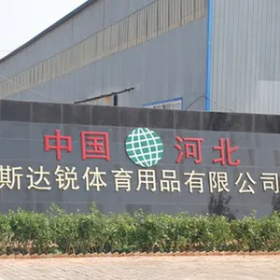
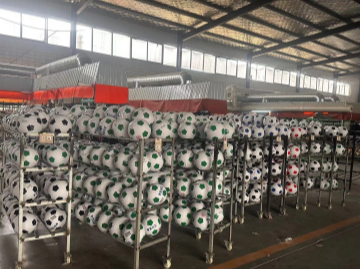
Our advantage lies in our integrated production process. We meticulously select raw materials, from the durable PU or PVC outer casing to the high-quality bladder (butyl or latex), ensuring each component contributes to the final product's performance. Our skilled workforce, numbering 316, employs advanced stitching and bonding techniques honed over years of experience. We don't just assemble balls; we craft them with an understanding of the sport and the players who will use them.
Quality control is not an afterthought; it’s embedded at every stage. From raw material inspection to panel cutting precision, stitching integrity checks, bladder inflation tests, and final ball roundness verification, we implement rigorous protocols. This ensures that every size 4 training ball leaving our facility adheres to specifications and performance expectations. Our annual output of over 5 million balls testifies to our capacity and our commitment to maintaining high standards across large-scale production.
With convenient access to Tianjin Port and major transportation routes, our logistics are streamlined for efficient international export. Since entering the foreign trade market in 2016, we've successfully served clients across Asia, Europe, and South America, building trust through dependable supply chains and product quality. Our total revenue exceeded 30 million in 2023, covering 80% of global regions, a testament to our established presence and customer satisfaction.
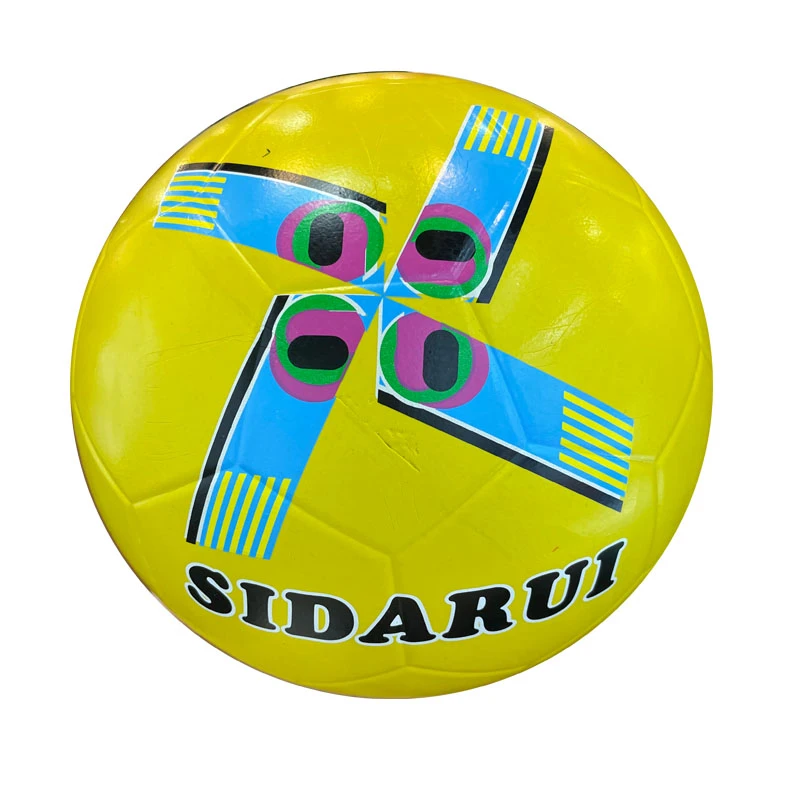
Whether you are a large distributor looking for bulk orders or a regional sports academy requiring custom branding (OEM/ODM options available), we possess the capability and the dedication to meet your needs.
Technical Specifications: A Closer Look
Understanding the technical details ensures you’re acquiring a product that meets specific requirements for youth development.
| Specification | Size 4 Training Ball (Approx.) | Notes for Training |
|---|---|---|
| Circumference | 63.5 - 66 cm (25 - 26 inches) | Crucial for handling by younger players. |
| Weight | 350 - 390 grams (12.3 - 13.8 ounces) | Lighter weight aids kicking power and control development. |
| Material (Outer Cover) | PU (Polyurethane) or High-Quality PVC | PU preferred for softer touch and durability. PVC for budget-conscious, robust use. |
| Bladder Material | Butyl or Latex | Butyl retains air longer; Latex offers a softer feel and better rebound. Butyl is typical for training balls due to air retention. |
| Construction | Machine Stitched, Hand Stitched, or Thermally Bonded | Stitching quality impacts durability. Thermally bonded offers superior shape retention. |
| Recommended Age Group | 8 - 12 Years | Based on FIFA and general sports science recommendations. |
| Pressure | 0.4 - 0.6 BAR / 5.8 - 8.7 PSI | Proper inflation is vital for optimal performance and ball longevity. |
size 4 training soccer balls size 4 balls size 5 soccer balls for training
Ensuring these specifications are met translates directly into a better training experience for young athletes. It's not just a ball; it's a developmental tool.
Procurement Insights: Navigating Your Supplier Options
Sourcing size 4 training balls for a team, league, or retail business involves more than just price comparison. As experienced exporters, we advise buyers to consider these critical factors:
- Supplier Reputation & Track Record: Look for manufacturers with a proven history in the sports goods industry, particularly those exporting internationally. Certifications like ISO are a good indicator, but long-term relationships and consistent quality are more telling. We’ve been in the foreign trade market since 2016, demonstrating our sustained commitment.
- Material Quality Assurance: Don't just accept "PU" or "PVC." Inquire about the specific grade and type of material used. Understand how it performs in different weather conditions. A good supplier can provide detailed material specifications.
- Construction Integrity: Ask about the stitching density, thread type, and seam sealing for thermally bonded balls. Poor construction leads to premature wear and tear, impacting player safety and performance. Our manufacturing process prioritizes seam strength and panel alignment.
- Minimum Order Quantities (MOQs) & Lead Times: These are practical considerations for inventory management. For bulk orders, understand the MOQ and the typical production and shipping times. Our efficient operations and proximity to Tianjin Port allow for reasonable lead times.
- OEM/ODM Capabilities: If you require custom branding, specific colorways, or unique design elements, ensure the manufacturer has robust OEM/ODM services. This includes design support, sample creation, and quality control for custom orders. We offer such services to meet diverse client needs.
- After-Sales Support & Warranty: A reputable supplier will stand behind their product. Inquire about their policy on defective items or performance issues. While not always explicit, a manufacturer’s willingness to address concerns reflects their commitment to quality.
Working with a manufacturer that understands the developmental needs of young players, like Hebei Starry Sports Goods Co, Ltd, can significantly simplify your procurement process and ensure you receive a product that genuinely contributes to player growth. Consider our contact details to discuss your specific requirements.
Your Questions Answered: Size 4 Training Balls
Q1: What age group is a size 4 training ball best suited for?
A1: Generally, size 4 balls are recommended for players aged 8 to 12 years. This size is optimized for their developing coordination and strength.
Q2: Can size 4 training balls be used for matches?
A2: While primarily designed for training, size 4 balls are often used for matches in youth leagues for the same age groups (8-12). However, official match play rules for older age groups will mandate size 5 balls.
Q3: How important is the bladder material (butyl vs. latex) for a training ball?
A3: For training balls, butyl bladders are typically preferred due to their superior air retention. This means the ball stays inflated longer between sessions, requiring less frequent pumping, which is ideal for busy training schedules. Latex bladders offer a softer feel and a livelier rebound but lose air faster.
Q4: What is the difference between a thermally bonded and a stitched training ball?
A4: Thermally bonded balls have panels fused together using heat and adhesive, creating a virtually seamless surface. This results in excellent sphericity, minimal water uptake, and high durability. Stitched balls (machine or hand) involve sewing panels together. While good quality stitching can be durable, thermally bonded construction generally offers superior performance characteristics, especially regarding water resistance and shape retention. For training, both can be effective, but bonded construction tends to last longer.
Q5: How should I maintain my size 4 training balls to ensure longevity?
A5: Proper inflation is key – never over-inflate or under-inflate. Keep the balls clean by wiping them down after use, especially if played on rough surfaces. Store them in a cool, dry place away from direct sunlight. Avoid leaving them in extreme temperatures (like a hot car trunk).
Q6: Can you provide OEM/ODM services for custom size 4 training balls?
A6: Absolutely. Hebei Starry Sports Goods Co, Ltd offers comprehensive OEM/ODM services. We can produce balls with your custom logos, colors, and even specific material configurations to meet your brand requirements. Please contact us to discuss your project details.
What Our Clients Say
"We ordered a batch of size 4 training balls for our U10 academy team, and they've been fantastic. The kids love the feel of them, and they hold up well even with daily practice on our artificial turf. The consistent quality from Starry Sports has made reordering easy."

Youth Coach, Seattle
"As a distributor, finding reliable suppliers is paramount. Hebei Starry Sports Goods delivered on their promise for these size 4 training balls. Excellent construction, good pricing for the quality, and the export process was smooth. They arrived well-packaged and on schedule."

Sports Equipment Importer, Miami
"We needed a bulk order of size 4 balls for our local league. Starry Sports offered a great value proposition, combining durable materials with a competitive price. The team was responsive, and the balls have received positive feedback from parents and kids alike for their feel and performance."

League Coordinator, Austin
Invest in the Future of Your Players
Give your young athletes the best tools to develop their skills and passion for soccer. High-quality size 4 training balls are essential for building a strong foundation.