A Comprehensive Guide for Importers, Distributors, and Procurement Professionals
When sourcing basketballs for international markets, particularly for regions like the USA, the specifications can often seem straightforward. Yet, delving into the details reveals a landscape ripe with opportunity and potential pitfalls. The size 6 basketball, often referred to as the "women's" or "junior" ball, is a critical component for various segments of the market, from recreational play and youth leagues to organized women's competitions.
For procurement managers and B2B distributors, understanding the exact requirements and market expectations surrounding size 6 basketballs is paramount. It's not simply about fulfilling an order; it's about ensuring product-market fit, optimizing inventory, and building a reputation for reliable supply. The U.S. market, for instance, has specific standards set by organizations like FIBA (though often adopting modified versions for local play) and popular youth organizations. Navigating these requirements, alongside the broader trends in sports equipment manufacturing, demands a keen eye for detail and an understanding of material science, production processes, and global logistics.
The global sports equipment market, which includes basketballs, shows robust growth. Reports indicate the basketball equipment market alone is projected to reach USD 1.19 billion by 2030, with balls being a core product. For basketballs specifically, the global market was valued at approximately USD 2,007.3 million in 2024 and is expected to reach USD 3,800 million by 2035. This growth is fueled by increasing participation rates, the enduring influence of leagues like the NBA, and a consistent demand for performance-enhanced balls. Distributors and importers need to be aware that while overall market growth is positive, specific segments like size 6 balls cater to distinct demographics and competition levels, requiring tailored product offerings.
Our experience at Hebei Starry Sports Goods Co, Ltd., which began in the foreign trade market in 2016, has shown us that "size 6 basketball" can encompass a range of products, from entry-level recreational balls to competition-grade equipment. The distinction often lies in the materials used (e.g., composite leather vs. rubber), the construction method (e.g., deep-pebble grip, butyl bladder for air retention), and the adherence to specific league regulations or performance expectations. Understanding these differentiators is key to sourcing effectively and commanding a competitive edge in your target market.
This guide aims to demystify the size 6 basketball landscape. We'll cover everything from the fundamental specifications and material choices to the intricacies of international procurement, factory capabilities, and quality control protocols. Whether you're a seasoned importer or new to the sports goods sector, gaining a deeper insight into these elements will empower you to make informed decisions, mitigate risks, and ultimately, deliver high-quality basketballs that resonate with end-users and drive commercial success. Let's explore how to ensure your size 6 basketball offerings are not just compliant, but truly competitive.

When we talk about a "size 6 basketball," we're referring to a specific set of official dimensions and weight requirements that dictate its suitability for various levels of play. This isn't just an arbitrary number; it's a global standard designed to ensure consistent performance and fair competition, especially within the women's game and for younger male players. In the United States, the size 6 basketball (also known as a WNBA ball) is circumference 28.5 inches (approximately 72.4 cm) and weighs between 20 to 22 ounces (approximately 567 to 624 grams).
This is a crucial point for procurement professionals. Deviations, even minor ones, can render a ball non-compliant for official leagues, impacting market acceptance and brand reputation. For instance, a ball that is too light or too heavy can affect its flight path and handling, frustrating players and coaches. Similarly, an incorrect circumference can make it harder to grip properly, particularly for individuals with smaller hands. Our factory production adheres strictly to these precise measurements. We understand that consistency in manufacturing is non-negotiable when supplying to international markets with established sporting bodies.
Beyond the raw dimensions, several other technical specifications are vital:
The choice of material is where much of the variation in price and performance occurs.
The global basketball balls market is substantial, with projections indicating continued growth. While size 5 balls often dominate overall volume due to youth participation globally, the size 6 segment serves a dedicated and significant demographic. Understanding these specifications isn't just technical; it's a commercial imperative. Distributors must ensure the products they import meet the expectations associated with the "size 6" designation in their target regions, particularly in the competitive US market where established brands set the benchmark. Our commitment is to provide balls that not only meet but often exceed these baseline requirements, offering superior feel and longevity.
size 6 basketball size 6 basketballs size 6 basketball in inches
A basketball's performance hinges significantly on its internal bladder. For a size 6 ball, especially one destined for competitive play or frequent use, the bladder material is a key factor in air retention and rebound consistency. Most quality basketballs utilize a butyl rubber bladder. Butyl rubber is favored for its excellent air-tightness, meaning the ball stays inflated for longer periods, reducing the frequency of re-inflation. This is a practical consideration for both end-users and for importers concerned about product returns or customer complaints related to poor air retention.
A poorly constructed bladder can lead to rapid deflation, a flat bounce, and an overall disappointing playing experience. In our manufacturing process, we ensure high-quality butyl bladders are expertly fitted and sealed. This attention to the internal components is vital for delivering a ball that maintains its performance characteristics over time, a point that resonates strongly with B2B buyers looking for reliable, durable products to stock.
When evaluating suppliers, asking about bladder material and construction methods is essential. It's a detail that speaks volumes about the manufacturer's commitment to quality. For a size 6 basketball, this internal integrity is as important as the external casing.
The exterior material of a basketball significantly influences its feel, durability, and intended use – be it indoor courts, outdoor asphalt, or a mix of both. For size 6 basketballs, three primary material categories typically emerge, each with its own set of advantages and cost implications for importers and distributors.
1. Rubber Basketballs: These are often the most budget-friendly option and are generally designed for outdoor play. Rubber offers excellent durability and a good grip on rough surfaces. However, they tend to be heavier and have a "stickier" feel, which might not be ideal for players accustomed to higher-grade indoor balls. For bulk orders targeting recreational markets or school programs where cost is a primary driver and outdoor durability is key, rubber size 6 balls are a popular choice. They can withstand the abrasions of concrete courts better than most other materials.
2. Composite Leather Basketballs: This is where a significant portion of the market for size 6 basketballs lies, catering to both indoor and outdoor play, and bridging the gap between basic rubber balls and premium genuine leather. Composite leather offers a softer feel and better grip than rubber, mimicking some of the characteristics of genuine leather but at a more accessible price point. Many composite materials are designed to be moisture-wicking and to provide consistent performance in various conditions. For distributors, these balls offer a good balance of quality, performance, and price, making them versatile for a wide range of customers, including youth leagues and recreational players. The “deep-pebble” texture common on these balls enhances grip, a vital feature for players developing their ball-handling skills.
3. Genuine Leather Basketballs: While less common for size 6 balls compared to size 7 (official men's size), high-end leather options exist. These are typically reserved for professional or elite amateur play and are almost exclusively for indoor use. Genuine leather offers the best grip and feel, and it softens and molds to the player's hand over time. However, they are the most expensive option, require careful maintenance to prevent damage from moisture or abrasion, and are not suited for outdoor play. The premium price point and specific usage requirements mean they represent a smaller niche within the size 6 market for B2B wholesale.
When sourcing, it’s essential to get precise specifications on the exact composite blend or leather type used. Understanding the material's origin, tanning process (if applicable), and surface treatment will help you gauge its durability and performance. For instance, some composite leathers are designed for enhanced UV resistance or improved water repellency, features that can be significant selling points for specific markets or applications. We utilize advanced composite materials that offer superior grip, durability, and a consistent feel, suitable for a broad spectrum of players.
The sports balls market, in general, sees continuous innovation in materials, driven by a demand for enhanced performance, durability, and player comfort. For size 6 basketballs, this translates to better synthetic leathers that offer a more authentic grip and feel, along with improved bladder technology for consistent inflation. Distributors who can offer a range of these material options, clearly differentiated by performance and price, are well-positioned to capture a larger market share.
Beyond the core material, how a size 6 basketball is constructed is paramount for its longevity and playing characteristics. The two primary construction methods are stitched and molded (often referred to as thermally-bonded or heat-sealed). Each method imparts different properties, influencing the ball's durability, sphericity, and overall feel.
Stitched Construction: This traditional method involves stitching the panels together with strong thread. It's commonly used for rubber basketballs and some entry-level composite balls. Stitched balls can offer a deep channel for better grip. However, the stitching itself can wear down over time, especially with rough outdoor use, and the seams can become points of failure, allowing moisture ingress or affecting the ball's shape. For wholesale buyers, stitched balls are typically the most cost-effective but may have a shorter lifespan in demanding environments.
Molded/Thermally-Bonded Construction: This is the more advanced and durable method, prevalent in higher-quality composite leather basketballs. In this process, panels are precisely cut and then bonded together using heat and pressure. This creates a seamless or near-seamless surface, resulting in superior sphericity (perfect roundness), improved water resistance, and increased durability. The absence of stitched seams means less wear and tear, and better resistance to moisture absorption. This method is standard for premium basketballs, including those used in professional leagues, and is crucial for achieving consistent bounce and flight characteristics.
For procurement professionals sourcing size 6 basketballs, understanding the construction method is vital for aligning product offerings with market expectations and price points. For example, if targeting leagues or clubs that prioritize durability and consistent performance, thermally-bonded composite balls are the superior choice, despite a higher unit cost. If the focus is on high-volume, lower-cost recreational use, stitched rubber balls might suffice. Our factory specializes in both, with a strong emphasis on thermally-bonded construction for our premium and mid-range composite lines, ensuring excellent sphericity and longevity.
The inflatable ball market, which includes basketballs, is increasingly dominated by more advanced construction techniques like thermal bonding, driven by consumer demand for better performance and durability. Reports suggest that innovations in construction enhance aerodynamics and longevity, crucial factors for serious players and organized sports. As an importer, offering thermally-bonded size 6 basketballs can position you as a supplier of quality, reliable equipment.
When discussing product requirements with a manufacturer, always specify the preferred construction method. You might also inquire about the number of panels (though basketballs typically use 8 panels) and the depth of the channels between them. Deep channels enhance grip, which is particularly important for a size 6 ball used by players who might still be developing their hand strength and control.
One of the most significant factors influencing the choice of material and construction for a size 6 basketball is its intended playing environment: indoor courts or outdoor surfaces like asphalt or concrete. Misunderstanding this distinction can lead to sourcing the wrong product, resulting in premature wear, poor performance, and dissatisfied customers.
Outdoor Basketballs: These are typically made from durable rubber or tough composite materials designed to withstand the abrasive nature of outdoor courts. Rubber balls are a common choice due to their resilience against scuffing and tearing. They often have a deeper, more aggressive pebble pattern for better grip on rougher surfaces and in various weather conditions. While they offer excellent durability, their performance characteristics might be less refined compared to indoor balls. For distributors looking to supply schools, community centers, or retailers catering to recreational play, a robust outdoor size 6 basketball is essential.
Indoor Basketballs: These are crafted from softer composite leathers or genuine leather, prioritizing grip, feel, and optimal performance on polished wooden courts. The surface is typically smoother, with shallower pebbles, designed to maximize control and tactile feedback for players. Indoor balls are generally more susceptible to damage from rough surfaces, moisture, and dirt, which can degrade their grip and overall integrity. For B2B buyers targeting sports clubs, athletic facilities, or premium sporting goods stores, offering high-quality indoor size 6 basketballs that meet competitive standards is key.
A common point of confusion for new importers is whether a "composite" ball is suitable for both. While some advanced composite materials are engineered for hybrid use, it's always best to clarify. A ball labeled "indoor/outdoor" typically has a more durable composite cover and a reinforced construction to handle varied conditions. If a ball is explicitly designed for indoor play, using it outdoors will likely lead to rapid deterioration of the cover and seams.
Our factory produces a range of size 6 basketballs specifically engineered for their intended environments. We offer durable, high-traction rubber options for outdoor use and premium composite balls that deliver superior grip and feel on indoor courts. Clearly labeling and marketing these distinctions is crucial for your sales strategy. Ensuring your supply chain provides products that precisely match these intended uses will build trust and reduce product returns due to inappropriate application. The ball sports equipment market growth is significantly influenced by the increasing adoption of high-performance gear across various playing surfaces, making material suitability a critical competitive factor.
As a procurement professional, always ask for detailed material specifications and intended use for each product line. This clarity prevents miscommunication and ensures you receive basketballs that will perform as expected by your end customers.
Sourcing size 6 basketballs internationally involves more than just comparing price lists. For purchasing managers and distributors, a strategic approach to procurement is vital to ensure quality, reliability, and profitability. At Hebei Starry Sports Goods Co, Ltd., we understand the complexities of international trade and work closely with our clients to navigate these challenges.
Minimum Order Quantities (MOQs): Manufacturers often have MOQs to ensure production efficiency. These can vary significantly based on the product's complexity and customization level. Negotiating MOQs that align with your inventory management and sales forecasts is a critical first step.
Lead Times: Production timelines depend on order volume, material availability, and factory scheduling. It's essential to factor in sufficient lead time, not just for manufacturing but also for quality control inspections, shipping, and customs clearance. A realistic lead time might range from 30 to 90 days. Always communicate your project deadlines clearly to your supplier.
Quality Control (QC): This is arguably the most important aspect of international procurement. Implementing a robust QC process at the factory is non-negotiable. This can involve in-house inspections by your own team, third-party inspection services, or a combination. Key QC checks for basketballs include:
We welcome client QC involvement and provide clear documentation of our internal QC procedures. Many clients leverage our facilities for pre-shipment inspections.
Customization (OEM/ODM): If you're looking to brand your own size 6 basketballs or develop unique features, OEM (Original Equipment Manufacturer) and ODM (Original Design Manufacturer) services are available. OEM involves manufacturing products to your exact specifications, while ODM means adapting an existing product design from the manufacturer. We offer extensive OEM/ODM capabilities, allowing clients to customize colors, logos, panel designs, and even material blends. This is a significant advantage for building a distinct brand presence.
Certifications and Compliance: Depending on your target market, certain certifications may be required or beneficial. For sports equipment, ensuring compliance with safety standards and material regulations (e.g., REACH in Europe, CPSIA in the US for children's products, though less common for standard basketballs) can be important. We can provide documentation regarding the materials used and compliance with relevant international standards where applicable.
The ball sports equipment market is increasingly scrutinized for product safety and ethical manufacturing. Proactive engagement with suppliers on these fronts is crucial. By understanding these procurement factors, you can build a more resilient and profitable supply chain for your size 6 basketballs.
Once your order of size 6 basketballs is manufactured and passes quality control, the next critical phase is logistics and shipping. Efficiently moving goods from our factory in Cangzhou, Hebei, China, to your destination country requires careful planning and execution. Our proximity to Tianjin Port, a major international shipping hub, provides a significant advantage.
Packaging: Basketballs are typically shipped deflated to save space and reduce shipping costs. They are usually packaged in polybags, then bulk-packed into corrugated cardboard cartons. The size and weight of these cartons will determine how many fit into standard shipping containers. We can provide detailed packaging specifications, including carton dimensions and cube utilization, to help you optimize container loading. For premium products or customized orders, individual retail packaging options might also be considered.
Shipping Methods:
Container Optimization: Maximizing container space is crucial for cost efficiency. Understanding the uninflated volume of your basketballs and their packaging allows for strategic palletizing and loading. A standard 20ft container can hold approximately 11 FCL pallets, while a 40ft container can hold about 25 FCL pallets. We can provide carton dimensions and weights to assist with your container planning.
Customs and Duties: Import duties, taxes, and customs clearance procedures vary by country. It is the importer's responsibility to be aware of and comply with these regulations. We can provide necessary export documentation to facilitate the customs process in your country.
Incoterms: Clarifying shipping terms (e.g., FOB, CIF, EXW) upfront is essential. FOB (Free On Board) Tianjin Port is a common term, meaning we are responsible for the goods until they are loaded onto the vessel. CIF (Cost, Insurance, and Freight) includes shipping costs and insurance to the destination port. EXW (Ex Works) means you are responsible for the goods from our factory door.
Effective logistics management minimizes transit times, reduces shipping costs, and ensures your size 6 basketballs arrive in optimal condition. Our team is experienced in coordinating these complex movements, making the international shipping process as smooth as possible for our partners.
Selecting the right manufacturing partner is crucial for the success of your B2B sports goods venture. At Hebei Starry Sports Goods Co, Ltd., established in November 2014, we bring years of experience and a dedication to quality that sets us apart in the competitive global market. Our strategic location near Tianjin Port, combined with a dedicated workforce of 316 skilled professionals, allows us to efficiently produce and export over 5 million sports balls annually.
Proven Track Record: Since entering the foreign trade market in 2016, we have built a strong reputation for reliability and product excellence, serving clients across Asia, Europe, and South America. Our total revenue exceeded 30 million in 2023, with customer coverage in 80% of global regions, demonstrating our capacity and market reach.
Commitment to Quality: We adhere to stringent quality control measures throughout the production process, from raw material selection to final product inspection. Whether it's a size 6 basketball for competitive play or recreational use, we ensure it meets international standards and client specifications.
Manufacturing Expertise: Our facilities are equipped to handle various construction methods and material types, offering a comprehensive range of size 6 basketballs. We pride ourselves on leading the trend with the latest appearance designs and rich color matching, ensuring our products appeal to a wide consumer base.
OEM/ODM Capabilities: We are adept at providing Original Equipment Manufacturer (OEM) and Original Design Manufacturer (ODM) services. This allows you to customize basketballs with your brand logo, specific color schemes, and unique design elements, helping you build a distinct brand identity in your market.
Customer-Centric Approach: We believe in building long-term partnerships. Our experienced export team is dedicated to providing excellent communication, responsive service, and tailored solutions to meet your specific business needs.
Don't just take our word for it. Our products have garnered high praise from professional athletes, sports enthusiasts, and industry insiders worldwide. We invite you to experience the Starry Sports difference.
Contact us today to discuss your specific requirements for size 6 basketballs and explore how our manufacturing expertise can benefit your business.
REQUEST A QUOTEA regulation size 6 basketball has a circumference of 28.5 inches (approximately 72.4 cm) and a weight between 20 to 22 ounces (approximately 567 to 624 grams). This size is primarily used for women's professional basketball (WNBA) and many youth leagues.
It depends on the material and construction. Balls specifically designed for outdoor play (often rubber or durable composite) can withstand abrasive surfaces. Indoor-only balls, typically made from softer composite or genuine leather, are not recommended for outdoor use as it will significantly reduce their lifespan and performance. Always check the product specifications for intended use. Many of our composite models are designed for hybrid indoor/outdoor play.
Stitched basketballs have panels sewn together, often offering a deeper channel for grip but potentially being less durable and more prone to water absorption. Thermally-bonded (or molded) basketballs have panels fused together using heat and pressure, resulting in superior sphericity, better water resistance, and enhanced durability, making them ideal for competitive play.
Minimum Order Quantities (MOQs) vary by manufacturer and customization level. For standard size 6 basketballs, MOQs can range from a few hundred to a few thousand units. For highly customized OEM/ODM orders, MOQs might be higher. We are flexible and can discuss specific needs based on your order volume.
Production lead times typically range from 30 to 90 days, depending on order size and factory capacity. Shipping via sea freight can add another 20-50 days depending on the destination. We recommend planning well in advance to account for manufacturing, quality control, shipping, and customs clearance.

"We've been sourcing size 6 basketballs from Starry Sports for over three years. Their consistency in quality is excellent, especially with the composite leather models. They meet WNBA size requirements perfectly, and the grip is appreciated by our league players. Their communication and on-time delivery are also top-notch."

"Starry Sports provided us with OEM services for our private label size 6 basketballs. The process was smooth, and they were very accommodating with our logo placement and color specifications. The balls hold air well, and the pricing is competitive for the quality offered. We've seen good sales figures in our youth sports retail division."

"We needed a reliable supplier for durable outdoor basketballs. Starry Sports offered a robust rubber size 6 option that has performed exceptionally well on community courts. The price point is very attractive for our volume orders, and the logistics from their factory to our port were handled efficiently. Highly recommend for bulk outdoor equipment."
WELCOME TO INQUIRE


LATEST NEWS
Crafted with precision and care, our soccer ball features a durable rubber core that ensures excellent bounce and resilience. The rubber material is not only lightweight but also provides the ideal amount of grip, allowing players to control the ball with ease. This means you can focus on perfecting your shots, passes, and tricks without worrying about the ball slipping away from you.
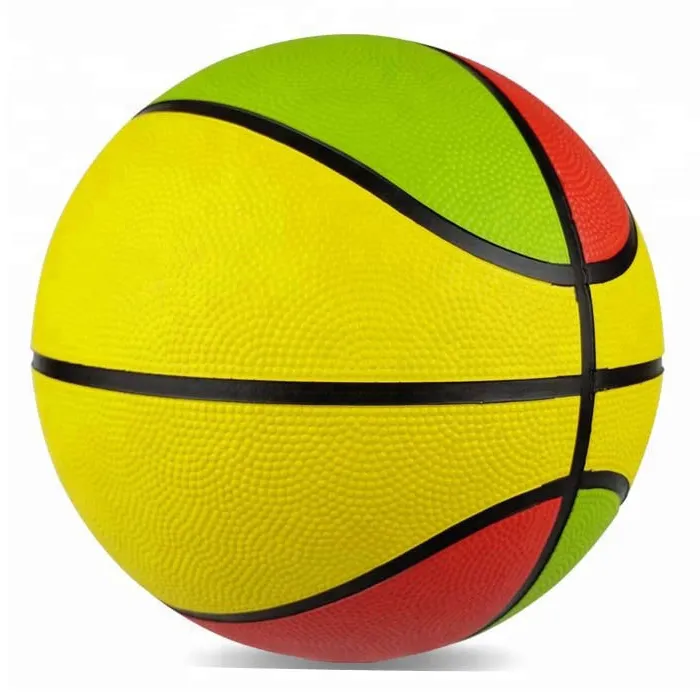
26,04 , 2026
Custom Mini Basketball Ball for Branding and Promotional Use
In today’s competitive marketplace, brands are constantly searching for creative, cost-effective way
READ MORE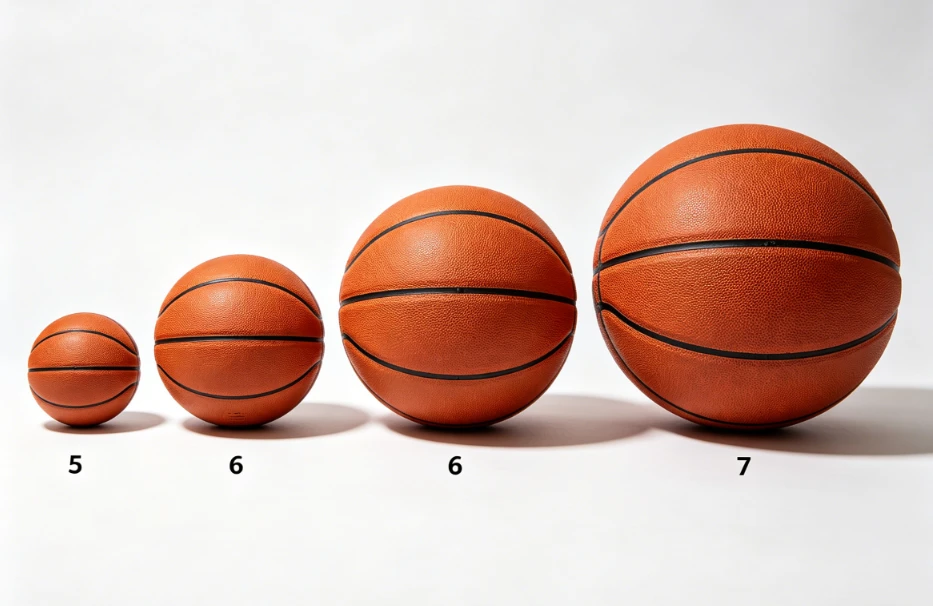
24,04 , 2026
Size Guide for Basketballs Wholesale: From Youth to Professional
Choosing the right basketball size is one of the most important decisions for wholesalers, sports eq
READ MORE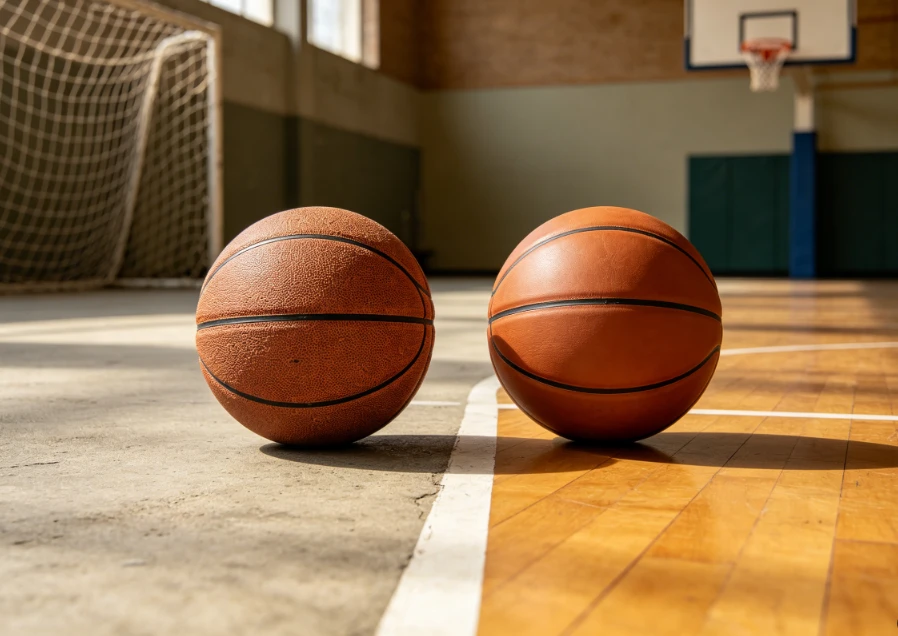
23,04 , 2026
Outdoor vs Indoor Basketballs Wholesale: Key Differences
When sourcing basketballs in bulk, understanding the difference between outdoor and indoor models is
READ MORE