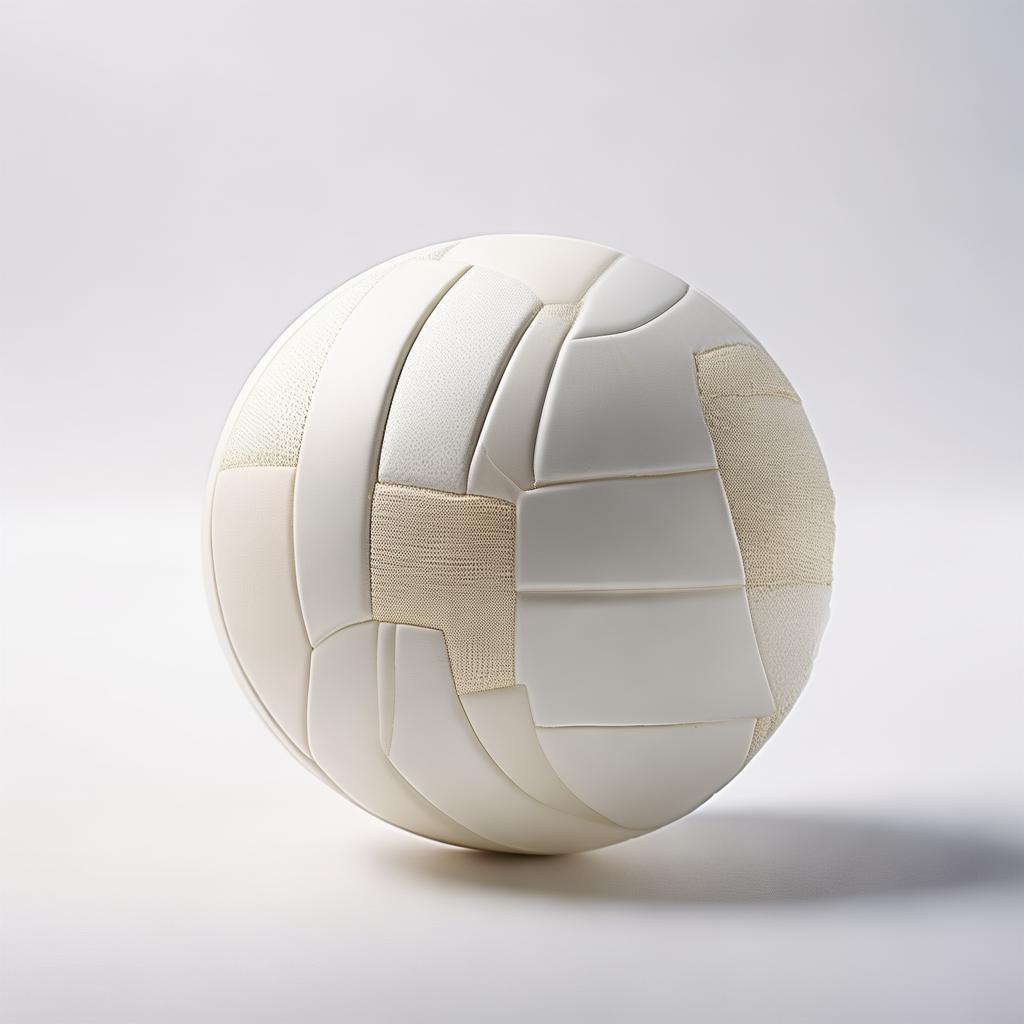
Navigating the world of basketballs means more than just finding a ball that bounces. It's about selecting the right size, weight, and material for the intended player, league, or competition. For B2B buyers, distributors, and manufacturers, this seemingly simple detail is crucial for inventory management, product differentiation, and ensuring end-user satisfaction. Let's dive into the nuances of basketball ball sizing, explore the standards that govern them, and understand how to make informed procurement decisions.

State-of-the-art manufacturing ensures every ball meets exacting standards.
When procurement managers ask about the "size of basketball ball," they're typically looking for the official specifications that dictate performance and player suitability. The basketball world, much like other professional sports, relies on standardized equipment to ensure fair play and consistent competition across leagues and governing bodies. The most commonly referenced sizes are governed by organizations like the NBA (National Basketball Association), FIBA (International Basketball Federation), and NCAA (National Collegiate Athletic Association). These standards ensure that the ball's circumference and weight are within a tight, defined range, impacting everything from dribbling feel and shooting trajectory to passing accuracy.
official size of basketball ball official size basketball ball normal size basketball ball
For the uninitiated, or those new to sourcing sports equipment, understanding these variations is paramount. A common misconception is that "one size fits all." However, the differences, while subtle to a casual observer, are significant for athletes of all ages and skill levels. The dominant size, and the one most people picture when they think of a basketball, is the "Size 7." This is the official size for men's professional and collegiate basketball. Sourcing teams need to be acutely aware of these specifications, especially when dealing with international markets where regulations might have slight variations or when catering to specific client needs.
The demand for specific basketball sizes is directly tied to demographic segments. Youth leagues, for instance, require smaller, lighter balls to accommodate developing players. Recreational leagues might opt for a more durable, all-surface ball, while professional teams will invest in balls designed for optimal grip, feel, and performance under intense game conditions. As a supplier, understanding this segmentation is key to offering a diverse yet precisely specified product line that meets the nuanced demands of the B2B market.
Consider the basketball's journey from manufacturing to the end-user. Each size designation corresponds to a specific set of physical properties that directly influence the player's interaction with the ball. A ball that is too large or too heavy can hinder a younger player's ability to dribble effectively or shoot with proper form, potentially leading to frustration and disengagement with the sport. Conversely, a ball that is too small or too light might not provide the necessary feel or control for an experienced player. This is where the supplier's expertise in providing accurate specifications becomes indispensable.
Furthermore, the "size of basketball ball" is not just about diameter; it's intrinsically linked to weight. These two factors work in tandem to define the ball's dynamic properties. A correctly sized and weighted ball allows for consistent bounce, predictable spin, and a stable flight path. For procurement professionals, ensuring that the balls ordered match the specified size and weight standards is a primary quality control checkpoint. Deviations can signal manufacturing inconsistencies or incorrect product labeling, leading to costly returns and damaged client relationships.
The global sports equipment market is substantial, and basketball is a significant contributor. According to industry insights, the global basketball equipment market is projected to grow steadily, with balls remaining a core product. This growth is fueled by rising participation rates, particularly in developing economies, and the enduring popularity of professional leagues worldwide. For manufacturers and exporters like us at Hebei Starry Sports Goods Co., Ltd., understanding the precise sizing requirements for various international markets and organizations is fundamental to our export strategy and success. We've seen firsthand how a well-specified basketball can be the difference in securing a large distribution contract or fulfilling a major league's annual order.
This page aims to demystify basketball ball sizing for our B2B partners. Whether you're a distributor stocking inventory, a retailer setting up product lines, or a coach equipping a team, having clear, actionable information about basketball ball dimensions, weight, and the standards they adhere to is crucial. We'll break down the official sizes, discuss their applications, and provide insights into what makes a basketball ball truly 'official' and performance-ready.
When sourcing basketballs, you'll encounter several standard sizes, each catering to a specific age group or level of play. These aren't arbitrary; they're designed to optimize player development and game integrity. Understanding these distinctions is critical for any B2B buyer aiming to stock the right inventory or fulfill specific client orders.
| Size Designation | Circumference (Inches) | Circumference (cm) | Weight (Ounces) | Weight (Grams) | Target Audience / Use |
|---|---|---|---|---|---|
| Size 7 (Official NBA/FIBA Men's) | 29.5" | 74.9 cm | 22 oz | 624 g | Men's professional, collegiate, high school leagues, and advanced play. This is the standard you'll see in the NBA. |
| Size 6 (Official WNBA / Women's Collegiate) | 28.5" | 72.4 cm | 20 oz | 567 g | Women's professional (WNBA), collegiate, and girls' high school basketball. Also suitable for boys aged 12-14. |
| Size 5 (Youth / Junior) | 27.5" | 69.9 cm | 17 oz | 482 g | Children aged 9-12 years. Also known as the "junior" size. Crucial for developing fundamental skills without being overwhelmed by a larger ball. |
| Size 4 (Mini / Youth) | 25.5" | 64.8 cm | 15 oz | 425 g | Children aged 6-8 years. A good starting point for younger players. |
| Size 3 (Micro / Tiny) | 22" | 55.9 cm | 10-11 oz | 283-312 g | Very young children aged 4-5 years, or for introductory play and skill development. |
Note: Minor variations may exist based on specific league rules or manufacturer specifications, but these are the generally accepted standards.
From a procurement standpoint, accurately identifying which size your client requires is the first step. A distributor serving both youth leagues and adult recreational centers will need a diverse inventory. Similarly, a manufacturer aiming for international export must understand the primary sizes used in target markets. For example, while Size 7 is universal for men's pro ball, the prevalence and specific standards for women's basketball (Size 6) can differ in some regional markets.
The weight specifications are equally important. A Size 7 ball must fall within the 20-22 oz (567-624g) range. While many balls hover around the 22 oz mark for professional play, recreational or entry-level balls might be at the lower end. This attention to detail ensures consistency. We often discuss with our clients how specific weight ranges can impact player feel and control, especially in humid conditions where a slightly lighter ball might be preferred by some players.
Beyond these official sizes, you'll also find "official" feeling balls that might be slightly off the exact circumference or weight, often marketed for general recreational use or specific training purposes. While these can be cost-effective, it's vital for B2B buyers to clearly distinguish between officially certified balls for league play and those intended for casual use. Misrepresenting a recreational ball as an official league ball can lead to significant client dissatisfaction and returns.
While size and weight are critical, the material composition and construction method of a basketball ball significantly influence its performance, durability, and suitability for different playing surfaces. This is a key differentiator for B2B buyers looking to offer quality and value.
Basketballs are typically constructed from one of three main materials:
The construction method also plays a vital role:
When discussing the "size of basketball ball," it's essential to remember these material and construction elements. A Size 7 basketball made from premium composite leather with thermal bonding will feel and perform differently than a Size 7 rubber ball, even if they meet the same dimensional and weight standards. These factors are crucial for setting product pricing, defining target market segments, and communicating value to your B2B clients.
For purchasing managers, distributors, and bulk buyers, selecting the right basketball supplier involves more than just price. Understanding the nuances of ball sizing, materials, and certifications is key to a successful partnership. Hebei Starry Sports Goods Co., Ltd. understands these demands and offers solutions tailored for the international B2B market.
As an established player in the foreign trade market since 2016, Hebei Starry Sports Goods Co., Ltd. has built a reputation for reliability and quality. Our total revenue exceeded 30 million in 2023, with customer coverage in 80% of global regions, demonstrating our capacity and reach. We pride ourselves on transparent communication and a deep understanding of the international sports goods supply chain.
At Hebei Starry Sports Goods Co., Ltd., we are more than just a manufacturer; we are your strategic partner in the global sports goods market. Our commitment to excellence is reflected in every basketball we produce, from the initial material selection to the final quality control checks.
Whether you're looking for official game balls, durable training equipment, or custom-branded recreational balls, Hebei Starry Sports Goods Co., Ltd. is equipped to deliver. We understand the B2B landscape and are committed to providing products that drive sales and customer satisfaction for our partners.
A1: The standard basketball size for men's professional, collegiate, and high school leagues is Size 7, with a circumference of 29.5 inches (74.9 cm) and a weight of 22 ounces (624 grams).
A2: For a 10-year-old player, Size 5 (Junior) is generally recommended. It has a circumference of 27.5 inches (69.9 cm) and weighs around 17 ounces (482 grams), making it easier for them to handle and develop skills.
A3: No, basketballs are made from various materials, including genuine leather (primarily for indoor professional play), composite leather (versatile for indoor/outdoor), and rubber (durable for outdoor use). The material significantly impacts durability, grip, and feel.
A4: For men's play, both FIBA and the NBA use the Size 7 basketball, which is 29.5 inches in circumference. While there might be slight variations in official game ball specifications or materials used by leagues, the fundamental size is the same.
A5: While professional indoor balls (leather or premium composite) can be used outdoors for a short period, they will wear out quickly. For consistent outdoor play on surfaces like concrete or asphalt, rubber or durable composite leather basketballs are recommended for better longevity and performance.
Partner with a trusted manufacturer for your basketball supply needs. We offer precision-engineered balls in all standard sizes, crafted with high-quality materials and backed by years of export experience.
WELCOME TO INQUIRE


LATEST NEWS
Crafted with precision and care, our soccer ball features a durable rubber core that ensures excellent bounce and resilience. The rubber material is not only lightweight but also provides the ideal amount of grip, allowing players to control the ball with ease. This means you can focus on perfecting your shots, passes, and tricks without worrying about the ball slipping away from you.
26,04 , 2026
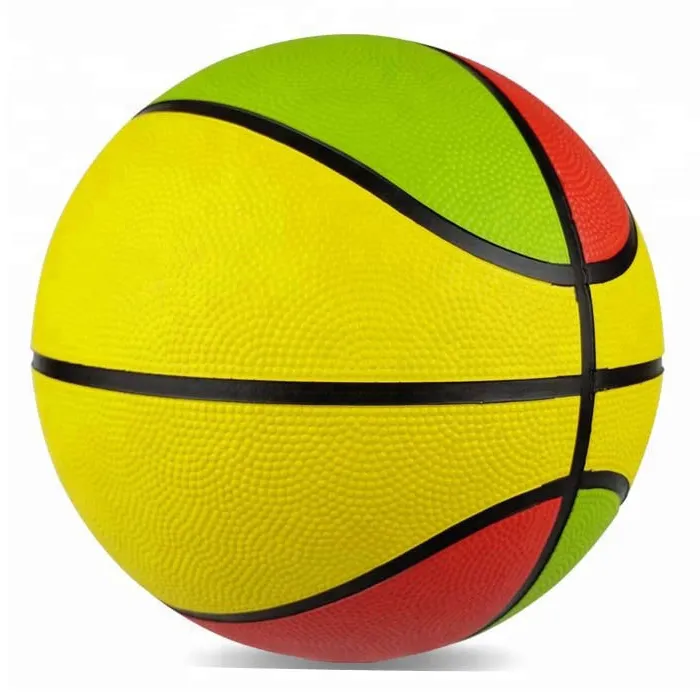
Custom Mini Basketball Ball for Branding and Promotional Use
In today’s competitive marketplace, brands are constantly searching for creative, cost-effective way
READ MORE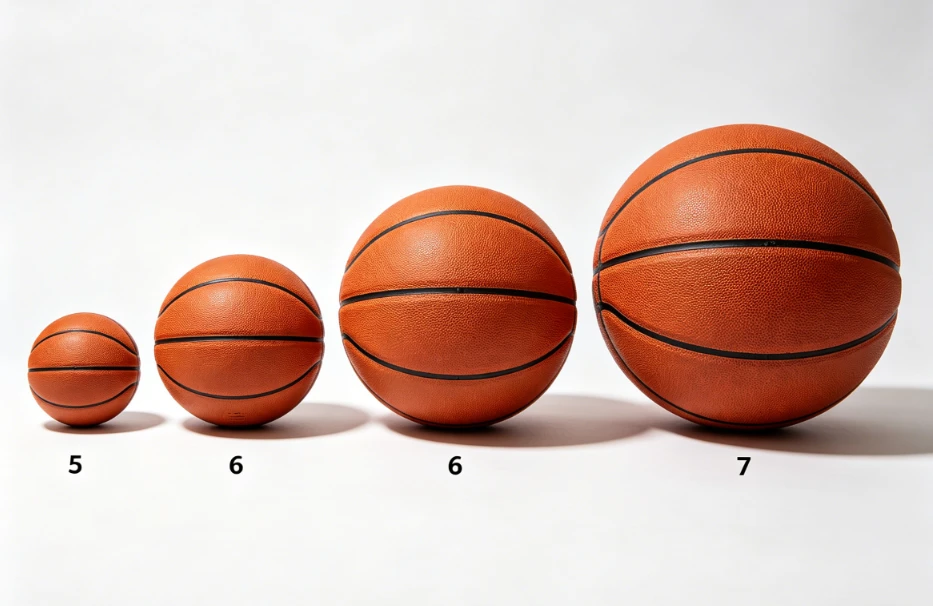
24,04 , 2026
Size Guide for Basketballs Wholesale: From Youth to Professional
Choosing the right basketball size is one of the most important decisions for wholesalers, sports eq
READ MORE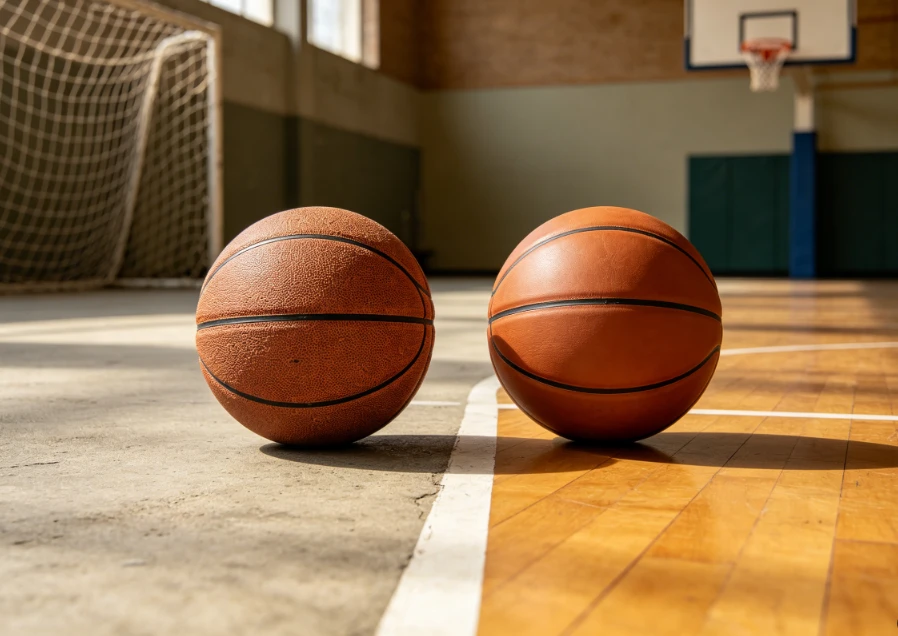
23,04 , 2026
Outdoor vs Indoor Basketballs Wholesale: Key Differences
When sourcing basketballs in bulk, understanding the difference between outdoor and indoor models is
READ MORE