From Youth Academies to Professional Leagues: Ensuring Optimal Performance and Compliance.
 By David Chen, Senior Export Manager at Hebei Starry Sports Goods Co., Ltd.
When you're sourcing soccer balls for a large-scale distribution, a professional club, or even a national sports federation, the seemingly simple question of "what size ball do I need?" opens up a surprisingly complex world. It’s not just about aesthetics; the correct size is fundamentally tied to player safety, skill development, game performance, and regulatory compliance. For us at Hebei Starry Sports Goods Co., Ltd., understanding these nuances is the bedrock of our export business. We've seen firsthand how a mismatch in ball size can lead to suboptimal play, increased risk of injury, and ultimately, dissatisfied clients. This isn't a minor detail; it's a critical factor that impacts procurement decisions from the grassroots level all the way up to international tournaments.
The global soccer (football) market, valued at approximately USD 8.47 billion in 2025 and projected to reach USD 9.97 billion by 2031, heavily relies on standardized equipment to ensure fair play and consistent development. 【Football (Soccer) Market Size, Share & Industry Growth Report, 2031 - https://www.mordorintelligence.com/industry-reports/football-market - The global football (soccer) market was valued at approximately USD 8.47 billion in 2025 and is projected to reach USD 9.97 billion by 2031 at a CAGR of 2.77%. Size 5 balls dominate with over 51% share, while mass-market segments lead volume. Growth is driven by rising global participation, youth and women’s football programs, major tournaments, and demand for premium thermally-bonded and sensor-enabled balls. Sialkot (Pakistan) remains a key manufacturing hub. Premiumization in Europe/North America and volume growth in Asia/Africa shape the competitive landscape. Innovations in materials and construction enhance durability, flight stability, and performance tracking.】 This report highlights a key point: Size 5 balls dominate the market, holding over 51% of the share. This isn't by accident. It reflects the established standards for adult and competitive play worldwide. However, assuming every buyer knows this or that their needs align precisely with the "dominant" size can be a costly assumption in international trade. We must cater to a spectrum of needs.
Procurement managers, distributors, and sports organizations are under pressure to source high-quality, compliant, and cost-effective equipment. The challenge lies in navigating international standards, understanding the specific requirements of different age groups and play levels, and selecting a supplier who can reliably deliver on these critical specifications. From a manufacturing perspective, producing balls of varying sizes requires precision in mold design, material cutting, and inflation techniques. A deviation of even a few millimeters in circumference or diameter can render a ball non-compliant for official matches. This is why our manufacturing process at Hebei Starry Sports Goods Co., Ltd. is meticulously controlled, adhering to international quality management systems.
Let's break down the different sizes and their typical applications. This guide is designed to equip you, the B2B buyer, with the knowledge to make informed decisions, avoid common pitfalls, and secure the best possible product for your specific market or team. We'll cover the official sizing from FIFA, explain why certain sizes are used for specific age groups, and touch upon the material and construction aspects that influence performance, even within a given size. Understanding these factors is crucial for anyone involved in bulk purchasing or wholesale distribution of sports equipment. It’s about more than just selling a product; it’s about providing the right tool for the sport to thrive.
Consider the ripple effect: an academy ordering Size 4 balls for its U10 team might see improved ball control and confidence among younger players. Conversely, a league that mistakenly orders Size 3 balls for its senior division will face immediate disqualification and player dissatisfaction. The implications extend to inventory management, marketing material accuracy, and even safety protocols. As an export-focused factory, we see demand from diverse geographical regions, each with its own youth development programs and regulatory bodies. Ensuring our product catalog clearly delineates these sizes and their intended uses is paramount for clear communication and successful transactions.
Furthermore, the global soccer balls market is projected to grow significantly, with estimates ranging from a CAGR of 2.77% to upwards of 9.40% across various reports. 【Soccer Balls Market Growth, Size, Share and Forecast 2035 - https://www.businessresearchinsights.com/market-reports/soccer-balls-market-108332 - The global soccer balls market is estimated at USD 3.32 billion in 2026 and is projected to grow to USD 7.41 billion by 2035 at a CAGR of 9.32%. Size 5 balls for professional match and training lead demand. Key drivers include surging soccer popularity worldwide, youth participation programs, e-commerce growth, and innovations in thermally bonded PU/TPU materials for better sphericity, water resistance, and durability. Major brands like Adidas, Nike, and Puma dominate through league partnerships. The market benefits from grassroots development and premium match ball upgrades.】 This growth signifies expanding opportunities for distributors and retailers, but also an increasing need for standardized, reliable sourcing. A clear understanding of soccer ball sizes is foundational to capitalizing on this expanding market effectively and ethically.
We've also observed shifts in material technology and manufacturing processes, like the increasing prevalence of thermally bonded balls. These advancements often go hand-in-hand with specific size requirements to optimize flight patterns and durability. A Size 5 ball constructed with advanced thermally bonded panels will perform differently than a Size 5 stitched ball, even though they share the same circumference. This technical depth is what we bring to the table, ensuring our clients understand not just the size, but the complete performance profile of the balls they are procuring.
Governing bodies like FIFA set clear guidelines for soccer ball dimensions to ensure consistency and fairness in competition. These standards are critical for manufacturers like us and for procurement managers who need to ensure their orders meet international regulations. The most commonly referenced sizes are:
| Size | Circumference | Weight | Recommended Age Group | Primary Use |
|---|---|---|---|---|
| Size 1 | 13-14 inches (33-35.5 cm) | 6-8 oz (170-225 g) | All ages (promotional, skill training) | Promotional items, skill development for very young children, or for players of all ages looking for a ball to practice footwork. Often used as a souvenir. |
| Size 2 | 20-21 inches (50-53 cm) | 9-11 oz (255-310 g) | Under 6 years old | Youngest players learning the game. Smaller size and lighter weight aid control and reduce intimidation. Crucial for early skill acquisition. |
| Size 3 | 22-23 inches (56-58 cm) | 11-13 oz (310-360 g) | Ages 6-7 (and sometimes up to 8) | Youth leagues, training for beginners. Provides a good balance for developing players learning passing and dribbling techniques. Essential for U7 and U8 categories. |
| Size 4 | 24-25 inches (61-63.5 cm) | 13-15 oz (360-410 g) | Ages 8-12 | Youth development, intermediate training. This size bridges the gap between smaller youth balls and the standard adult ball, facilitating transition. Very common in U9-U12 divisions. |
| Size 5 | 27-28 inches (68-70 cm) | 14-16 oz (410-450 g) | Ages 12+ (including professional and adult leagues) | Standard for adult and competitive youth soccer. This is the regulation size for most professional leagues, FIFA World Cup, and official matches for players 12 and older. It's the benchmark for performance and skill. |
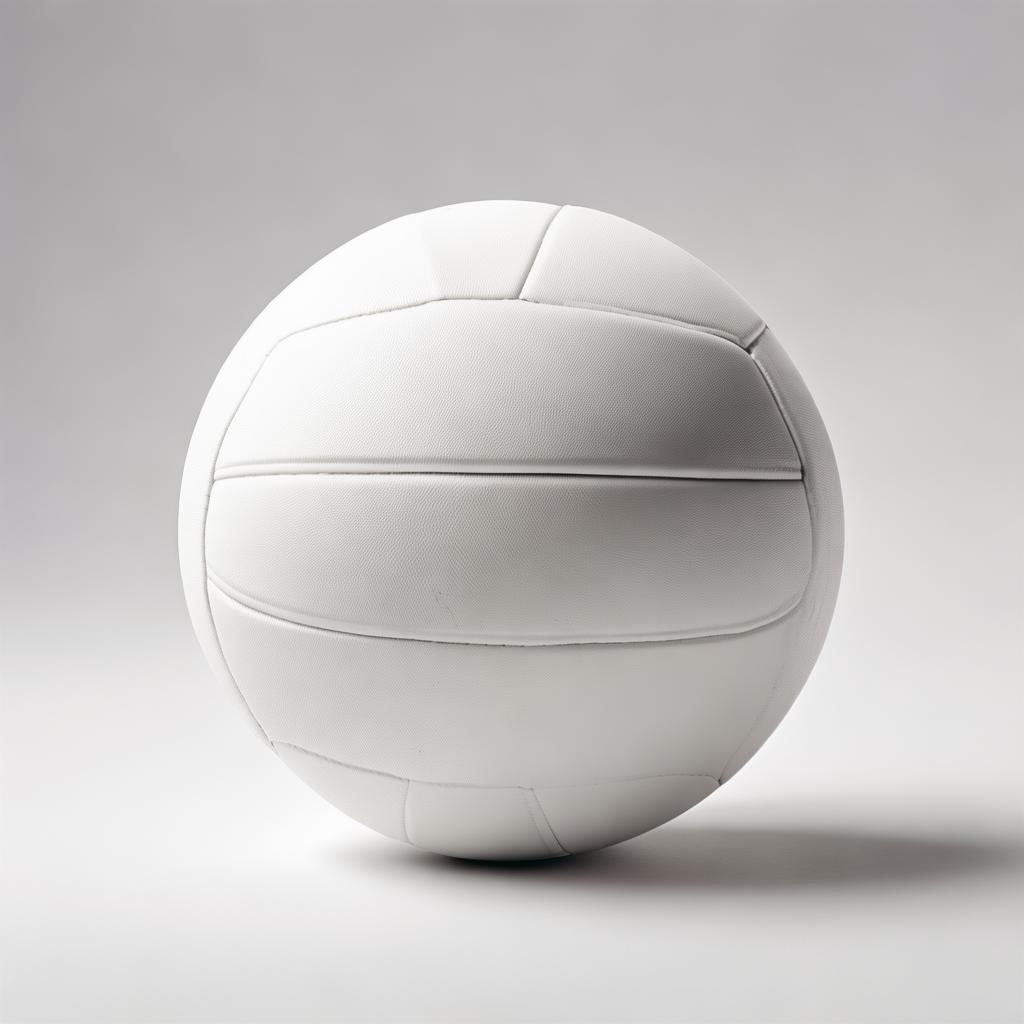
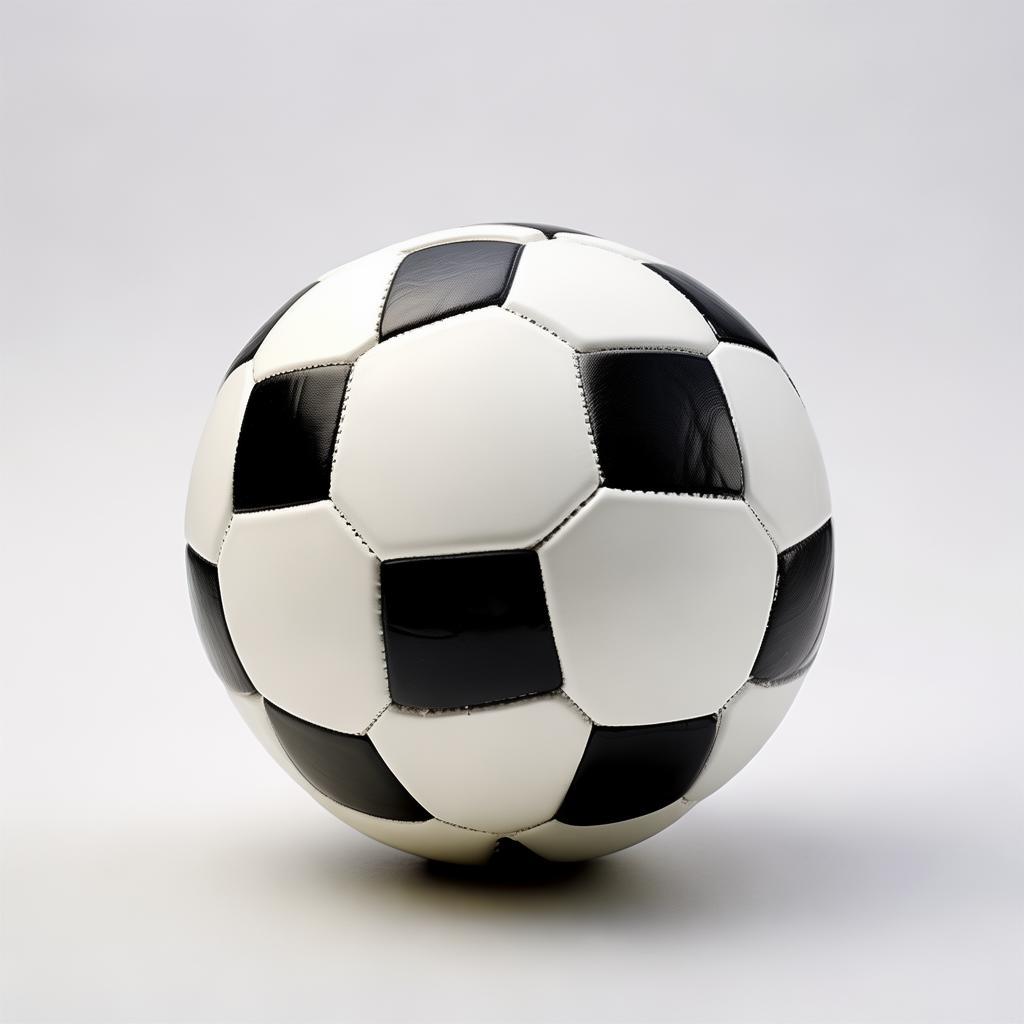
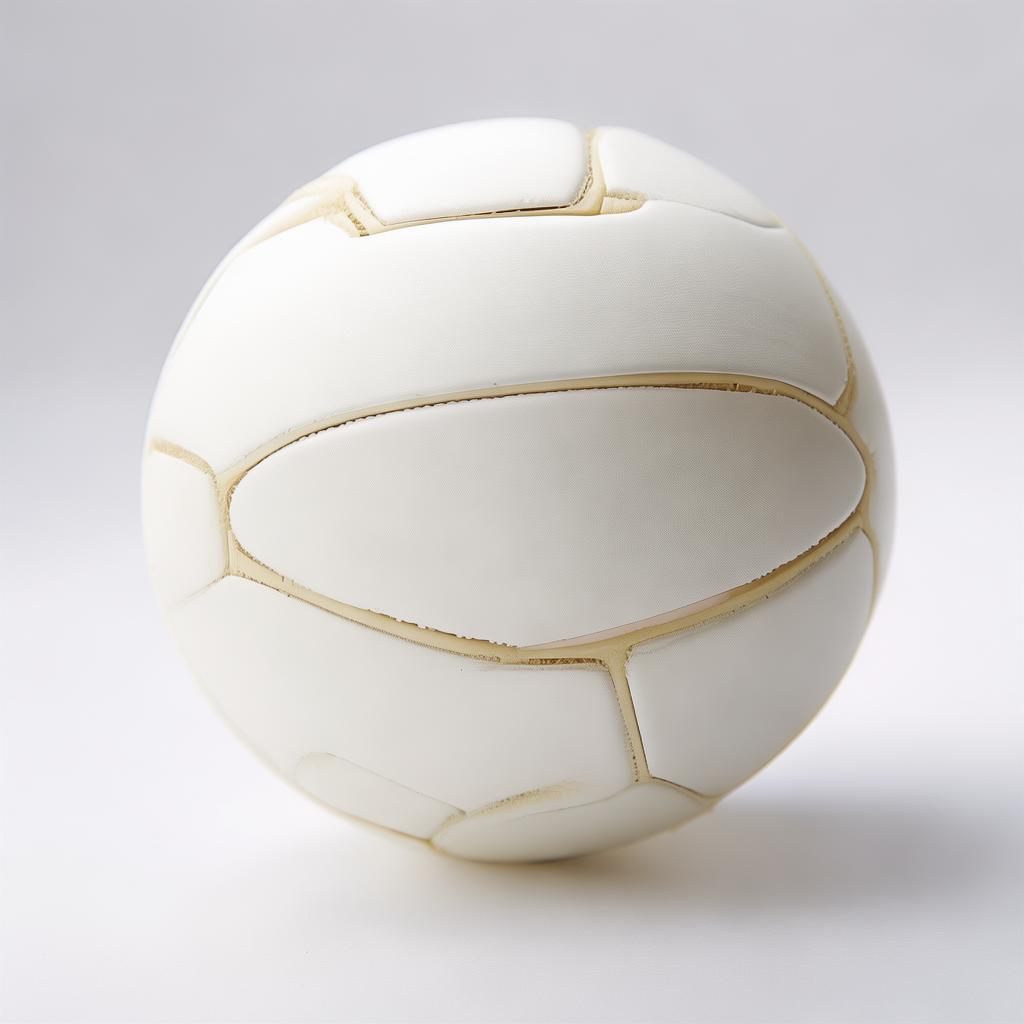
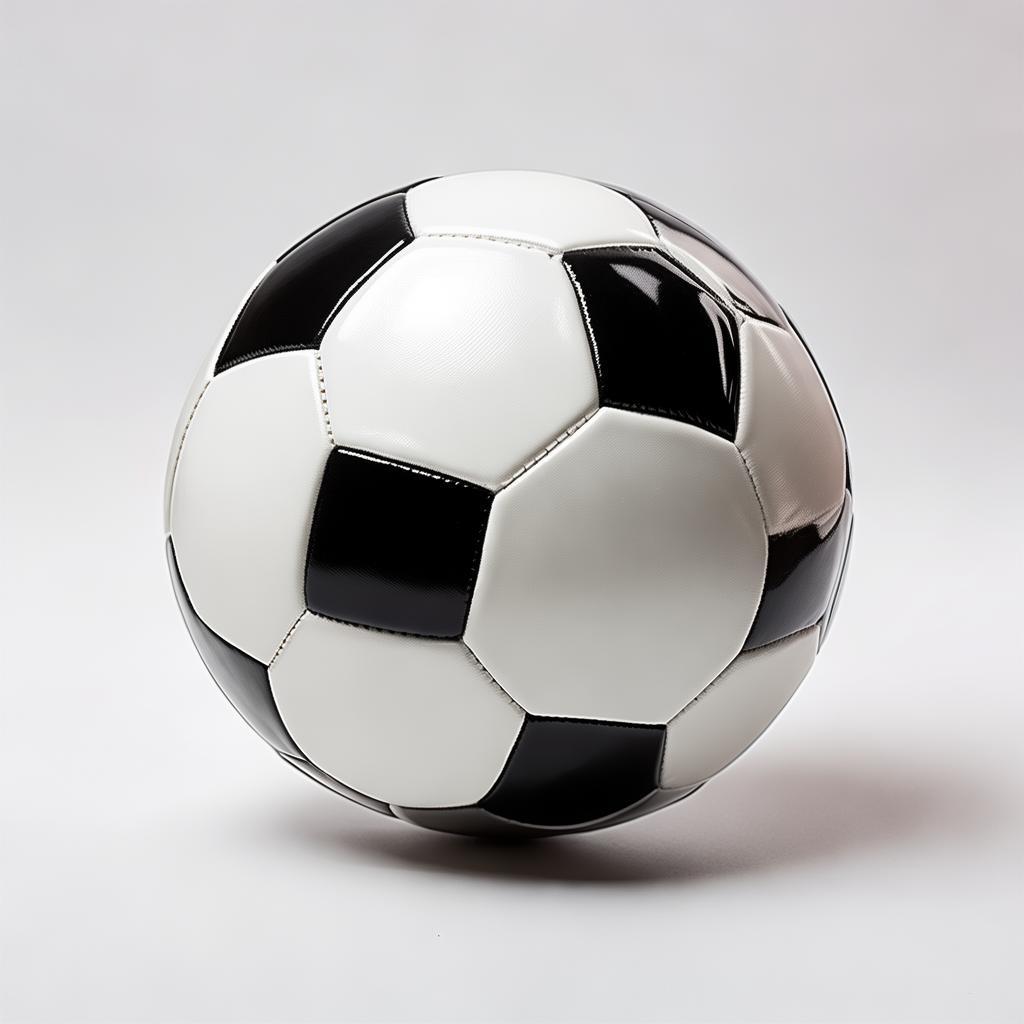
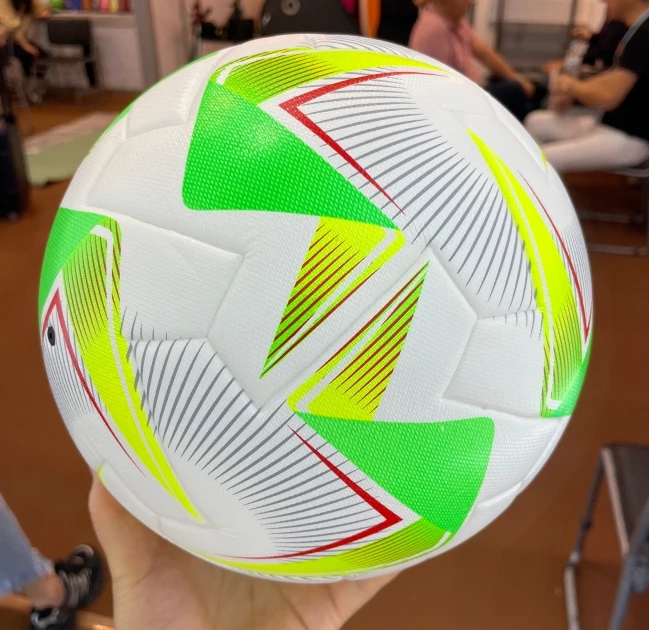
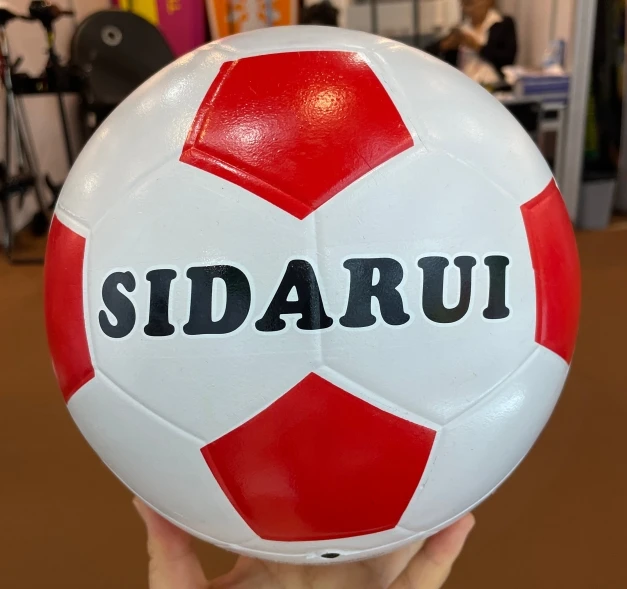
size 3 4 5 soccer balls size 1 soccer balls size 4 and 5 soccer balls
As you can see, the 'standard' soccer ball most people envision is the Size 5. It's the official size for competitive adult play. However, the market for younger age groups is substantial, and procuring the correct sizes for these divisions is non-negotiable for any serious sports equipment supplier or sporting goods retailer. We manufacture all these sizes, ensuring our clients have a comprehensive range to offer their customers. For instance, Size 4 balls are often critical for U10 or U11 teams, helping them develop foundational skills before moving to the heavier, larger Size 5.
It's worth noting that some organizations may have slight variations in their recommended age groups, especially at the transitional ages (e.g., 7-8 years old might use Size 3 or Size 4 depending on the league's developmental philosophy). This is where understanding your specific client's requirements becomes paramount. Are they a national federation that strictly adheres to FIFA guidelines, or a regional youth league with its own developmental program? Our export sales team is trained to ask these clarifying questions, ensuring we supply precisely what's needed. We’ve seen cases where specific school districts or regional associations mandate particular ball sizes for their internal competitions, deviating slightly from general FIFA recommendations. This level of detail is where true supplier expertise shines.
The Size 5 ball is universally recognized for adult play and U13 and above. Its dimensions (68-70 cm circumference, 410-450g weight) are engineered for optimal flight stability, control, and power in professional and serious amateur games. This is the size that receives the most attention in terms of technological advancements, such as advanced panel designs for aerodynamics and sensor integration for performance tracking. The market reports confirm this dominance; the global soccer ball market size forecast suggests Size 5 balls continue to lead demand. However, the growth in youth soccer participation worldwide means that the demand for Size 3 and Size 4 balls is equally robust and vital for wholesale distributors.
When discussing Size 4 balls, these are crucial for developing players aged roughly 8 to 12. Their slightly smaller circumference and lighter weight (61-63.5 cm, 360-410g) make them easier for younger players to handle, pass, and shoot effectively. This size aids in building confidence and technical proficiency without the overwhelming feel of a full-sized ball. Supplying a distributor who caters to youth leagues means ensuring a steady stock of Size 4s. We often see wholesale orders that include a significant percentage of Size 4s, reflecting the active development programs in regions like North America and Europe. We pay close attention to these trends to optimize our production schedules.
For the youngest demographics, Size 3 balls (56-58 cm, 310-360g) are indispensable for players typically aged 6 to 8. They are designed to foster basic skills, dribbling, and kicking with a ball that is manageable for their size and strength. Similarly, Size 2 (50-53 cm, 255-310g) and even Size 1 (promotional/skill balls, 33-35.5 cm, 170-225g) cater to the very young or specific training needs. These smaller sizes are critical for early engagement with the sport and are often purchased in bulk by schools and early-stage sports academies. From an export perspective, these smaller sizes are also more space-efficient for shipping, which can be a consideration for certain international orders.
Understanding these categories is not just about product knowledge; it’s about building trust with your B2B clients. When a buyer asks for 'youth soccer balls,' we don't just push Size 5s. We guide them through the age-appropriateness of Size 3s and Size 4s, backed by industry standards. This consultative approach is how we differentiate ourselves as a reliable manufacturing partner.
While size is paramount for compliance and player development, several other factors influence the quality and suitability of soccer balls, especially when sourcing in bulk for international markets. As a manufacturer with extensive export experience, Hebei Starry Sports Goods Co., Ltd. emphasizes these points to ensure our clients receive not just the correct size, but the best possible product for its intended application.
The outer cover material significantly impacts durability, feel, and water resistance. Common materials include:
Construction methods also play a vital role:
The choice between these materials and construction types will affect the ball's performance, lifespan, and price point. When we discuss a Size 5 match ball order, we will invariably discuss PU and thermally bonded construction as the industry standard for professional play. For bulk training ball orders, a durable PVC or TPU stitched ball might be more cost-effective.
The number and shape of panels (e.g., 32-panel, 14-panel, unique designs) affect how the ball flies. Modern designs aim to create a more stable and predictable trajectory, reducing swerving or wobbling. For competitive play, aerodynamics are crucial.
The bladder holds the air. Common types include butyl and latex.
For wholesale orders, especially for Size 5 match balls, clients often specify latex for its superior feel, while Size 4 training balls might more commonly feature butyl bladders for ease of maintenance.
If balls will be used on rough surfaces or in varying weather, materials with higher abrasion resistance and lower water absorption are essential. Thermally bonded balls generally excel in water resistance. We often advise clients in humid or rainy climates to prioritize these constructions for longevity.
Official match balls, especially Size 5, may require certifications like FIFA Quality Pro, FIFA Quality, or IMS (International Match Standard). These certifications verify that the ball meets stringent performance criteria for weight, circumference, roundness, bounce, water absorption, and shape retention. For distributors targeting official leagues or tournaments, these are non-negotiable. We hold relevant certifications for our premium ball lines, providing assurance to our clients.
Procurement involves more than just a price list. It requires a deep understanding of the end-user's needs and the technical specifications that deliver on those needs. Our goal is to provide B2B buyers with balls that perform reliably, comply with regulations, and offer excellent value. This holistic approach ensures that whether you're ordering a container of Size 5 match balls or a pallet of Size 3 training balls, you're getting a product that meets your operational and commercial objectives.
As a manufacturer deeply embedded in the international trade of sports goods, Hebei Starry Sports Goods Co., Ltd. understands the critical aspects of bulk procurement. When you're looking to source soccer balls, particularly across different sizes, several operational and logistical considerations come into play. These aren't always obvious from a simple product catalog but are vital for a smooth supply chain.
Manufacturing efficiency dictates MOQs. For specialized sizes or premium constructions, MOQs might be higher to justify setup costs. Our factory has a substantial annual output exceeding 5 million units across various sports balls. This scale allows us to manage MOQs effectively for different ball sizes and types, catering to both large-scale distributors and smaller regional buyers. We aim to be flexible where production planning allows.
The time from order confirmation to shipment is influenced by raw material availability, current factory load, and order complexity. For large orders of standard Size 5 balls, lead times might be shorter than for a mixed order including less common sizes or custom branding. Our strategic location near Tianjin Port also helps expedite the shipping process once production is complete. We provide realistic lead time estimates based on current production schedules, typically ranging from 30-60 days for standard orders, but we always work to optimize this.
Ensuring consistent quality across thousands of balls is paramount. Our QC team implements rigorous checks at multiple stages: raw material inspection, in-process checks during assembly, and final product testing for sphericity, weight, bounce, and pressure retention. For international buyers, this documented quality assurance process is a key trust factor. We can provide QC reports and arrange third-party inspections if required for significant orders.
Many B2B clients require custom branding, specific colorways, or unique panel designs. We offer comprehensive OEM/ODM services. This means we can produce balls to your exact specifications, from applying your logo and brand colors to developing entirely new ball designs. Understanding your target market's preferences for ball size, material, and aesthetic is part of our collaborative process. We've worked with brands to develop custom Size 4 balls for youth academy programs, complete with team logos and specific color schemes. This flexibility is a core strength.
Shipping costs and efficiency are major concerns for international trade. The size and number of balls impact container loading capacity. For example, deflated balls or balls shipped in bulk cartons take up less space than inflated ones. Our export team is experienced in optimizing container loads to maximize volume and minimize shipping expenses. We can handle various Incoterms (FOB, CIF, etc.) and provide necessary documentation for customs clearance. Proximity to Tianjin Port is a significant logistical advantage.
We offer flexible payment terms, typically involving an initial deposit and the balance due before shipment, or based on established credit relationships. We understand the risks involved in international procurement and aim to build long-term trust through transparency, consistent quality, and reliable delivery. Our long-standing presence in the foreign trade market since 2016 attests to our stability and commitment.
Navigating the international soccer ball market requires more than just understanding product specifications. It demands a supplier who can manage production, quality, customization, and logistics efficiently. At Hebei Starry Sports Goods Co., Ltd., we pride ourselves on being that reliable partner. Whether your need is for official Size 5 match balls, bulk Size 4 training balls for academies, or custom-branded promotional Size 1 balls, we have the capacity and expertise to meet your demands.
The most critical factor is the age group of the players. Refer to the official FIFA guidelines or your specific league's rules. Generally: Size 5 for ages 12+, Size 4 for ages 8-12, Size 3 for ages 6-8. Size 1 and 2 are for very young children or promotional use. If unsure, always consult your league’s technical director or governing body.
While technically possible, it's not recommended for optimal development. A Size 5 ball is larger and heavier than what younger players (under 12) can comfortably handle. Using a ball that is too large can hinder their ability to dribble, pass accurately, and shoot effectively, potentially leading to frustration and slower skill acquisition. It can also increase the risk of strain.
Match balls (especially Size 5) are typically constructed with premium materials (like PU), often thermally bonded, and may carry certifications (FIFA Quality Pro). They are designed for superior performance, aerodynamics, and feel during official games. Training balls are usually made from more durable but less premium materials (like PVC or TPU), might be stitched, and are built to withstand rigorous practice sessions on various surfaces. They prioritize durability and cost-effectiveness over absolute performance precision.
Yes, significantly. The weight-to-size ratio, along with panel design and construction, affects flight. Smaller balls (Size 3, 4) are easier for young players to control and kick with less power, naturally resulting in shorter, more manageable flight paths. A Size 5 ball, when struck with proper technique, is designed for stable, long-distance flight with predictable swerve capabilities. The construction (e.g., thermally bonded vs. stitched) also plays a role in minimizing unwanted aerodynamic effects.
Thermally bonded balls offer several advantages: superior sphericity (perfect roundness), reduced water absorption (meaning they don't get heavier and perform inconsistently in wet conditions), enhanced durability, and a more consistent flight path due to fewer seams. While often more expensive, they represent the modern standard for performance, even in Size 4 and Size 3 match balls used in elite youth programs.
While standard sizes (1-5) are industry-wide, we primarily manufacture and supply these officially recognized sizes. Our customization services focus on branding, colors, panel designs, and material choices within these established size categories to meet specific client needs, rather than creating entirely new size dimensions.
"We've been sourcing Size 4 and Size 5 balls from Starry Ball for our youth academy for three seasons now. The consistency in quality, especially the durability of their training balls, has been impressive. They understand the needs of developmental leagues and deliver reliable products. Their responsiveness to inquiries and flexibility with OEM branding makes them a valuable partner."
 Sarah Jenkins, Operations Manager, Northwood Youth Soccer Association (USA)
"As a distributor in Europe, we need balls that meet FIFA standards for club competitions. Starry Ball's Size 5 match balls, particularly their thermally bonded options, have consistently met our clients' expectations for performance and durability. The communication regarding production timelines and shipping has always been clear and accurate. We appreciate their commitment to quality control."
 Marco Rossi, Procurement Director, EuroSport Distribution (Italy)
"We required a large order of Size 3 balls for a nationwide elementary school program. Starry Ball provided competitive pricing without compromising on quality. The balls are lightweight enough for young children, and the custom branding was applied perfectly. Their factory's capacity allowed them to fulfill our substantial order within the required timeframe."
 Aisha Khan, Program Coordinator, Global Kids Sports Initiative (Canada)
WELCOME TO INQUIRE


LATEST NEWS
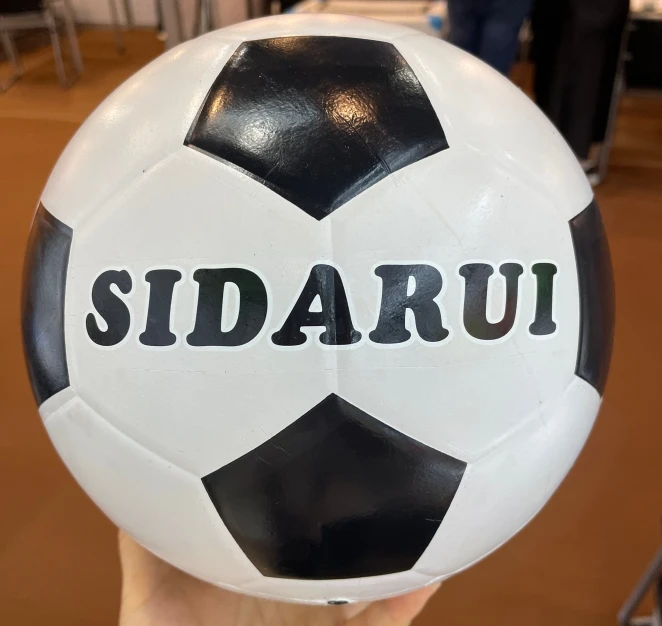
Crafted with precision and care, our soccer ball features a durable rubber core that ensures excellent bounce and resilience. The rubber material is not only lightweight but also provides the ideal amount of grip, allowing players to control the ball with ease. This means you can focus on perfecting your shots, passes, and tricks without worrying about the ball slipping away from you.
26,04 , 2026
Custom Mini Basketball Ball for Branding and Promotional Use
In today’s competitive marketplace, brands are constantly searching for creative, cost-effective way
READ MORE
24,04 , 2026
Size Guide for Basketballs Wholesale: From Youth to Professional
Choosing the right basketball size is one of the most important decisions for wholesalers, sports eq
READ MORE
23,04 , 2026
Outdoor vs Indoor Basketballs Wholesale: Key Differences
When sourcing basketballs in bulk, understanding the difference between outdoor and indoor models is
READ MORE