From Grassroots to Professional Pitches – Understanding the Nuances of Wholesale Soccer Ball Procurement
 By: Alex Chen, Senior Export Manager
A soccer ball. It's more than just a sphere; it's the focal point of global passion, the catalyst for countless dreams, and the essential tool for athletic achievement. For businesses involved in sports retail, distribution, or team supply, sourcing the right soccer balls is critical. It's not just about fulfilling an order; it's about supplying a product that performs consistently, endures rigorous play, and ultimately satisfies the end-user – the player.
In the international B2B trade arena, understanding the intricacies of soccer ball manufacturing and procurement can be the difference between a thriving partnership and a logistical headache. From the granular details of material composition and panel construction to the broader strokes of global market demand and certification requirements, every facet plays a role. As a supplier deeply embedded in the manufacturing of sports equipment, particularly soccer balls, we understand the questions procurement managers, distributors, and retailers grapple with.
The global soccer ball market is dynamic, influenced by major tournaments, the rise of youth and women's football programs, and continuous innovation in materials science and manufacturing techniques. Reports indicate a steady growth trajectory. For instance, the global football (soccer) market was valued at approximately USD 8.47 billion in 2025 and is projected to reach USD 9.97 billion by 2031, growing at a CAGR of 2.77%. [Source: Mordor Intelligence]. Another analysis projects the global soccer balls market to grow from USD 3.32 billion in 2026 to USD 7.41 billion by 2035 at a CAGR of 9.32%, highlighting the robust demand, especially for performance-oriented balls. [Source: Business Research Insights]. This signals significant opportunities but also underscores the need for a discerning approach to sourcing.
Choosing the right manufacturing partner means delving into production capabilities, quality control protocols, and export experience. It involves evaluating whether a factory can consistently deliver a product that meets international standards, whether it’s for professional match play, rigorous training sessions, or recreational use. The 'Fit For Now' (2026) context in industrial sourcing emphasizes agility, resilience, and a supplier's ability to adapt to evolving demands – factors crucial in the fast-paced sports goods industry.
This guide aims to equip you with the knowledge to make informed decisions. We'll demystify the technical jargon, illuminate the procurement process, and showcase how a well-chosen manufacturing partner can become an extension of your supply chain, ensuring quality, reliability, and competitive pricing. Whether you are a seasoned importer or new to the international trade of sports equipment, understanding these elements will empower you to secure high-quality soccer balls that drive sales and build lasting customer loyalty.
The appeal of soccer, or football as it's known globally, is undeniable and continues to expand. This pervasive popularity directly fuels the demand for soccer balls across all segments. We see this reflected in global market reports; for instance, the global soccer ball market was valued at approximately USD 2.79 billion in 2024 and is expected to reach around USD 6.84 billion by 2034 at a CAGR of roughly 9.40%. [Source: LinkedIn Pulse]. This substantial growth is driven by multiple factors that impact wholesale procurement strategies.
Youth participation is a cornerstone of this market. Schools, local clubs, and development programs worldwide are investing heavily in nurturing young talent. This creates a consistent demand for training balls – durable, reliable, and often more affordable options. For distributors, catering to this segment means understanding bulk order requirements and the need for robust quality control to ensure safety and longevity for young players.
Major international tournaments like the FIFA World Cup and continental championships act as significant demand catalysts. They not only drive sales of official match balls and replica versions but also boost general interest and participation at all levels. This creates seasonal peaks in demand, requiring manufacturers and suppliers to manage inventory and production schedules effectively.
The growth of women's football is another critical trend. Investment in leagues, teams, and grassroots initiatives is creating a new, significant demographic of players and fans. This translates to increased demand for women's specific ball sizes and designs, alongside general growth in the overall market. Manufacturers need to be agile in responding to these evolving market segments.
Geographically, while established markets in Europe and North America continue to demand high-performance, premium balls, emerging economies in Asia, Africa, and South America represent significant volume growth. These regions often see a higher demand for more budget-friendly, durable balls suitable for varied playing conditions. Understanding these regional preferences is key for international trade success.
E-commerce penetration is also reshaping how soccer balls are bought and sold. Online marketplaces offer direct access to consumers and smaller retailers, creating opportunities for specialized suppliers and necessitating efficient B2B fulfillment. The global soccer balls market is estimated at USD 3.32 billion in 2026 and is projected to grow to USD 7.41 billion by 2035 at a CAGR of 9.32%. [Source: Business Research Insights]. This growth is driven by surging soccer popularity, youth programs, and e-commerce.
From a procurement perspective, this complex web of demand means that suppliers must offer a diverse range of products, from entry-level training balls to high-spec match balls, and be capable of handling varying order volumes and delivery requirements across different markets.
When sourcing soccer balls, the most obvious specification is size. However, a deep dive into technical details is crucial for ensuring the balls meet performance expectations and regulatory standards.
Beyond size, several technical parameters define a ball's performance and durability:
Sphericity: The degree to which a ball is perfectly round. High sphericity ensures predictable flight and bounce, crucial for match balls. Modern construction techniques aim for minimal deviation.
Weight: Standard weights vary by size but are critical for feel and flight. Too light, and it's easily affected by wind; too heavy, and it becomes difficult to control.
Rebound Height: Specifies how high a ball should bounce when dropped from a certain height. This is a key indicator of bladder quality and inflation consistency.
Water Absorption: Particularly important for balls used in wet conditions or on surfaces prone to moisture. Low water absorption prevents the ball from becoming excessively heavy and affecting performance.
For procurement managers, specifying these technical requirements ensures that the balls procured align with their intended use and performance expectations. When requesting quotes, providing clear specifications for sphericity, weight tolerance, rebound, and water absorption is a practical step toward quality assurance.
The way a soccer ball is constructed and the materials used are direct determinants of its feel, durability, flight characteristics, and price point. Understanding these aspects is vital for selecting the right product for your market.
The outer cover is what players interact with. Common materials include:
The method used to join the ball's panels significantly impacts its performance and longevity.
Thermally-Bonded: This advanced technique uses heat and pressure to fuse the panels together, creating a virtually seamless surface. Thermally-bonded balls offer exceptional sphericity, reduced water uptake, and a consistent feel. They are the standard for high-level match balls. Innovations in this area continue to drive performance.[Source: Mordor Intelligence]. Many procurement professionals now prioritize this construction for its superior quality.
Machine-Stitched: The most common and cost-effective method. Panels are sewn together by machines. While durable, stitched balls may have slight gaps between panels and can be more prone to water absorption over time.
Hand-Stitched: Offers superior durability and shape retention compared to machine-stitched balls, as the stitches are typically thicker and tighter. This method is often used for high-quality training and match balls where cost is less of a constraint.
Hybrid Construction: Combines elements of stitching and thermal bonding to balance performance, durability, and cost.
Beneath the cover lies the bladder and lining, which dictate air retention and ball shape.
For wholesale buyers, understanding these materials and construction techniques allows for precise product selection and better communication with manufacturers. It’s about ensuring that the balls you procure meet the specific performance demands of your target market.
Not all soccer balls are created equal. They are engineered for specific environments and levels of play. Sourcing the correct type ensures optimal performance and value.
These are the pinnacle of soccer ball technology. Designed to meet FIFA's highest standards (like Quality Pro), they offer exceptional sphericity, optimal flight stability, and precise control. They typically feature thermally-bonded construction, premium PU covers, and multiple lining layers for a superior feel and minimal water uptake.
Target Buyer: Professional leagues, national federations, high-level amateur clubs.
Built for durability and consistent performance during practice sessions. Training balls often use machine-stitched or hybrid construction with more robust TPU or PU covers. They are designed to withstand frequent use on various surfaces, offering a good balance of performance and value. Size 5 training balls are a staple in wholesale orders.
Target Buyer: Youth academies, school teams, recreational leagues, clubs for practice.
These balls are designed for casual play and can often handle a wider range of surfaces, including grass, artificial turf, and even some harder grounds. They typically use durable TPU or PVC covers and machine-stitched construction, prioritizing longevity and affordability over elite performance.
Target Buyer: General consumers, backyard play, casual pickup games.
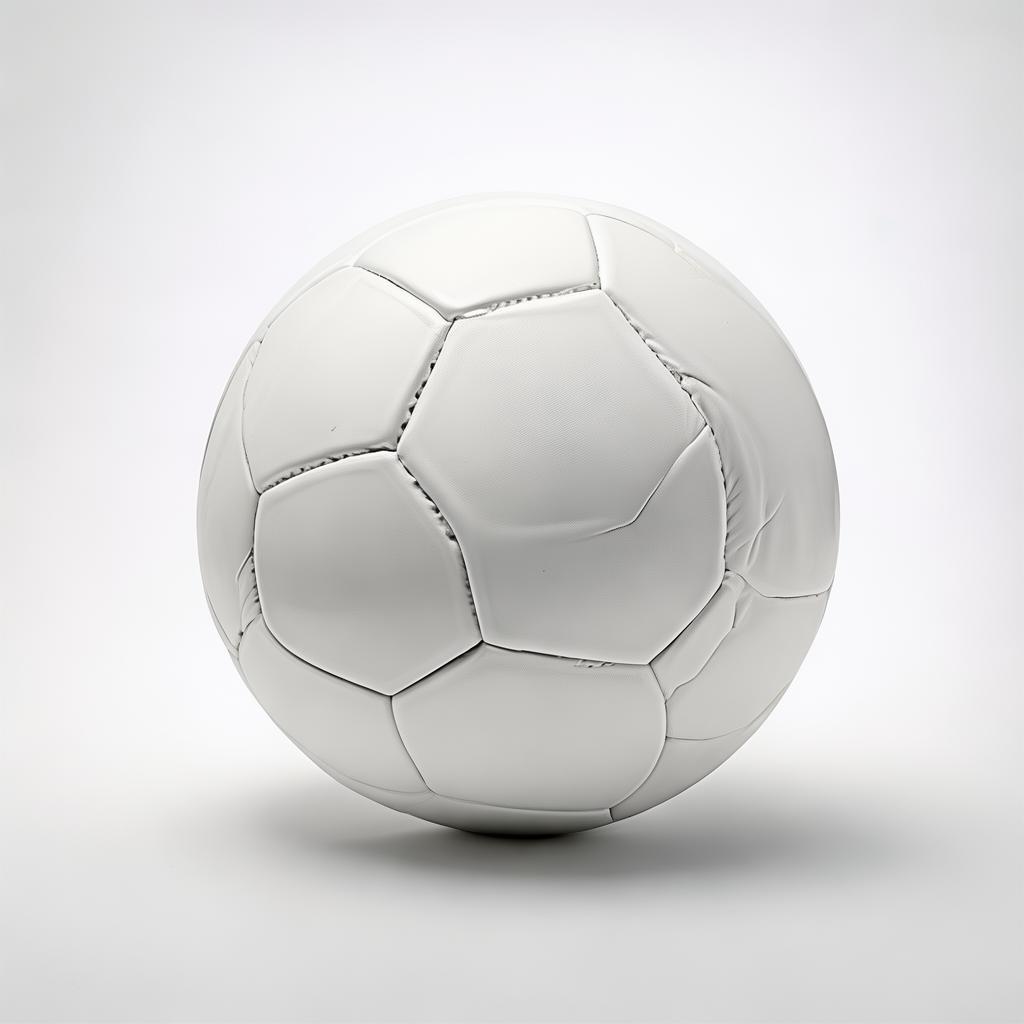
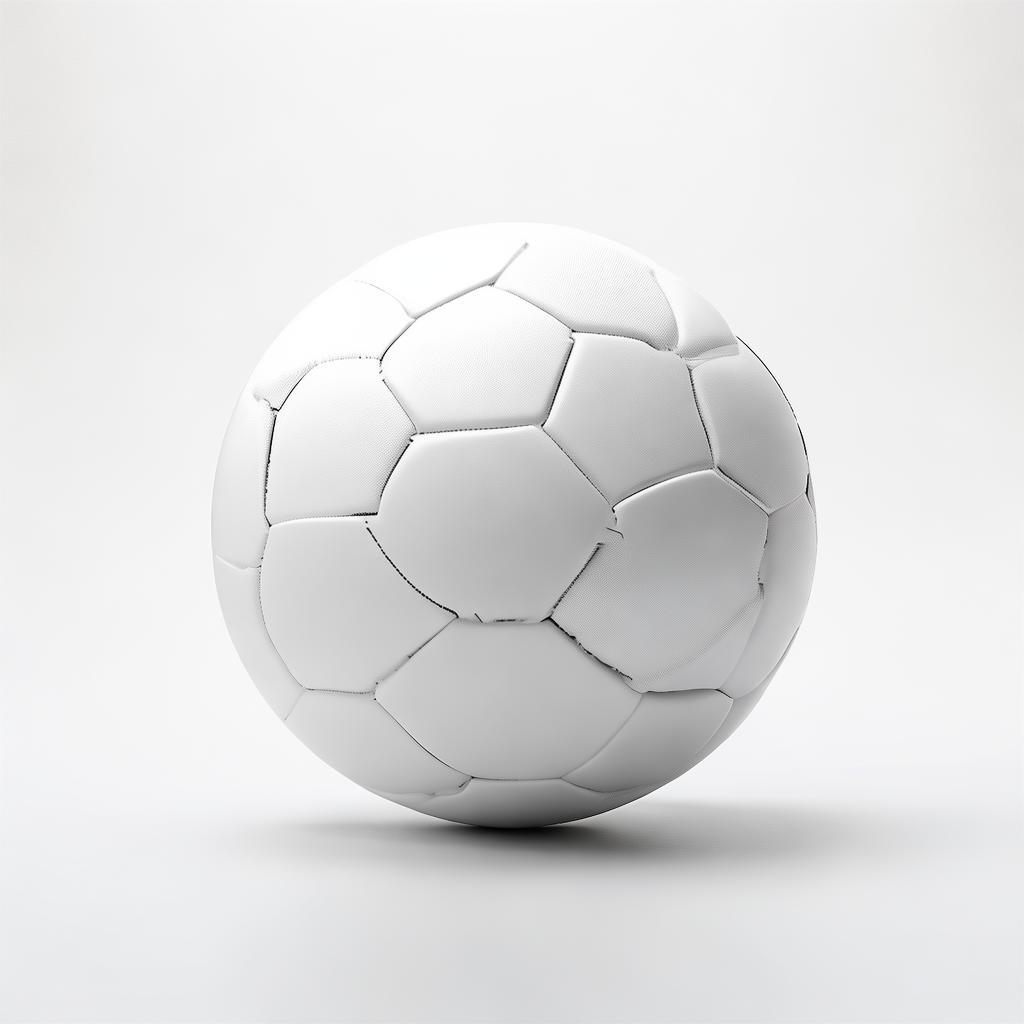
pelota de soccer soccer ball pelota de fútbol soccer
Futsal balls are specifically designed for smaller, hard courts. They are typically Size 4, heavier, and have a much lower rebound than outdoor balls to allow for better control in tight spaces. Their construction often prioritizes a good feel on hard surfaces.
Target Buyer: Indoor soccer facilities, futsal leagues, players who train indoors.
This category includes balls with unique designs, custom branding, or specific features (e.g., glow-in-the-dark). They are often used for promotional events, merchandise, or as novelty items. While performance might be secondary, durability and customization options are key.
Target Buyer: Corporate clients, promotional agencies, sports apparel brands.
A comprehensive supplier will offer a range that covers most of these applications, enabling you to build a diverse inventory tailored to your specific market needs.
Sourcing soccer balls internationally requires more than just finding the lowest price. A strategic approach ensures quality, reliability, and a sustainable supply chain.
When evaluating potential manufacturers, look beyond their website.
Always request samples before committing to a large order. This is your chance to physically assess the quality, feel, and performance of the balls. When requesting quotes, be specific about:
Comparing quotes from multiple qualified suppliers will help you identify competitive pricing while ensuring you don't compromise on quality.
Key negotiation points include:
Having a clear contract that outlines all terms protects both parties and ensures a smooth transaction.
Located in Xingji Town, Cangzhou City, Hebei Province, China, Hebei Starry Sports Goods Co, Ltd has established itself as a reliable manufacturer in the international sports equipment market. Our strategic location near the Jinpu railway and No. 104 National Road, approximately 100 kilometers from Tianjin Port, ensures efficient logistics and convenient access for global shipping.
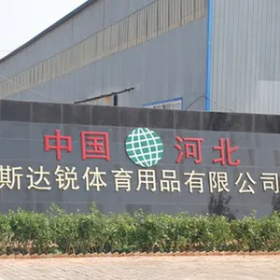
Established in November 2014, we specialize in the production of footballs, basketballs, and volleyballs. Our expansive facility covers 67,000 square meters and is powered by a dedicated team of 316 skilled workers. This robust infrastructure enables us to achieve an annual output of over 5 million various sports balls.
Our commitment to innovation is reflected in our designs, featuring the latest appearances and rich color matching that resonate with athletes and consumers alike. Since entering the foreign trade market in 2016, we have built a strong reputation, with our products exported to Asia, Europe, and South America. We consistently receive high praise from professional athletes, sports enthusiasts, and industry insiders.
Partnering with Hebei Starry Sports Goods means aligning with a factory that prioritizes quality, efficiency, and customer satisfaction. We are equipped to handle diverse demands and contribute to the success of your sports goods business.
For wholesale buyers, especially those supplying to regulated markets or professional organizations, understanding and verifying certifications is paramount. These accreditations provide assurance of quality, safety, and performance.
While FIFA doesn't certify every ball on the market, they have developed quality standards that many manufacturers adhere to, particularly for higher-tier products. These include:
Other relevant certifications and standards that demonstrate a manufacturer's commitment to quality and safety include:

ISO 9001
(Quality Management)
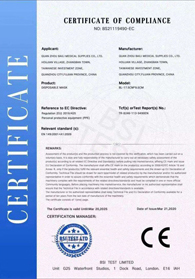
CE Marking
(European Conformity)

RoHS Compliant
(Restriction of Hazardous Substances)

ASTM/CPSIA
(US Consumer Safety)
At Hebei Starry Sports Goods, we are committed to upholding high standards. While specific certifications may vary per product line, we can provide documentation and evidence of our adherence to relevant quality management systems (like ISO 9001) and product safety regulations required for international markets. Verifying these details with your supplier is a crucial step in risk mitigation.
Efficient logistics are the backbone of international trade. For wholesale soccer balls, understanding shipping methods, packaging, and delivery terms is essential for managing costs and timelines.
How balls are packaged impacts shipping volume, protection, and readiness for sale:
The primary methods for international shipping of sports goods are:
Our proximity to Tianjin Port, a major international shipping hub, offers us a distinct advantage in streamlining sea freight operations.
Understanding Incoterms (International Commercial Terms) clarifies who is responsible for costs and risks at each stage of transit. Common terms include:
We typically work on FOB terms from Tianjin Port, but we are flexible and can discuss other Incoterms based on your import capabilities and preferences. Accurate customs documentation and compliance are handled by our experienced export team to ensure smooth border crossings.
A: Our MOQ for custom-branded or OEM soccer balls typically starts at 1000-2000 units, depending on the complexity of the customization and the ball model. We can discuss specific requirements for your project.
A: Production lead times vary based on order volume, material availability, and current factory capacity. For standard bulk orders (e.g., 5,000-10,000 units), lead times are typically 30-45 days after order confirmation and deposit. Customization may add to this time.
A: Yes, we absolutely can. We offer pre-production samples for custom orders and can also send stock samples for your evaluation. Sample costs and shipping fees typically apply.
A: Our standard payment terms are a 30% deposit upon order confirmation and the remaining 70% balance due before shipment. We are open to discussing variations for long-term, established partnerships.
A: Yes, we ensure our balls, especially those intended for younger age groups (Size 3 and Size 4), comply with relevant safety standards such as EN71 for Europe and ASTM F963 for the USA. We can provide compliance documentation upon request.
"We've been sourcing training soccer balls from Starry for our distribution network for three years. Their consistency in quality, especially with large batches, is impressive. The logistics from their facility to our warehouse in the US have been smooth, and their team is always responsive to our needs."

"As a retail chain, we need reliable suppliers for our soccer ball inventory. Starry's OEM capabilities allowed us to develop a custom-branded ball for our budget-conscious customers. The price point is competitive, and the durability has led to positive customer feedback and repeat purchases."

"We approached Hebei Starry looking for thermally-bonded match balls for our youth academy. Their technical team was knowledgeable, and the samples we received met our stringent performance requirements. They handled a large order for us, delivering on time for the start of our season. Excellent partnership."

Partner with a manufacturer dedicated to quality, performance, and global supply chain excellence. Let us help you find the perfect soccer balls for your market.
WELCOME TO INQUIRE


LATEST NEWS
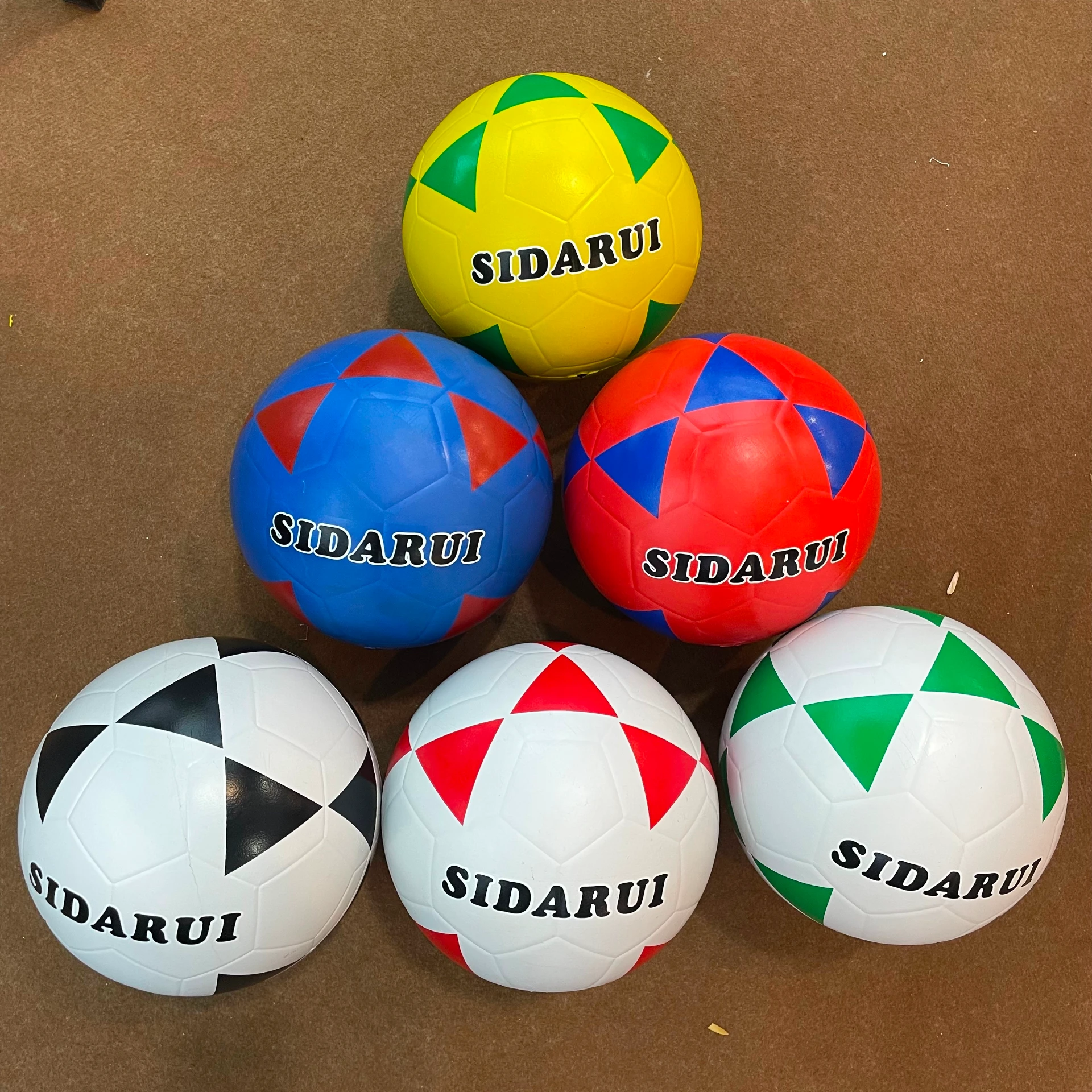
Crafted with precision and care, our soccer ball features a durable rubber core that ensures excellent bounce and resilience. The rubber material is not only lightweight but also provides the ideal amount of grip, allowing players to control the ball with ease. This means you can focus on perfecting your shots, passes, and tricks without worrying about the ball slipping away from you.
26,04 , 2026
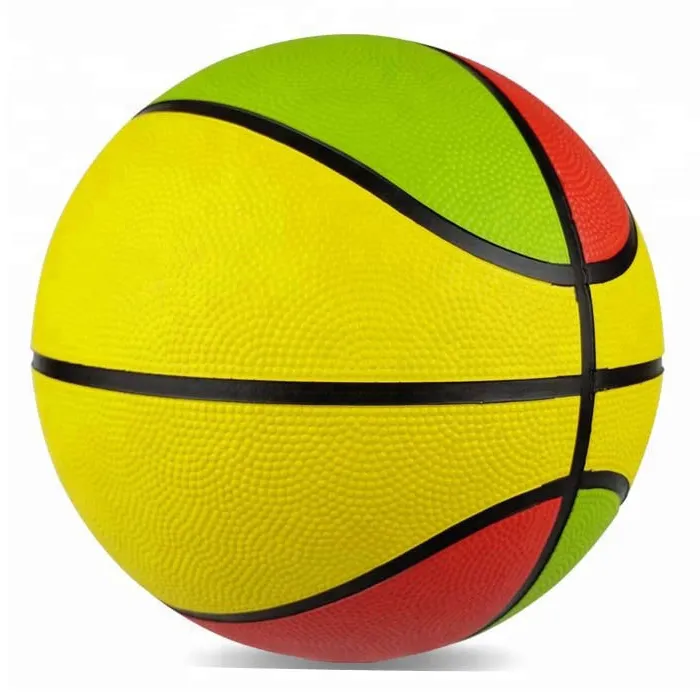
Custom Mini Basketball Ball for Branding and Promotional Use
In today’s competitive marketplace, brands are constantly searching for creative, cost-effective way
READ MORE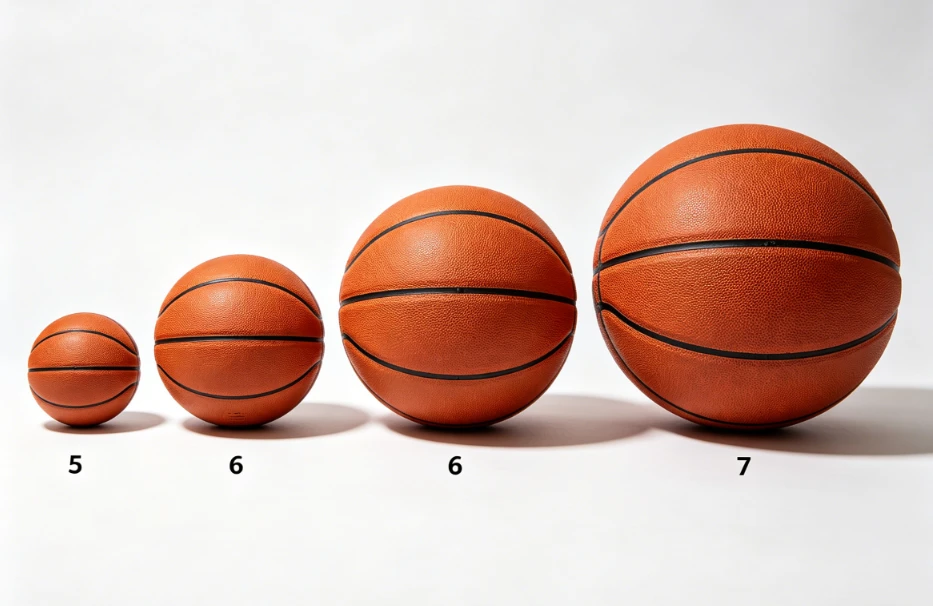
24,04 , 2026
Size Guide for Basketballs Wholesale: From Youth to Professional
Choosing the right basketball size is one of the most important decisions for wholesalers, sports eq
READ MORE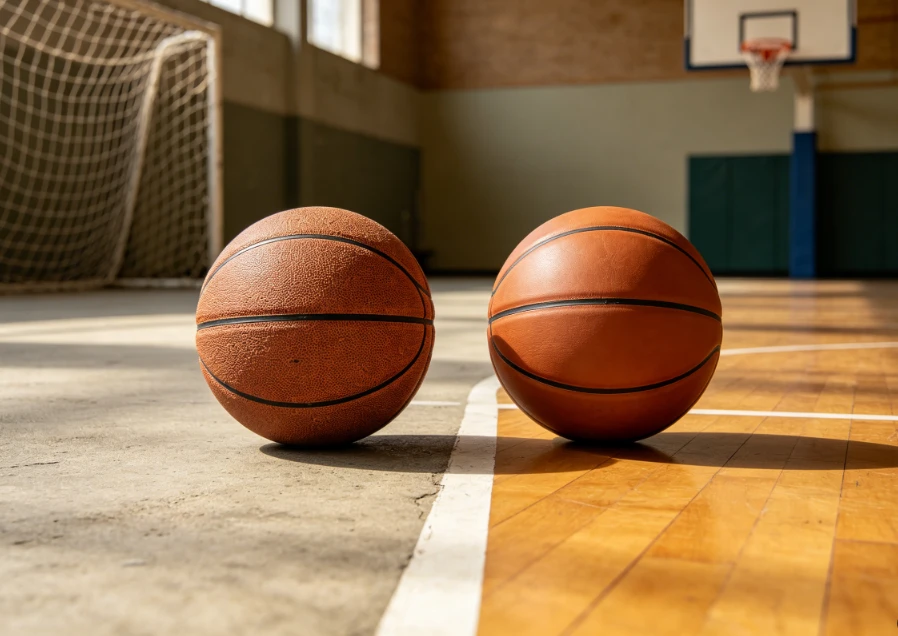
23,04 , 2026
Outdoor vs Indoor Basketballs Wholesale: Key Differences
When sourcing basketballs in bulk, understanding the difference between outdoor and indoor models is
READ MORE