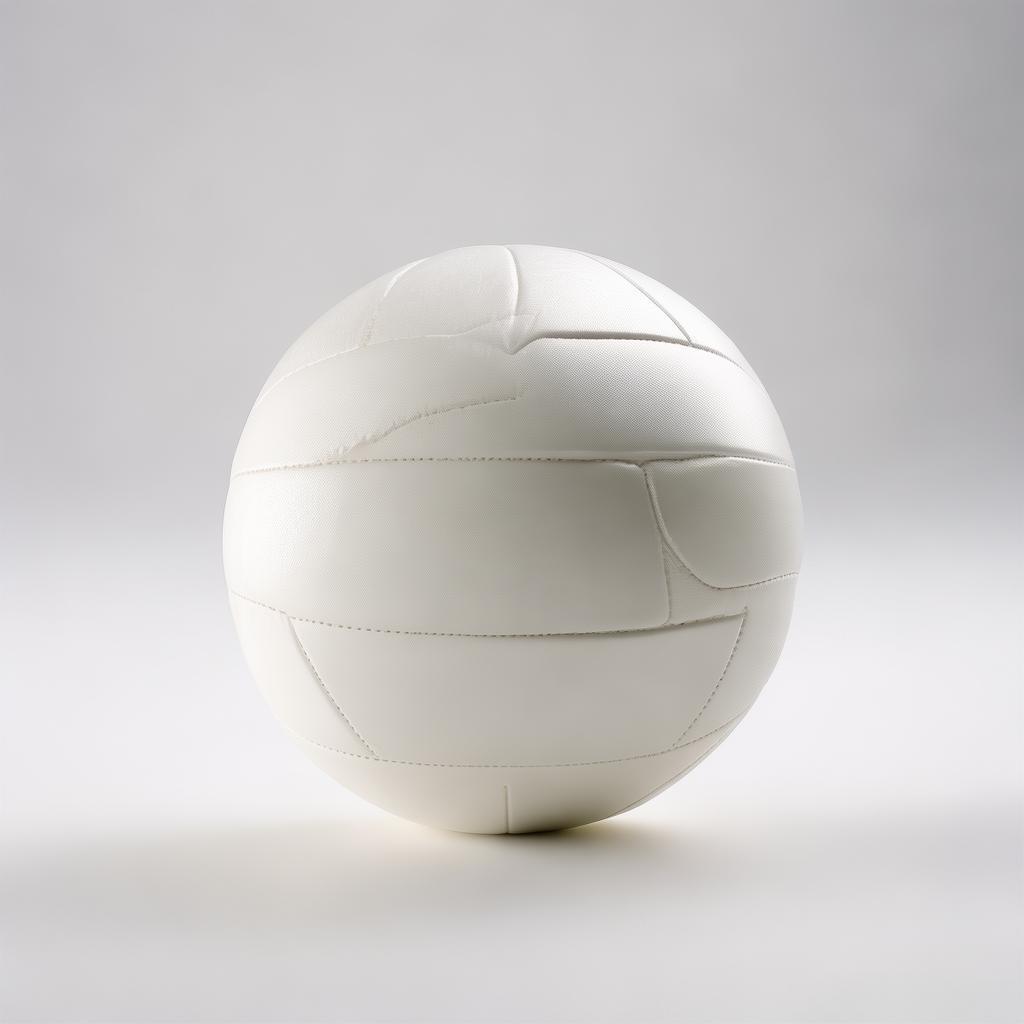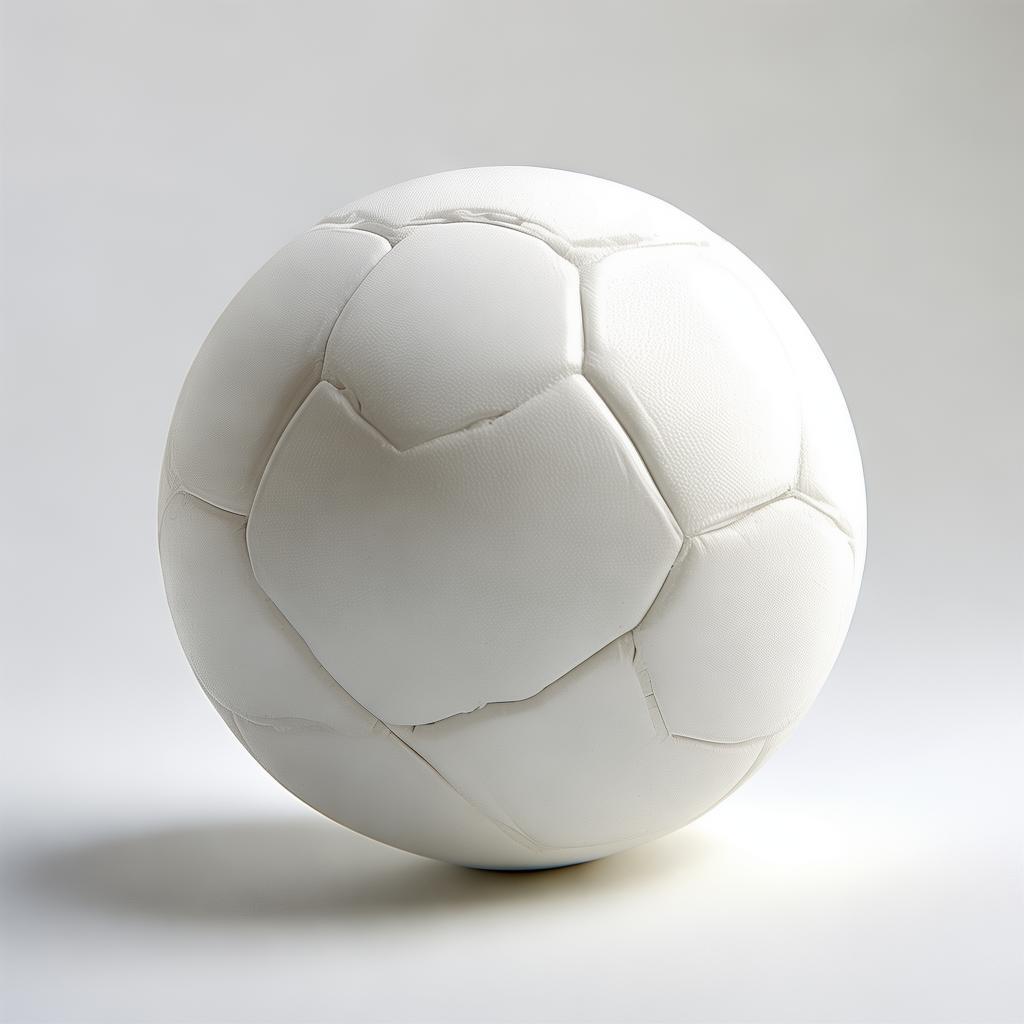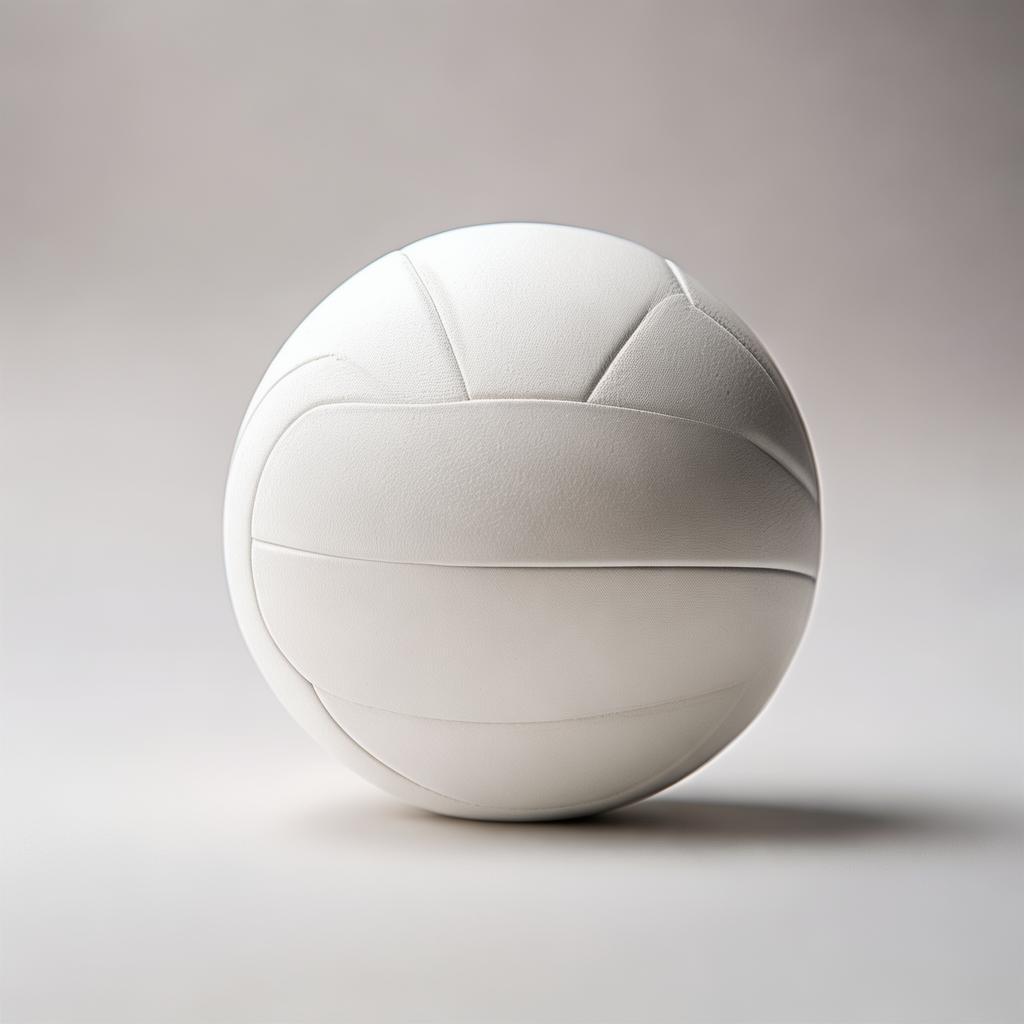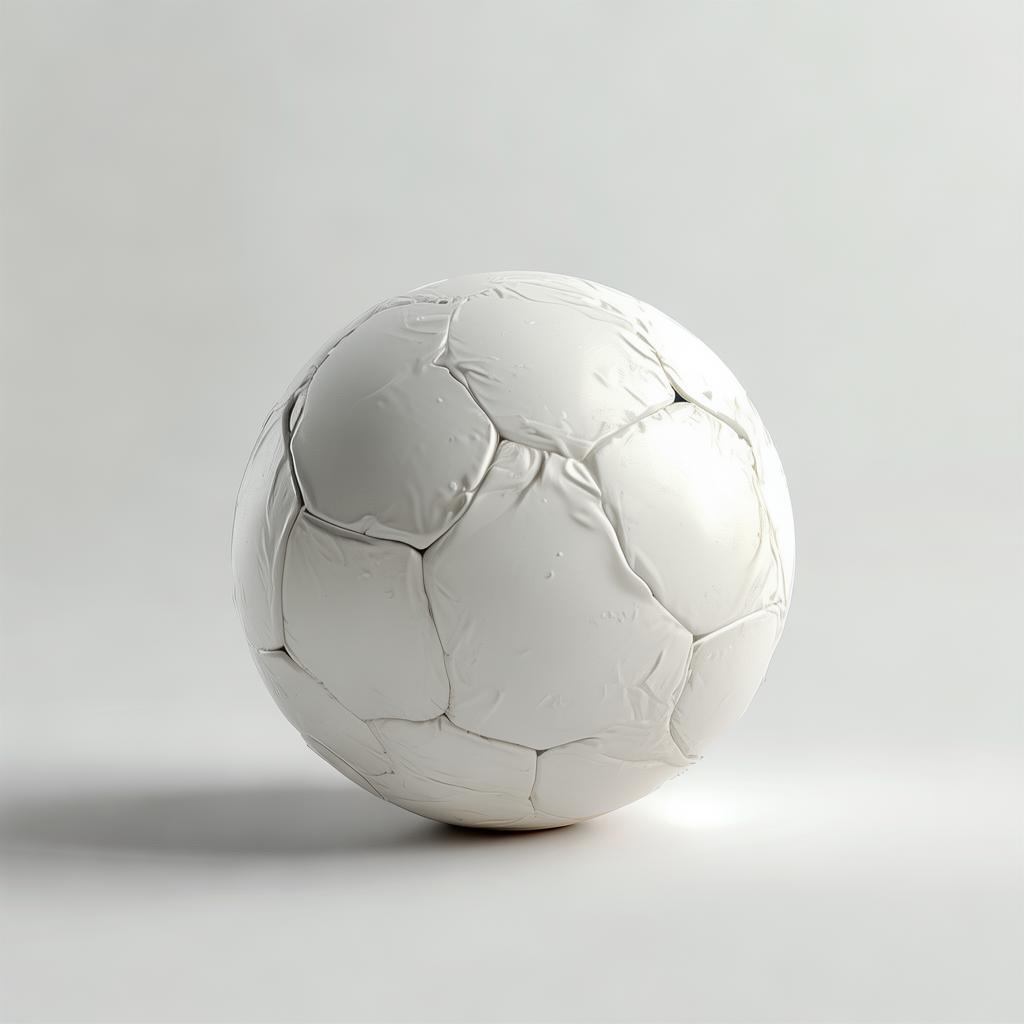
Ensuring Performance, Durability, and Value in Every Kick
 By David Chen, Lead Export Manager
| Hebei Starry Sports Goods Co., Ltd.
By David Chen, Lead Export Manager
| Hebei Starry Sports Goods Co., Ltd.
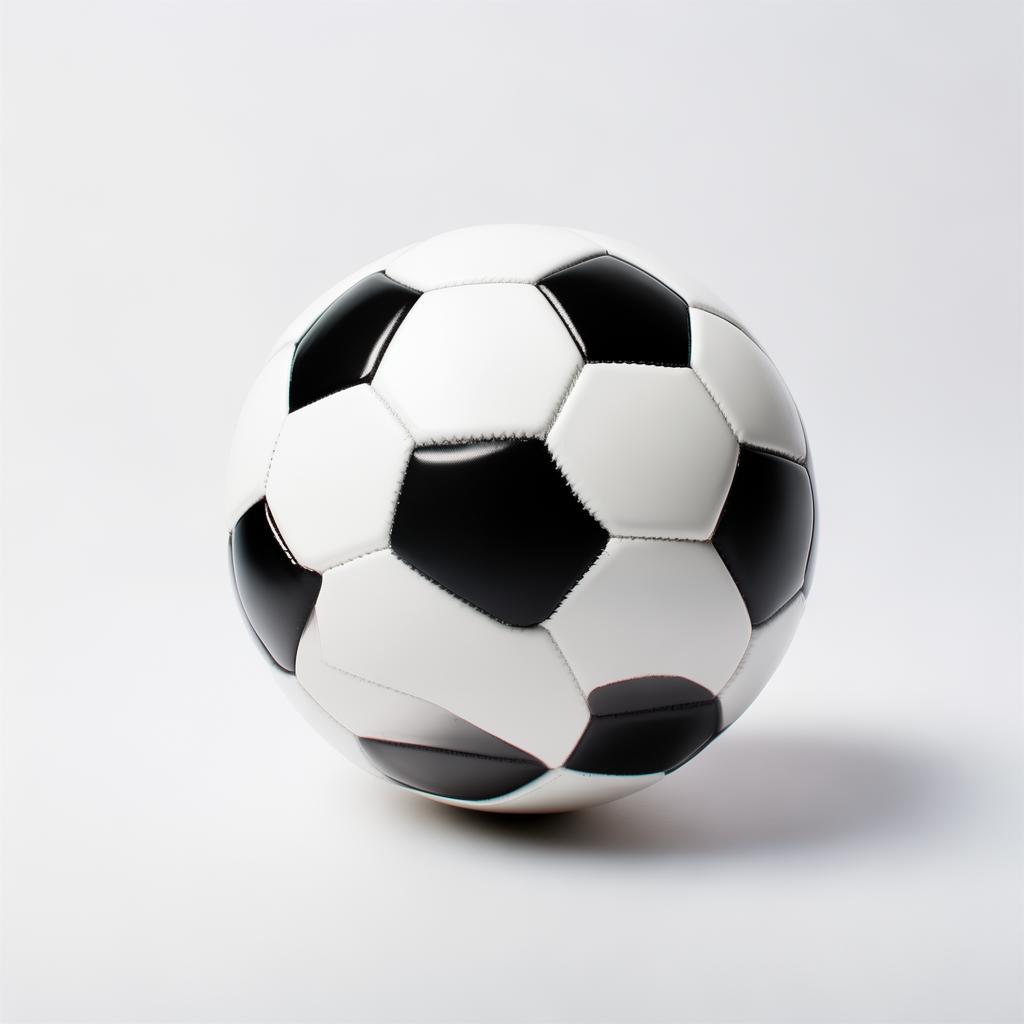
In the fast-paced world of international trade, particularly within the sports equipment sector, "quality" isn't just a buzzword. For soccer balls, it's a complex interplay of materials, construction, adherence to standards, and ultimately, how the ball performs on the pitch. When procurement managers, distributors, or brand owners are looking to source soccer balls, they aren't just buying an inflated sphere; they're investing in consistent flight, predictable bounce, long-term durability, and player safety. This deep dive aims to demystify what truly constitutes high-quality soccer balls from a manufacturing and procurement perspective, equipping you with the knowledge to make informed decisions that drive both performance on the field and profitability in your business.
The global football (soccer) market, valued at approximately USD 8.47 billion in 2025 and projected to reach USD 9.97 billion by 2031, underscores the significant commercial interest in this sport. [Source: Mordor Intelligence]. Within this vast landscape, the quality of the soccer ball is paramount. A poorly constructed ball can lead to erratic flight paths, inconsistent performance, and a significantly reduced lifespan, impacting player confidence and potentially leading to injuries. For buyers, this translates directly into customer dissatisfaction, increased returns, and damage to brand reputation. We understand that your reputation hinges on the quality of the products you supply, and that's precisely where our expertise comes into play.
Consider the procurement process. It often starts with a need: a new league season, expanding a product line, or fulfilling a large order for a sporting event. The technical specifications are crucial, but so too are the practical considerations of sourcing. What materials are genuinely superior for a given application (match play, training, casual use)? How does the construction method—whether it's traditional stitching, thermal bonding, or hybrid approaches—affect the ball's integrity and feel? These aren't minor details; they are fundamental to achieving the desired soccer ball quality. At Hebei Starry Sports Goods Co., Ltd., we’ve spent years honing our manufacturing processes and understanding the nuances that differentiate a mediocre ball from a truly exceptional one.
The market itself is dynamic. We see trends moving towards more advanced materials, enhanced water resistance, improved grip, and even integrated sensors for performance tracking. However, the core requirement remains consistent: a ball that is perfectly spherical, durable, and provides a predictable playing experience. The global soccer balls market is projected to grow significantly, with some reports indicating a potential reach of USD 7.41 billion by 2035 at a CAGR of 9.32%. [Source: Business Research Insights]. This growth is fueled by increased participation worldwide, particularly in youth and women's programs, and the continuous demand for higher-performance equipment.
For international buyers, navigating quality control can be challenging. Differences in manufacturing standards, material sourcing, and quality assurance protocols across regions can lead to unexpected variations. Our objective is to bridge this gap by offering transparency and a deep understanding of what makes a soccer ball excel. From the elasticity of the bladder to the abrasion resistance of the cover, every component plays a vital role. We'll delve into the technical aspects, the manufacturing realities, and the supplier evaluation criteria that matter most when sourcing soccer balls internationally. Our goal is to ensure you receive products that not only meet but exceed your quality expectations, providing value and reliability season after season.
This comprehensive guide is designed for purchasing managers, procurement directors, B2B distributors, and anyone tasked with sourcing soccer balls who values tangible quality. We'll cover everything from the microscopic integrity of the materials used to the macroscopic performance on the field. Understanding these elements is key to mitigating risks associated with international sourcing and ensuring that your investment in soccer balls translates into genuine value and competitive advantage.
The choice between a machine-stitched, hand-stitched, or thermally bonded ball is a significant one, impacting everything from water resistance to the ball's shape retention over time. Thermally bonded construction, for instance, is increasingly favored for its ability to create a virtually seamless surface, enhancing aerodynamics and reducing water uptake, a critical factor in maintaining playability during wet conditions. The global market is seeing a shift towards such advanced constructions.
Ultimately, soccer ball quality is about delivering a consistent, reliable, and enjoyable playing experience. It's about a ball that performs as expected, game after game, kick after kick. This commitment to quality is the bedrock of our operations at Hebei Starry Sports Goods Co., Ltd., and it's what we aim to help you achieve with your sourcing strategy.
The sports equipment sector is in constant flux, and the soccer ball market is no exception. Understanding current trends is vital for any B2B buyer looking to stay ahead. We've observed significant shifts driven by technological advancements, evolving consumer preferences, and the growth of organized sports at both professional and grassroots levels.
One dominant trend is the move towards thermally bonded construction. This method offers superior sphericity, significantly reduced water absorption compared to traditional stitching, and enhanced durability. It's becoming the standard for high-performance match balls. The global soccer ball market is expected to reach USD 6.84 billion by 2034, with a CAGR of approximately 9.40%, partly fueled by these technological improvements. [Source: LinkedIn Pulse]. This isn't just about aesthetics; it directly impacts flight stability and consistency, crucial for players at all levels.
We're also seeing increased demand for advanced materials. While PU (Polyurethane) remains a popular choice for its soft touch and durability, innovations in synthetic leathers and microfibers are providing enhanced grip, better feel, and improved abrasion resistance. The type of material chosen often dictates the ball's intended use – PU for premium match balls, softer PU or PVC for training, and durable PVC for recreational use.
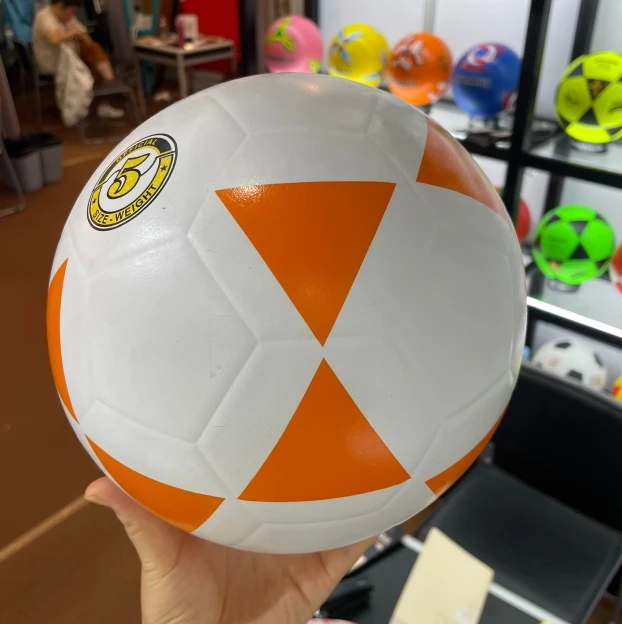
The growth of youth and women's football programs globally is a significant market driver. This creates a sustained demand for various sizes (Size 5 balls dominate with over 51% share, but sizes 3, 4 are crucial for younger players) and durability levels. [Source: Mordor Intelligence]. Ensuring a supply chain that can cater to these diverse needs is a key consideration for importers and distributors.
E-commerce continues to reshape distribution channels, making it easier for buyers worldwide to connect with manufacturers. This increased accessibility highlights the importance of robust quality control and clear communication from suppliers. The convenience of online sourcing must be balanced with the assurance of product integrity.
Finally, sustainability is emerging as a consideration. While not yet a primary driver for all segments, manufacturers are exploring eco-friendlier materials and production processes. For certain markets, this can be a significant differentiator.
At Starry Sports, we're not just following these trends; we're actively integrating them into our production. Our focus on thermally bonded construction and utilizing high-grade synthetic materials ensures our balls are competitive in today's market.
A soccer ball is a sophisticated piece of equipment, and its quality is determined by the sum of its parts. Understanding each component's role is critical for appreciating the final product's performance and durability. We break down the essential elements that contribute to superior soccer ball quality.
Each of these elements must be executed with precision and using appropriate materials to achieve the desired soccer ball quality. A deficiency in any one area can compromise the entire ball.
The journey from raw materials to a finished soccer ball involves a series of intricate manufacturing steps. At Hebei Starry Sports, we pride ourselves on our meticulous production process, ensuring consistency and quality that international buyers can rely on. Our facility in Xingji Town, Cangzhou City, is equipped with advanced machinery and operated by a skilled workforce with years of experience in sports ball manufacturing.
Panel Cutting: The first step involves precisely cutting the cover material into the required number and shape of panels (traditionally 32, but modern designs vary). Automated cutting ensures perfect symmetry, which is fundamental for sphericity.
Lamination: For thermally bonded balls, the textile lining is meticulously laminated to the cut panels using specialized adhesives and controlled heat and pressure. This process requires expertise to ensure a strong, wrinkle-free bond that won't delaminate.
Assembly & Bonding/Stitching:
Bladder Insertion & Inflation: Once the cover is formed, the bladder (typically butyl for excellent air retention) is inserted. The ball is then partially inflated to help set its shape before final inflation.
Quality Control: Rigorous checks are performed throughout the process. This includes visual inspections for cosmetic defects, measurement of circumference and sphericity, pressure testing for air retention, and performance testing for bounce and flight. A ball that doesn't meet our strict tolerances for roundness or air retention is rejected.
Our annual output exceeds 5 million sports balls, a testament to our efficient and scalable manufacturing capabilities. With a total revenue of over 30 million in 2023 and customer coverage in 80% of global regions, we have a proven track record of delivering quality products reliably. [Company data].
For buyers, understanding these manufacturing steps highlights the expertise and precision required. It also underscores why choosing a factory with established processes and experienced personnel is critical for consistent soccer ball quality.
The choice of materials profoundly impacts a soccer ball's performance, feel, and longevity. As a manufacturer, we carefully select materials based on the ball's intended application and performance requirements. For international buyers, understanding these materials is key to specifying and verifying quality.
Cover Materials:
Lining Materials:
Bladder Materials:
The combination of these materials, assembled through advanced manufacturing techniques, is what defines the intrinsic quality of a soccer ball. At Starry Sports, we work with reliable material suppliers, ensuring that the raw components meet our stringent quality benchmarks before they even enter the production line.
For soccer balls, particularly those intended for competitive play, adherence to recognized performance standards is non-negotiable. These standards, often set by governing bodies like FIFA, ensure that balls are safe, fair, and consistent in their performance characteristics. As an OEM/ODM factory, we are well-versed in manufacturing balls that meet these exacting requirements.
FIFA Quality Marks: The most recognized benchmarks are FIFA's Quality Marks:
Key Performance Test Parameters:
While not all balls need to meet FIFA Quality Pro standards, understanding these benchmarks allows buyers to specify the level of quality required for their target market. Even for training or promotional balls, consistency in manufacturing ensures a better user experience.
Our commitment extends beyond just manufacturing; it's about providing balls that perform reliably. We can produce balls to specific FIFA standards or design custom specifications tailored to your unique needs.
Sourcing soccer balls internationally requires a strategic approach. To ensure you procure the right quality and value, consider the following checklist. This practical guidance is based on years of experience in the export market, helping buyers avoid common pitfalls.
By systematically approaching your procurement, you significantly increase the likelihood of securing high-quality soccer balls that meet your specifications and deliver excellent value.
Selecting the right manufacturing partner is crucial for securing consistent soccer ball quality and reliable supply. At Hebei Starry Sports Goods Co., Ltd., we offer a compelling combination of experience, capability, and commitment to international standards.
Our established presence and consistent performance have led to a total revenue exceeding 30 million in 2023, reflecting the trust placed in us by partners worldwide.
Real-world feedback from our clients provides the best testament to the quality and reliability of our products and services.
"We've been sourcing training soccer balls from Starry Sports for our league for three seasons now. The butyl bladders hold air exceptionally well, reducing our maintenance load significantly. The durability of the PU cover on their standard training balls is impressive, even with heavy use by our youth teams. Their communication and on-time delivery are always spot on."

quality soccer balls nice soccer ball soccer ball material
"We needed a supplier for our retail brand's mid-tier match balls. Starry Sports delivered exactly what we asked for: thermally bonded construction, good weight consistency, and excellent sphericity. The custom branding was applied flawlessly. Their team was very helpful in guiding us through the material options to meet our budget and performance targets."

"As a distributor in South America, we face tough competition and demanding conditions. Starry Sports has been a reliable partner, consistently providing soccer balls that hold up well in diverse climates. Their understanding of export logistics, especially shipping to our region, has been invaluable in ensuring smooth operations and timely stock replenishment."

We address common questions buyers have regarding soccer ball quality and our manufacturing capabilities.
A: Machine-stitched balls are the most economical but can be less durable. Hand-stitched balls offer a classic feel but may absorb more water. Thermally bonded balls provide superior sphericity, lower water absorption, and excellent durability due to their seamless construction. This is the preferred method for high-performance match balls.
A: Butyl bladders offer superior air retention, meaning less frequent inflation and more consistent play. Latex bladders provide a softer feel and livelier rebound but lose air faster and are more sensitive to temperature. For most applications, especially training and general match play, butyl is recommended.
A: "FIFA Quality Pro" is the highest certification for soccer balls. It signifies that the ball has passed the most rigorous tests for weight, circumference, roundness, rebound, water absorption, and shape/size retention under demanding conditions. These balls are approved for professional match play.
A: Absolutely. We are an experienced OEM/ODM factory and can apply your logos, custom panel designs, and specific color schemes to our high-quality balls. We work closely with clients to ensure their branding is represented accurately.
A: Work with reputable manufacturers like Starry Sports who have proven export experience. Clearly define your specifications, request detailed test reports, and always obtain samples for your own evaluation before placing bulk orders. Understand their quality control processes.
A: Lead times vary depending on order volume and complexity. For large orders, production typically takes 30-60 days after order confirmation and artwork approval. Shipping time will be additional, depending on the destination. We provide detailed timelines upon order confirmation.
Don't compromise on quality. Partner with a manufacturer that understands the intricacies of soccer ball production and international trade.
We are located at South street, Xingji Town, Cangzhou, Hebei, China. Visit our contact page: www.starryball.com/contactus.html
WELCOME TO INQUIRE


LATEST NEWS
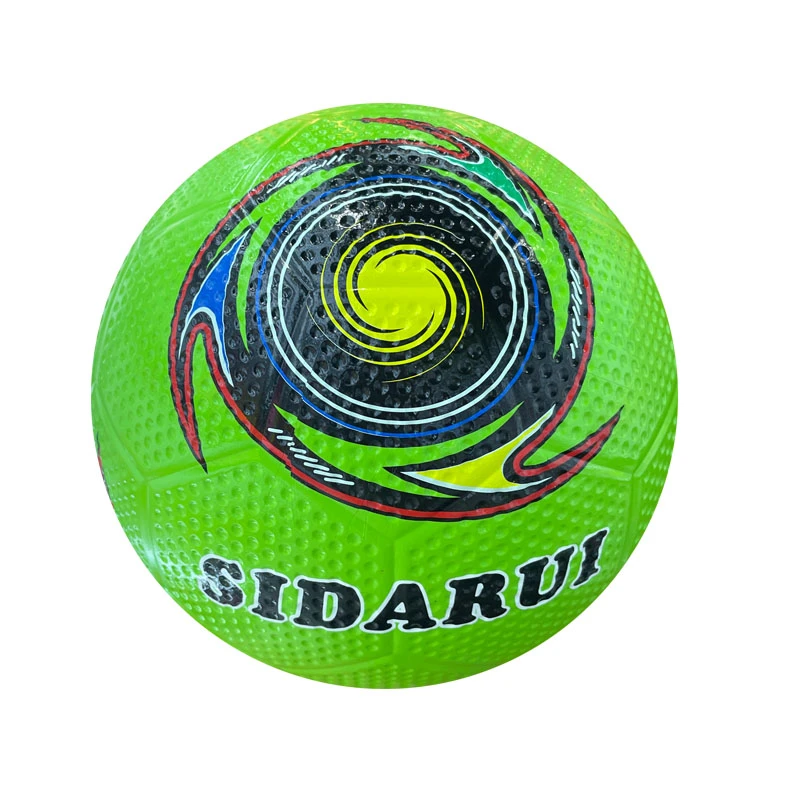
Crafted with precision and care, our soccer ball features a durable rubber core that ensures excellent bounce and resilience. The rubber material is not only lightweight but also provides the ideal amount of grip, allowing players to control the ball with ease. This means you can focus on perfecting your shots, passes, and tricks without worrying about the ball slipping away from you.
26,04 , 2026
Custom Mini Basketball Ball for Branding and Promotional Use
In today’s competitive marketplace, brands are constantly searching for creative, cost-effective way
READ MORE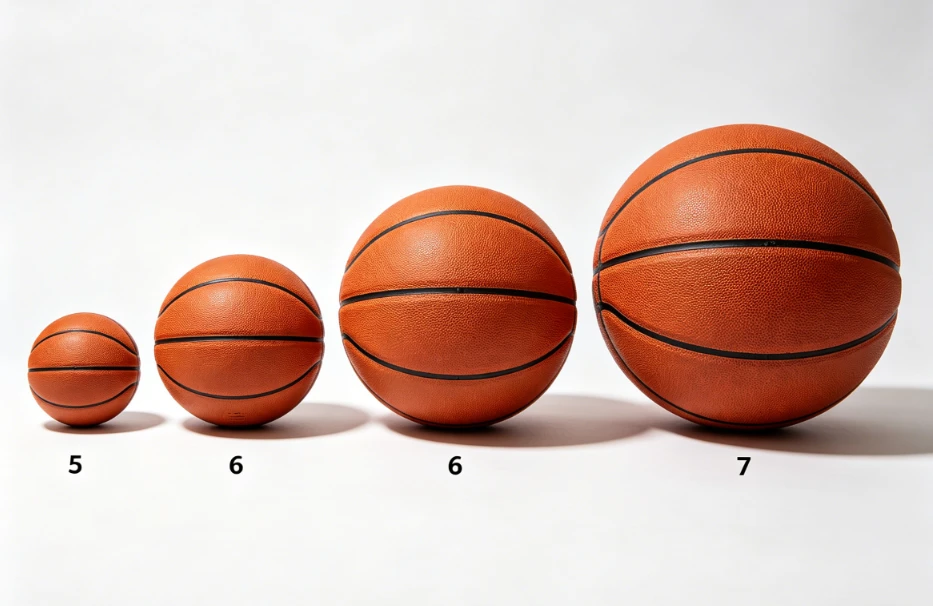
24,04 , 2026
Size Guide for Basketballs Wholesale: From Youth to Professional
Choosing the right basketball size is one of the most important decisions for wholesalers, sports eq
READ MORE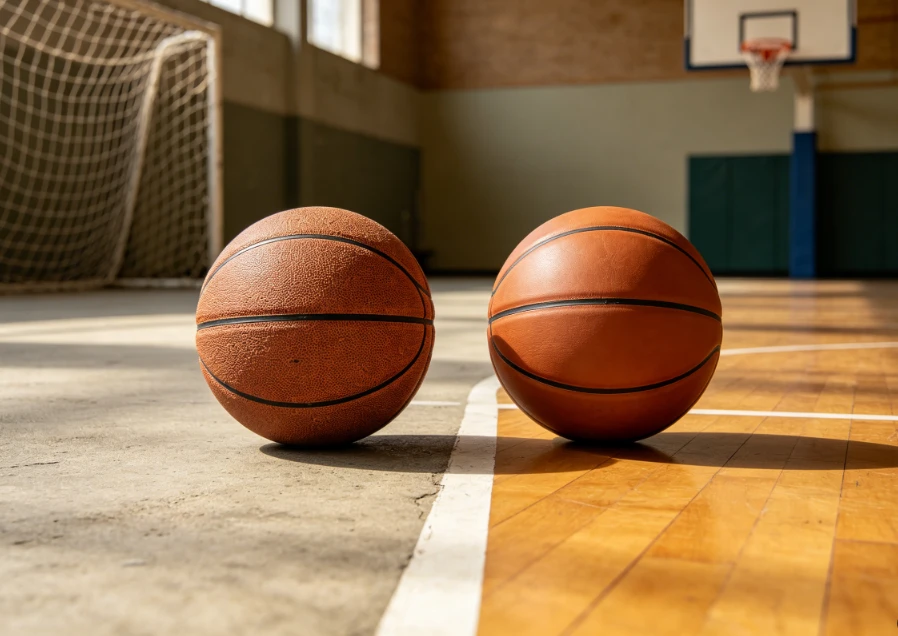
23,04 , 2026
Outdoor vs Indoor Basketballs Wholesale: Key Differences
When sourcing basketballs in bulk, understanding the difference between outdoor and indoor models is
READ MORE