Mar . 11, 2026 11:06
Basketball is one of the most popular sports worldwide, played in professional arenas, school gyms, community parks, and home driveways. Whether players are practicing shooting skills or competing in tournaments, choosing the right equipment—from the ball to the basketballring and basketballhoops—is essential for performance and enjoyment.
Today, sports brands and specialized suppliers such as FSPA provide a wide range of basketball equipment, including training balls, professional balls, and accessories. Understanding the different types of basketball balls, the standard court setup like a 10 ft basketball goal, and game formats such as 3 x 3 basketball helps players select the most suitable gear.
This guide explores the most common basketball ball types, their sizes, and how reliable basketball ball manufacturers like FSPA support athletes, schools, and sports facilities worldwide.
Different Types of Basketball Balls and Their Uses
There are many different types of basketball balls, each designed for specific playing environments, skill levels, and training purposes. Choosing the right basketball can improve grip, durability, and shooting accuracy.
Indoor Basketballs
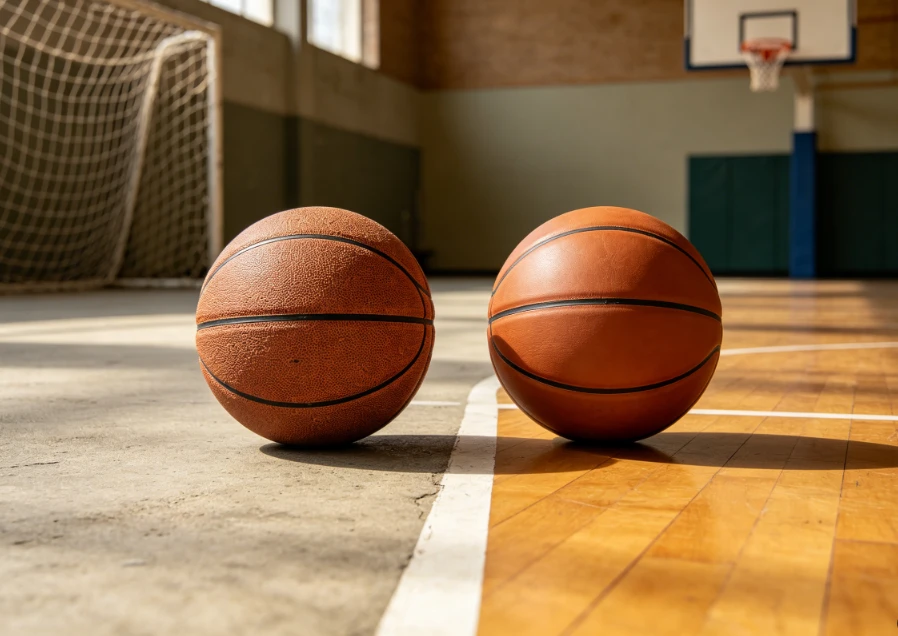
Indoor basketballs are usually made with premium leather surfaces that provide excellent grip and control. These balls are commonly used in professional leagues and indoor training facilities.
Because indoor courts have smooth wooden surfaces, leather basketballs offer better feel and performance compared with outdoor models.
Outdoor Basketballs
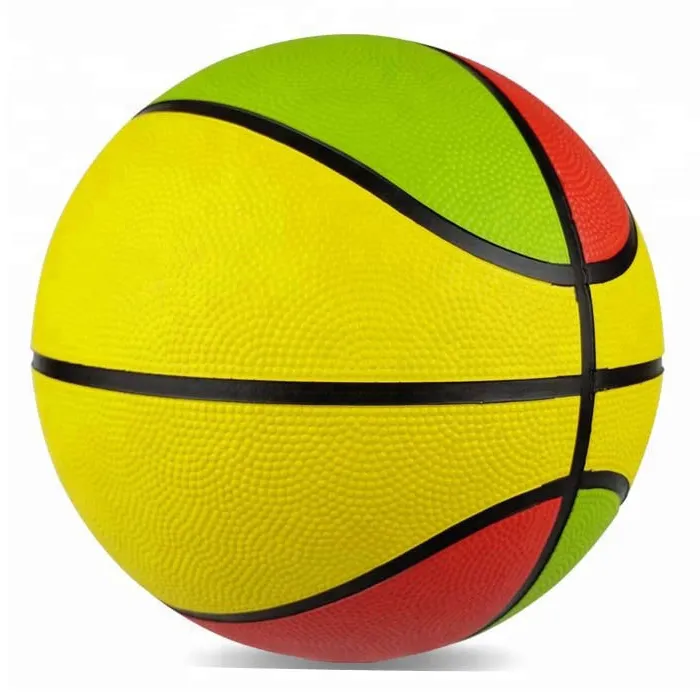
Outdoor courts require more durable materials because the playing surface is rougher. Rubber or composite leather basketballs are typically used for outdoor games.
A common size used in professional and recreational play is the outdoor basketball 29.5, which is the official men's basketball size. This size offers the correct weight and circumference for competitive play and training sessions.
Youth and Training Basketballs
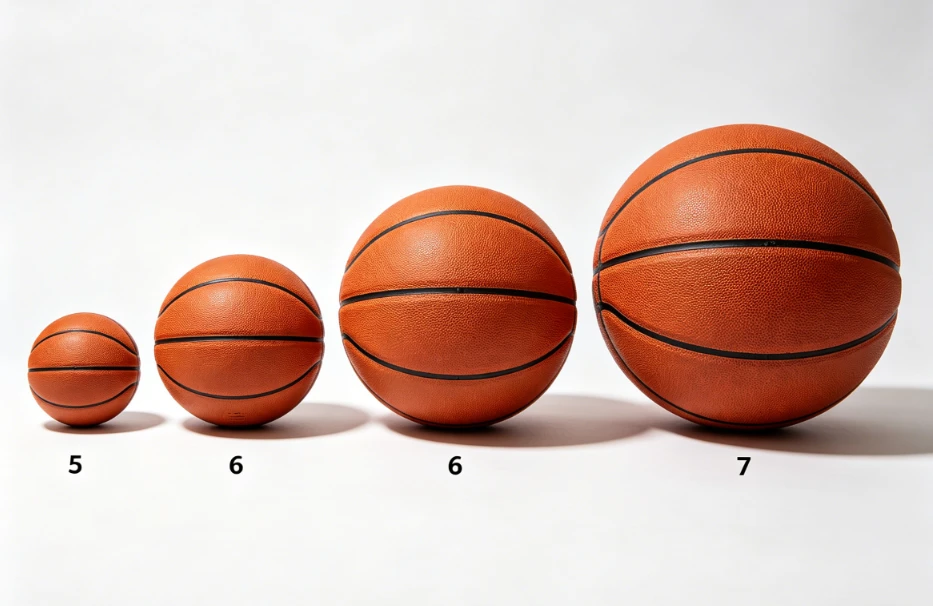
For younger players or beginners, smaller balls are often used to improve ball control and confidence. Examples include:
Mini basket ball
Mini basketball ball
Basketball small size
These smaller basketballs are ideal for children, beginners, and skill development drills. Many schools and training programs prefer these balls because they are easier for young players to handle.
Specialty Basketballs for Practice
Some training programs also use heavier balls or modified balls to improve strength, control, and shooting technique. High-quality basketball ball manufacturers such as FSPA often develop specialized training products for academies and professional teams.
By producing durable and consistent basketballs, companies like FSPA help athletes maintain reliable training conditions.
Basketball Hoops, Game Formats, and Equipment Setup
Basketball equipment is not limited to the ball itself. The playing environment—including the hoop, backboard, and court format—also plays a major role in the game.
Standard Basketball Hoop Height
The official basketball hoop height is a 10 ft basketball goal, which is used in professional leagues, college competitions, and most recreational courts.
This standard height allows players to develop proper shooting mechanics and ensures consistency across all levels of competition.
A typical basketball setup includes:
Backboard
Rim or basketballring
Support structure or stand
Net and mounting system
Modern basketballhoops can be installed in gyms, parks, driveways, or training facilities.
Popular Basketball Game Formats
Basketball has evolved into several different formats beyond traditional five-on-five games.
3 x 3 Basketball
One of the fastest-growing versions of the sport is 3 x 3 basketball, which is played with three players on each team and a single hoop. The game is faster and often played on half courts, making it ideal for urban tournaments and community events.
This format has gained global recognition and is even included in international competitions.
212 Basketball
Another informal format sometimes referred to as 212 basketball is played in smaller groups or training settings. While not an official league format, it is often used for practice sessions and street games.
These variations make basketball more accessible and adaptable for different environments and player numbers.
Basketball Equipment for Home and Community Courts
Basketball is popular not only in professional arenas but also in home driveways and neighborhood parks. Portable basketballhoops and adjustable systems allow families to install courts at home.
Many beginners start with a mini basket ball and lower hoop height before transitioning to a full 10 ft basketball goal. This gradual progression helps players develop proper shooting mechanics and confidence.
Reliable suppliers such as FSPA often provide complete basketball equipment solutions, including balls, hoops, and accessories for schools and sports facilities.
Role of Basketball Ball Manufacturers
Professional basketball ball manufacturers play a key role in maintaining equipment standards. Companies like FSPA focus on producing durable basketballs that maintain shape, grip, and bounce over time.
Quality manufacturers test their products for:
Durability under repeated impact
Grip performance in different environments
Consistent bounce and air retention
Size accuracy for official play
Working with experienced basketball ball manufacturers ensures that sports clubs and schools receive reliable equipment for training and competition.
Basketball continues to grow globally, with millions of players participating in professional leagues, school teams, and recreational games. Understanding the different types of basketball balls helps players select the right equipment for their needs.
From official-size outdoor basketball 29.5 models to youth training options like mini basketball ball or basketball small size, each ball serves a specific purpose in the game. Additionally, proper court equipment such as a 10 ft basketball goal, sturdy basketballhoops, and durable basketballring ensures safe and enjoyable gameplay.
With the support of experienced basketball ball manufacturers like FSPA, players and organizations can access high-quality basketball equipment designed for performance and durability. Whether playing 3 x 3 basketball, training at home, or participating in competitive leagues, the right basketball equipment makes every game more exciting and rewarding.
FAQ: Different Types of Basketball Balls and Equipment
FAQ 1: What are the different types of basketball balls used in games?
The different types of basketball balls include indoor leather basketballs, outdoor rubber basketballs, and smaller training balls such as mini basket ball or basketball small size designed for beginners and youth players.
FAQ 2: What size is the official outdoor basketball used by men?
The official size used in many competitions is the outdoor basketball 29.5, which is the standard men's basketball size used in professional and recreational games.
FAQ 3: What is the standard height of a basketball hoop?
The official hoop height is a 10 ft basketball goal, which is used in professional leagues, school competitions, and most public courts.
FAQ 4: What equipment is included in a basketball hoop system?
A typical system includes basketballhoops, a backboard, and a basketballring with a net. These components together create a complete basketball goal setup.
FAQ 5: Why choose professional basketball ball manufacturers like FSPA?
Professional basketball ball manufacturers such as FSPA focus on producing durable and high-quality basketballs. Their products are designed to maintain grip, bounce consistency, and long-term durability for both training and competitive play.