Apr . 23, 2026 10:37
When it comes to school sports programs, basketball remains one of the most popular and accessible activities. From elementary playgrounds to high school gyms, having the right basketballs for schools can make a significant difference in student performance, safety, and overall enjoyment. Choosing the right basketball is not just about picking a ball—it’s about supporting skill development, durability, and cost-efficiency.
In this guide, we’ll explore everything schools need to know about selecting the best basketballs, including basketball ball types, materials, sizes, and key buying considerations.
Why Choosing the Right Basketball for Schools Matters
Basketballs used in schools must meet a wide range of needs. Unlike professional settings, school environments involve players of different ages, skill levels, and playing conditions. A poorly chosen basketball can lead to faster wear and tear, inconsistent performance, and even increased risk of injury.
High-quality basketballs for schools help:
- Improve grip and control for beginners
- Ensure consistent bounce for skill training
- Reduce replacement frequency due to better durability
- Enhance student confidence and engagement
Schools that invest in the right equipment often see better participation rates and improved athletic development among students.
Types of Basketballs for School Use
Understanding the different types of basketballs is the first step toward making the right purchase decision.
1. Indoor Basketballs
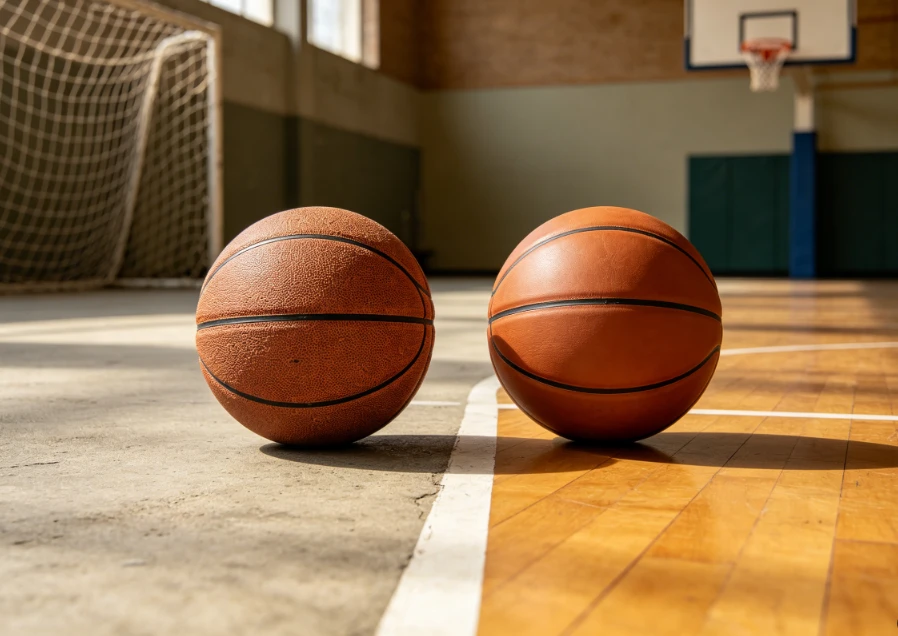
Indoor basketballs are typically made from genuine or composite leather. They are designed for smooth wooden courts and offer superior grip and feel. These are ideal for gym classes, school leagues, and competitive play.
2. Outdoor Basketballs
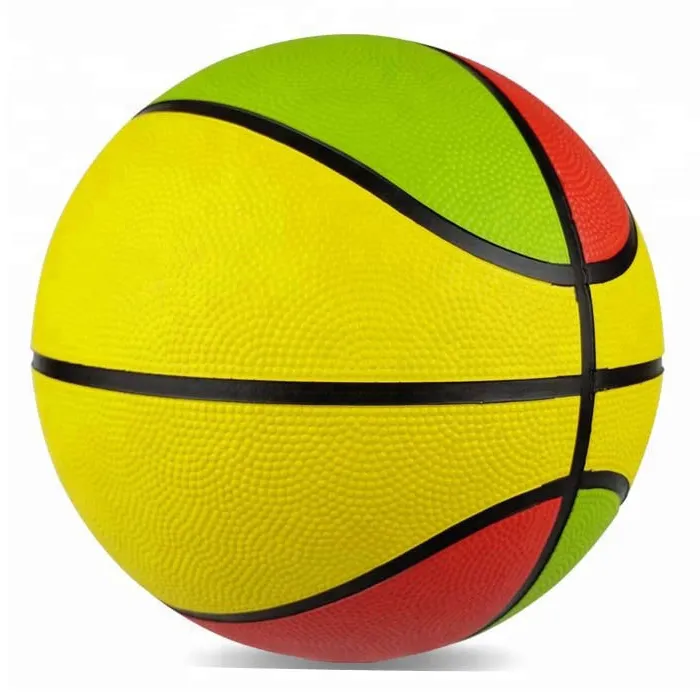
Outdoor basketballs are made from durable rubber materials that can withstand rough surfaces like concrete or asphalt. They are perfect for playground use and require less maintenance.
3. Indoor/Outdoor Basketballs
These hybrid basketballs combine durability with performance. They are a popular choice for schools because they can be used in multiple environments, making them cost-effective and versatile.
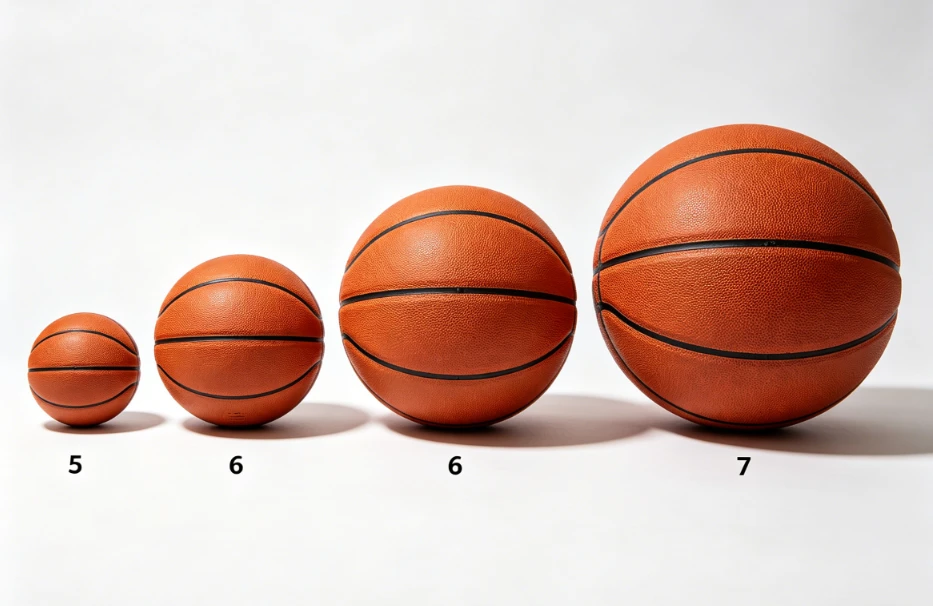
Basketball Sizes for Different Age Groups
Choosing the correct basketball size is essential for proper skill development and injury prevention.
Basketball size 7 (Official Size): Recommended for boys aged 15 and above
A size 6 basketball in inches: Suitable for girls aged 12+ and boys aged 12–14
Size 5 indoor/outdoor basketball: Ideal for children aged 9–11
Size 3–4 (Mini Basketballs): Best for younger children under 8
Using the right size ensures students can properly handle, shoot, and pass the ball, which is critical for learning fundamental techniques.
Materials Used in School Basketballs
The material of a basketball directly impacts its performance, durability, and cost.
Rubber Basketballs
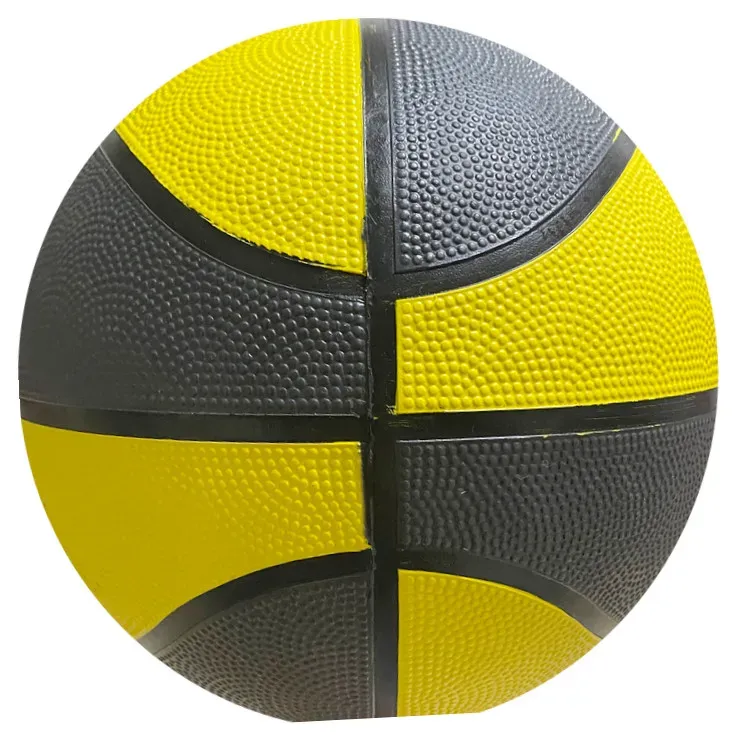
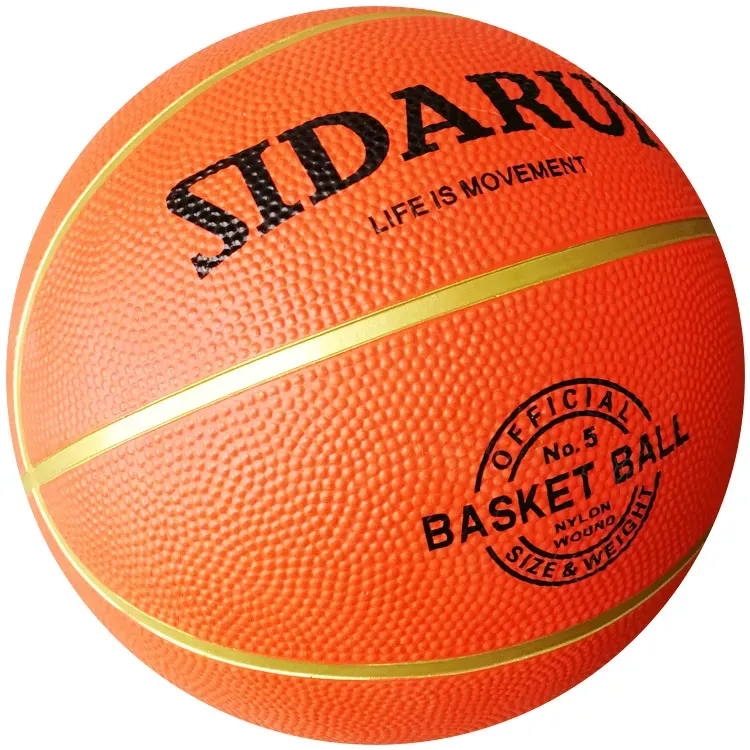
Rubber basketballs are the most common choice for schools due to their affordability and toughness. They perform well outdoors and require minimal maintenance.
Composite Leather Basketballs
Composite leather offers a softer feel and better grip compared to rubber. These basketballs are suitable for indoor use and are often used in school competitions.
Genuine Leather Basketballs
Typically reserved for professional-level play, genuine leather basketballs provide excellent performance but require a break-in period and are more expensive. They are less common in school settings.
Key Features to Look for in Basketballs for Schools
When purchasing basketballs for educational institutions, consider the following features:
Durability
School basketballs undergo heavy use. Look for reinforced panels and strong stitching or bonding techniques to ensure longevity.
Grip and Texture
A good grip is essential, especially for beginners. Pebbled surfaces enhance control and improve handling skills.
Bounce Consistency
Consistent bounce is crucial for skill development. High-quality basketballs maintain proper air retention and shape over time.
Weight and Balance
A well-balanced basketball ensures accurate shooting and passing, helping students build confidence.
Thermal Bonded vs Machine Stitched Basketballs
Manufacturing methods also play a role in basketball performance.
Thermal Bonded Basketballs
These Thermal Bonded Basketballs are seamlessly constructed using heat bonding technology. They offer better water resistance, consistent shape, and improved performance, making them ideal for competitive school use.
Machine Stitched Basketballs
More affordable and widely used, machine stitched basketballs provide good durability and are suitable for general school activities and training sessions.
Budget Considerations for Schools
Budget is always a key factor for educational institutions. Schools often need to purchase basketballs in bulk, so balancing quality and cost is essential.
- Low Budget: Rubber basketballs for outdoor use
- Mid-Range Budget: Indoor/outdoor composite basketballs
- High Budget: Premium composite or thermal bonded basketballs for competitions
Investing slightly more in durable basketballs can reduce long-term replacement costs, making it a smart financial decision.
Maintenance Tips for School Basketballs
Proper maintenance can significantly extend the lifespan of basketballs.
- Store basketballs in a dry, cool place
- Avoid overinflation or underinflation
- Clean balls regularly to remove dirt and debris
- Use indoor balls only on appropriate surfaces
Schools that implement simple maintenance routines can save money and ensure consistent performance.
Benefits of High-Quality Basketballs in Schools
Using well-made basketballs offers multiple benefits beyond gameplay.
Improved Skill Development
Students can better practice dribbling, passing, and shooting with consistent equipment.
Enhanced Safety
Proper grip and size reduce the risk of injuries, especially for younger players.
Increased Participation
Good equipment encourages students to engage more actively in sports programs.
Professional Experience
High-quality basketballs help simulate real-game conditions, preparing students for competitive play.
How to Choose the Best Basketball Supplier
Selecting a reliable supplier is just as important as choosing the right basketball.
Look for suppliers that offer:
- Bulk pricing options
- Custom branding for schools
- Quality certifications
- Consistent product availability
A trustworthy supplier ensures that schools receive durable, high-performance basketballs that meet their specific needs.
Conclusion
Choosing the right basketballs for schools is a strategic decision that impacts student development, safety, and overall sports experience. By considering factors such as size, material, durability, and budget, schools can make informed choices that benefit both students and administrators.
Whether for playground fun, physical education classes, or competitive games, the right basketball can inspire confidence, improve skills, and foster a lifelong love for the sport. Investing in quality basketballs is not just about equipment—it’s about empowering students through better sports experiences.
FAQs About Basketballs for Schools
1. What is the best type of basketball for schools?
Indoor/outdoor composite basketballs are often the best choice because they balance durability and performance.
2. How many basketballs should a school have?
It depends on class size, but typically one basketball for every 2–3 students is recommended.
3. How often should basketballs be replaced?
With proper care, quality basketballs can last 1–3 years in school environments.
4. Are expensive basketballs worth it for schools?
Yes, higher-quality basketballs often last longer and provide better performance, reducing long-term costs.
5. Can outdoor basketballs be used indoors?
They can, but they may damage indoor courts and do not offer the same performance as indoor-specific basketballs.