Apr . 23, 2026 10:08
Choosing the right soccer balls for sale isn’t just about brand or price—it’s about construction. Whether you’re sourcing products for resale, equipping a school, or buying for training, understanding the differences between thermal bonded, hand stitched, and machine stitched soccer balls can help you make smarter decisions.
In this guide, we’ll break down each type, compare performance, durability, and cost, and help you decide which option fits your needs best.
What Is a Thermal Bonded Soccer Ball?
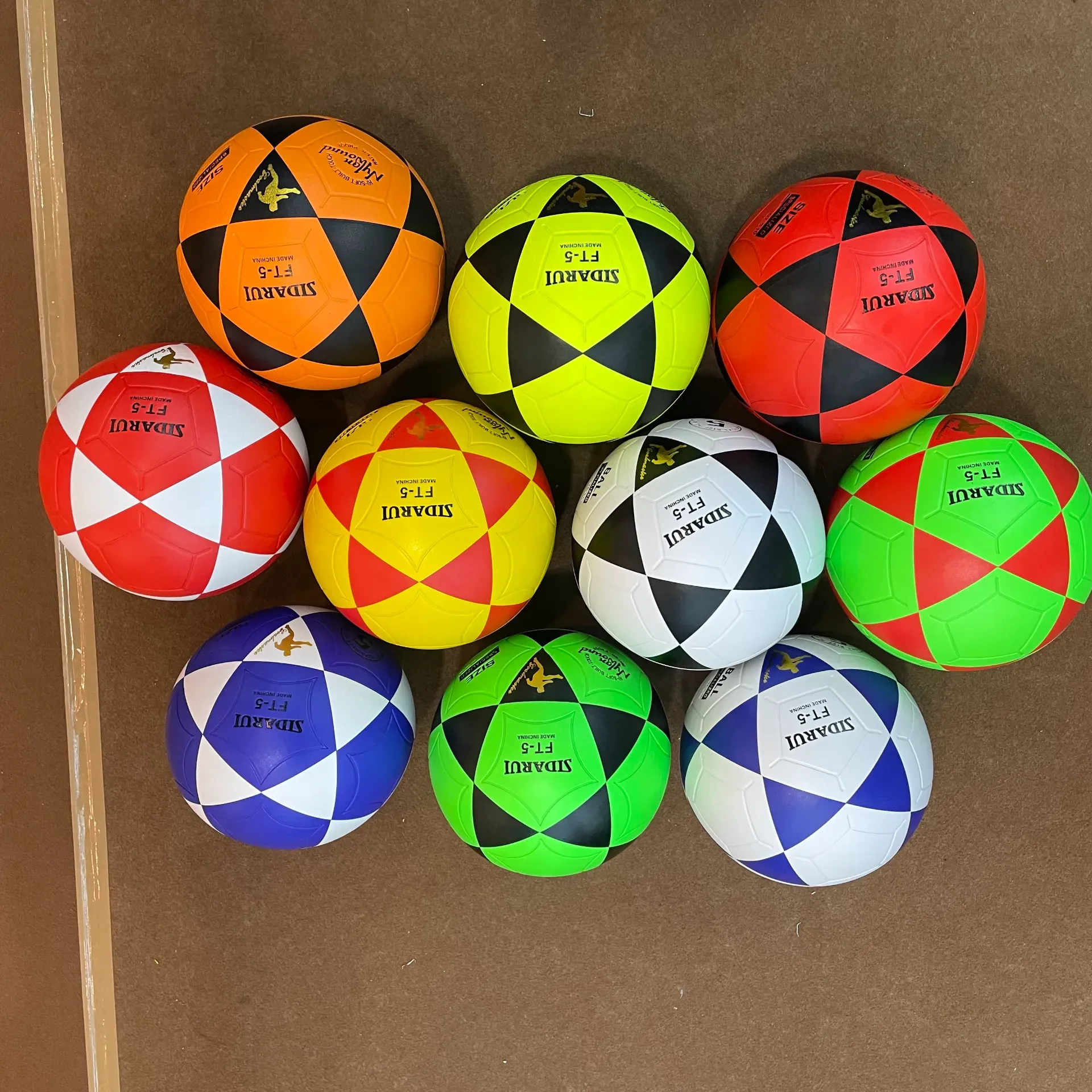
A thermal bonded soccer ball is made using heat and pressure to fuse the panels together, instead of stitching. This advanced manufacturing process creates a seamless surface that offers superior performance.
Key Features:
- Seamless construction (no stitches)
- Lower water absorption
- More consistent shape and flight
- Premium match-level quality
Thermal bonding is commonly used in professional-level balls, including those used in international tournaments. Because there are no seams, the ball has a smoother surface, which improves aerodynamics and accuracy.
Pros:
- Excellent water resistance
- High durability under intense play
- Better touch and control
- Professional appearance
Cons:
- Higher production cost
- Typically more expensive for buyers
This type is ideal for professional matches, elite training, and high-end retail markets.
What Is a Hand Stitched Soccer Ball?
A hand stitched soccer ball is crafted by skilled workers who stitch the panels together using thick threads. This traditional method is widely respected for its durability and craftsmanship.
Key Features:
- Panels stitched manually
- Strong, tight seams
- High-quality bladder retention
Hand stitching allows for tighter and deeper seams, making the ball more durable over time, especially in rough playing conditions.
Pros:
- Superior durability
- Strong seam integrity
- Good shape retention
- Premium feel
Cons:
- Higher labor cost
- Slightly higher price than machine stitched balls
- Can absorb some water through seams
Hand stitched soccer balls are commonly used in training sessions, amateur leagues, and mid-to-high-end markets.
What Is a Machine Stitched Soccer Ball?
A machine stitched soccer ball is assembled using automated sewing machines, making it the most cost-effective option for mass production.
Key Features:
- Panels stitched by machine
- Faster production time
- Consistent stitching pattern
Machine stitching is ideal for large-scale manufacturing where affordability and efficiency are priorities.
Pros:
- Lower cost
- High production efficiency
- Suitable for promotional use
- Great for beginners and schools
Cons:
- Less durable than hand stitched balls
- Seams may loosen over time
- Less resistant to water
Machine stitched soccer balls are perfect for entry-level players, training, and bulk purchasing.
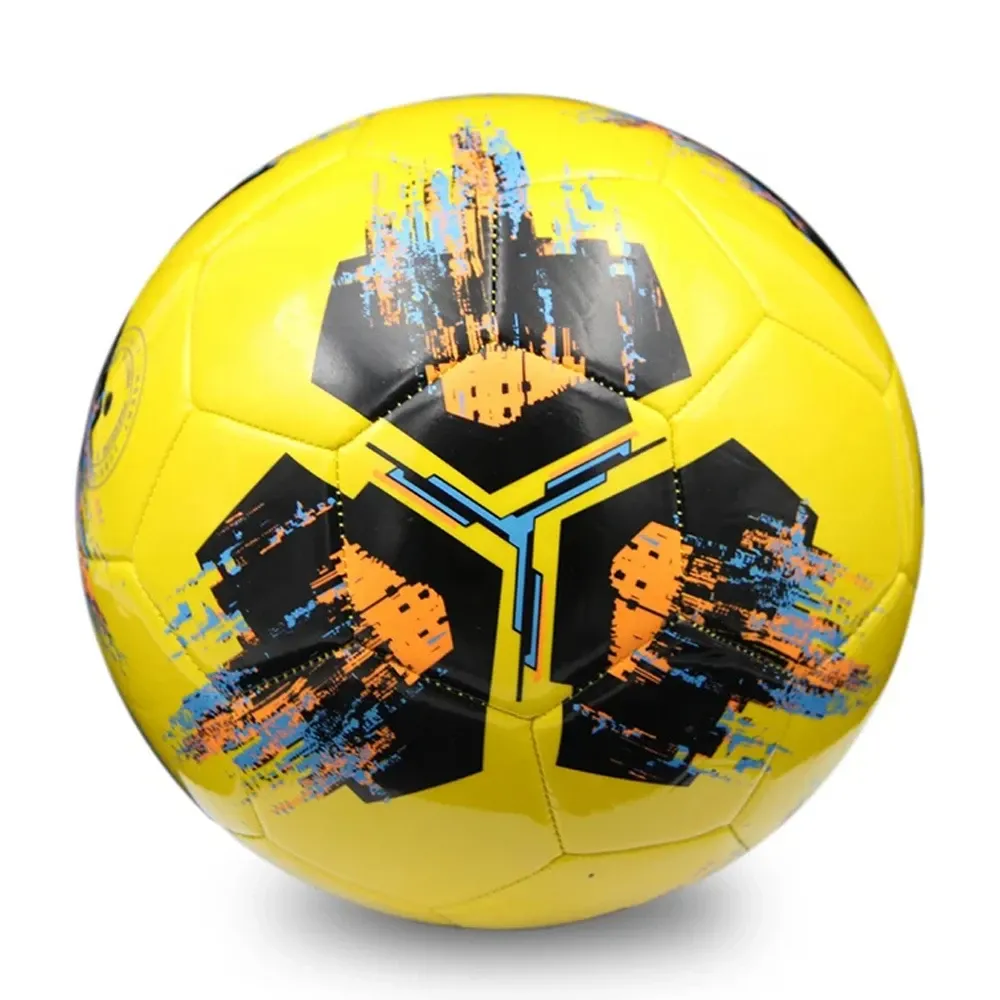
Thermal Bonded vs Hand Stitched vs Machine Stitched
Here’s a quick comparison to help you understand the differences:
| Feature | Thermal Bonded | Hand Stitched | Machine Stitched |
|---|---|---|---|
| Construction Method | Heat bonded | Manual stitching | Machine stitching |
| Durability | High | Very high | Moderate |
| Water Resistance | Excellent | Good | Average |
| Shape Retention | Excellent | Very good | Good |
| Cost | High | Medium-High | Low |
| Best Use | Professional matches | Training & leagues | Schools & promotions |
Which Soccer Ball Type Is Best for You?
The answer depends on your purpose and budget.
- For professional matches or premium markets: Thermal bonded soccer balls are the best choice due to their superior performance and durability.
- For regular training and competitive play: Hand stitched soccer balls offer the best balance between quality and cost.
- For beginners, schools, or promotional use: Machine stitched soccer balls provide great value at a lower price point.
If you are a distributor or importer, it’s often smart to stock all three types to meet different customer segments.
Materials Used in Soccer Ball Construction
Regardless of stitching type, most soccer balls share similar material components:
Outer Cover:
Usually made of PU (polyurethane) or PVC (polyvinyl chloride)
- PU: softer, better feel, used in premium balls
- PVC: more durable and affordable
Bladder:
- Latex bladder: better responsiveness, softer touch
- Butyl bladder: better air retention, less frequent inflation
Lining Layers:
Multiple layers of polyester or cotton are added between the cover and bladder to improve shape and durability.
The construction method (thermal bonding vs stitching) affects how these materials perform together.
How Construction Affects Performance
The way a soccer ball is constructed directly impacts gameplay:
- Flight stability: Thermal bonded balls provide smoother and more predictable flight.
- Touch and control: Hand stitched balls offer a slightly softer touch.
- Durability: Hand stitched balls last longer under rough use, while machine stitched balls may wear out faster.
- Water resistance: Seamless balls outperform stitched ones in wet conditions.
For outdoor fields or rainy environments, thermal bonded balls are a clear winner.
Trends in the Soccer Ball Market
In recent years, the demand for thermal bonded soccer balls has increased, especially in professional and semi-professional markets. However, machine stitched soccer balls still dominate in bulk sales due to their affordability.
Manufacturers are also improving hybrid technologies, combining stitching and bonding to create cost-effective yet high-performance balls.
Sustainability is another emerging trend, with eco-friendly materials and production methods gaining attention.
FAQs About Soccer Ball Types
1. Which soccer ball is the most durable?
Hand stitched soccer balls are generally the most durable due to their strong seams, although thermal bonded balls also perform very well.
2. Are thermal bonded soccer balls worth it?
Yes, especially for professional use. They offer better flight, control, and water resistance.
3. Why are machine stitched soccer balls cheaper?
Because they are mass-produced using automated machines, reducing labor costs.
4. Do stitched soccer balls absorb water?
Yes, both hand stitched and machine stitched balls can absorb some water through the seams, unlike thermal bonded balls.
5. Which type is best for training?
Hand stitched soccer balls are ideal for training due to their durability and balanced performance.
Final Thoughts
When choosing between thermal bonded, hand stitched, and machine stitched soccer balls, there’s no one-size-fits-all answer. Each type serves a specific purpose and market.
- Go premium with thermal bonded for top-level performance
- Choose hand stitched for durability and training
- Opt for machine stitched for affordability and volume
Understanding these differences not only helps buyers make informed decisions but also allows businesses to better position their products in a competitive market.
If you’re sourcing soccer balls for your brand or business, aligning the construction type with your target audience is the key to success.