Mar . 09, 2026 15:35
Volleyball is one of the most exciting sports played around the world, especially in coastal areas where beach volleyball attracts players of all skill levels. Whether you are practicing casually on the sand or participating in competitive tournaments, selecting the right beach volleyball ball can significantly improve gameplay and player comfort.
Today, sports suppliers offer many beach volleyball balls for sale, ranging from professional sand volleyball ball models to training balls designed for beginner volleyball players. Volleyball equipment also includes different materials such as rubber volleyball ball designs for durability and soft outdoor volleyball models for comfortable play.
In addition, volleyball balls come in various sizes and styles, including size 2 volleyball, size 3 volleyball, and other variations depending on age group and competition type. Understanding the ball size in volleyball and choosing the right ball for beach conditions will help players enjoy the game while improving their skills.
Types of Beach Volleyball Balls and Outdoor Volleyball Equipment
Beach volleyball is played on sand, which requires balls designed specifically for outdoor environments. A well-made ball beach volleyball must be durable, water-resistant, and easy to control even in windy conditions.
Standard Beach Volleyball Ball
The most commonly used ball for beach volleyball is designed with a soft outer cover and slightly larger circumference compared to indoor volleyballs. This design helps players maintain control while passing and setting in sandy conditions.
A high-quality beach ball volleyball typically features:
1、A soft surface for comfortable hand contact
2、Durable stitching to withstand sand and sun exposure
3、Waterproof or water-resistant materials
These features ensure that the beach volleyball ball performs consistently during outdoor play.
Sand Volleyball Ball for Recreational Games
A sand volleyball ball is often used in casual beach games and training sessions. These balls are designed to be lightweight and easy to handle, making them suitable for both beginners and experienced players.
Players enjoying friendly matches often use phrases like balls up volleyball when starting a new round or rally. In beach environments, this casual and energetic style of play is part of the sport’s culture.
Rubber Volleyball Ball for Durability
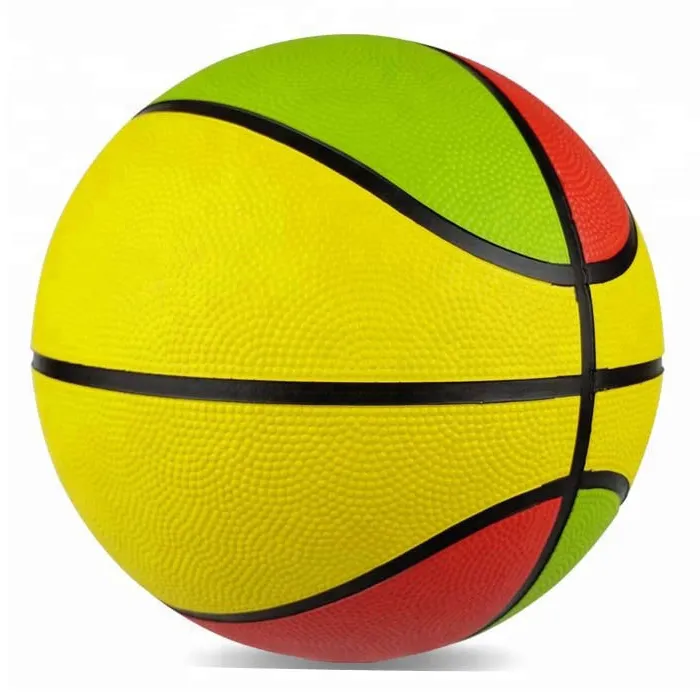
For players who frequently play on outdoor courts or rough surfaces, a rubber volleyball ball can be a practical option. Rubber balls are highly durable and resistant to wear and tear.
Although they may not offer the same soft touch as professional beach balls, rubber volleyballs are affordable and long-lasting, making them popular for schools, parks, and training programs.
Soft Outdoor Volleyball for Comfortable Play
Many players prefer a soft outdoor volleyball when playing on the beach or in recreational leagues. These balls are designed with a cushioned outer layer that reduces hand impact and improves ball control.
Soft volleyballs are particularly helpful for beginner volleyball players who are still learning basic techniques such as passing, setting, and serving.
Colorful and Specialty Volleyball Designs
Modern volleyballs come in a variety of colors and styles. For example, a purple volley ball may be used for promotional events, school teams, or customized sports merchandise.
These visually appealing designs add personality to the game while still maintaining the performance features required for beach volleyball.
Volleyball Sizes, Game Formats, and Equipment Considerations
Beyond materials and design, volleyball players must also consider ball size and game format when choosing the right equipment.
Understanding Ball Size in Volleyball
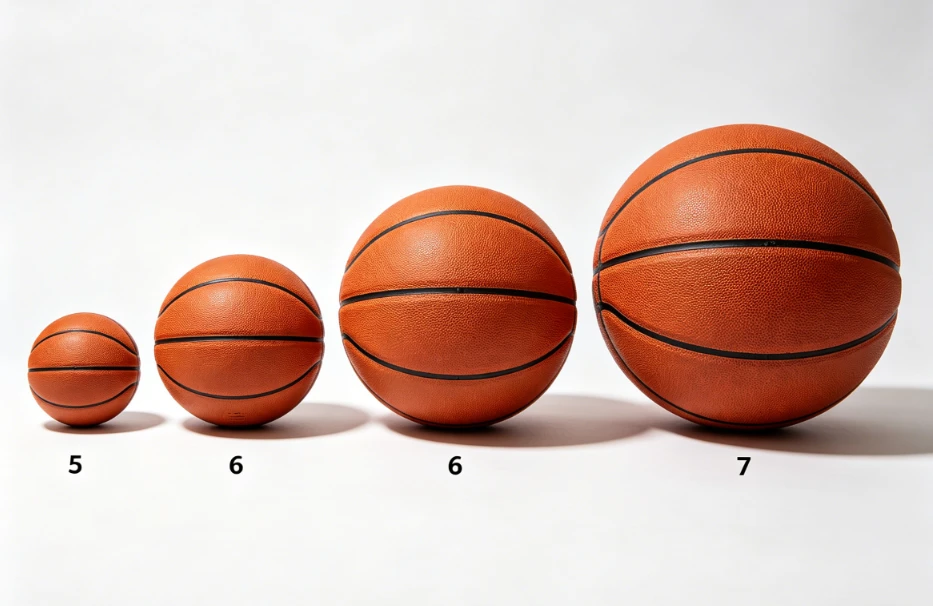
The ball size in volleyball is standardized for official competitions, but smaller sizes are available for youth training and recreational use.
For example:
Size 2 volleyball – A smaller training ball often used for children or skill development drills.
Size 3 volleyball – Slightly larger than size 2, commonly used for youth practice and beginner-level play.
These smaller balls help young athletes develop coordination and confidence before transitioning to full-size volleyballs.
Small Volleyball Ball for Youth and Training
A small volleyball ball is ideal for beginners, especially children who are learning the basics of serving and passing. The lighter weight and reduced size make it easier to control during early practice sessions.
Training with a small ball can help players build fundamental skills before moving on to professional beach volleyball equipment.
Beach Volleyball for Men’s Competitions
Competitive tournaments such as beach volleyball mens events require high-quality balls designed to meet official performance standards. These competitions often feature professional athletes who rely on precise ball control and consistent bounce.
In professional tournaments, the ball must be durable enough to handle intense gameplay while maintaining optimal grip and visibility.
Volleyball Game Formats
Beach volleyball can be played in several formats. While the traditional version features two players on each team, other variations have gained popularity.
One example is beach volleyball 4x4, a format where four players compete on each side of the court. This style of play is common in recreational tournaments and community leagues.
The beach volleyball 4x4 format encourages teamwork, fast-paced rallies, and exciting gameplay on the sand.
Volleyball Ball Materials and Price
The cost of a volleyball depends largely on the material and construction quality. A professional volleyball leather ball price may be higher than rubber or synthetic alternatives because leather balls offer better grip and control.
However, many modern volleyballs use synthetic leather materials that provide similar performance while remaining affordable and weather-resistant.
For teams or clubs purchasing equipment in large quantities, comparing volleyball materials and pricing is an important step in selecting the best product.
Beach volleyball continues to grow in popularity as both a competitive sport and a recreational activity. Choosing the right beach volleyball ball plays a major role in ensuring an enjoyable and successful game.
With many beach volleyball balls for sale, players can select from options such as durable rubber volleyball ball models, comfortable soft outdoor volleyball, or professional sand volleyball ball designs for competitive matches.
Understanding factors like ball size in volleyball, including youth options such as size 2 volleyball, size 3 volleyball, or a small volleyball ball, helps players select the right equipment for their skill level.
Whether you are participating in casual beach games, training as a beginner volleyball player, or competing in tournaments like beach volleyball mens or beach volleyball 4x4, choosing the right ball for beach volleyball will improve your performance and enjoyment of the sport.
FAQ About Beach Volleyball Balls
1. What should I look for when buying beach volleyball balls for sale?
When choosing beach volleyball balls for sale, look for a durable beach volleyball ball with a soft outer surface, water resistance, and good grip for playing on sand.
2. What is the difference between a sand volleyball ball and a regular volleyball?
A sand volleyball ball is usually softer and slightly larger than indoor volleyballs, making it easier to control during beach gameplay.
3. What ball size is best for beginner volleyball players?
For beginner volleyball players, smaller options such as size 2 volleyball or size 3 volleyball are often recommended because they are lighter and easier to handle.
4. Are rubber volleyball balls good for outdoor use?
Yes, a rubber volleyball ball is highly durable and suitable for outdoor courts, parks, and recreational games.
5. Why do professional beach tournaments use special volleyballs?
Professional competitions such as beach volleyball mens events require high-performance balls designed specifically for sand conditions to ensure consistent gameplay and control.