Feb . 24, 2026 11:35
Choosing the Right Soccer Ball: A Comprehensive Guide
Selecting the perfect soccer ball can significantly enhance your game, whether you're a professional player, a dedicated amateur, or simply enjoying a casual kick-around. The market is flooded with options, each varying in size, material, construction, and price. This guide will navigate you through the essential considerations, helping you make an informed decision. From understanding different ball types to recognizing quality craftsmanship, we'll cover everything you need to know to find the soccer ball that suits your playing style and needs. We will also introduce our high-quality product.
Understanding Different Types of Soccer Balls
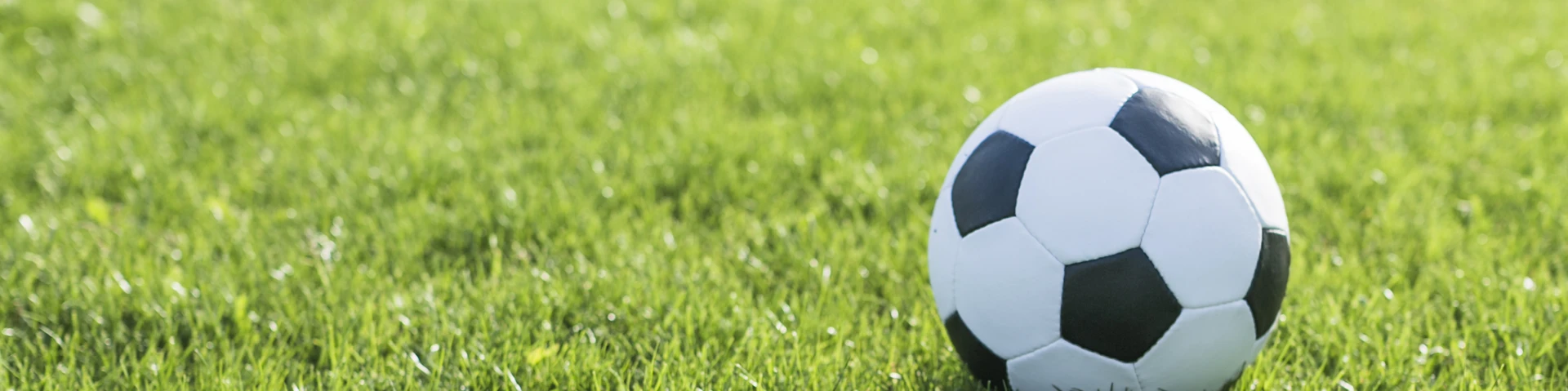
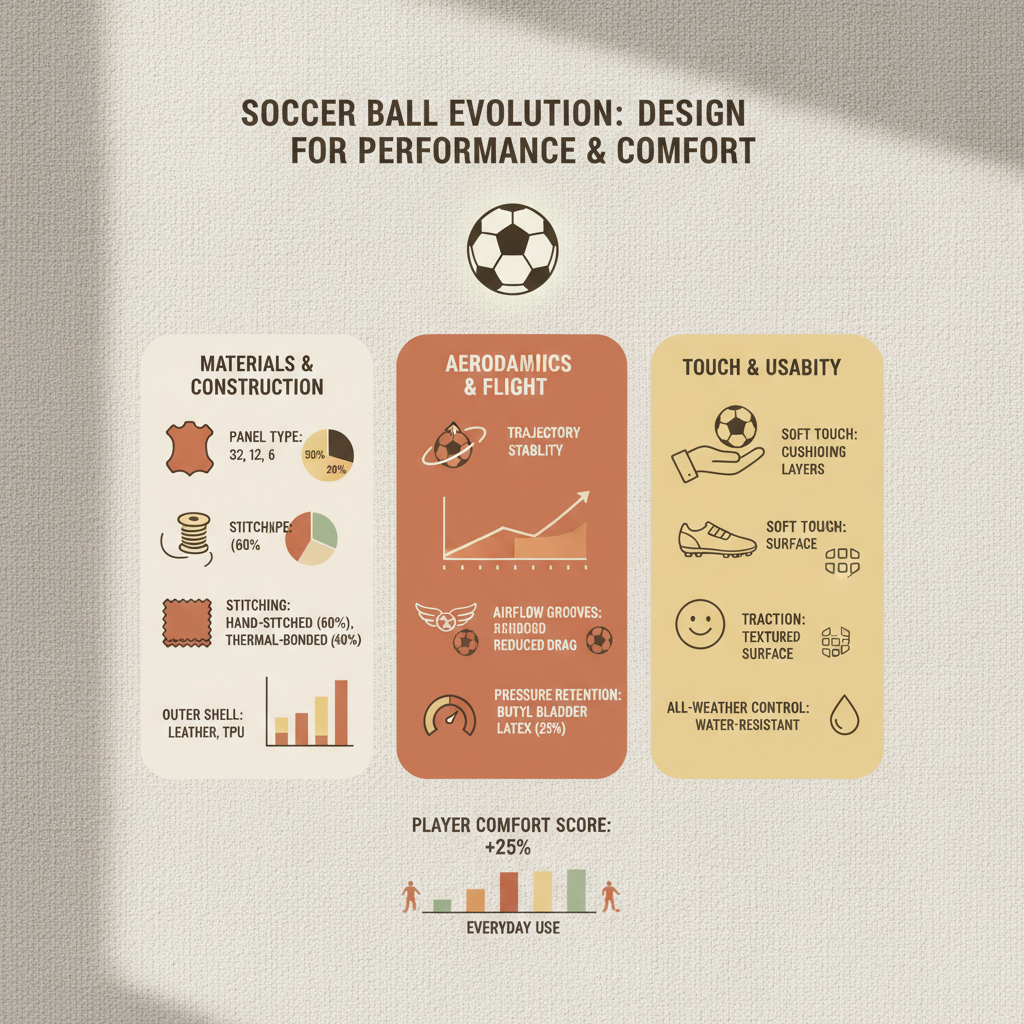
Soccer balls aren't one-size-fits-all. They're categorized based on size and construction, impacting their performance and suitability for different age groups and playing environments. Size 5 is the standard for professional and adult play, while sizes 3 and 4 are designed for younger players. Materials range from PVC (polyvinyl chloride) – a more affordable option – to polyurethane (PU), which offers superior touch, durability, and water resistance. The number of panels also varies, with traditional 32-panel balls being common, but newer designs utilize fewer panels for a more spherical shape and improved flight consistency.
Key Features to Look for in a Quality Soccer Ball
When investing in a soccer ball, consider these crucial features. A well-constructed bladder is essential for maintaining air pressure and shape. Look for balls with butyl bladders, known for their excellent air retention. The outer casing material should be durable and provide good grip, even in wet conditions. Machine-stitched balls are generally more affordable but less durable than hand-stitched or thermally bonded balls. Finally, check for FIFA Quality Pro or FIFA Quality certifications, indicating the ball has met rigorous testing standards for performance and reliability. These certifications guarantee a certain level of quality and consistency.
Key Highlights: Look for a butyl bladder for excellent air retention, durable outer casing material, and FIFA certifications for guaranteed quality.
Starryball Soccer Ball Comparison: Materials and Performance
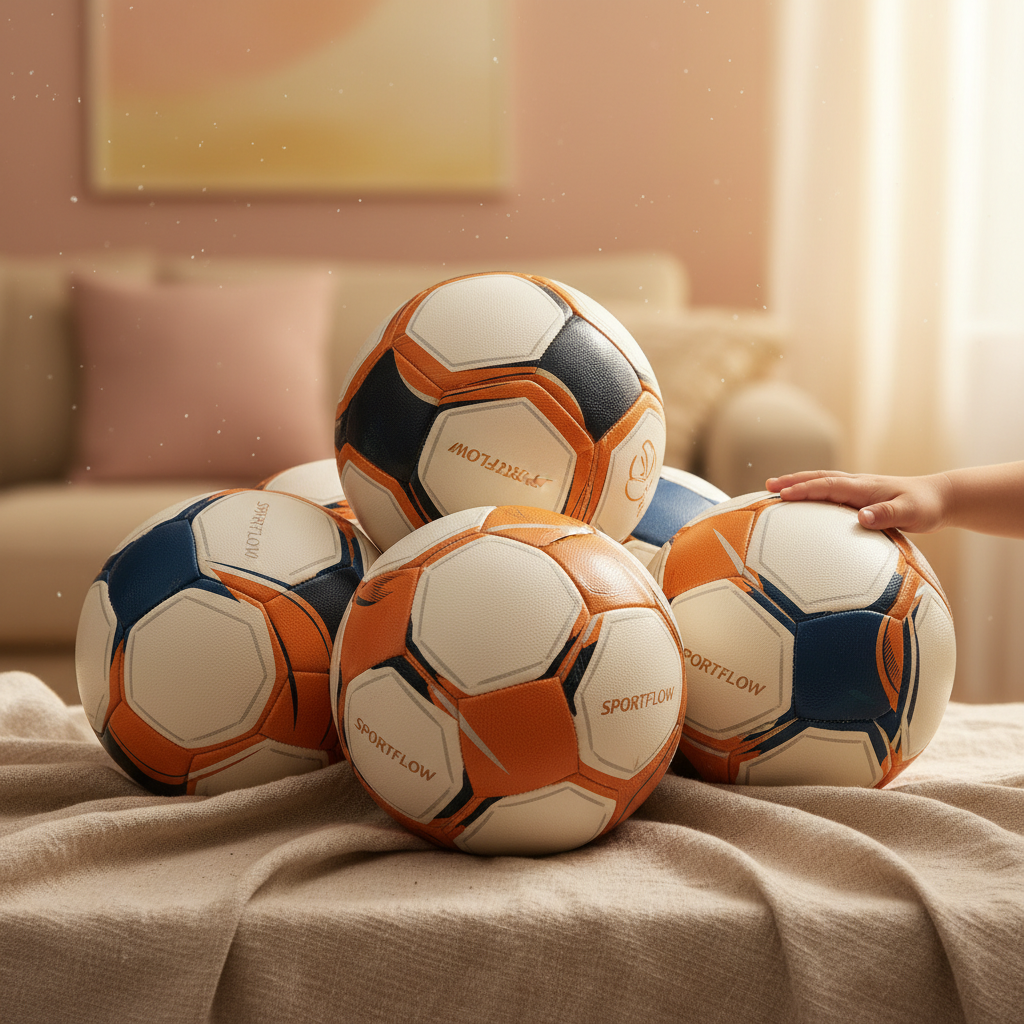
At Starryball, we offer a range of soccer balls tailored to different needs. Here's a comparison of our popular models:
Choosing the Right Size Soccer Ball for Different Age Groups
Selecting the correct size soccer ball is crucial for skill development and enjoyment. Here’s a quick guide:
- Size 1: Typically used for skills training and indoor play by very young children.
- Size 2: Suitable for toddlers and young children learning the basics.
- Size 3: Recommended for children aged 8-12.
- Size 4: Used by children aged 12-14.
- Size 5: The standard size for players aged 14 and older, including professionals.
Using the appropriate size ensures that players can comfortably control the ball and develop proper technique.
Caring for Your Soccer Ball for Longevity
Proper care will extend the life of your soccer ball. Avoid playing on abrasive surfaces like concrete, as this can quickly wear down the outer casing. After each use, wipe the ball clean with a damp cloth to remove dirt and debris. Store the ball in a cool, dry place, away from direct sunlight. Regularly check the air pressure and inflate as needed. With proper maintenance, your soccer ball will provide countless hours of enjoyment.
Conclusion: Find Your Perfect Match at Starryball
At Starryball, we are committed to providing high-quality soccer balls for players of all levels. By considering the factors discussed in this guide – size, material, construction, and care – you can confidently choose the perfect ball to elevate your game. Explore our diverse selection today and experience the difference quality makes!
Frequently Asked Questions (FAQs)
What air pressure should I use for my soccer ball?
The recommended air pressure for a Size 5 soccer ball is typically between 8.5 and 15.6 PSI (pounds per square inch). However, it's crucial to check the specific recommendations printed on the ball itself, as this can vary slightly depending on the model and manufacturer. Using a proper soccer ball pump with a pressure gauge is essential to ensure accurate inflation. Over-inflation can lead to the ball becoming too hard and potentially bursting, while under-inflation can affect its performance and responsiveness.
How do I clean a dirty soccer ball?
To clean a dirty soccer ball, simply wipe it down with a damp cloth. For more stubborn dirt or mud, you can use mild soap and water. Avoid using harsh chemicals or abrasive cleaners, as these can damage the ball's surface. After cleaning, allow the ball to air dry completely before storing or using it. Regularly cleaning your soccer ball will help maintain its grip and appearance, prolonging its lifespan.
What is the difference between a thermally bonded and machine-stitched soccer ball?
Thermally bonded soccer balls are created by fusing the panels together using heat and pressure, resulting in a seamless surface with no stitching. This construction offers superior water resistance, durability, and a more consistent touch. Machine-stitched balls, on the other hand, are sewn together using thread. They are generally more affordable but less durable and water-resistant than thermally bonded balls. Thermally bonded balls are typically preferred by professional players and for high-level matches.