Feb . 25, 2026 03:15
The World of Foot Ball: A Comprehensive Guide
Foot ball, or soccer as it's known in some parts of the world, is arguably the most popular sport globally. From local parks to massive stadiums, the passion for this game unites billions. This article delves into the history, rules, key players, global leagues, and the equipment that makes foot ball so captivating. Whether you're a seasoned fan or a curious newcomer, we'll explore what makes this sport so universally loved. Discover how to find quality foot balls and accessories at Starry Balls China.
A Brief History of Foot Ball
The origins of foot ball can be traced back over 2,000 years, with early forms of the game played in various ancient cultures, including China (cuju), Greece (episkyros), and Rome (harpastum). However, the modern game as we know it began to take shape in England during the 19th century. The Football Association (FA) was formed in 1863, establishing a standardized set of rules that differentiated foot ball from rugby. This marked a pivotal moment, leading to the development of organized leagues and international competitions. The game quickly spread across Europe and then to the rest of the world, captivating audiences with its skill, strategy, and drama.
Key Historical Milestones: 1863 - Formation of the Football Association. Early 20th Century - Spread across Europe and South America. 1930 - First FIFA World Cup held in Uruguay.
Understanding the Rules of the Game
Foot ball is played between two teams of 11 players, including a goalkeeper. The objective is to score by getting the foot ball into the opposing team's goal. Players primarily use their feet to move the ball, but they can also use their head and chest. However, deliberately handling the ball with the hands or arms is generally prohibited, except for the goalkeeper within their designated penalty area. A match is typically divided into two 45-minute halves, with a 15-minute break in between. Penalties are awarded for fouls, resulting in free kicks or penalty kicks. Offside rules are complex but crucial, determining whether a player is in an illegal position when receiving a pass. To enhance your game, consider investing in a high-quality foot ball for optimal performance.
Key Rule Reminders:
• No deliberate handballs (except goalkeeper in penalty area)
• Two 45-minute halves
• Offside rule is critical for strategic play
• Penalties awarded for fouls.
Foot Ball Leagues Around the Globe
Numerous prestigious foot ball leagues operate worldwide, each with its unique characteristics and competitive intensity. The English Premier League (EPL) is renowned for its fast-paced action and global appeal. La Liga (Spain) showcases the brilliance of players like Lionel Messi and Cristiano Ronaldo (historically). Serie A (Italy) is known for its tactical sophistication and defensive prowess. The Bundesliga (Germany) boasts high attendance rates and a focus on attacking foot ball. Beyond Europe, leagues in South America, such as the Brazilian Serie A and the Argentinian Primera División, are fiercely competitive and produce exceptional talent.
Essential Foot Ball Equipment
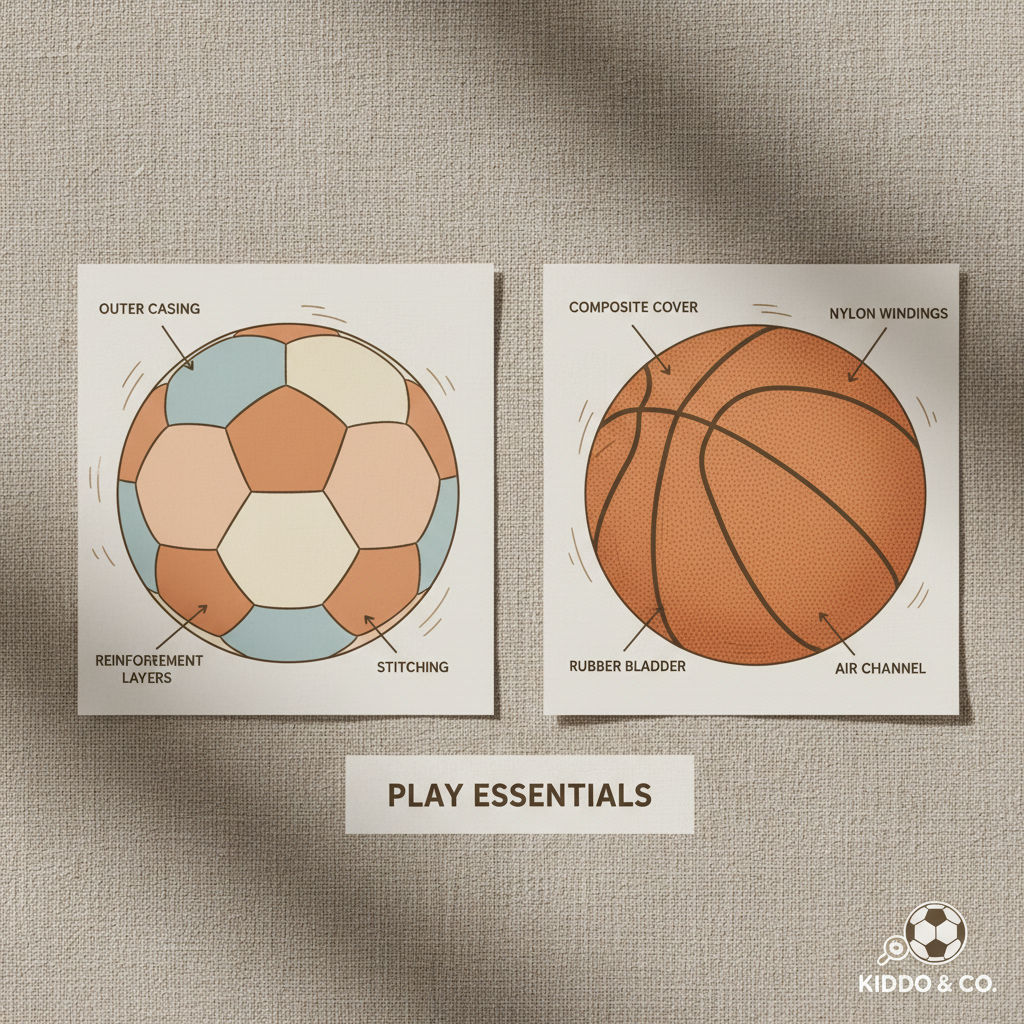
Beyond the players, the equipment is integral to the game. The most obvious is the foot ball itself, coming in various sizes and materials depending on age and playing surface. Players wear specialized boots (cleats) designed to provide traction and control. Shin guards are essential for protection, and goalkeepers require gloves for catching and deflecting shots. Appropriate apparel, including jerseys, shorts, and socks, is also crucial for comfort and performance. Starry Balls China offers a diverse selection of high-quality foot ball equipment to suit all levels of play.
Choosing the Right Foot Ball: A Guide
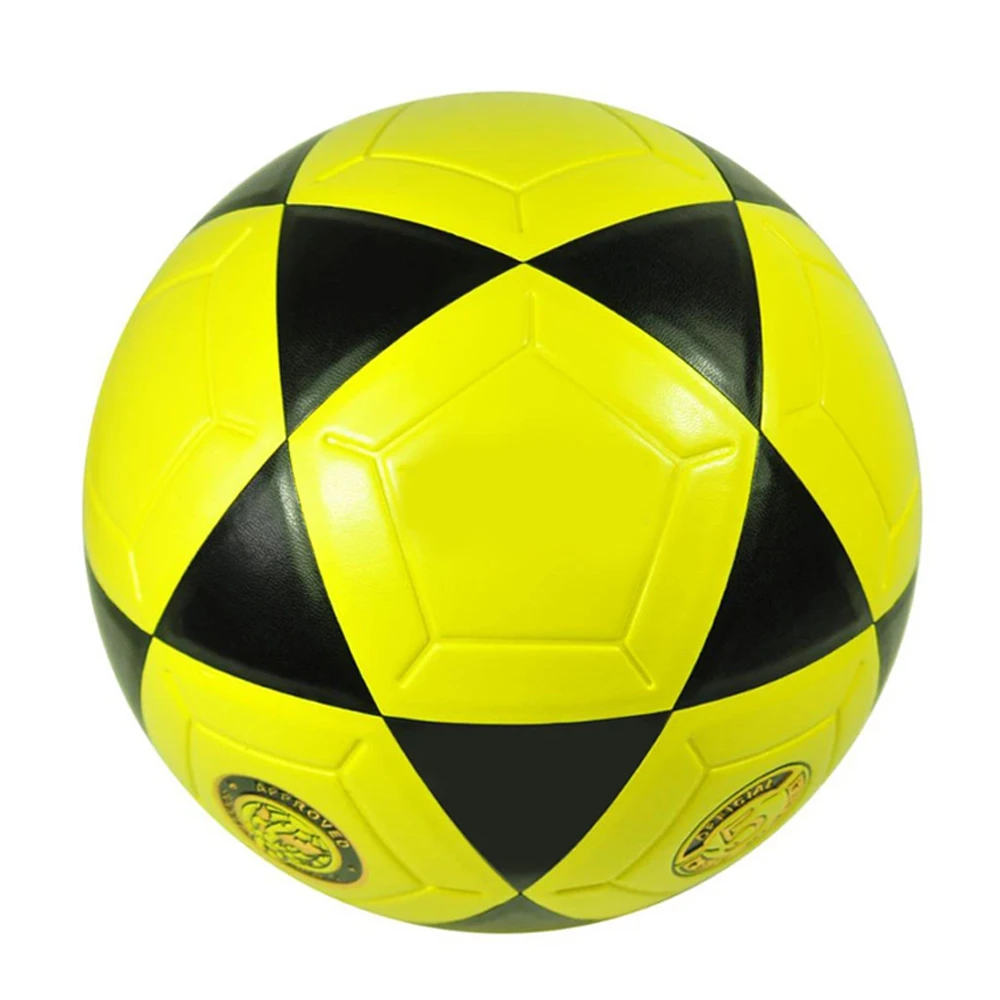
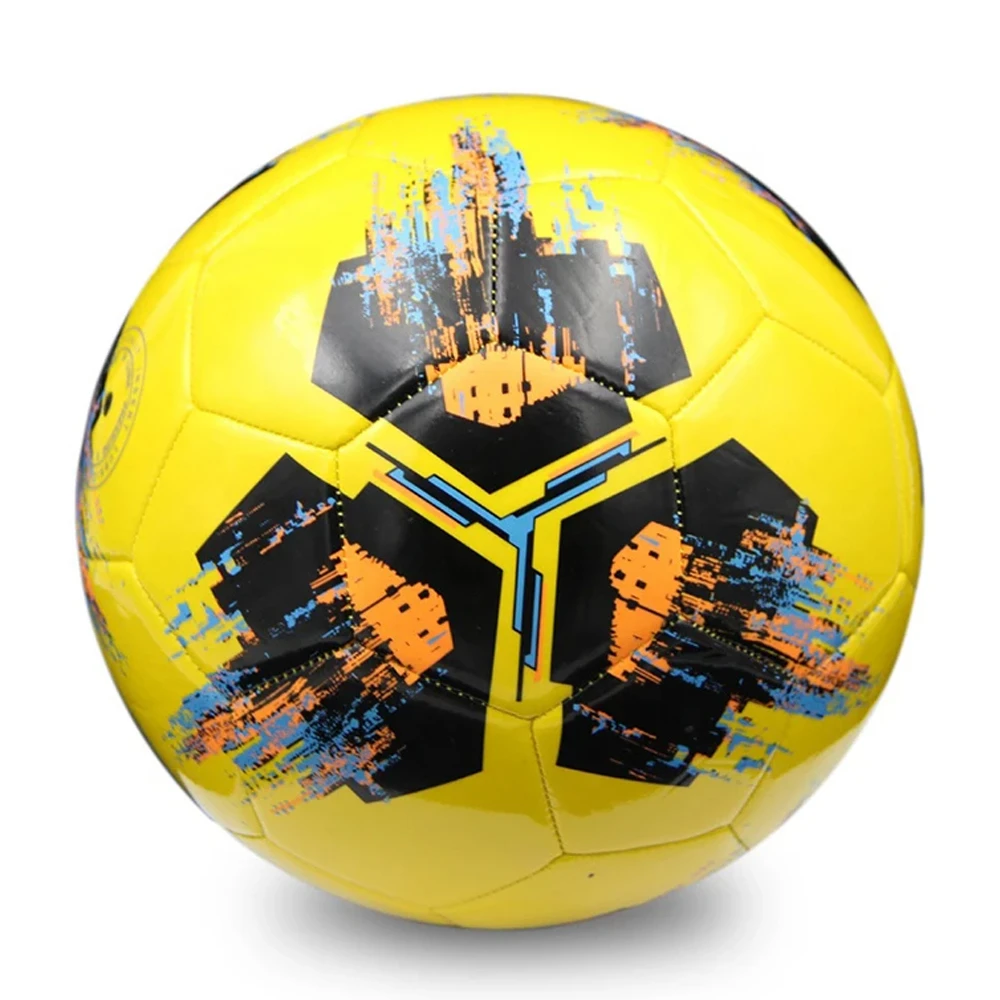
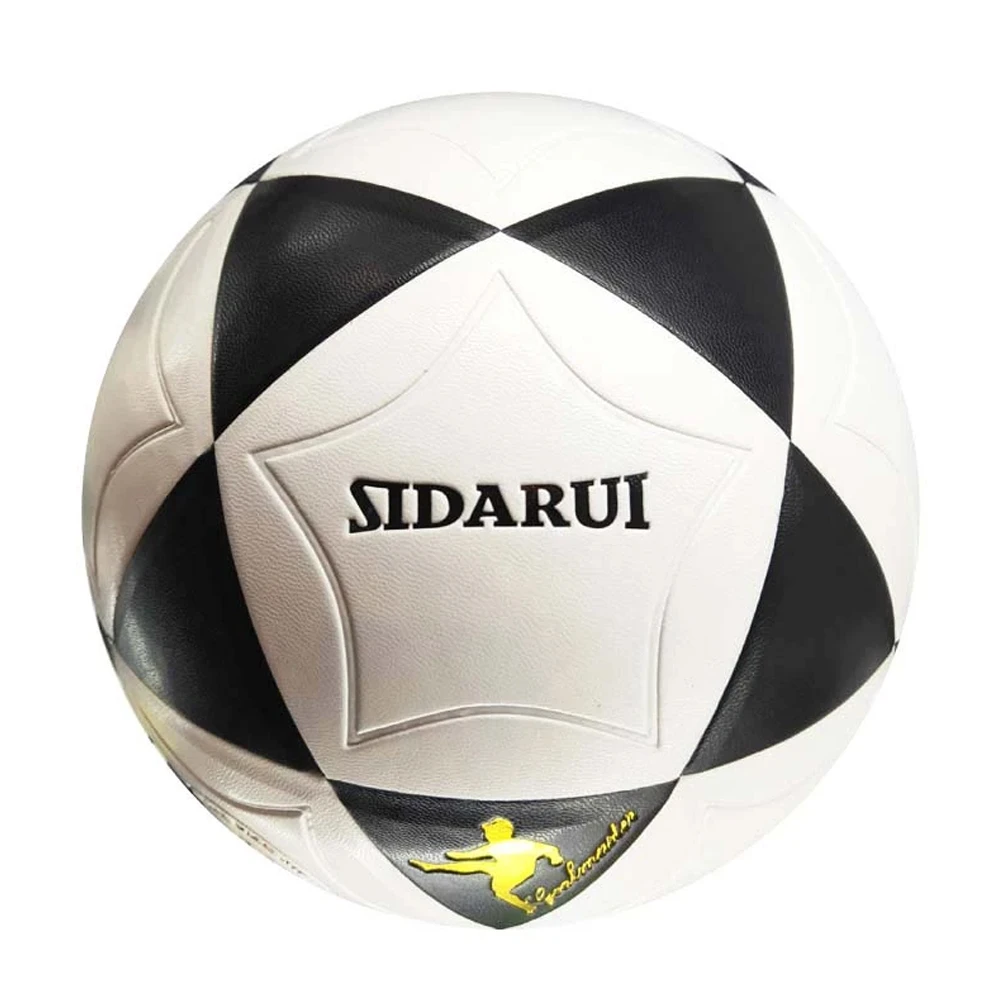
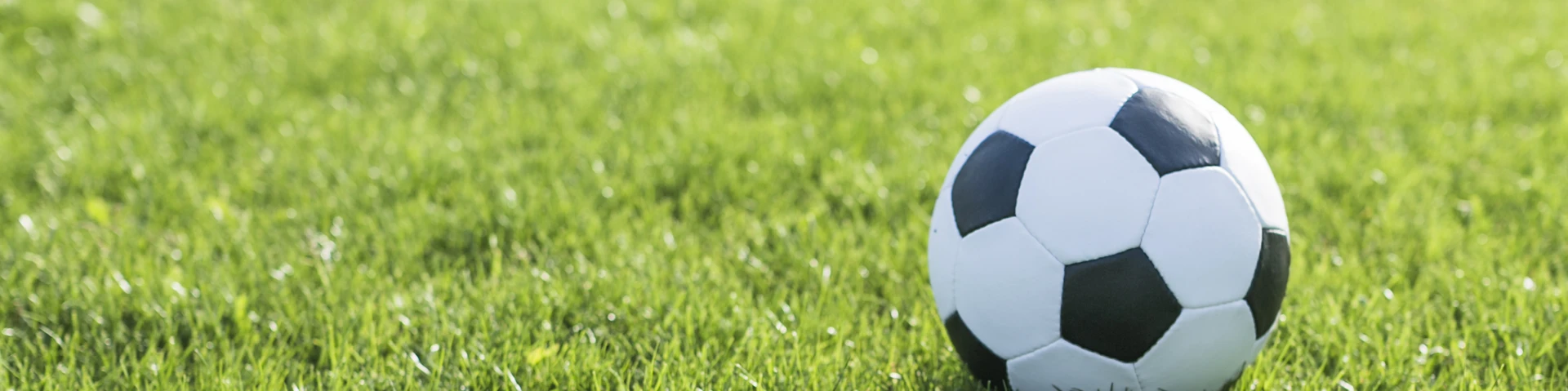
Selecting the right foot ball depends on several factors, including age group, playing surface, and skill level. Size 5 foot balls are standard for adult players, while smaller sizes (size 3 and size 4) are used for younger age groups. Foot balls designed for grass surfaces typically have longer studs for better grip, while those intended for artificial turf have shorter, more numerous studs. Materials range from synthetic leather to traditional leather, with synthetic options generally being more durable and affordable. When purchasing a foot ball, consider the weight, bounce, and overall quality. Browse our selection to find the perfect foot ball for your needs.
Conclusion: The Enduring Appeal of Foot Ball
Foot ball's global popularity is a testament to its simple yet captivating nature. The combination of skill, strategy, teamwork, and passion makes it a truly unique and universally beloved sport. Whether you're a player, a fan, or simply curious about the game, there's something for everyone to enjoy.
Frequently Asked Questions (FAQs)
What is the ideal pressure for a foot ball?
The ideal pressure for a foot ball typically falls between 8.5 and 15.6 psi (pounds per square inch), as recommended by FIFA. However, the specific pressure may vary slightly depending on the type of foot ball and playing conditions. Using a foot ball pressure gauge is crucial to ensure the ball is properly inflated. Over-inflation can make the ball too hard and increase the risk of injury, while under-inflation can affect its bounce and performance. Maintaining the correct pressure ensures optimal playability and longevity.
How often should foot ball boots be replaced?
The lifespan of foot ball boots depends on usage frequency, playing surface, and the quality of the boots. Generally, boots should be replaced every 6-12 months for regular players. Signs that boots need replacing include worn-down studs, cracks in the upper material, and loss of cushioning. Regularly cleaning and maintaining your boots can help extend their lifespan. Consider replacing boots sooner if you notice a significant decrease in performance or comfort.
What are the different types of foot ball studs?
Foot ball studs come in various types, each designed for different playing surfaces. Firm ground (FG) studs are conical and provide excellent grip on short, natural grass. Soft ground (SG) studs are longer and metal-tipped for optimal traction on wet, muddy pitches. Artificial ground (AG) studs are shorter and more numerous to provide stability on artificial turf. Turf (TF) studs are flat and rubberized, suitable for hard, synthetic surfaces. Choosing the right studs is crucial for maximizing performance and minimizing the risk of injury.
Where can I find high-quality foot balls and equipment?
Starry Balls China offers a comprehensive range of high-quality foot balls, boots, apparel, and accessories. We cater to all levels of play, from beginners to professionals. Our products are sourced from reputable manufacturers and undergo rigorous quality control to ensure durability and performance. Visit our website today to explore our selection and find the perfect equipment for your game.