Oct . 15, 2026 09:47
Selecting the right football involves more than appearance. Material affects ball feel, durability, maintenance, price, and suitability for different playing environments. For sporting goods retailers, football clubs, schools, and wholesale distributors, understanding the differences between leather and synthetic options helps build a product range that meets customer expectations.
From traditional designs to modern training equipment, footballs are available in different materials and constructions for recreational play, skill development, and promotional use. Buyers should consider the target audience, expected playing frequency, surface conditions, and purchasing budget before making a decision. Comparing the main material options can also help businesses communicate product benefits more clearly and choose suitable products for different market segments.

What to Look for When Buying Leather Footballs for Sale
When searching for leather footballs for sale, buyers should first distinguish between genuine leather and synthetic leather footballs. Although both may feature a leather-like appearance, their materials, maintenance requirements, and intended applications can differ considerably.
Traditional genuine leather footballs are associated with classic craftsmanship and a distinctive natural surface. They may appeal to collectors, heritage sports retailers, or customers interested in traditional sporting equipment. However, genuine leather generally requires more careful maintenance than many modern synthetic alternatives. Moisture absorption, surface conditioning, and storage conditions can influence its long-term performance.
Today, many footballs marketed with a leather-like finish use synthetic materials designed to provide practical performance and easier maintenance. These products can offer consistent panel designs, a wide range of colors, and branding options that suit commercial sports equipment markets. Buyers should always verify the material specification instead of assuming that every product described as leather is made from animal hide.
Construction quality is equally important. The outer cover, backing layers, stitching or bonding, and internal bladder all contribute to the ball's playing characteristics. Strong panel attachment and consistent manufacturing can help maintain the ball's shape during regular use. A well-designed surface may also support grip and ball control, although performance depends on the complete construction rather than the cover material alone.
The intended playing environment should guide the purchasing decision. A football used for occasional recreation may have different requirements from one used for frequent training sessions. Genuine leather may be suitable for specific traditional or collectible applications, while synthetic leather-style products often provide a more practical choice for routine recreational use.
For retailers and wholesalers, it is useful to compare samples before placing large orders. Examine surface texture, panel alignment, stitching consistency, inflation retention, and finishing quality. If customized logos or colors are required, confirm that the supplier can reproduce the approved artwork consistently.
Buyers should also review size options, packaging, minimum order quantities, and delivery schedules. By evaluating these factors together, businesses can select footballs that fit their customers' preferences without relying on material descriptions alone.
How a PVC Football Supports Affordable Recreational Play
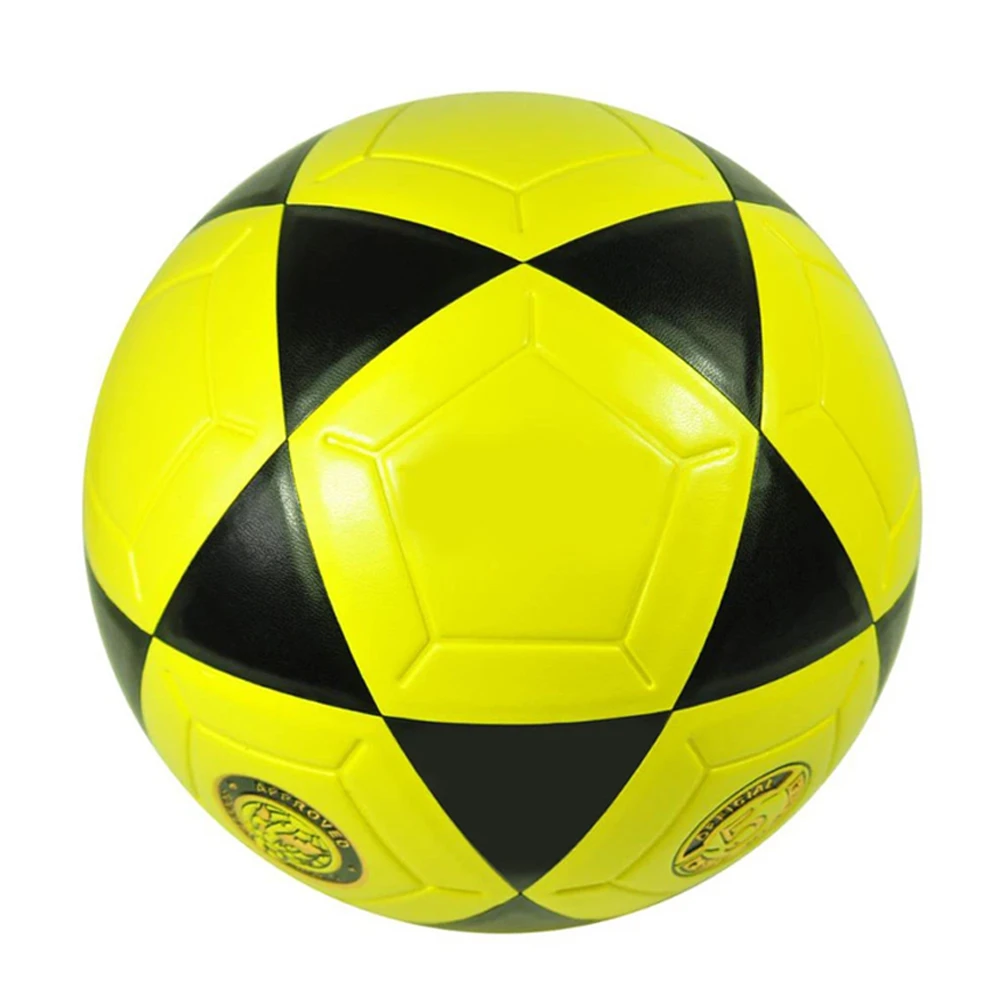
A PVC football is commonly considered for entry-level sports equipment, casual games, school activities, and promotional products. Polyvinyl chloride, or PVC, is a synthetic material that can be processed into different surface textures, colors, and panel patterns. Its versatility makes it a practical option for manufacturers developing footballs for a range of price points.
One major advantage of PVC is its potential cost-effectiveness. For businesses purchasing equipment in quantity, an economical product can help serve price-sensitive customers and expand access to recreational football. Schools, community programs, sports retailers, and promotional agencies may consider PVC footballs when budget and visual appeal are important purchasing factors.
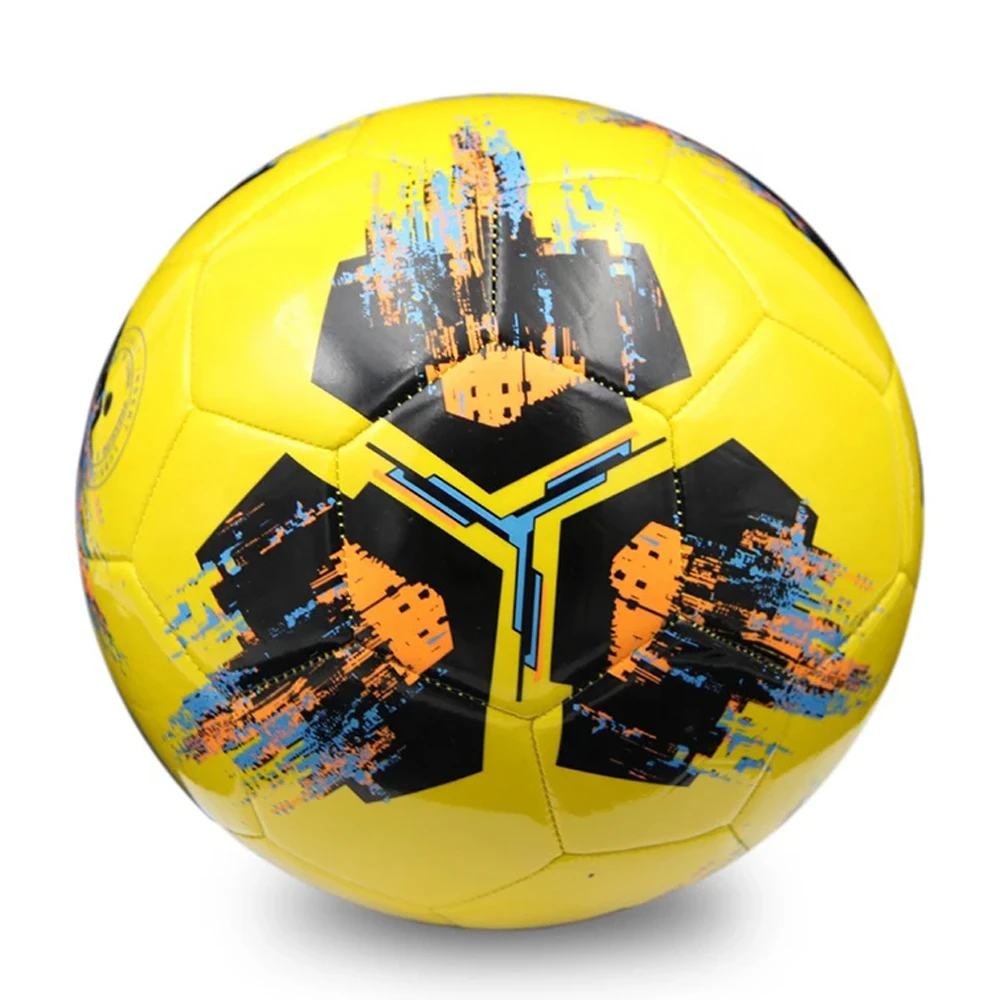
PVC also supports a broad range of designs. Manufacturers can produce traditional panel patterns, colorful graphics, printed logos, and coordinated team designs, depending on the product specification. This flexibility makes PVC footballs suitable for promotional campaigns, school sports events, and branded merchandise programs.
However, not all PVC footballs offer the same level of performance. The thickness and formulation of the outer layer, backing material, panel construction, and bladder quality can influence flexibility, feel, and durability. A low-cost model designed for occasional play may not withstand the same usage conditions as a product developed for regular training.
Before purchasing, buyers should clarify whether the football is intended for indoor recreation, outdoor play, or general-purpose use. Surface conditions matter because rough ground and repeated abrasion can affect the cover over time. Product specifications should clearly identify the recommended application.
Maintenance and storage also contribute to service life. Keeping the ball inflated within the manufacturer's recommended pressure range, avoiding unnecessary exposure to sharp objects, and storing it away from excessive heat can help preserve its condition.
For distributors, PVC footballs can complement higher-priced models by offering customers an accessible entry-level option. When evaluating suppliers, compare sample quality, color consistency, printing accuracy, and quality-control procedures alongside the quoted price. A balanced approach helps businesses provide economical products while maintaining reasonable customer expectations.
Why a PU Football May Be the Right Choice for Regular Training
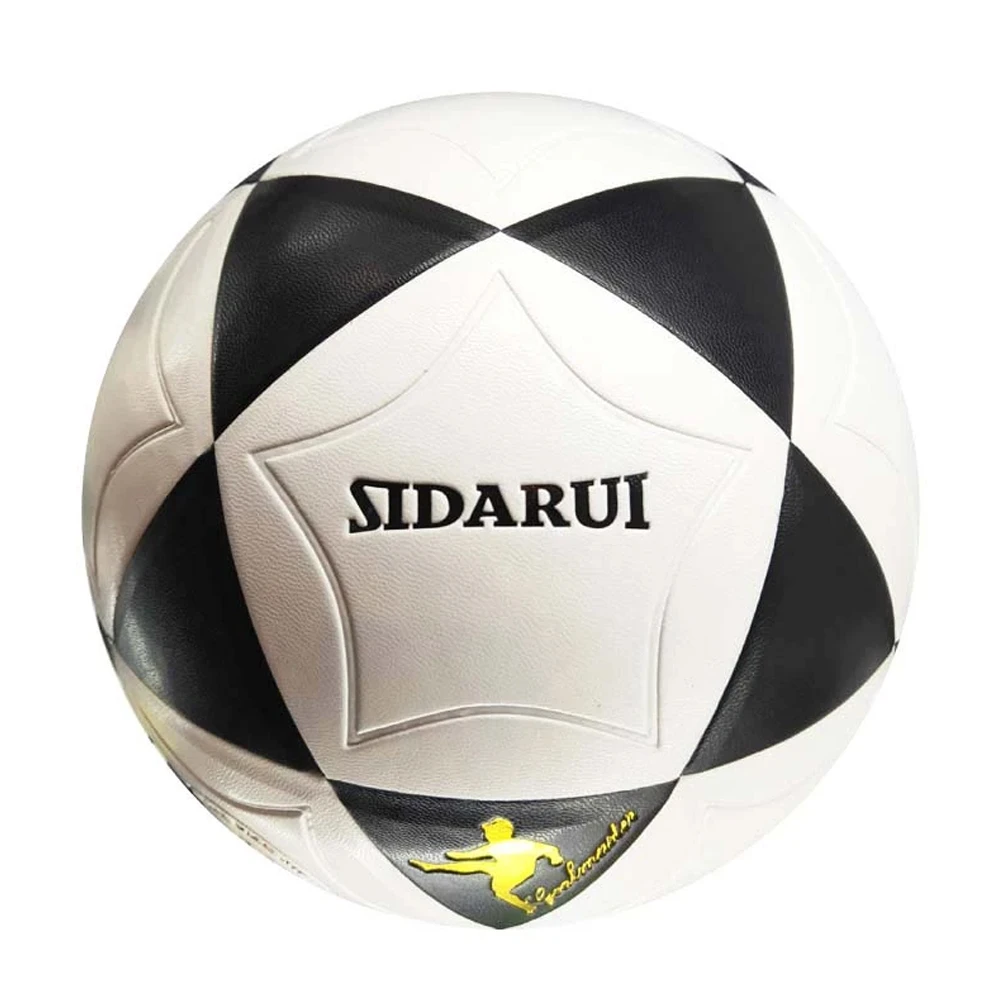
A PU football uses polyurethane as its outer surface material and is often considered by buyers seeking a particular combination of touch, appearance, and playing performance. PU covers can be engineered in different textures and constructions, allowing manufacturers to develop footballs for recreational activities, training sessions, and selected higher-performance applications.
One reason buyers consider PU is its potential to provide a softer surface feel than some basic synthetic alternatives. Depending on the formulation and construction, the cover may support comfortable ball contact and controlled handling. Textured finishes can also influence grip, especially when players practice passing, receiving, and dribbling.
PU footballs are available in a variety of designs, from traditional black-and-white patterns to modern graphics and customized team colors. This makes them attractive to sports brands, academies, clubs, and distributors looking for products that combine appearance with practical use. Logo printing and custom color schemes may also be available, subject to the manufacturer's capabilities.
Nevertheless, the label PU does not automatically guarantee superior performance. Different grades of polyurethane, backing layers, panel structures, and bladder materials can produce different results. Buyers should therefore compare the complete specification instead of selecting a football based solely on its cover material.
For frequent training, durability and consistency are particularly important. A suitable football should maintain its shape, retain air effectively, and provide predictable handling under the conditions for which it was designed. Buyers should also check whether the model is intended for natural grass, artificial turf, indoor courts, or general recreational use.
PU footballs may cost more than some entry-level PVC models, depending on the design and manufacturing process. The additional expense may be justified when customers prioritize surface feel, finish, or particular performance characteristics. For price-sensitive promotional orders, however, a simpler model may be more appropriate.
Requesting samples allows buyers to compare touch, flexibility, panel quality, and overall construction before committing to a bulk order. Retailers can then organize their product range around clear customer needs rather than treating every synthetic football as interchangeable.
How to Compare Football Materials Before Placing a Bulk Order
Choosing between genuine leather, PVC, and PU depends on the intended application and target price range. Genuine leather may appeal to traditional or collectible markets, PVC can provide an economical solution for general recreation, and PU may suit buyers seeking specific surface and handling characteristics. These are general tendencies rather than guarantees, so individual product specifications remain essential.
Before placing an order, buyers should confirm the required ball size, cover material, construction method, color, logo requirements, packaging, and quantity. Request a detailed quotation that identifies additional charges for customization, samples, packaging, and shipping. Comparing suppliers on consistent specifications makes pricing more meaningful.
Quality inspection should cover surface finishing, panel attachment, shape, inflation retention, and printing accuracy. For larger orders, agree on sample approval and inspection procedures before production begins. Clear communication about delivery schedules and defect-handling policies can further reduce purchasing risks.
By understanding the differences between football materials, retailers and distributors can create a product portfolio that serves different budgets and playing needs. The best choice is not necessarily the most expensive or the cheapest football, but the one whose construction, performance, and price align with the expectations of its intended users.