Oct . 26, 2026 09:51
A volleyball described as soft may still disappoint the players using it. One sample can feel comfortable during light handling yet respond differently during serving, receiving, and repeated drills. Another may receive positive first impressions but prove inconsistent when compared with the rest of a sample set.
For clubs, education suppliers, and distributors considering a PU volleyball, touch should be evaluated through a structured training trial. The goal is to understand the finished ball's handling in the intended program, while keeping material descriptions, user preference, and measurable characteristics distinct.

What a PU Volleyball Description Actually Tells Buyers
PU identifies a material family, not a complete performance specification. The finished feel also depends on the cover construction, backing, internal layers, inflation, and assembly. Two volleyballs carrying the same material label can therefore produce different user impressions.
Ask the supplier what the description means for the quoted model. Clarify whether PU refers to the outer cover and request the relevant construction details. If a product name combines several material terms, confirm which specification applies rather than assuming the terms describe one fixed construction.
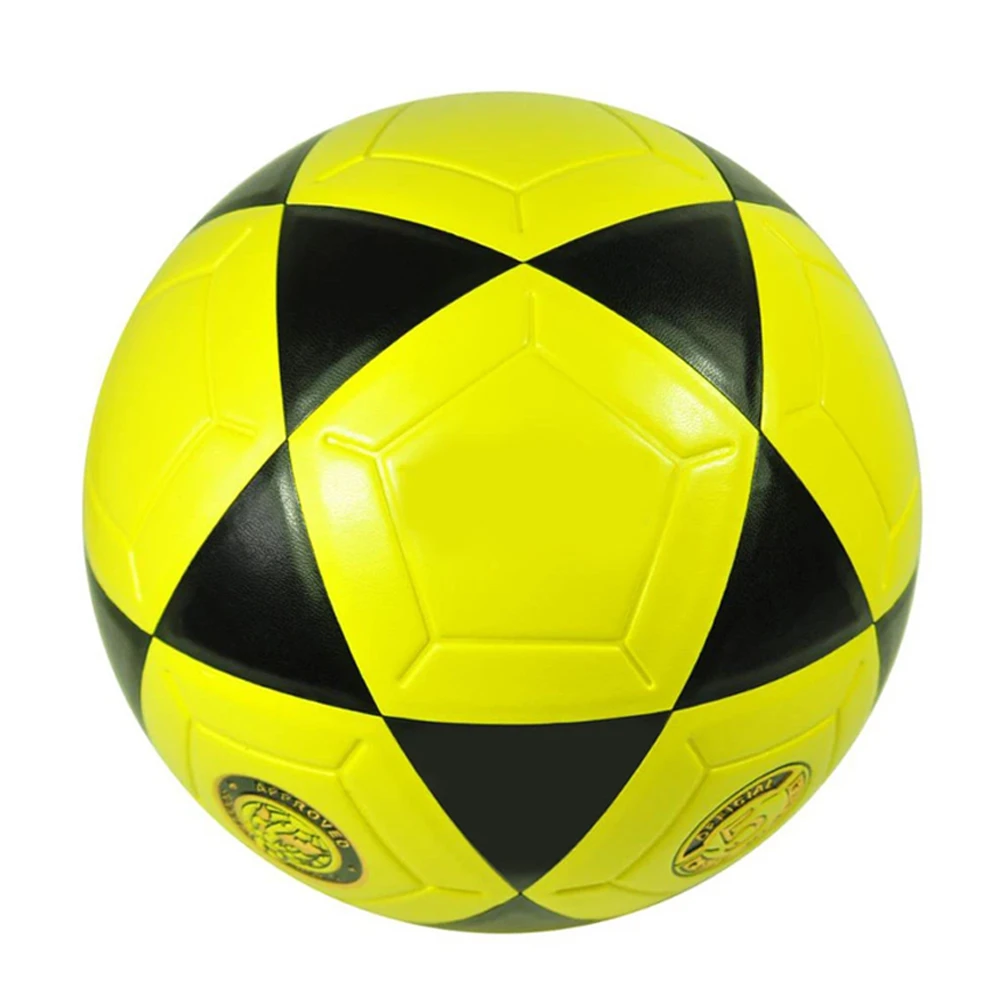
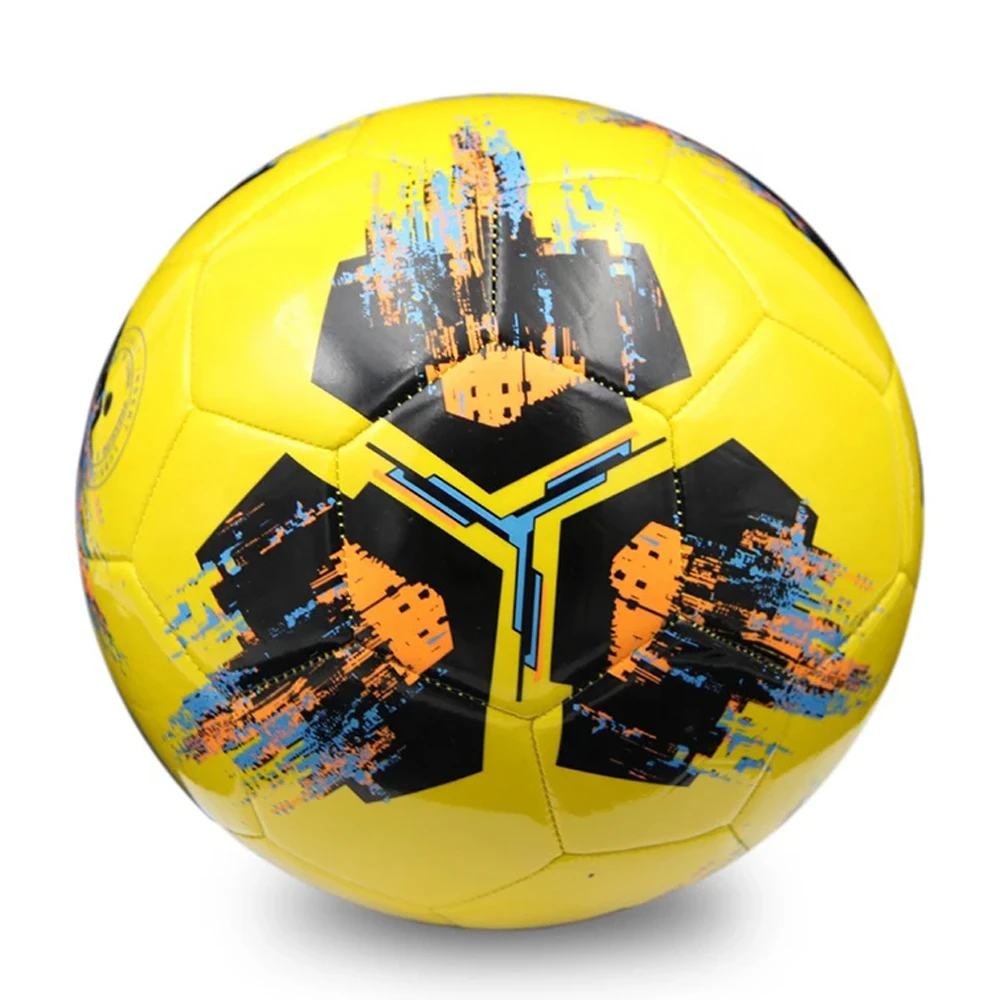
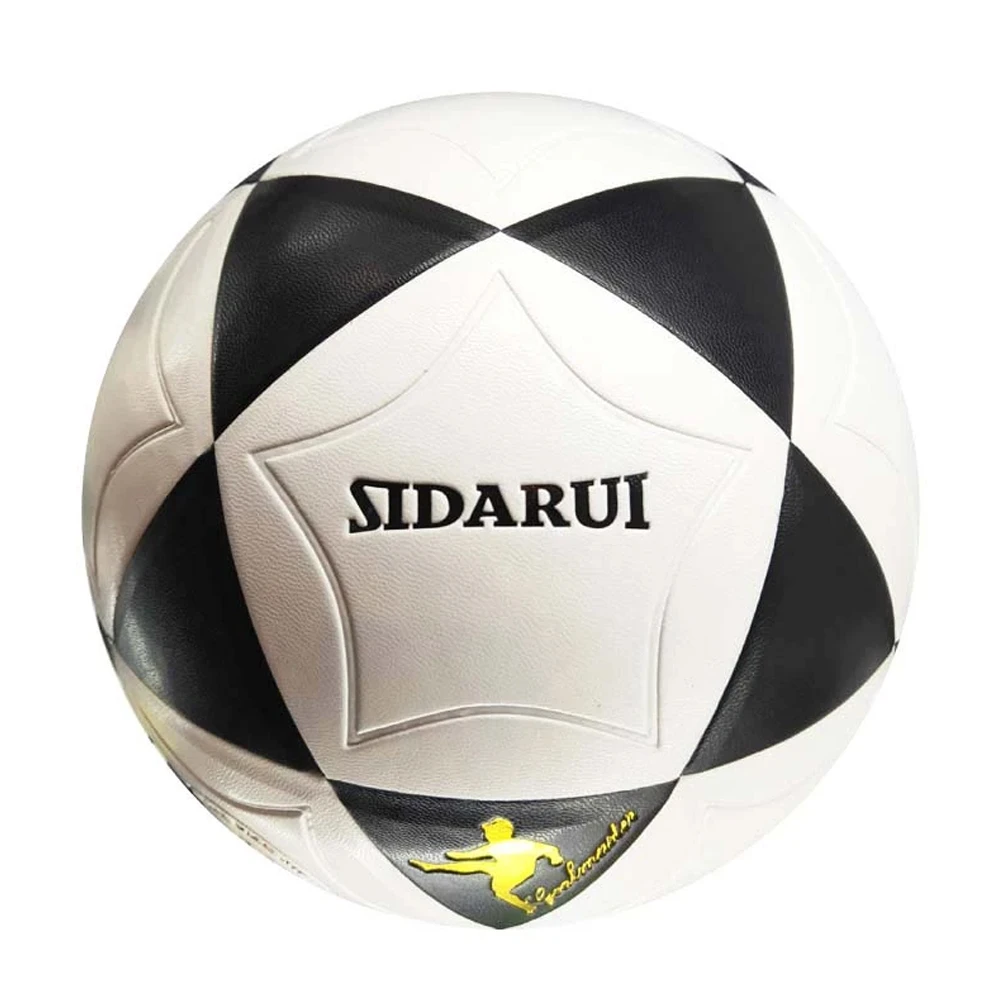
Starry lists a size 5 PU training volleyball, making it a relevant product to consider for this type of evaluation. Its suitability for a particular training program should still be established through confirmed specifications and samples.
Treat the material description as the starting point for questions. It helps organize the shortlist, but it should not replace assessment of the actual ball players will receive.
Match Volleyball Size 5 Samples to the Training Group
Define the intended users before asking whether a sample feels right. An introductory recreational group, a school program, and an experienced club squad may prioritize different handling characteristics. Collect feedback from people representative of the purchasing project.
Confirm the size, weight, and ball requirements used by the program. A familiar size designation does not answer every suitability question, particularly where an organization has its own equipment specification. Ask for measurements and tolerances for the proposed model.
Include coaching staff in the trial design. They can identify the skills and activities that account for most ball contact, helping the buyer avoid a test dominated by casual handling. For example, a program focused on developing receiving technique needs meaningful feedback during receiving drills.
Do not translate a player's preference into a medical or injury-prevention claim. A sample may be perceived as more comfortable without providing evidence that it prevents injury. Keep conclusions tied to what the trial actually established.
Compare Indoor Volleyball Touch Under Consistent Conditions
Prepare samples in comparable conditions and use the inflation guidance for each model. Record the pressure setting and checking method so that feedback can be interpreted. If pressure differs without being documented, buyers may attribute the resulting feel entirely to the cover material.
Use a simple sequence of relevant activities, such as controlled handling, passing, setting, and serving. Keep the session practical rather than creating an elaborate test that coaches cannot repeat. Where several samples are compared, identify them with neutral codes to reduce the influence of price or branding.
Use a short feedback form with the same questions for every sample. Collect individual responses before group discussion, so a confident player's preference does not shape everyone else's initial assessment.
Ask specific questions. Does the surface feel secure during handling? Is the response predictable during the selected drills? Do users notice a meaningful difference between samples of the same model? These questions produce more useful feedback than a single score for "quality."
Record disagreements as well as consensus. Different preferences may indicate that one model suits a particular customer group better, rather than proving that one sample is universally superior.
Assess Machine Stitched Volleyball Workmanship Alongside Feel
Touch is important, but a comfortable first impression should not end the evaluation. Inspect the ball's shape, panel alignment, seam appearance, valve area, and printed graphics. Use the approved specification and agreed acceptance criteria when judging conformity.
Where the shortlisted model is machine stitched, ask the supplier to identify the relevant construction and workmanship checks. Do not assume every PU volleyball uses the same assembly method. Material selection and construction method describe different parts of the product.
Review samples after the trial as well as before it. Note visible changes, pressure adjustments, and any recurring handling complaints. A short trial cannot establish a guaranteed service life, but it can reveal issues worth investigating before a larger purchase.
If a concern appears, preserve the sample and document the conditions. Sending a clear record to the supplier is more useful than requesting a generally "better quality" version. It also allows any proposed revision to be compared against an identified problem rather than an uncertain memory.
Turn High Quality Volleyball Feedback into a Purchase Specification
Combine the trial findings with the documented product requirements. Identify which characteristics are essential for the training program and which reflect individual preference. This helps the buyer select a model without pretending that all feedback has equal significance.
Confirm that the quotation refers to the construction actually evaluated. If the supplier offers a lower-cost alternative, ask what changes and whether additional sampling is necessary. Approval of one sample should not silently extend to a different material or internal specification.
Retain an approved reference and summarize the key acceptance requirements for production. Include practical details such as inflation guidance and the agreed product identification. For distributors, use those confirmed details when preparing customer descriptions.
The strongest PU volleyball selection is supported by both user experience and clear purchasing records. Players and coaches explain how the ball behaves in training; the specification defines what must be supplied. Together, they provide a more reliable basis for an order than choosing the softest-feeling sample during a brief showroom comparison or relying on material terminology alone.