Mar . 27, 2026 17:10
Volleyball has evolved far beyond indoor courts. From sunny beaches to bustling city streets and backyard gatherings, players are seeking versatile, durable, and affordable volleyballs that match these environments. Among the options, rubber volleyballs have emerged as a favorite due to their toughness, adaptability, and budget-friendly design. In this article, we explore why rubber volleyballs are ideal for beach, street, and backyard use, what makes a high-quality rubber volleyball, and tips for choosing the right one.
Why Choose a Rubber Volleyball for Outdoor Play?
Outdoor volleyball demands different features compared to indoor play. Surfaces like sand, concrete, asphalt, or grass can be harsh on traditional synthetic or leather volleyballs. Rubber volleyballs are specifically designed to withstand these conditions.
The first advantage is durability. Rubber material is highly resistant to abrasion and punctures. Unlike synthetic leather balls, which may crack or peel when exposed to sunlight or rough surfaces, rubber volleyballs maintain their integrity even after extended outdoor use.
Another benefit is weather resistance. Many rubber volleyballs are water-resistant, making them ideal for beach play or rainy days. They do not absorb water, so the ball maintains its weight and bounce, which is essential for consistent gameplay.
Finally, affordability plays a role. Outdoor volleyballs often face heavy wear and tear, making high-end indoor balls less practical. Rubber volleyballs are budget-friendly, allowing players to enjoy frequent outdoor games without worrying about costly replacements.
Rubber Volleyball for Beach Use: What to Look For
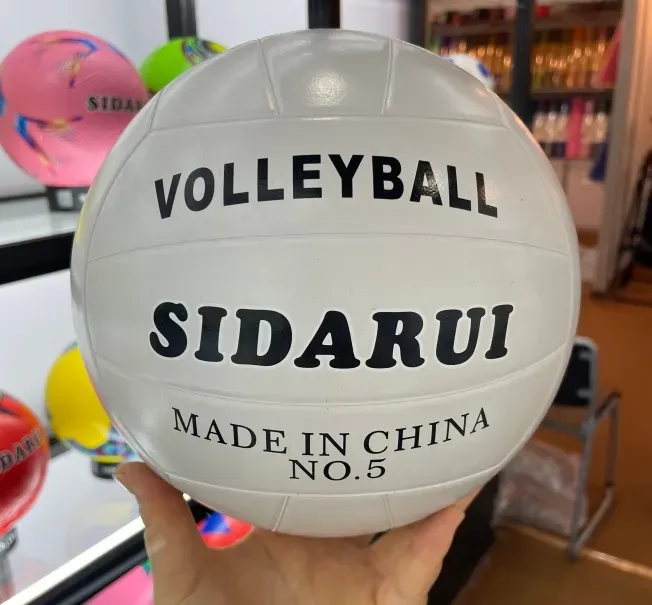
Beach volleyball is a unique sport that combines skill, agility, and endurance. The sand and sun present challenges that not all balls can handle. A good rubber beach volleyball should have a slightly textured surface for grip, and a moderate weight to prevent excessive drift in wind.
Many players appreciate rubber balls for beach use because they provide a controlled bounce on sand. While indoor volleyballs are light and soft, they can be unpredictable on loose surfaces. Rubber volleyballs, on the other hand, balance stability and playability, allowing both casual players and competitive beach enthusiasts to enjoy longer rallies.
Tips for choosing a beach rubber volleyball:
- Look for UV-resistant materials to prevent color fading.
- Ensure proper inflation for optimal bounce—too soft or too hard can affect control.
- Consider branded options like Starry Rubber Volleyballs, which are praised for durability and consistent performance.
Rubber Volleyball for Street Play: Durability and Control
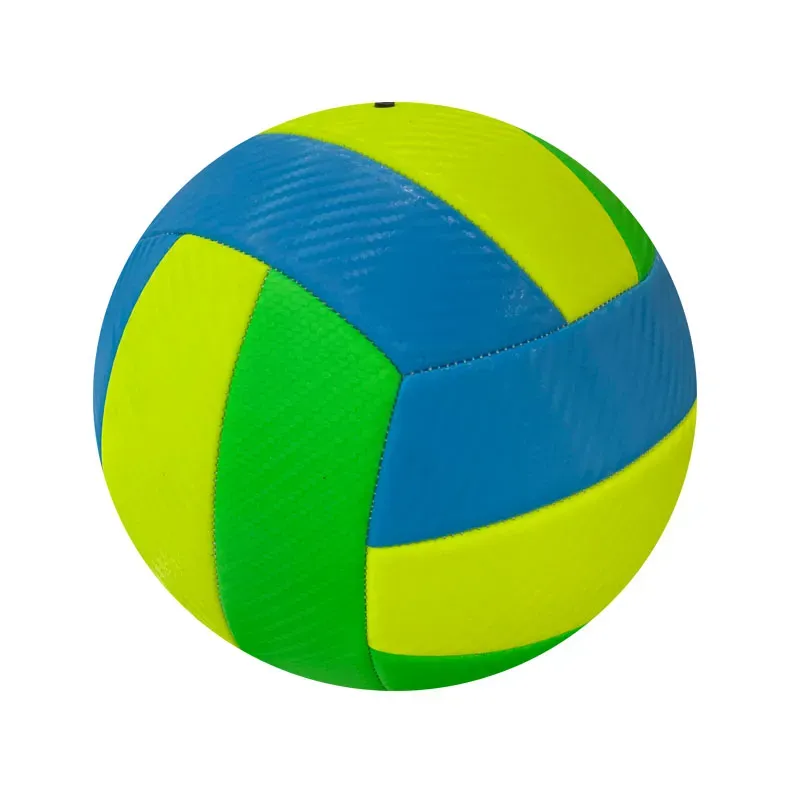
Street volleyball has grown popular in urban areas, parks, and community centers. Concrete or asphalt surfaces are tough on standard volleyballs. Rubber volleyballs excel in this environment due to their abrasion resistance and stable bounce.
Unlike leather volleyballs, which can wear unevenly and lose shape quickly, rubber volleyballs can handle frequent impacts with rough surfaces. They also provide a firmer touch, which helps with accurate passing and spiking on hard courts.
When choosing a rubber volleyball for street play:
Opt for reinforced panels and sturdy seams.
Consider slightly heavier balls for better control in windy outdoor conditions.
Check customer reviews for durability feedback—brands like Starry often offer models optimized for urban play.
Rubber Volleyball for Backyard and Casual Games
Backyard volleyball is more casual but still requires a reliable ball. Whether you’re hosting a family game, a barbecue, or just practicing serves, rubber volleyballs are ideal for this setting.
They are safe and forgiving, with less risk of injury compared to harder synthetic balls. Their durability ensures they survive occasional contact with fences, patios, or garden furniture, making them a perfect choice for informal settings.
Backyard volleyball tips:
Size 5 rubber volleyballs are standard and suitable for all ages.
Soft yet resilient rubber provides an enjoyable feel for beginners and children.
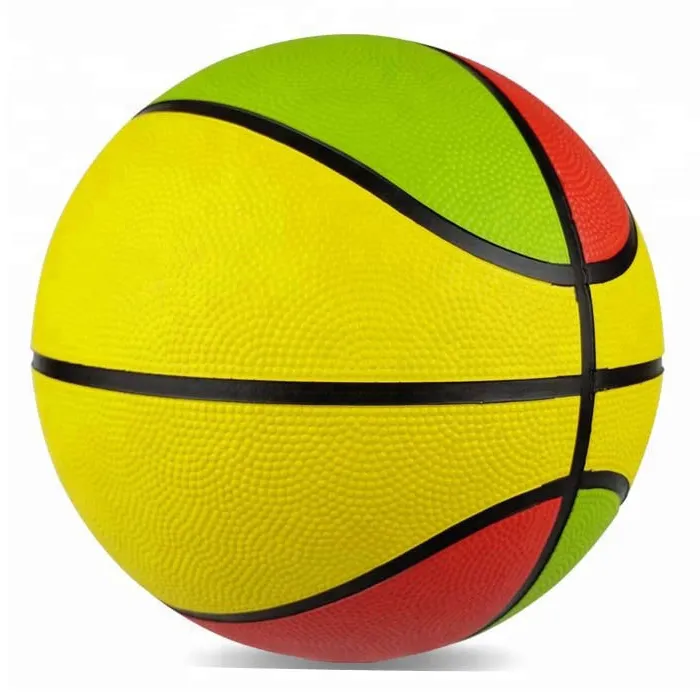
Colorful designs help track the ball easily during playful matches.
Features That Define a High-Quality Rubber Volleyball
Not all rubber volleyballs are equal. High-quality models stand out in durability, feel, and playability. Here’s what to look for:
Material Composition – A mix of natural and synthetic rubber ensures flexibility, abrasion resistance, and longevity.
Consistent Bounce – A premium ball maintains predictable rebound across various outdoor surfaces.
Air Retention – Durable inner bladders reduce the need for frequent reinflation.
Panel Construction – Reinforced seams and seamless designs prevent cracking or splitting.
Brand Reliability – Trusted brands like Starry consistently deliver balls that meet performance expectations for beach, street, and backyard use.
How to Maintain Your Rubber Volleyball for Longevity
Even durable rubber volleyballs require basic care:
- Proper Storage – Keep the ball away from extreme heat or prolonged sunlight to avoid material degradation.
- Inflation Checks – Ensure correct pressure; overinflation can stress seams, while underinflation affects control.
- Cleaning – Wipe down with mild soap and water after sandy or dirty play to maintain grip and appearance.
Regular maintenance extends the lifespan of your ball, ensuring a reliable experience game after game.
FAQs About Rubber Volleyballs
Q1: Can rubber volleyballs be used for official matches?
A1: While rubber volleyballs are excellent for outdoor and casual play, official matches typically require indoor or professional-grade PU balls.
Q2: Are rubber volleyballs suitable for children?
A2: Yes. Rubber volleyballs are forgiving, safe, and ideal for beginners and kids practicing volleyball skills.
Q3: How long does a high-quality rubber volleyball last?
A3: With proper care, a premium ball like Starry Rubber Volleyball can last several years, even with frequent outdoor use.
Q4: Can I customize rubber volleyballs for teams or events?
A4: Many brands, including Starry, offer logo printing and bulk options, perfect for clubs, schools, or promotional events.
Conclusion
Rubber volleyballs have proven themselves as the go-to choice for beach, street, and backyard volleyball. Their durability, weather resistance, and affordability make them ideal for a wide range of players and environments. Whether you’re practicing on sand, competing on urban courts, or enjoying casual backyard games, a high-quality rubber volleyball ensures consistent performance and long-term reliability. Trusted brands like Starry provide options that combine quality, durability, and customization, helping you elevate every game.