Oct . 26, 2026 09:54
A youth training organization can own plenty of footballs and still run short during its busiest sessions. Equipment may be spread across locations, assigned to the wrong groups, or counted as available while awaiting inspection. Buying more balls without understanding those gaps can increase stock without improving access.
For academies, school suppliers, and regional distributors purchasing size 4 soccer balls in bulk, inventory planning should begin with how equipment moves through the program. The aim is to maintain enough suitable balls for scheduled training while keeping purchasing, storage, and replenishment manageable.

Map Size 4 Training Footballs to Confirmed Program Requirements
Start with the organization's actual training groups and the ball requirements specified by their governing competition or coaching program. Age labels can vary between markets and organizations, so a generic online age chart should not replace the requirements used by the customer.
List each group's training location, schedule, player count, and required ball type. Ask coaches how many balls they need during individual exercises and group activities. The number required for an effective session may differ from the number traditionally issued to each team.
Also distinguish size from playing characteristics. A conventional size 4 soccer ball and a futsal ball should not be treated as interchangeable solely because they share a size designation. If a customer requests futsal equipment, confirm the relevant construction and performance requirements separately. This prevents an inventory decision from becoming a product suitability problem when the equipment reaches the coaching staff.
Calculate Size 4 Soccer Balls in Bulk Around Simultaneous Use
Total enrollment is a weak purchasing guide when groups train at different times. A more useful starting point is peak simultaneous demand: how many balls are required across all sessions taking place at the same time, given the organization's equipment-sharing arrangements.
For example, two groups using the same facility on different evenings may share a controlled equipment pool. Groups training at separate locations usually need their own allocation unless transport is genuinely practical. Treat these as operational decisions rather than assuming every ball can circulate freely.
Consider a simple planning example: three simultaneous groups each need twelve balls, so active demand is thirty-six. A fourth group training later can share that stock only if collection, inspection, and return are organized between sessions. If it trains elsewhere, its allocation must be added. This calculation describes scheduling demand; the reserve and expected replacements still need separate justification using the program's own records.
Build the order quantity from three categories: equipment needed for normal sessions, a serviceable reserve, and replacement stock justified by actual usage records. There is no universal reserve percentage. A program with frequent stock checks and convenient replenishment may need a different buffer from a remote training center. State the assumptions so the quantity can be revised when schedules or enrollment change.
Organize a Soccer Ball Size 4 Pool by Location and Status
Once equipment arrives, decide who is responsible for each pool. Shared ownership without clear accountability makes it difficult to distinguish normal wear, misplaced stock, and equipment that has simply been moved. A location-based register is often sufficient for smaller organizations.
Record quantities in useful categories: ready for use, currently issued, awaiting pressure adjustment, awaiting inspection, and retired. Avoid combining all these categories into a single stock figure. Coaches need to know what can be taken onto the field today, not how many items appear on the purchasing history.
Visible identification can support this system, provided the method is appropriate for the product. Ask about available color or branding options if separate groups need easily recognizable equipment. Identification should help staff return balls to the correct pool without making unsupported assumptions about special tracking technology or permanent markings. A practical system is one the coaching team will consistently maintain.
Compare Size 4 Footballs Bulk Buy Offers on the Same Basis
An inquiry should specify the required size, intended training environment, construction expectations, quantity allocation, and delivery arrangement. Ask each supplier to identify the model being offered and provide the specification that applies to that exact version.
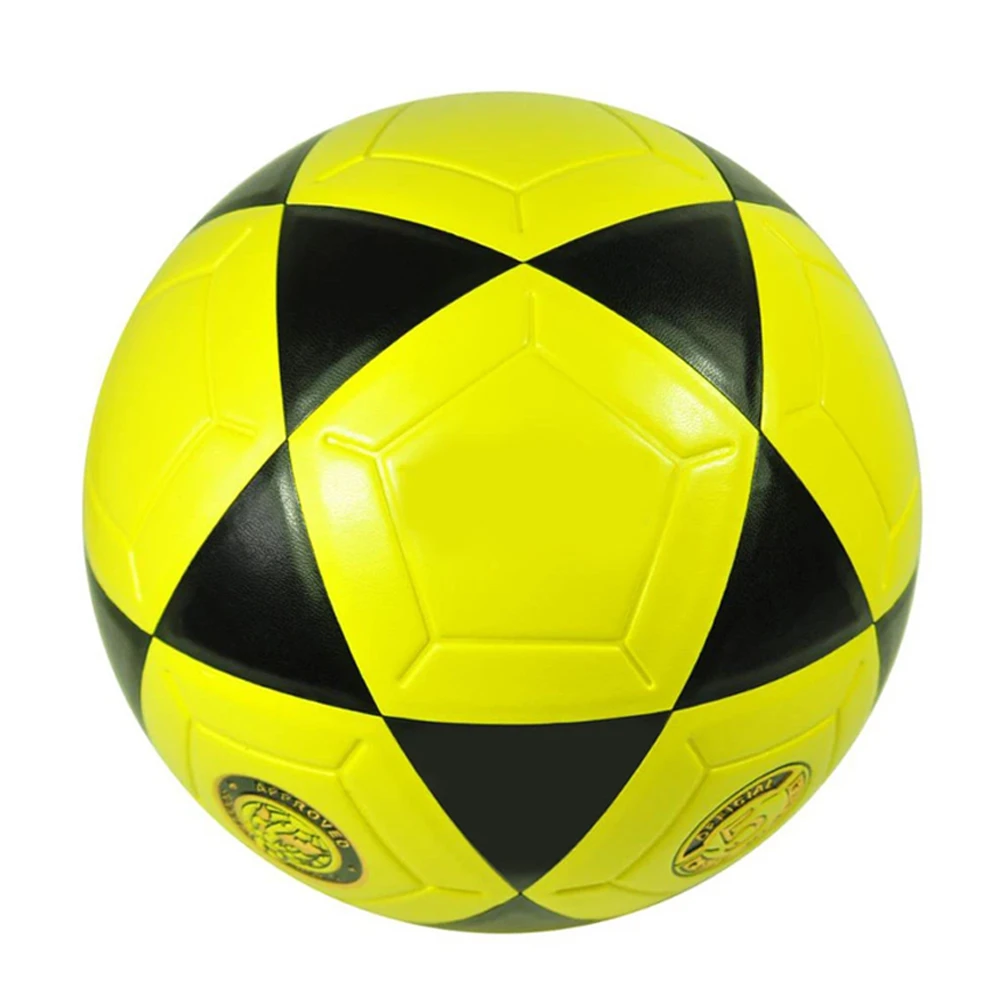
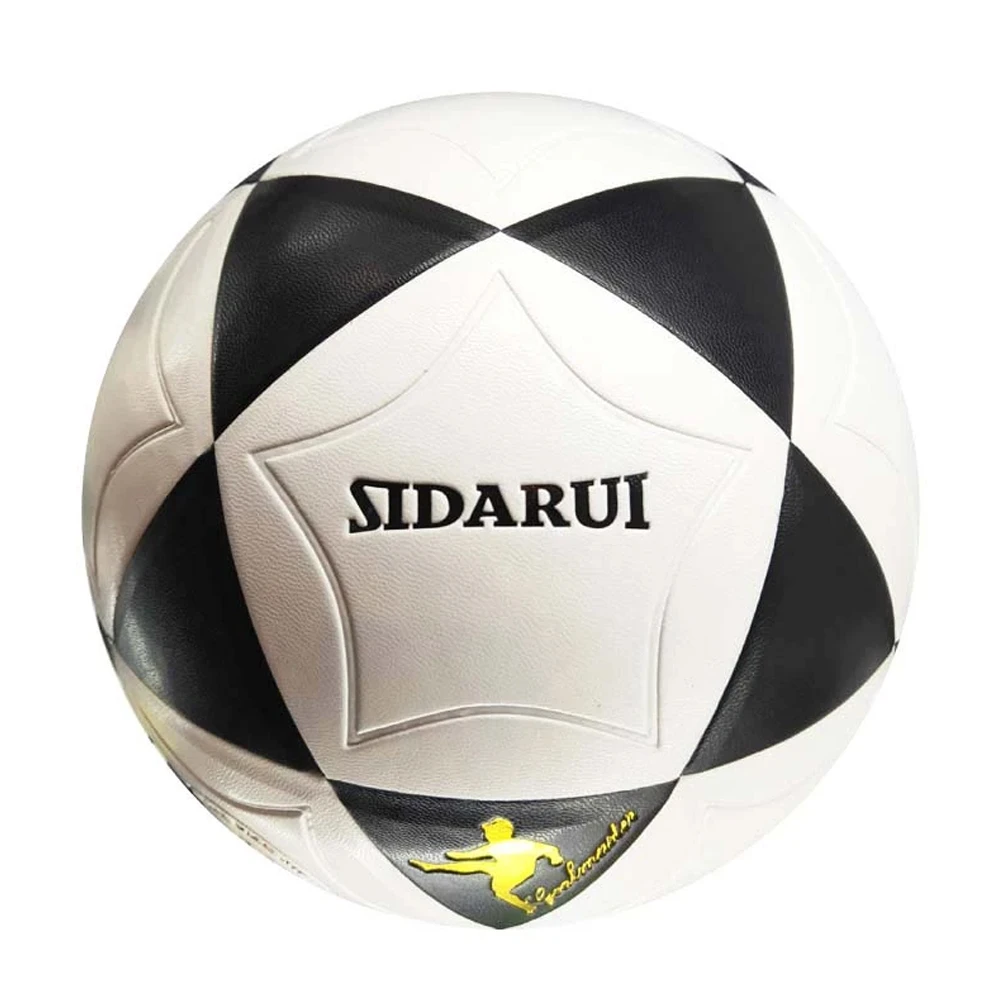
Starry's rubber football listings include size 4 options, although individual page titles and specification tables need to be read together carefully. Buyers should confirm the selected model's dimensions, weight, and intended use in the quotation before ordering.
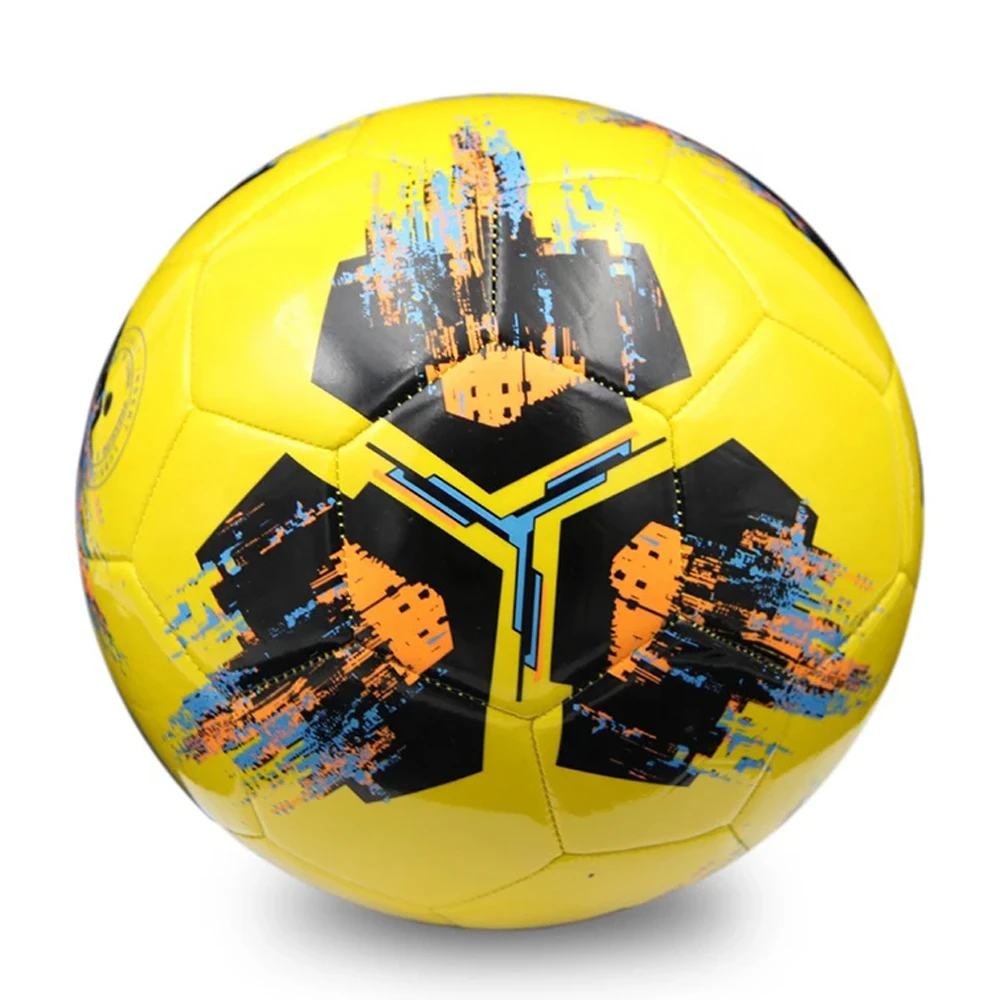
Check how different colors or printed versions affect minimum quantities and packing. A distributor supplying several academies may benefit from separate carton identification even when all customers buy the same construction. Compare the total cost of receiving and allocating the stock, including any sorting or repacking work. A small unit-price difference can be outweighed by an order configuration that fits the distribution network more closely.
Schedule Size 4 Soccer Ball Replenishment Before the Season Starts
Work backward from the date equipment must be available for training. Include time for specification confirmation, sample review, production, transport, receipt, and any necessary preparation. Ask the supplier for an order-specific schedule rather than relying on a general website statement.
Place an inventory review before that purchasing deadline. Check serviceable stock, planned group changes, equipment already on order, and transfers between locations. This gives the buyer a reasoned replenishment quantity and reduces the temptation to repeat last season's order automatically.
After distribution, review stock at a frequency appropriate to the program. Track which locations need repeated top-ups and investigate why. The cause may be enrollment growth, inadequate reserves, storage practices, or an unsuitable product specification. Each requires a different response.
The purchasing decision improves when quantity planning and product selection remain connected. A youth program needs the right ball for its confirmed requirements, enough ready for simultaneous sessions, and a replenishment process based on usable stock. With those elements in place, a bulk order supports training capacity instead of merely filling a storeroom before another season begins.