Apr . 14, 2026 14:44
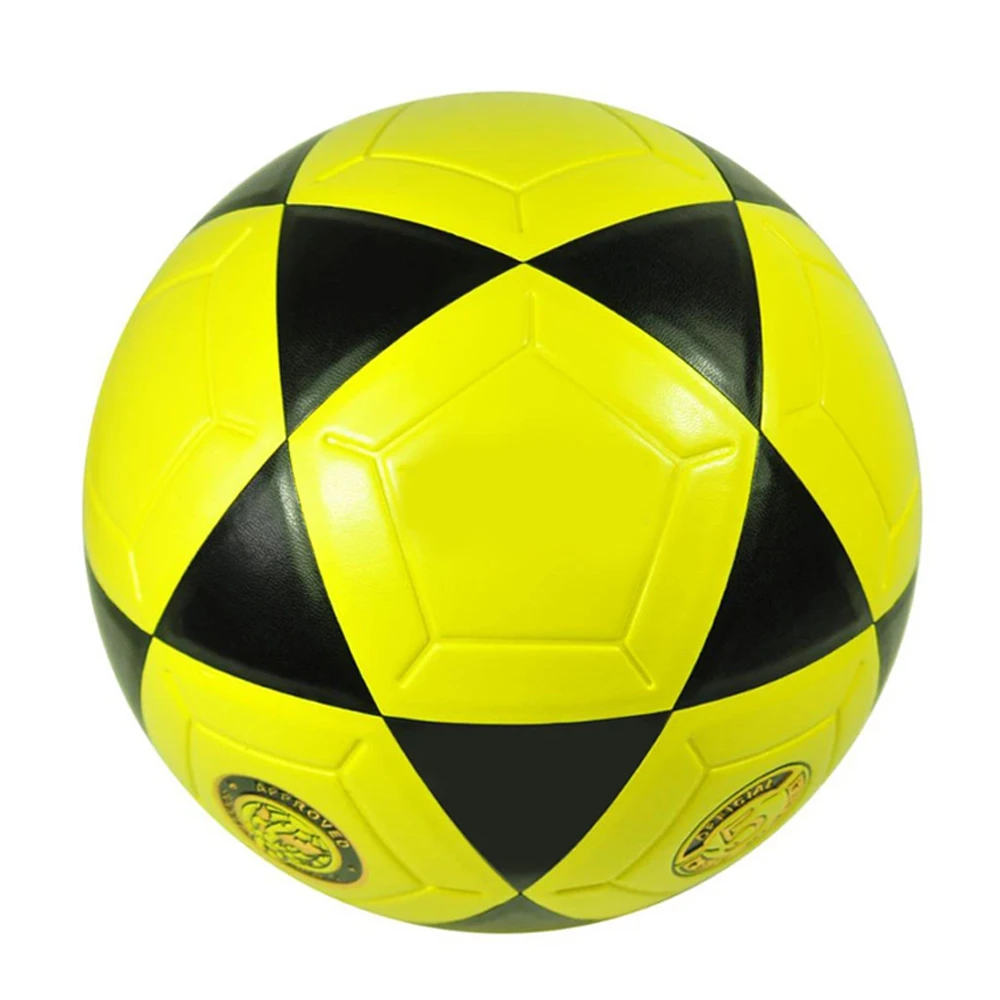
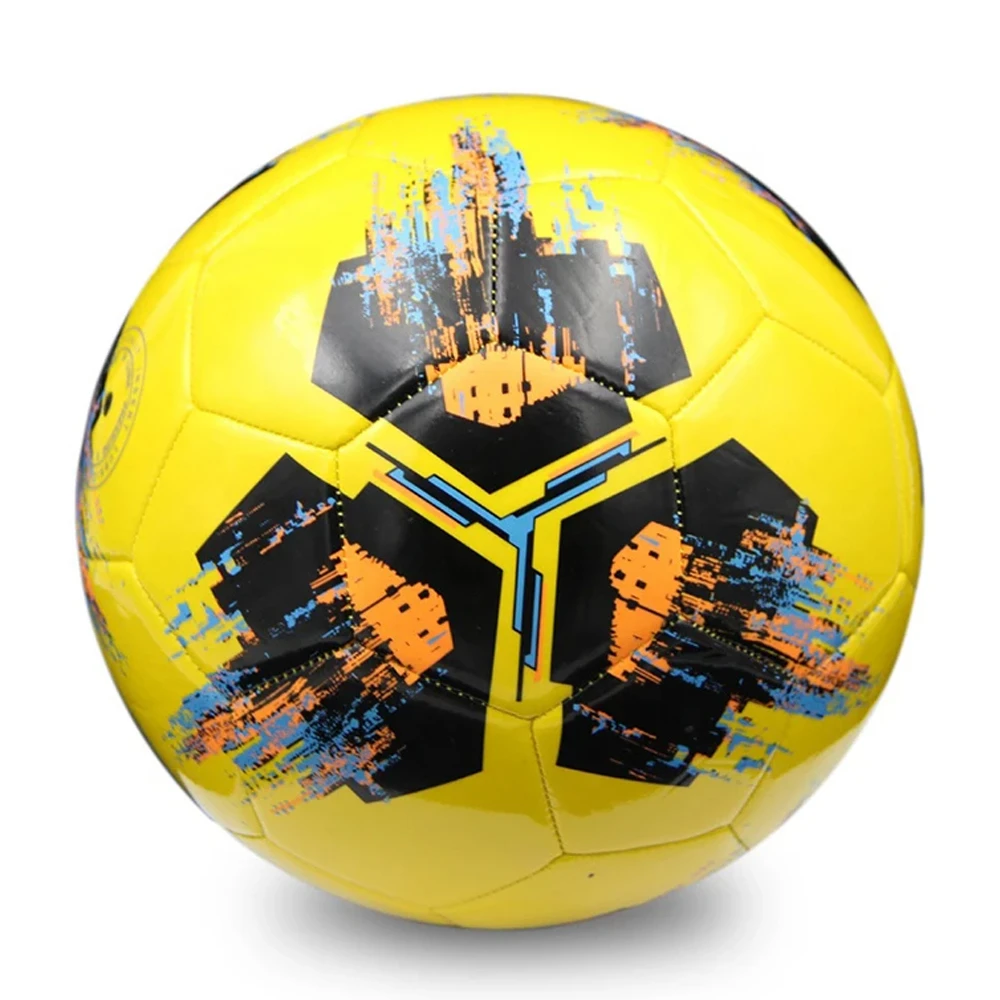
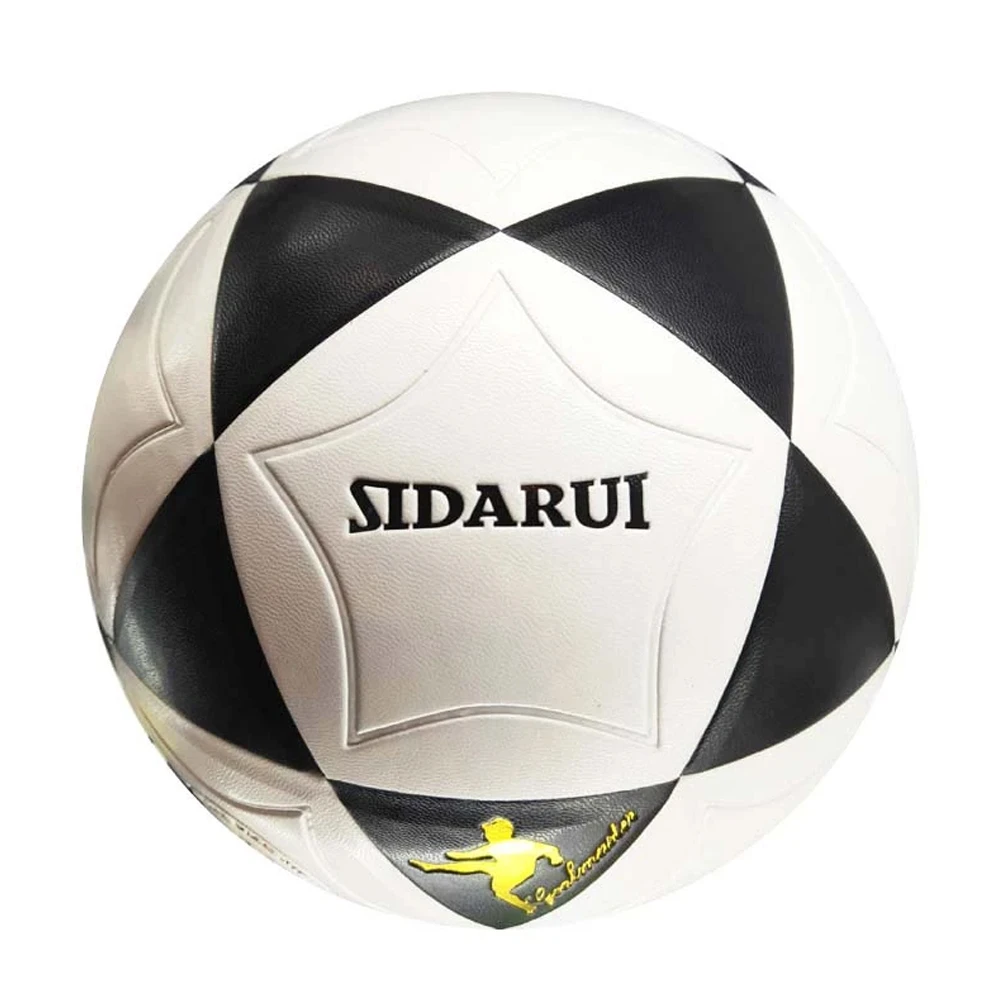
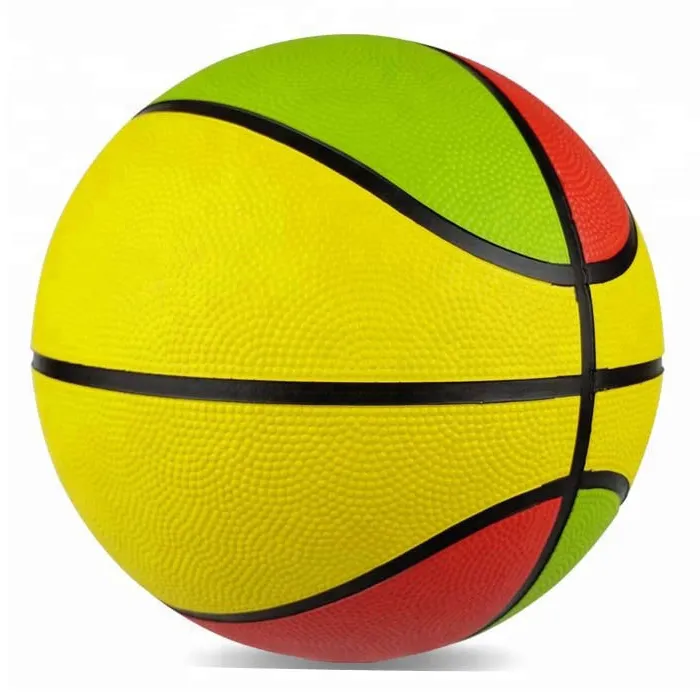
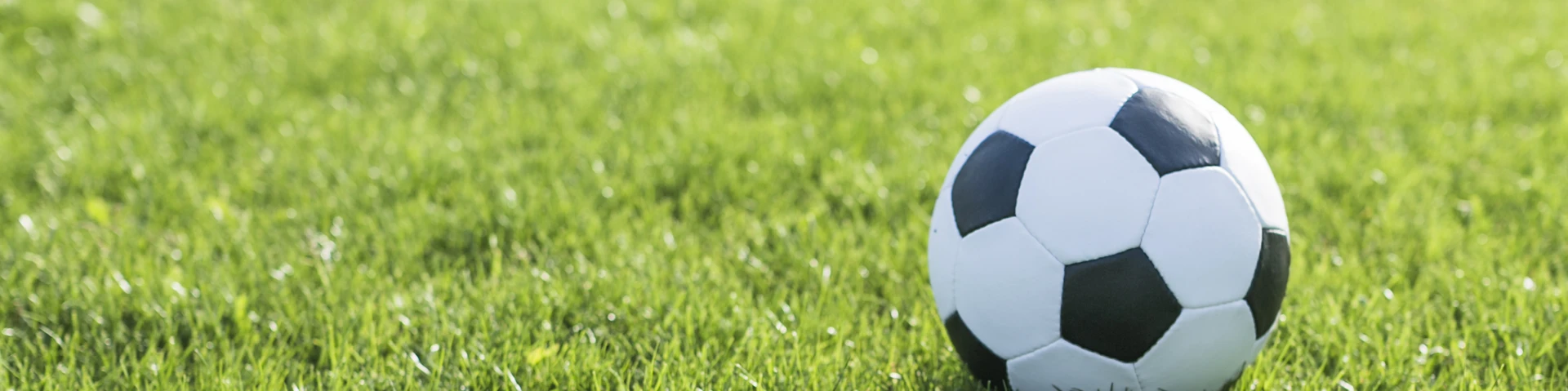
Rubber-based football products have become increasingly popular in schools, training fields, and recreational sports due to their durability, affordability, and versatility. Whether for children, beginners, or casual players, a rubber soccer ball or rubber football ball offers long-lasting performance even on rough surfaces. In this article, we explore everything from types and sizes to pricing and selection tips.
Why Rubber Soccer and Football Balls Are So Popular
One of the biggest reasons players and schools prefer a rubber soccer ball is its durability. Unlike traditional leather or PU balls, rubber materials can withstand rough outdoor environments, including concrete, grass, and gravel. This makes them ideal for training sessions, school sports programs, and casual neighborhood games.
A rubber football ball is also designed to maintain its shape even after extended use. This is especially important for beginners who may not yet have precise kicking control. The bounce and elasticity of rubber help improve ball control skills while reducing maintenance costs.
Another commonly searched variation is rubber soccer, which refers to soccer balls made entirely or partially from rubber materials. These balls are often water-resistant, making them suitable for rainy weather conditions or wet fields where traditional balls may absorb moisture.
For competitive training, many users look for the standard rubber football size 5, which is the official match size used in adult football games. Size 5 rubber balls are widely used in schools and amateur leagues because they balance weight, control, and durability.
Types, Designs, and Everyday Applications
Rubber football products come in multiple styles to suit different users. One popular option is the soccer ball rubber, which is a general term used for soccer balls made of rubber composite materials. These are often used for both indoor and outdoor practice sessions.
For younger players, the mini rubber soccer ball is especially popular. These smaller versions are perfect for children, beginners, or skill-training exercises that require close ball control. Their lightweight design allows players to improve dribbling and coordination without strain.
In professional training environments, rubber balls are often used for repetitive drills because they can handle intense usage without deforming. Coaches prefer rubber-based balls for passing exercises, shooting practice, and warm-up routines.
From school playgrounds to community sports centers, rubber footballs are also widely used in recreational matches. Their affordability and durability make them an excellent choice for bulk purchases, especially for institutions.
Pricing, Quality Factors, and Buying Considerations
When purchasing rubber footballs, price is often a key factor. The rubber football price varies depending on size, material quality, brand, and production process. Generally, rubber balls are more cost-effective compared to PU or leather alternatives.
Several factors influence pricing:
- Material thickness and rubber quality
- Stitching or molding technology
- Size category (mini, standard, or professional size 5)
- Surface texture for grip and control
- Brand reputation and production standards
For budget buyers, basic rubber models offer excellent value for everyday use. For more advanced training, slightly higher-priced options may provide better grip, improved aerodynamics, and longer lifespan.
Whether you are buying for a school, sports club, or personal use, it is important to compare durability and performance rather than focusing only on price.
Rubber football products have become essential tools in modern sports training due to their strength, affordability, and versatility. From a standard rubber soccer ball to a professional rubber football size 5, these products meet the needs of players at all levels. Whether you are choosing a mini rubber soccer ball for children or comparing rubber football price options for bulk purchasing, understanding the material and usage helps you make the best decision. Rubber-based balls continue to dominate the training market because they deliver consistent performance with minimal maintenance, making them a smart investment for both individuals and institutions.
FAQ: Rubber Soccer Ball and Rubber Football Ball Buying Guide
Frequently Asked Questions about Rubber Soccer Ball, Rubber Football Ball, and Rubber Soccer
1. What is a rubber soccer ball used for?
A rubber soccer ball is mainly used for training, school sports, and recreational play due to its durability and resistance to rough surfaces.
2. How is a rubber football ball different from a regular football?
A rubber football ball is more durable, water-resistant, and better suited for outdoor and practice use compared to leather or PU footballs.
3. What is the standard rubber football size 5?
The rubber football size 5 is the official adult match size, commonly used in professional games and competitive training sessions.
4. Is rubber soccer suitable for children?
Yes, rubber soccer balls are safe for children because they are soft, lightweight, and designed for easy control during practice.
5. What affects the rubber football price?
The rubber football price depends on material quality, size, brand, and manufacturing process, with bulk orders usually offering better value.