Sep . 04, 2026 17:30
Volleyball is a fast-paced and highly engaging sport played in schools, sports clubs, professional competitions, beaches, recreational facilities, and community centers around the world. Although volleyball may seem like a simple sport, the quality, size, material, construction, and design of the ball can significantly influence the playing experience. Choosing the right volleyball is therefore important for players, coaches, schools, clubs, retailers, and sports organizations.
Among the different options available on the market, the volleyball size 5 is one of the most widely recognized choices. A standard size 5 volleyball is designed for regular volleyball activities and is commonly selected for training, recreational games, and competitive play. However, size is only one factor to consider when purchasing a volleyball.
The outer material also has a major impact on the ball's touch, durability, appearance, and overall performance. PU is commonly used for volleyball covers because it can provide a relatively soft and comfortable surface. Construction methods such as machine stitching can also contribute to durability and consistent production.
At the same time, modern consumers increasingly value visual appeal and personalization. A colorful volleyball can make recreational activities more attractive, while a custom volleyball allows clubs, schools, brands, and businesses to create products with their own logos, colors, patterns, and artwork. Smaller products such as custom mini volleyballs can also be used for children's activities, promotional campaigns, and gifts.
Understanding these different options can help buyers select volleyball products that match their specific requirements.

Volleyball Size, Materials, and Construction
When selecting a volleyball, size is one of the first specifications buyers should consider. The volleyball size 5 is generally associated with the standard volleyball format and is widely used by older players, training programs, sports clubs, and competitive teams. Its dimensions and weight are designed to provide an appropriate balance between control, passing, serving, setting, and attacking.
For professional and organized volleyball activities, using a consistent ball size is important because players need to become familiar with the ball's weight, circumference, flight, and response. Coaches can use standard-sized volleyballs to help athletes develop techniques that can later be applied in formal matches.
The material used for the outer cover also affects performance. A pu volleyball uses polyurethane as its primary outer surface material. PU is popular in sporting goods manufacturing because it can provide a soft feel while maintaining good durability. Depending on the specific formulation and surface treatment, PU can also offer a comfortable grip that is useful for passing and setting.
Compared with some harder synthetic materials, PU can provide a softer touch. This characteristic can be particularly useful during repeated training sessions when players frequently contact the ball with their forearms, hands, and fingers.
However, material selection should always match the intended application. A volleyball designed for professional indoor play may have different material requirements from one designed for casual outdoor use. Buyers should consider factors such as playing environment, frequency of use, durability expectations, and budget.
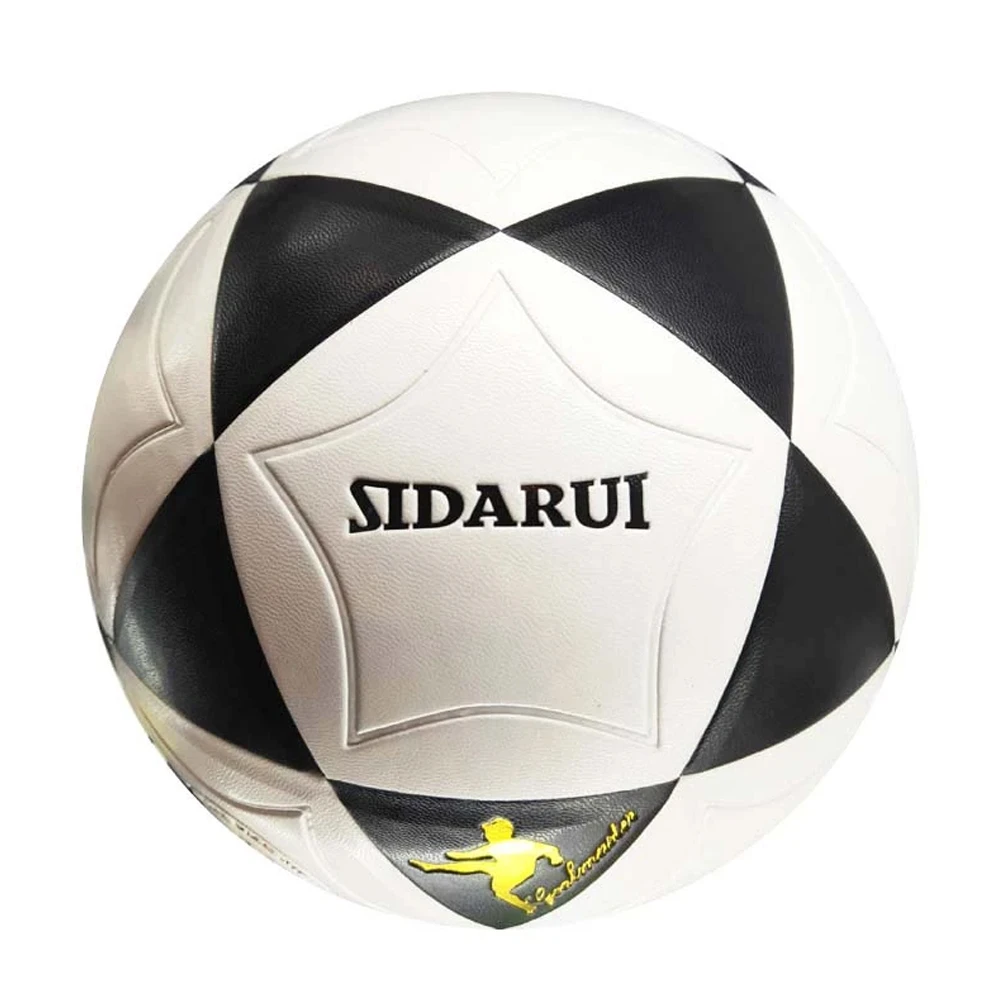
Construction is another important consideration. A machine stitched volleyball is produced using automated stitching equipment to connect the ball's panels. Machine stitching can support efficient large-scale production and provide consistent stitching patterns across multiple products.
For manufacturers and distributors, machine stitching can be particularly suitable for bulk orders because it allows a large number of volleyballs to be produced efficiently. Consistency in panel alignment, stitching density, and overall shape is important for maintaining stable product quality.
The number and shape of panels can also influence the appearance and characteristics of a volleyball. Manufacturers can develop different panel configurations to create distinctive designs while maintaining the desired spherical structure.
Quality control is essential throughout the production process. Manufacturers may inspect the volleyball's circumference, weight, roundness, air retention, stitching quality, surface finish, and overall appearance. These checks help ensure that finished products meet the agreed specifications.
For retailers, understanding these technical differences can make it easier to offer suitable products to different customer groups. A sports shop may carry standard size 5 volleyballs for clubs and schools, PU volleyballs for players looking for a softer surface, and recreational products with colorful designs for casual customers.
Colorful, Custom, and Personalized Volleyball Designs
Modern volleyball products are not limited to traditional colors and patterns. Visual design has become an important part of sports equipment, especially for recreational products, promotional merchandise, schools, clubs, and branded sporting goods.
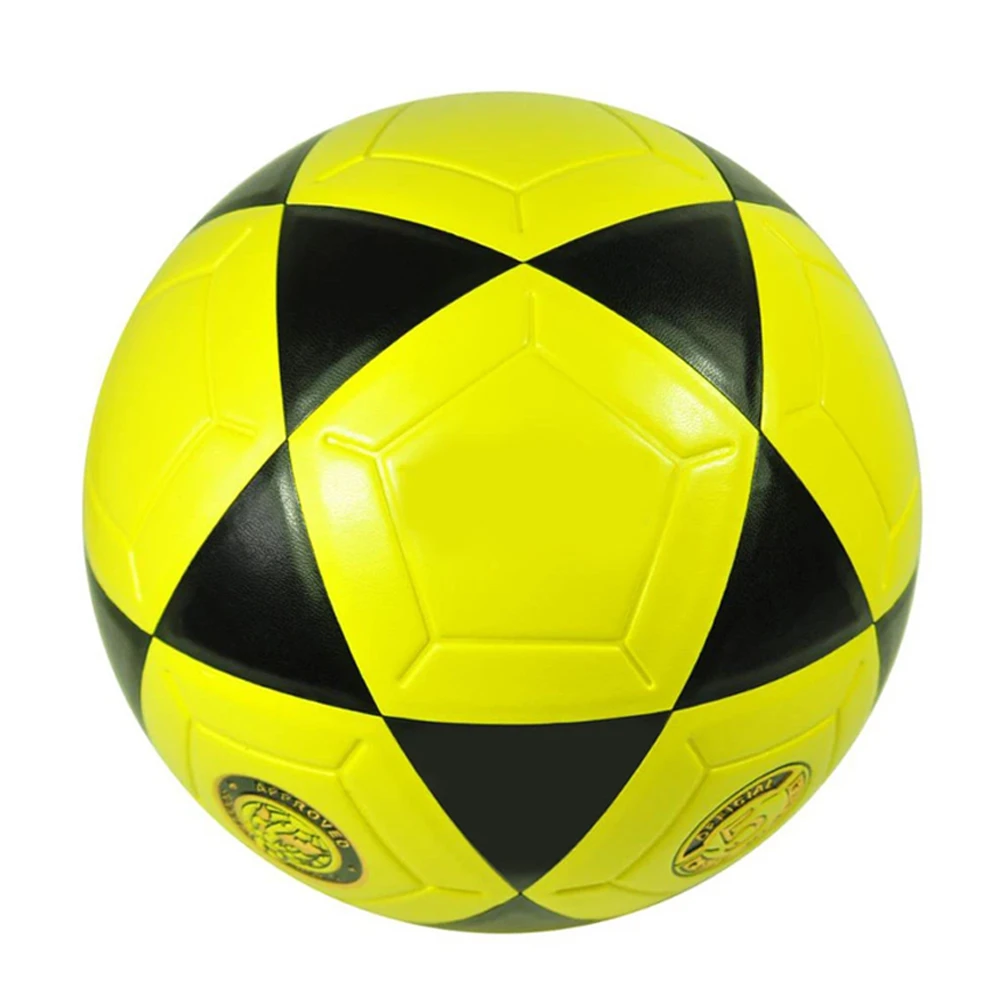
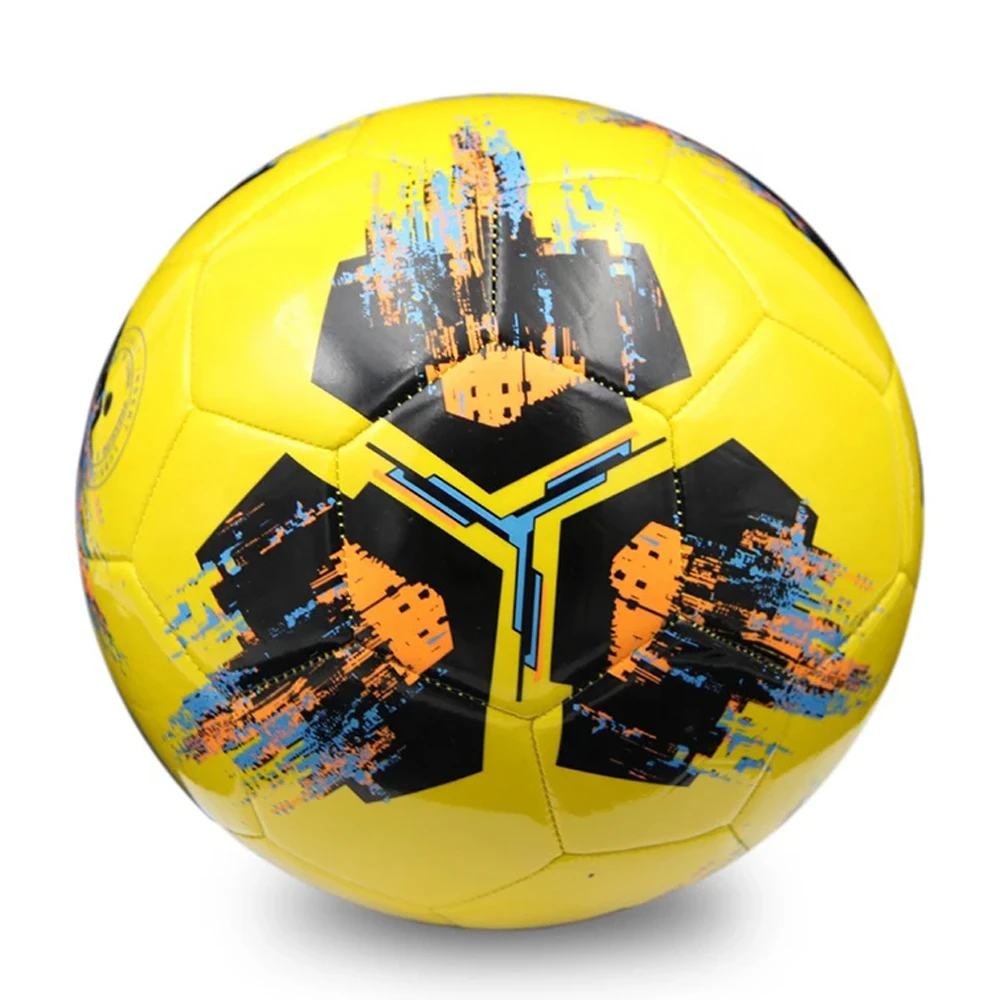
A colorful volleyball can create a more attractive and energetic appearance. Bright colors and contrasting graphics can make the ball visually distinctive and can be especially appealing to children, youth teams, recreational players, and promotional campaigns.
For sports brands, color can also become part of product identity. A company may develop a collection of volleyballs using specific brand colors, graphic patterns, or visual themes. Consistent design across different sports products can help strengthen brand recognition.
A custom volleyball takes this concept further by allowing customers to specify their own visual requirements. Clubs can add team logos and colors, schools can include mascots or school names, and businesses can incorporate corporate branding.
Customization can involve much more than simply printing a logo. Customers may select the base color, panel graphics, text, logo placement, artwork, packaging, and other visual details. This creates opportunities to develop volleyballs that are closely aligned with a specific organization or campaign.
A personalized volleyball can be particularly suitable for special occasions and individual customers. Names, numbers, messages, photographs, or unique graphics can be incorporated into the design depending on the manufacturer's printing capabilities.
Personalized volleyballs can be used as gifts for players, commemorative products for tournaments, team awards, or special merchandise. A team could create volleyballs featuring player names and numbers, while an event organizer could produce limited-edition products featuring the event name and date.
For businesses, personalized volleyballs can also serve as promotional products. A branded volleyball can be distributed during sports events, trade shows, community programs, school activities, or marketing campaigns. Because the product is functional and reusable, it can provide repeated brand exposure.
Another interesting category is custom mini volleyballs. Mini volleyballs are smaller than standard products and can be designed specifically for children, recreational activities, promotional purposes, or decorative use. Their compact size can make them easier to handle and convenient for promotional distribution.
Mini volleyballs can also be customized with company logos, team graphics, slogans, or colorful patterns. Businesses may use them as promotional gifts, while sports organizations can provide them as souvenirs or event merchandise.
When developing customized volleyballs, artwork preparation is important. Customers should provide high-resolution logos or graphics and communicate their preferred colors and positioning clearly. Manufacturers may provide digital proofs or samples before mass production so customers can review the final design.
Packaging can also be customized. Individual boxes, printed bags, labels, cartons, or promotional packaging can be developed to complement the volleyball design. A coordinated ball and packaging design can create a more professional retail presentation.
How to Select the Right Volleyball for Different Applications
The best volleyball depends on the intended user, playing environment, frequency of use, and product purpose. For organized volleyball activities, the volleyball size 5 is a practical starting point because it provides the standard size required for many training and competitive applications.
For clubs and sports academies, durability and consistent performance are particularly important. These organizations may use volleyballs frequently, meaning the products need to withstand repeated impacts, serves, spikes, and defensive plays. A well-made machine stitched volleyball can provide a practical balance between manufacturing efficiency and durability.
Material selection is equally important. A pu volleyball can be a suitable choice for players who prefer a relatively soft and comfortable surface. PU construction can provide a pleasant touch during passing and setting while maintaining an attractive appearance.
Schools may prioritize durability, affordability, and easy maintenance. If volleyballs are being used by beginners, students, or large groups, purchasing products designed for frequent training can help reduce replacement costs.
For recreational activities, appearance can be an important factor. A colorful volleyball can create a lively atmosphere during school activities, beach games, community events, and casual matches. Bright designs may also appeal to younger players and families.
Businesses and sports brands may place greater emphasis on customization. A custom volleyball can be designed around a company's visual identity or marketing campaign. Before ordering, buyers should confirm minimum order quantities, available materials, printing methods, customization options, packaging, and production timelines.
A personalized volleyball can be ideal when the product is intended for a specific team, individual, or event. Customers should provide accurate artwork and carefully check spelling, logos, colors, and other details before mass production.
For promotional campaigns, custom mini volleyballs can provide an alternative to standard-sized products. Their smaller format may make them convenient for giveaways, souvenirs, advertising events, and children's activities.
Buyers sourcing volleyballs from manufacturers should also evaluate quality-control systems and production experience. Important product specifications may include size, weight, circumference, material, bladder type, panel structure, stitching method, surface texture, inflation pressure, and applicable playing environment.
Ordering samples before a large production run is often a useful step. A sample allows buyers to evaluate the ball's shape, surface feel, rebound, air retention, stitching, printing quality, and overall appearance. Any problems can then be corrected before mass production begins.
For international distributors, OEM and ODM services can provide additional flexibility. A manufacturer with strong customization capabilities may be able to produce different sizes, materials, colors, designs, and packaging options according to the customer's requirements.
The volleyball market continues to evolve as consumers seek products that combine performance, durability, visual appeal, and personalization. A standard volleyball size 5 remains an important choice for organized play, while products such as PU volleyballs and machine-stitched volleyballs provide different construction options.
At the same time, colorful and customized products are opening new opportunities for sports brands, schools, clubs, retailers, and promotional companies. From a visually attractive colorful volleyball to a fully personalized volleyball, customized sporting equipment can help organizations build stronger identities and create more memorable products.
Whether the goal is professional training, school sports, recreational activities, retail distribution, or promotional marketing, selecting the right combination of size, material, construction, and design is essential. With reliable manufacturing and thoughtful customization, volleyball products can meet a wide range of player and business needs while delivering lasting value.