By  Hebei Starry Sports Goods Co, Ltd - Export & Production Specialist
When you're sourcing soccer balls for retail, a sports league, or even for OEM/ODM custom production runs, the seemingly simple aspect of "size" is paramount. It's not just about a number; it dictates how the ball interacts with players, its suitability for different age groups and skill levels, and ultimately, its performance on the pitch. For men's soccer, specifically, there's a standard that governs play at nearly all competitive and recreational levels. Understanding this standard, and the nuances around it, is crucial for procurement managers, distributors, and anyone involved in the international trade of sporting goods. We're talking about the Size 5 soccer ball.
In the global football market, which Mordor Intelligence projects to reach USD 9.97 billion by 2031, the Size 5 ball is the undisputed leader, holding over 51% of the market share. This isn't a coincidence. It's a result of decades of standardization by governing bodies like FIFA, ensuring consistency from grassroots games to the World Cup finals. However, even within the "Size 5" category, there are manufacturing variables that impact feel, durability, and flight characteristics. For buyers looking to secure high-quality stock or develop custom product lines, delving into these details is where true value is unlocked.
Consider the procurement process from an international perspective. You're not just buying a product; you're entering into a supply chain relationship. As a supplier located in Hebei, China, we've seen firsthand how critical it is for our international clients to have a clear understanding of specifications. A mismatch in expectations regarding size, weight, or material can lead to significant logistical and commercial headaches down the line. That's why we prioritize transparency and detailed product information. We aim to equip you with the knowledge to make informed decisions, whether you're a large distributor seeking container loads or a specialized retailer looking for unique custom-branded balls.
The soccer ball market itself is dynamic. Business Research Insights estimates it could grow to USD 7.41 billion by 2035, with a significant portion of this growth driven by innovations in thermally bonded PU/TPU materials and increased popularity in emerging markets. These trends often intersect with the specific requirements of Size 5 balls, as they are the go-to for professional matches and serious training. When you factor in the various applications – from official match play requiring FIFA Quality Pro certification to durable training balls built for countless hours on artificial turf – the importance of specifying the correct size and construction becomes evident.
Furthermore, understanding the target audience for these balls is key. While "men's soccer ball size" technically refers to the standard for adult male players (typically 15 years and older), it's also the size used in many women's and youth competitive leagues. This broad application reinforces its market dominance. For wholesale buyers, this means a consistent demand across multiple distribution channels. However, it also means competition is fierce. Differentiating your offering through quality, consistent sizing, and reliable supply is where a partner like Hebei Starry Sports Goods Co, Ltd can make a difference. We understand the technical specifications, the manufacturing processes, and the logistical challenges of getting quality balls from our factory floor to your warehouse.
In essence, the size of a soccer ball is the first layer of specification. It’s the gateway to understanding its intended use, performance characteristics, and compliance with international standards. This page aims to provide a comprehensive overview, moving beyond just the number to explore the practical implications for procurement professionals and B2B buyers in the international trade landscape. We'll cover the official specifications, delve into material science, discuss manufacturing techniques, and offer insights into how to source effectively. Let’s ensure your next order of men's soccer balls is a perfect fit for your business needs and your customers' expectations.
When we talk about "men's soccer ball size," we are almost universally referring to FIFA's standard for a Size 5 ball. This is the official size used in senior competitions worldwide, including professional leagues, international tournaments, and most adult recreational play. For procurement managers, these specifications are non-negotiable when sourcing match-quality balls or standard training equipment for adult leagues.
Here are the key dimensions and weight requirements as set by FIFA and other governing bodies:
| Specification | Standard Range | Note |
|---|---|---|
| Circumference | 27 to 28 inches (68 to 70 cm) | The most critical dimension. |
| Weight | 14 to 16 ounces (410 to 450 grams) | At the start of the match. |
| Diameter | Approximately 8.6 to 8.9 inches (21.9 to 22.6 cm) | Derived from circumference. |
| Pressure | 8.5 to 15.6 psi (0.6 to 1.1 bar) | The recommended inflation pressure. |
professional soccer ball size soccer ball size official soccer ball size
When sourcing, always confirm that the balls meet these exact specifications. Minor deviations, especially in weight and circumference, can affect the ball's flight trajectory and how players perceive its performance. For wholesale orders, specifying these parameters in your purchase order is vital to avoid discrepancies upon delivery. Global market reports consistently highlight Size 5 balls as the dominant segment, with demand driven by organized play. For instance, the U.S. ball sports goods market sees consistent demand for Size 5 soccer balls driven by school athletics and recreational play.
The external casing of a soccer ball is its first line of defense against wear and tear, and its primary interface with the player's foot. The choice of material significantly impacts durability, water resistance, feel, and price point. For Size 5 balls intended for men's play, the most common materials you'll encounter are Polyurethane (PU) and Polyvinyl Chloride (PVC).
Polyurethane (PU):
Polyvinyl Chloride (PVC):
For wholesale buyers, understanding the trade-offs between PU and PVC is essential for stocking the right products for different market segments. A common procurement mistake is assuming all synthetic balls offer similar performance. At Hebei Starry Sports Goods Co, Ltd, we offer both PU and PVC options, allowing you to tailor your inventory to your specific market needs and price points. We can guide you on the best material for your target application, whether it's for a professional league demanding FIFA Quality Pro certified PU balls or a budget-conscious retailer needing durable PVC training balls.
The way the panels of a soccer ball are joined together is another critical factor influencing its performance, durability, and price. The two primary methods used for Size 5 balls are traditional stitching and modern thermal bonding.
Hand-Stitched / Machine-Stitched:
Thermally Bonded:
When selecting suppliers or specifying custom orders, the construction method is as important as the material. We specialize in advanced thermally bonded construction for our premium Size 5 soccer balls, ensuring optimal performance for our international clients. This technology is crucial for any buyer looking to offer balls that meet the highest standards for flight stability and durability. It’s a key factor differentiating high-performance equipment in a competitive market.
While the Size 5 designation ensures the ball is appropriate for adult men's soccer (and many women's and older youth leagues), its intended application can vary widely. This impacts the specific construction and material choices a buyer should prioritize.
Official Match Balls:
Training Balls:
Recreational/Casual Balls:
Specialty Balls (e.g., Futsal, Street Soccer):
Understanding these different application segments allows you to align your sourcing strategy with your market. For example, a distributor supplying to professional clubs will demand FIFA-certified match balls, while a retailer catering to youth recreational leagues will focus on durable, cost-effective training balls. Hebei Starry Sports Goods Co, Ltd can produce balls tailored to each of these categories, ensuring you have the right product for every segment of the market. The global ball sports equipment market, projected to reach USD 105.57 billion by 2034, shows that breadth of offering is key.
Sourcing soccer balls internationally, especially for large B2B orders, involves more than just selecting a product. It requires due diligence, clear communication, and understanding potential risks. Here are key considerations for procurement managers:
Supplier Verification:
Quality Control (QC):
Lead Times and Production Capacity:
Logistics and Shipping:
OEM/ODM Services:
Navigating international procurement requires a proactive approach. By partnering with experienced manufacturers who prioritize transparency and quality, like us at Hebei Starry Sports Goods, you can significantly mitigate risks and secure a reliable supply of men's soccer balls that meet your exact specifications.
At Hebei Starry Sports Goods Co, Ltd, we pride ourselves on being more than just a manufacturer; we are a partner dedicated to delivering high-quality sports equipment that meets global standards. Located in Xingji Town, Cangzhou City, our strategic position near major transport routes, including Tianjin Port, facilitates efficient international logistics.
Our Capabilities:
We are committed to innovation and customer satisfaction. Our experienced team of export managers and technical specialists are ready to assist you in selecting the right products, optimizing your orders, and ensuring a smooth procurement process.
A: The standard size for men's soccer balls (for players aged 15 and above) is officially designated as Size 5. This size is defined by specific circumference (68-70 cm) and weight (410-450 grams) parameters set by FIFA.
A: Yes. While it's the standard for men's senior play, Size 5 is also commonly used by women's senior teams and in older youth competitive leagues (e.g., U13 and above). For younger age groups, smaller sizes like Size 4 or Size 3 are recommended.
A: PU (Polyurethane) balls generally offer a softer touch, better feel, superior water resistance, and longer durability, making them ideal for match play. PVC (Polyvinyl Chloride) balls are more cost-effective, harder, and often used for training or recreational purposes, though they can be very durable. The choice depends on the intended use and budget.
A: For performance and durability, yes. Thermally bonded balls are nearly seamless, providing better sphericity (roundness), reduced water uptake, a softer touch, and a more consistent flight path. Stitched balls, especially PVC ones, are typically more affordable but less precise in flight and can be more prone to wear at the seams.
A: Correct inflation is crucial for performance. The recommended pressure for Size 5 balls is typically between 8.5 and 15.6 psi. Over-inflating can make the ball too hard and prone to damage, while under-inflating affects its flight and responsiveness. Always check the ball's specifications for the recommended range.
A: FIFA Quality Pro is the highest certification for match balls. Balls with this mark have undergone rigorous testing by FIFA to ensure they meet exact standards for weight, circumference, rebound, water absorption, shape and size retention, and aerodynamic performance. This is essential for official matches.
We understand the intricacies of international sourcing and the critical importance of product specifications. Partner with Hebei Starry Sports Goods Co, Ltd for reliable, high-performance Size 5 soccer balls that meet global standards.
WELCOME TO INQUIRE


LATEST NEWS
Crafted with precision and care, our soccer ball features a durable rubber core that ensures excellent bounce and resilience. The rubber material is not only lightweight but also provides the ideal amount of grip, allowing players to control the ball with ease. This means you can focus on perfecting your shots, passes, and tricks without worrying about the ball slipping away from you.
26,04 , 2026
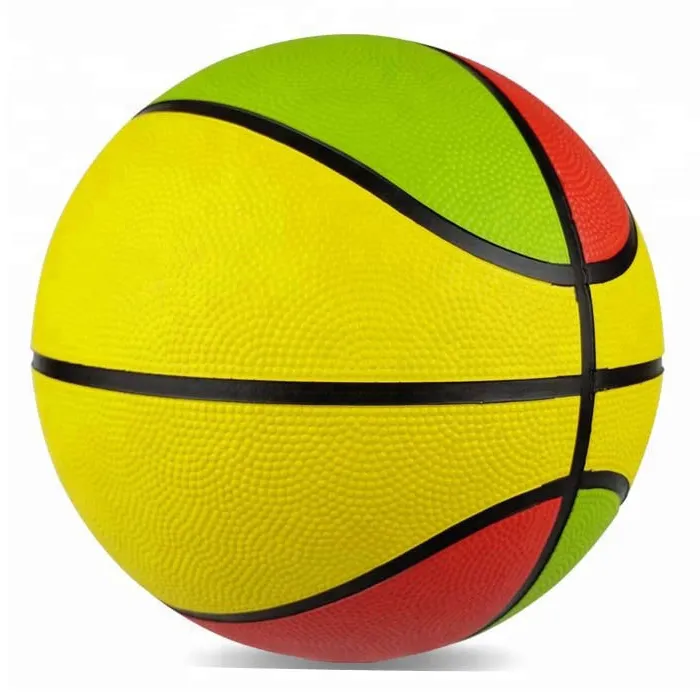
Custom Mini Basketball Ball for Branding and Promotional Use
In today’s competitive marketplace, brands are constantly searching for creative, cost-effective way
READ MORE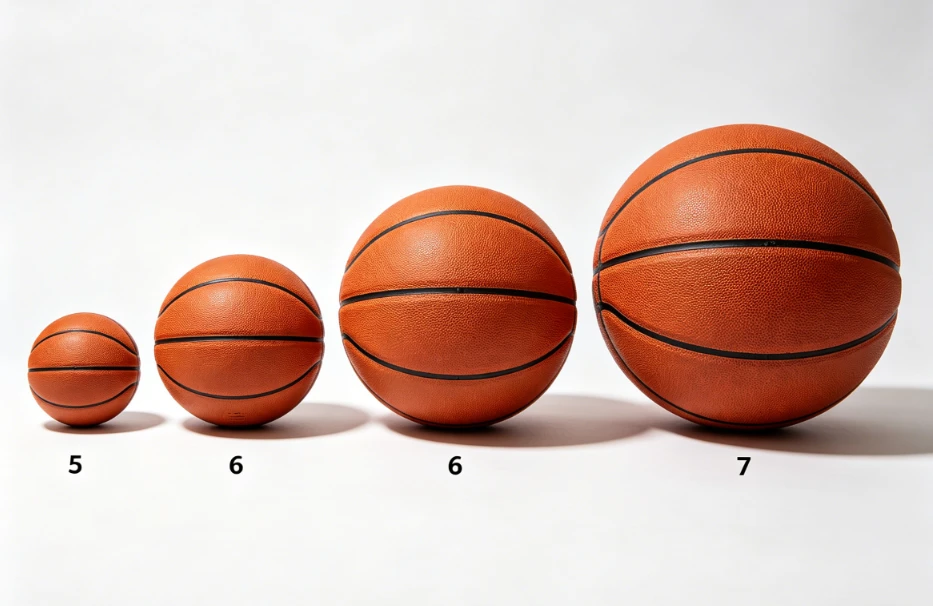
24,04 , 2026
Size Guide for Basketballs Wholesale: From Youth to Professional
Choosing the right basketball size is one of the most important decisions for wholesalers, sports eq
READ MORE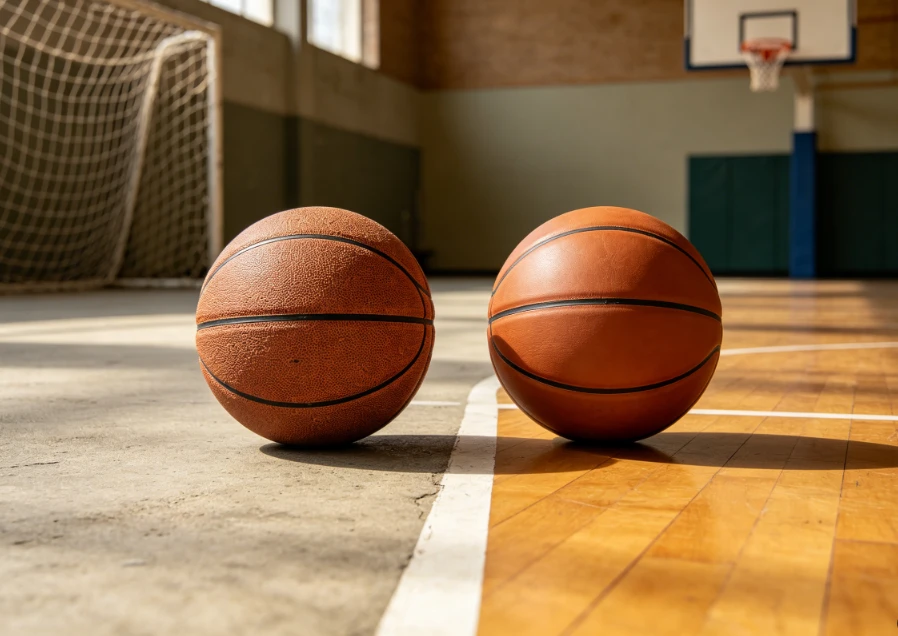
23,04 , 2026
Outdoor vs Indoor Basketballs Wholesale: Key Differences
When sourcing basketballs in bulk, understanding the difference between outdoor and indoor models is
READ MORE