
 By: Alex Chen, Export Director
The "new ball for the World Cup" isn't just a piece of sporting equipment; it's an icon, a focal point of global attention, and a critical component that influences gameplay at the highest level. For procurement professionals, distributors, and sports retailers, understanding the nuances behind these high-demand items is key to staying ahead in a competitive market. It’s about more than just the logo; it’s about engineering, materials, and the promise of consistent performance under immense pressure. The anticipation surrounding a new official match ball builds long before the first whistle blows, driven by advancements in technology and a desire to enhance the beautiful game. For us at Hebei Starry Sports Goods, this signifies a surge in demand for high-quality, reliable, and performance-driven balls that can meet both professional and enthusiast expectations.
Globally, the football (soccer) market is substantial and growing. Mordor Intelligence reports indicate the global football market was valued at approximately USD 8.47 billion in 2025, projected to reach USD 9.97 billion by 2031, with a CAGR of 2.77%. Size 5 balls, the standard for professional play, dominate with over 51% of the market share. Business Research Insights suggests an even more robust growth trajectory for soccer balls, estimating the market at USD 3.32 billion in 2026 and projecting it to reach USD 7.41 billion by 2035, with a CAGR of 9.32%. This expansion is fueled by burgeoning global participation, the increasing prominence of youth and women's football programs, and the inherent excitement generated by major international tournaments. The demand for advanced construction techniques, like thermally-bonded panels, and the integration of sensor technology are becoming increasingly significant drivers, especially in mature markets. We see this trend not just in soccer but across other major ball sports, reflecting a universal push for better performance and data integration.
As a manufacturer deeply embedded in the sports goods industry since 2014, Hebei Starry Sports Goods Co., Ltd. understands the intricate supply chain demands that accompany such high-profile product launches. We recognize that "new" doesn't just mean a fresh design. It signifies innovation in aerodynamics, consistent flight paths, improved touch, and enhanced durability. These are not arbitrary features; they are the result of meticulous research, advanced material science, and precision manufacturing. When clients approach us for their "new ball for World Cup" supply needs, they are looking for a partner who can deliver on these technical promises, ensure consistent batch quality, and manage the complexities of international trade. The sheer volume of interest, particularly around major tournament cycles, means that reliable sourcing is paramount. For distributors and retailers, having access to authentic, high-performance balls can translate directly into increased sales and customer loyalty. The market is segmenting, with a growing demand for premium, high-performance balls alongside a consistent need for high-quality training and recreational options.
Consider the procurement perspective: buyers are not just looking for a product; they are seeking a solution. This includes managing lead times, ensuring compliance with international standards (like FIFA Quality Pro, where applicable), and verifying the ethical and operational integrity of their suppliers. The shift towards sustainable materials and manufacturing processes is also an increasingly important factor influencing purchasing decisions. Our experience, spanning over 80% of global regions with a total revenue exceeding 30 million in 2023, has equipped us with a deep understanding of these diverse market requirements. We've navigated the logistics of delivering millions of balls annually, from volleyballs and basketballs to our core offering, footballs. This page is designed to provide you, the discerning buyer, with the insights needed to confidently source your next batch of high-performance sports balls, especially those tied to the prestige of global tournaments.
The global demand for sports balls, particularly footballs, is influenced by several interconnected factors. Major international tournaments, like the FIFA World Cup, act as significant catalysts, not only driving immediate sales of official match balls and replicas but also boosting overall interest and participation in the sport. This creates a ripple effect throughout the supply chain, from manufacturing hubs to retail shelves. Verified Market Research highlights that the soccer ball market was valued at USD 3.30 billion in 2024, projected to reach USD 4.15 billion by 2032, with a CAGR of 3.9%. While this figure might seem modest compared to some projections, it underscores a stable and substantial market. The key takeaway for procurement professionals is the consistent, albeit varied, demand.
The growth drivers are multifaceted. Firstly, rising global participation across all age groups and genders is fundamental. Youth development programs and school sports initiatives are creating new generations of players and consumers. Secondly, major tournaments like the World Cup, European Championships, and continental cups capture global attention, spurring demand for related merchandise. Thirdly, advancements in e-commerce have broadened market reach, allowing specialized manufacturers and distributors to connect directly with a wider customer base, bypassing traditional retail limitations. Dataintelo forecasts the global soccer balls market to expand from USD 2.5 billion in 2023 to USD 5.8 billion by 2032, with a CAGR of 9.6%, indicating a strong growth outlook driven by these factors. This presents an opportunity for suppliers who can offer a diverse range of products meeting various performance and price points.
For buyers, navigating this landscape requires a strategic approach. Understanding the different market segments is crucial: professional match balls, training balls, recreational balls, and specialized indoor or futsal balls. Each segment has distinct material requirements, construction methods, and price points. The increasing popularity of beach volleyball, for instance, fuels demand for specialized volleyballs. Similarly, growth in basketball participation globally, supported by strong leagues like the NBA, drives the basketball ball market. WiseGuyReports estimates the global basketball balls market at USD 2,007.3 million in 2024, expected to reach USD 3,800 million by 2035, with a CAGR of 6.0%. Your ability to secure a reliable supply of high-quality balls across these segments can significantly enhance your market position.
Furthermore, innovation plays a pivotal role. The integration of smart technologies, such as sensors for performance tracking, is a growing trend in premium segments. However, the bulk of the market still relies on advancements in materials and construction, such as thermally-bonded panels for improved sphericity and reduced water absorption, and advanced PU (polyurethane) or TPU (thermoplastic polyurethane) materials for enhanced durability and feel. Intel Market Research notes that the global football & soccer balls market was valued at USD 822 million in 2024, projected to reach USD 990 million by 2034 at a CAGR of 2.8%. While this CAGR is lower, it reflects the mature nature of certain segments, where innovation often focuses on subtle performance enhancements and sustainability rather than disruptive changes. For us, this means continuously investing in R&D to refine our manufacturing processes and material sourcing, ensuring we can meet these evolving demands.
At Hebei Starry Sports Goods, we position ourselves to capitalize on these dynamics. Our established presence in the foreign trade market since 2016, coupled with our comprehensive product lines, allows us to cater to a broad spectrum of global buyers. We understand the strategic importance of securing a consistent supply chain, especially for products tied to high-profile events. By focusing on quality, competitive pricing, and efficient logistics, we aim to be your go-to partner for fulfilling your sports ball requirements, ensuring you have the right inventory to meet market demand.
The performance of a sports ball is a complex interplay of its construction, materials, and design. For a ball to be considered "World Cup quality," it must meet exceptionally high standards, ensuring predictable flight, optimal touch, and consistent behavior across varying pitch conditions and weather. The core of any high-performance ball lies in its bladder and its outer casing, along with the bonding method used to join the panels.
The Bladder: This is the inflatable core of the ball. Traditionally, bladders were made from latex or butyl rubber. Latex bladders offer excellent bounce and a softer feel, preferred by many professional players for their responsiveness. However, they tend to lose air more quickly and are more sensitive to temperature changes. Butyl bladders are superior at retaining air pressure and are more durable, making them a common choice for training and match balls where consistency over time is critical. The choice of bladder material significantly impacts the ball's feel and air retention capabilities.
Panel Construction: Modern high-performance balls typically feature between 14 and 32 panels. The shape and arrangement of these panels are meticulously designed to achieve optimal aerodynamics. The traditional 32-panel hexagon-pentagon design, while iconic, has largely been superseded in top-tier balls by designs with fewer, more geometrically complex panels. These newer designs, often featuring 4, 6, or 8 panels, create smoother surfaces with fewer seams, reducing air resistance and promoting a more stable, predictable trajectory through the air. This is crucial for players trying to anticipate the ball's movement.
Bonding Technology: This is arguably the most significant technological leap in ball manufacturing over the past two decades.
The FIFA Quality Pro standard, for instance, requires balls to undergo rigorous testing for weight, circumference, rebound, water absorption, air retention, and shape and size deviation. Achieving these standards is a testament to advanced engineering and manufacturing precision. For example, low water absorption is critical; a ball that becomes waterlogged can become significantly heavier and lose its aerodynamic properties. Intel Market Research points out that innovations in composite materials and aerodynamics are key trends in the football equipment market, supporting demand for match and training balls.
Understanding these technical specifications is vital for procurement. When you inquire about a "new ball for World Cup," you're likely referring to balls designed with these advanced technologies. At Hebei Starry Sports Goods, we invest heavily in state-of-the-art TSBE machinery and have perfected the processes to produce balls that meet or exceed international performance standards. Our export experience ensures we understand the specific certifications and quality markers required by different global markets.
The choice and quality of materials used in a sports ball are fundamental to its performance, durability, and feel. While the bladder is crucial for air retention, the outer casing is what players interact with directly. The evolution of these materials has been instrumental in transforming the game, enabling faster play, greater accuracy, and more predictable ball behavior.
Polyurethane (PU): This is the premium material of choice for high-end soccer balls, including official match balls. PU offers a superior touch, excellent durability, and good water resistance. Its properties allow for a softer feel compared to PVC, providing better grip and control for players. High-quality PU leather is designed to maintain its performance characteristics across a wide range of temperatures and conditions. The texture and thickness of the PU layer are carefully engineered to optimize ball control and flight stability. The Business Research Insights report on soccer balls highlights the growth in demand for thermally-bonded PU/TPU materials for better sphericity, water resistance, and durability.
Thermoplastic Polyurethane (TPU): Often used in conjunction with PU or as an alternative, TPU offers excellent abrasion resistance and durability. It's particularly effective in thermally-bonded constructions due to its fusion properties. TPU balls can provide a good balance of performance and longevity, making them suitable for both high-level training and match play. Brands often use specialized TPU formulations to achieve specific grip characteristics or water-repellent properties.
Polyvinyl Chloride (PVC): PVC is a more cost-effective material, commonly used in recreational and basic training balls. While durable and water-resistant, PVC generally offers a firmer feel and less sophisticated touch compared to PU. It's a practical choice for mass-market balls where price is a primary consideration, but it may not meet the exacting standards required for professional match play.
Synthetic Leather Variations: Beyond standard PU and TPU, manufacturers employ various proprietary synthetic leather blends. These can incorporate microfibers, specialized coatings, and unique panel textures to enhance grip, reduce swerve, or improve durability. For example, some balls feature a textured surface on the PU panels to enhance water repellency and improve traction in wet conditions. The sourcing of these high-quality synthetic leathers is critical for manufacturers aiming to produce top-tier balls.
Foam Layers: Beneath the outer casing, a layer of foam (often EVA or other synthetic foams) is laminated. This layer is crucial for cushioning the impact of the player's foot, providing a softer feel, and contributing to the ball's rebound characteristics. The density and thickness of this foam layer are precisely calibrated to achieve the desired "touch" and responsiveness. A well-designed foam layer helps absorb shock, making the ball feel more "alive" and controllable.
As a manufacturer, Hebei Starry Sports Goods places immense importance on the sourcing and quality control of our raw materials. We partner with reputable suppliers to ensure that the PU, TPU, and other components we use meet stringent performance criteria. Our commitment to using high-grade materials is reflected in the durability and consistent performance of our balls, from training models to balls designed for professional competition. This focus on material science is a cornerstone of our ability to produce balls that stand up to the rigors of international play and satisfy the demands of global buyers.
Producing a high-performance sports ball is a complex industrial process that demands precision, quality control, and advanced manufacturing capabilities. At Hebei Starry Sports Goods, our factory in Cangzhou, Hebei, is equipped with modern machinery and staffed by experienced personnel dedicated to upholding the highest manufacturing standards. Our annual output of over 5 million sports balls is a testament to our production capacity and operational efficiency.
Design and Prototyping: The journey begins with design. Whether it's a custom OEM order or a new model based on market trends, our design team works to optimize panel shapes, material applications, and color schemes. Prototyping involves creating sample balls to test aerodynamics, touch, and durability. This iterative process is critical for refining the ball's performance before mass production.
Precision Cutting and Lamination: Panels are cut with high precision using automated cutting machines to ensure exact dimensions and shapes. These panels are then laminated with foam layers and backed with reinforcing materials. The lamination process is critical for consistency in feel and rebound. A flawless bond between the outer material, foam, and any internal reinforcing layers is essential for the ball's structural integrity.
Advanced Bonding Technologies: As discussed, thermal bonding (TSBE) is our go-to for high-performance balls. Our TSBE equipment allows us to create seamless panels that are durable, water-resistant, and perfectly spherical. This process requires precise control over temperature, pressure, and bonding time to ensure a strong, consistent seal across all seams. The efficiency of this process also contributes to faster production cycles and reduced waste compared to traditional methods.
Bladder Inflation and Sealing: The bladder is inserted into the panel casing, and the final panel is sealed. The ball is then inflated to a specific pressure. Ensuring the bladder is perfectly centered and that the final seal is airtight is crucial for maintaining correct air pressure and preventing leaks. Our team meticulously checks inflation levels and the integrity of the final seam.
Quality Control Stations: Throughout the manufacturing process, multiple quality control checkpoints are in place. From raw material inspection to in-line checks for panel alignment and bonding integrity, and finally, post-inflation tests for sphericity, weight, and rebound, every step is monitored. This multi-stage QC process minimizes the risk of defects reaching the final stage. Our commitment to quality is a core reason why our products are exported to Asia, Europe, and South America, receiving praise from professional athletes and sports industry insiders.
Sustainability and Efficiency: We are continuously exploring ways to improve our manufacturing efficiency and reduce our environmental footprint. This includes optimizing energy usage in our facilities, managing waste effectively, and exploring the use of more sustainable materials where feasible. Our strategic location near Tianjin Port further enhances our operational efficiency by simplifying logistics and reducing transit times for our export clients.
Our 67,000 square meter facility, housing 316 dedicated workers, is the engine behind our ability to meet large-scale orders reliably. This operational backbone, combined with our technical expertise, allows us to confidently take on projects requiring high-volume production of top-tier sports balls, including those destined for prestigious competitions.
For businesses looking to establish their brand presence or expand their product lines in the sports equipment market, partnering with a capable manufacturer for OEM (Original Equipment Manufacturer) or ODM (Original Design Manufacturer) services is often the most efficient and effective strategy. At Hebei Starry Sports Goods, we excel in providing these solutions, leveraging our established expertise and production capacity to bring your vision to life.
OEM: Your Brand, Our Manufacturing. In an OEM arrangement, you provide us with your specific designs, brand logos, and material requirements. Our role is to manufacture the product according to your exact specifications. This is ideal for brands that have a clear product concept and design language. We handle the entire manufacturing process, ensuring quality control, material sourcing, and timely production, all under your brand. This allows you to focus on marketing, sales, and brand building without the overhead of managing a manufacturing facility. For instance, if you have a specific design for a new tournament ball, we can produce it to your exact specifications, ensuring it carries your brand with pride.
ODM: Collaborative Design and Manufacturing. With ODM services, we offer a more integrated partnership. You can select from our existing product lines or work with our R&D team to customize existing designs. We can adapt our established models to meet your needs, incorporating your branding, specific material preferences, or performance adjustments. This is a highly efficient route for businesses looking to enter the market quickly or for those who want to leverage our design expertise and product development capabilities. For example, you might want a thermally-bonded soccer ball with a unique panel configuration or a specific colorway. We can guide you through the options, develop prototypes, and manage production, delivering a finished product that’s tailored to your brand and market. This approach minimizes design lead times and development costs.
Our Integrated Capabilities: Our foreign trade market entry in 2016, coupled with our establishment in November 2014, means we have a decade of experience navigating international market demands. Our total revenue of over 30 million in 2023 and customer coverage in 80% of global regions underscore our reliability and global reach. We possess the technical expertise, manufacturing infrastructure (including advanced TSBE machinery), and quality assurance systems necessary to produce balls that meet international standards, such as those required for professional play. Whether you need footballs, basketballs, or volleyballs, we can cater to your specific requirements.
Benefits of Partnering with Starry Sports:
For any business aiming to source new balls for major events or to bolster their sports equipment inventory, exploring our OEM/ODM services offers a tangible advantage. We are equipped to handle everything from custom designs for a "new ball for World Cup" style product to mass production of training gear, all while maintaining the quality and consistency your brand demands.
In the world of professional sports equipment, quality is not negotiable. A ball's performance on the pitch directly impacts the game, and for manufacturers like us, consistent quality is the bedrock of trust and reputation. At Hebei Starry Sports Goods, our Quality Assurance (QA) and Quality Control (QC) processes are integrated into every stage of production, ensuring that each ball leaving our facility meets rigorous international standards and client specifications.
Material Inspection: Our QA process begins with the raw materials. We conduct thorough inspections of all incoming materials, including PU/TPU exteriors, bladder materials (latex/butyl), foam laminates, and thread for stitching (where applicable). Suppliers are vetted to ensure they meet our quality benchmarks. Certificates of Analysis (COA) are often requested for critical components to verify compliance with industry standards and safety regulations (e.g., RoHS for materials). This initial step is crucial to prevent defects from entering the production line.
In-Process Quality Control: Throughout the manufacturing stages – cutting, lamination, panel bonding, and bladder insertion – our QC team performs regular checks. This includes verifying the precision of panel cuts, the uniformity of lamination, the integrity of the thermal bonding process (ensuring no weak spots or air leaks), and the correct placement of the bladder. Any deviation from specifications is immediately addressed, and production is halted if necessary to rectify the issue. This proactive approach helps maintain consistency across large production runs.
Final Product Testing: Before balls are packed for shipment, they undergo comprehensive final testing. This typically includes:
Certifications and Standards: We ensure our products comply with relevant international standards. For top-tier footballs, this often means aiming for FIFA Quality Pro certification, which involves rigorous independent testing. While not every ball produced needs this highest level, adherence to the principles behind these standards is paramount in our manufacturing ethos. Our commitment to quality has earned us the trust of clients worldwide, leading to our extensive export network across Asia, Europe, and South America.
Continuous Improvement: Our QA system is not static. We regularly review our processes, incorporate feedback from clients and athletes, and stay abreast of new testing methodologies and industry best practices. This commitment to continuous improvement ensures that the balls we produce remain at the forefront of performance and reliability, a critical factor when sourcing products for major sporting events or competitive leagues.
Sourcing sports balls internationally involves more than just manufacturing; efficient logistics and reliable shipping are critical to getting your products from our factory to your doorstep on time and in optimal condition. Hebei Starry Sports Goods, located strategically near Tianjin Port, has developed robust capabilities to manage the complexities of global shipping.
Proximity to Tianjin Port: Our location in Xingji Town, Cangzhou City, Hebei Province, is a significant logistical advantage. Being approximately 100 kilometers from Tianjin Port, one of the busiest ports in Northern China, allows for swift and cost-effective transportation of goods from our facility to the port for international shipment. This proximity reduces inland transit times and associated costs.
Container Optimization: We understand the importance of maximizing container space. Balls can be shipped either inflated or deflated. While inflated balls offer a ready-to-use product, deflation significantly reduces shipping volume and cost, allowing more units per container. We have experience in both methods and can advise on the most cost-effective option based on your requirements and destination. For example, shipping deflated balls in bulk cartons requires careful packing to prevent damage during transit. We ensure that our packing methods protect the ball's integrity, especially for premium thermally-bonded balls.
Shipping Options: We work with a network of trusted freight forwarders to offer various shipping solutions, including:
Documentation and Compliance: International shipping requires meticulous documentation. We manage all necessary export documents, including commercial invoices, packing lists, bills of lading, and certificates of origin. We stay updated on customs regulations and import requirements for major markets like the USA, Europe, and South America to ensure smooth customs clearance for our clients. Understanding trade agreements and potential tariffs is part of our service to ensure no unexpected costs arise.
Lead Times: Production lead times vary depending on order volume and product complexity. However, our efficient factory operations, combined with streamlined logistics, allow us to provide realistic and achievable delivery timelines. We communicate these timelines clearly upfront and provide tracking updates throughout the shipping process. Our goal is to minimize your inventory holding times while ensuring you receive your order well in advance of your needs.
Partnering with Hebei Starry Sports Goods means entrusting your supply chain to an experienced team that understands the global trade landscape. Our logistical expertise, combined with our manufacturing prowess, ensures a seamless procurement experience from inquiry to final delivery.
Selecting the right manufacturing partner for your sports ball needs is a decision that impacts product quality, brand reputation, and ultimately, your profitability. With numerous suppliers in the market, it's essential to approach the evaluation process with a clear set of criteria. Our decade of experience in the foreign trade market has shown us what truly matters to discerning buyers.
Manufacturing Capabilities & Technology:
Quality Assurance & Certifications:
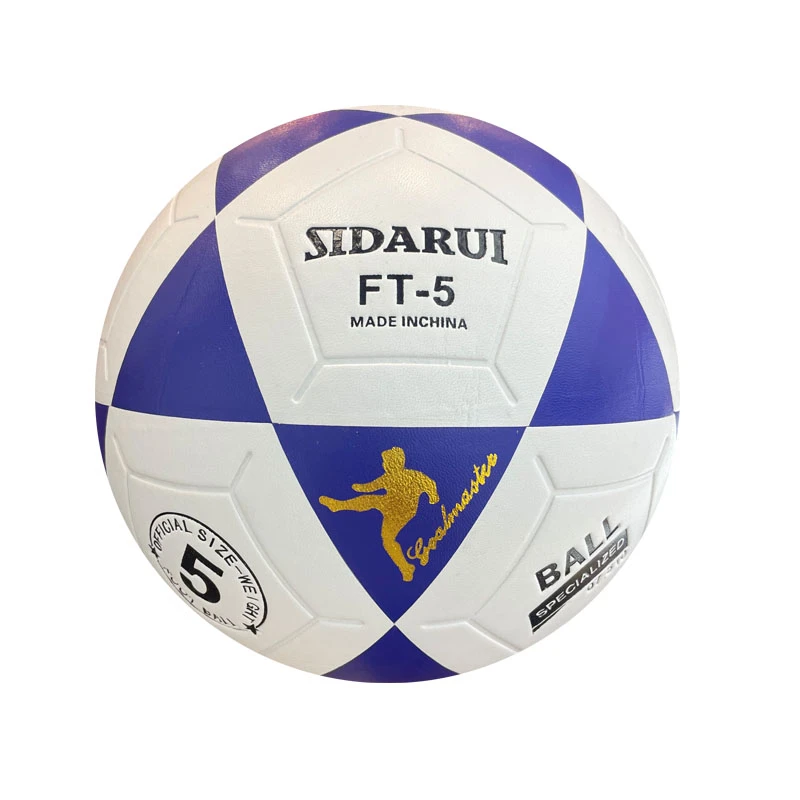
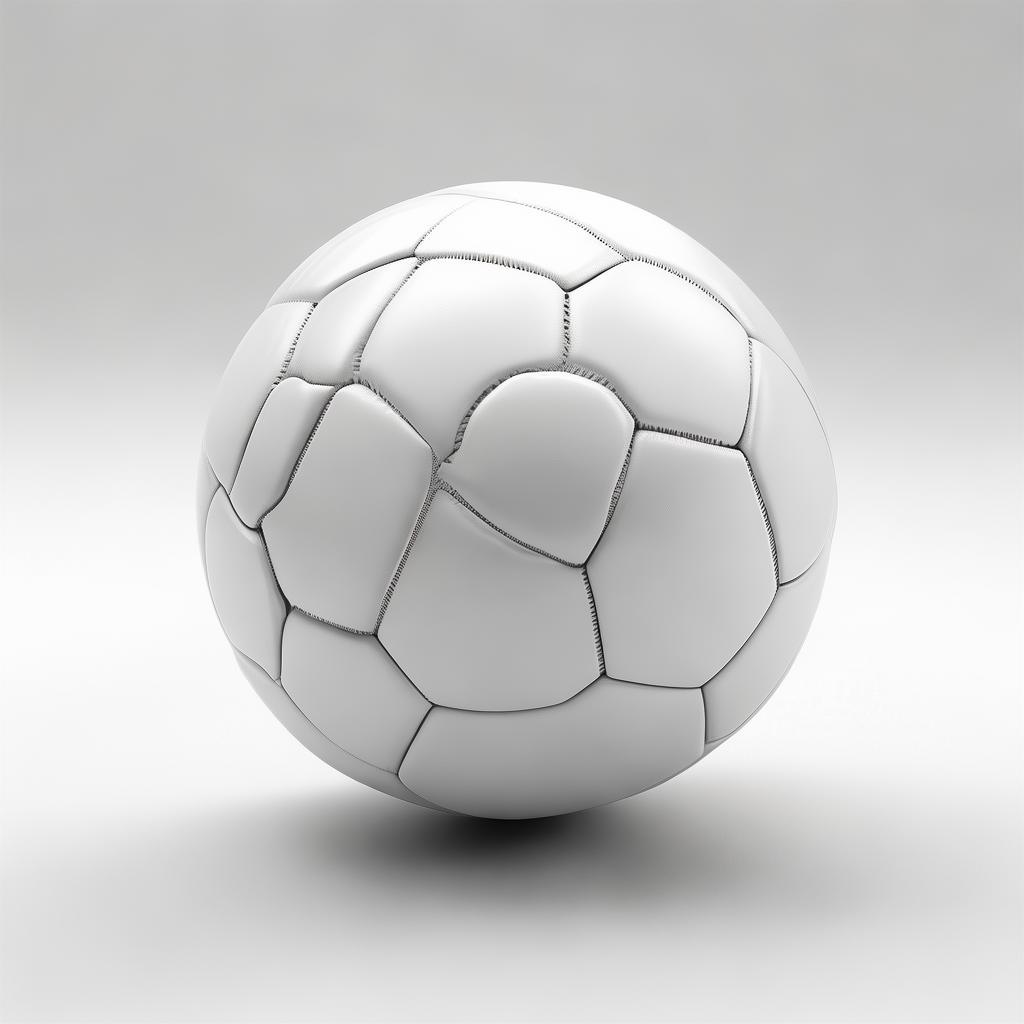
new soccer ball for world cup new world cup soccer ball new soccer ball
Experience & Reputation:
OEM/ODM Capabilities:
Logistics & Communication:
Pricing & Value: While price is a factor, it should be weighed against quality, reliability, and service. A slightly higher price for a superior product and a dependable partner often yields better long-term value. Consider the total cost of ownership, including potential costs associated with poor quality or delivery delays. Our revenue of over 30 million in 2023 reflects our ability to provide competitive value across diverse markets.
By thoroughly evaluating these aspects, you can identify a supplier like Hebei Starry Sports Goods that aligns with your business objectives and delivers the quality and reliability your customers expect.
"We've been sourcing training footballs from Starry Sports for three seasons now. Their consistency in quality, especially with thermally bonded panels, is remarkable for the price point. Deliveries are always on schedule, which is crucial for our retail planning."

"Starry Sports was instrumental in helping us launch our private label basketball line. Their OEM service was top-notch, from prototype development to final production. The communication was excellent throughout the process, and the final product exceeded our expectations. Highly recommend!"

"We needed a reliable supplier for professional-grade volleyballs for our distribution network across Europe. Starry Sports demonstrated their technical expertise and commitment to quality. Their understanding of FIVB standards and their efficient logistics made them the perfect partner."

Whether you're equipping a league, stocking retail shelves, or launching your own sports brand, quality and reliability are paramount. Partner with an experienced manufacturer committed to excellence.
Call Us: +86 15713370191 | Email: starry005@ballschina.com
WELCOME TO INQUIRE


LATEST NEWS
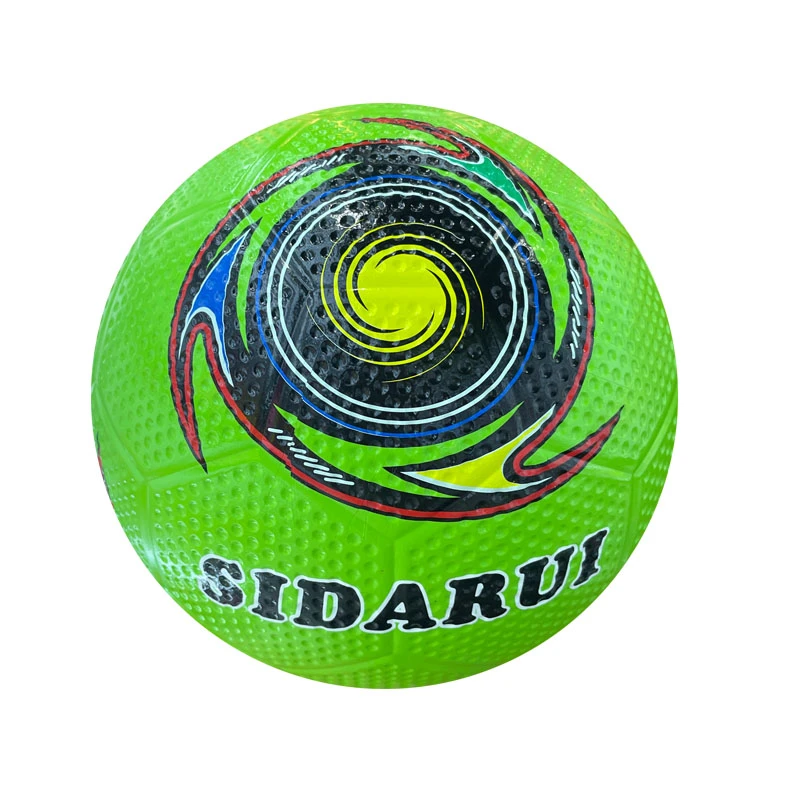
Crafted with precision and care, our soccer ball features a durable rubber core that ensures excellent bounce and resilience. The rubber material is not only lightweight but also provides the ideal amount of grip, allowing players to control the ball with ease. This means you can focus on perfecting your shots, passes, and tricks without worrying about the ball slipping away from you.
26,04 , 2026
Custom Mini Basketball Ball for Branding and Promotional Use
In today’s competitive marketplace, brands are constantly searching for creative, cost-effective way
READ MORE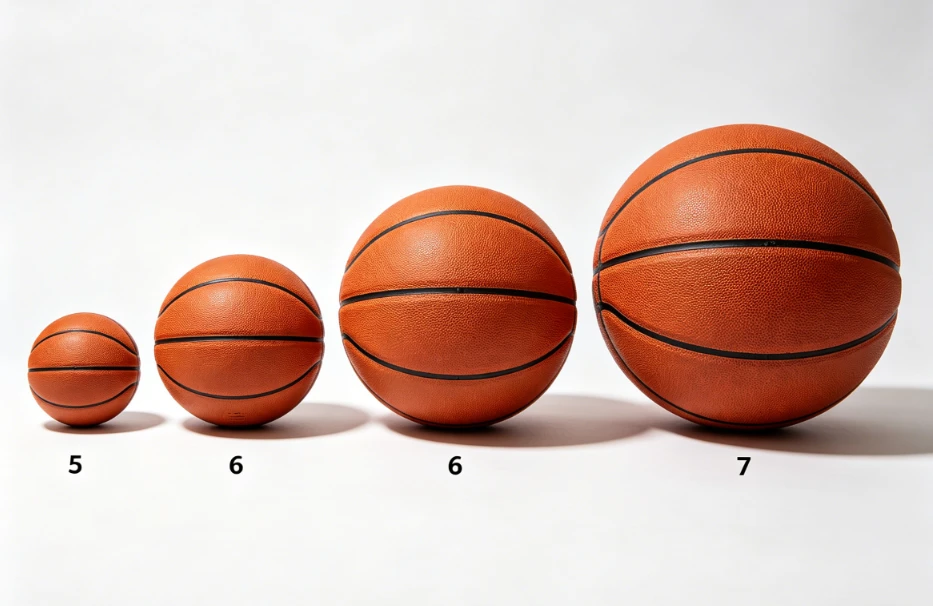
24,04 , 2026
Size Guide for Basketballs Wholesale: From Youth to Professional
Choosing the right basketball size is one of the most important decisions for wholesalers, sports eq
READ MORE
23,04 , 2026
Outdoor vs Indoor Basketballs Wholesale: Key Differences
When sourcing basketballs in bulk, understanding the difference between outdoor and indoor models is
READ MORE