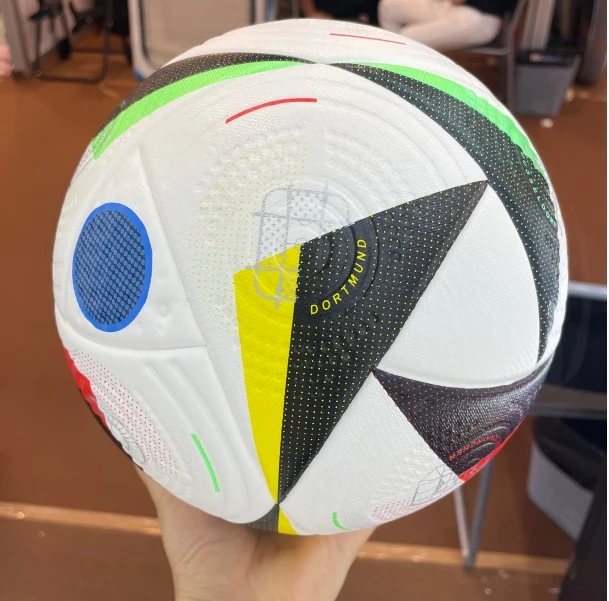
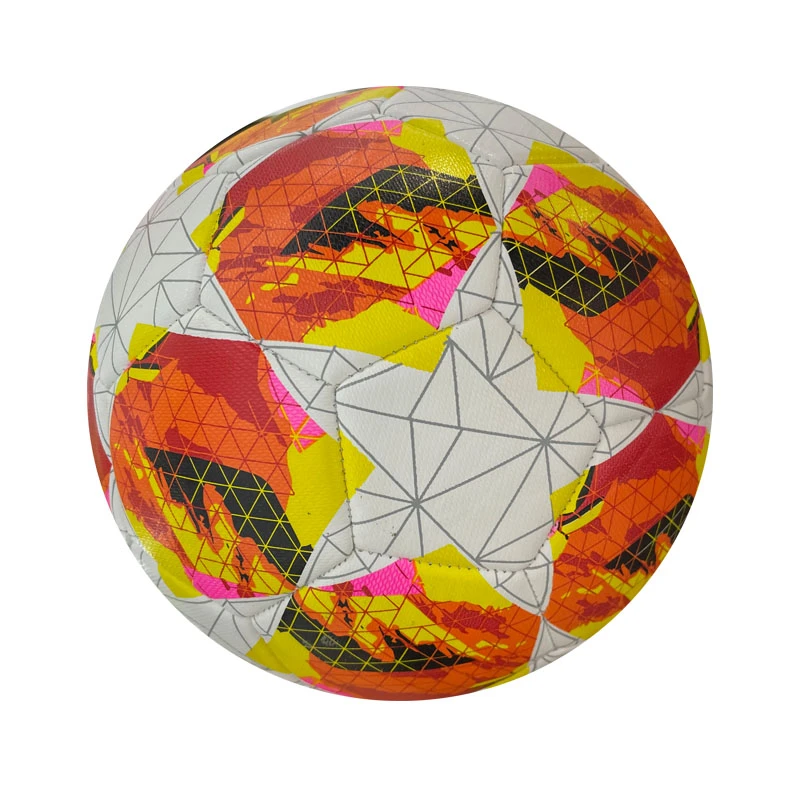
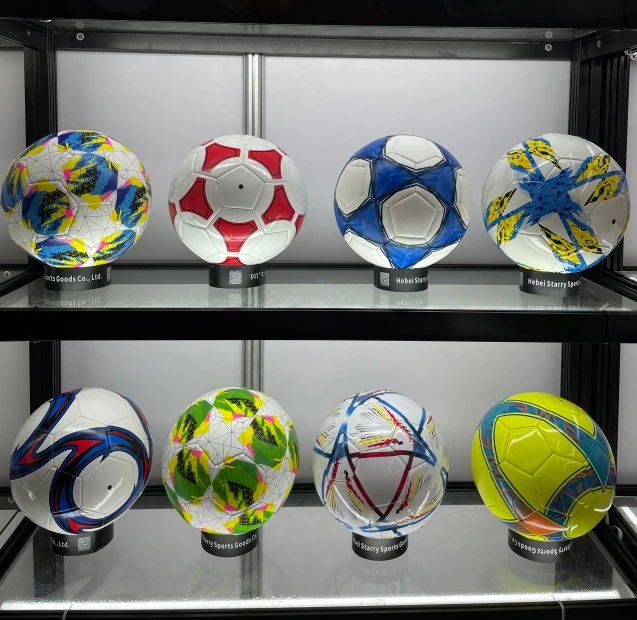
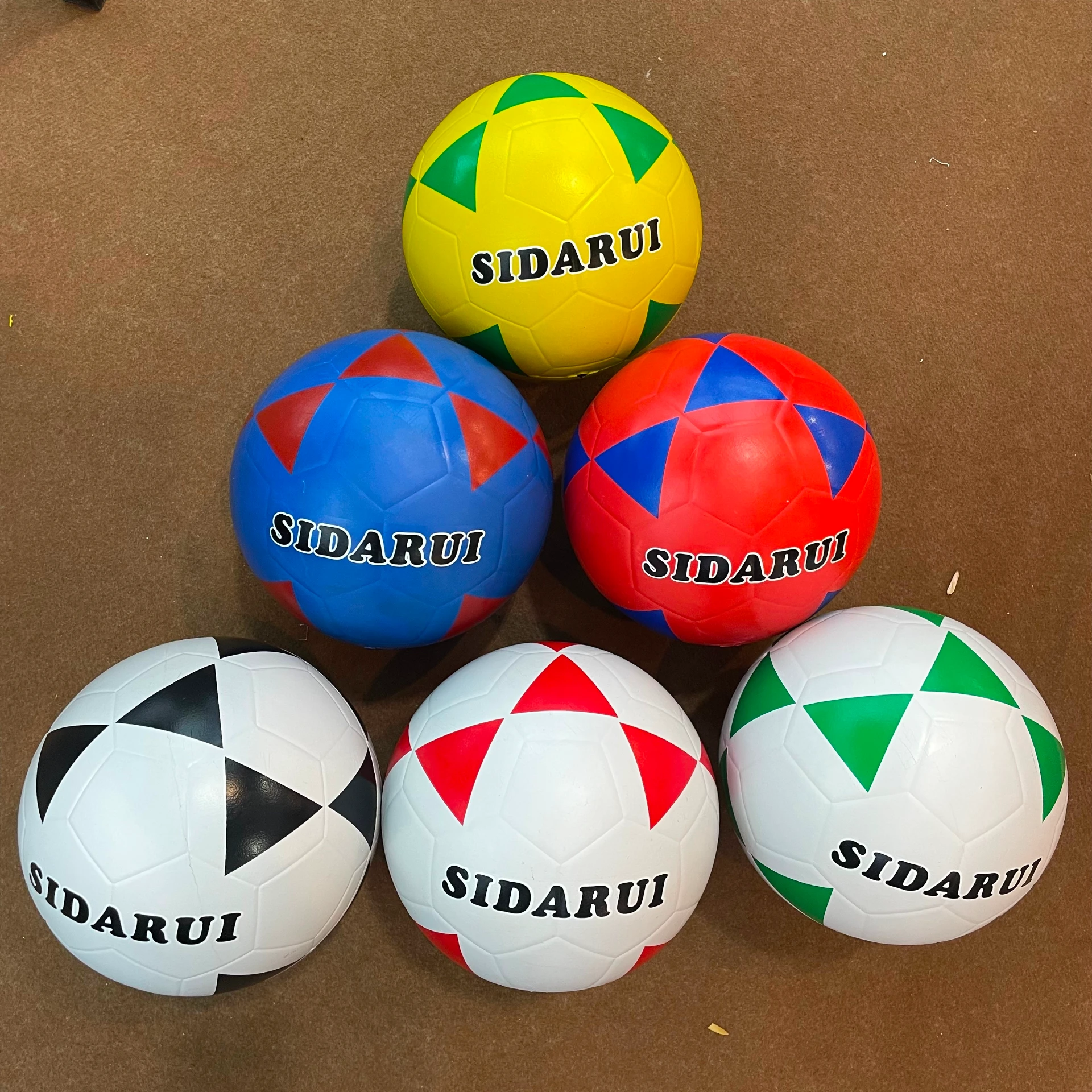
premiership ball 2018 premiership ball premiership soccer ball
Discover the essential details for procuring high-quality footballs, mirroring the specifications sought after in the 2016 Premiership season. Understand the manufacturing, material science, and global supply chain dynamics that define championship-grade equipment.
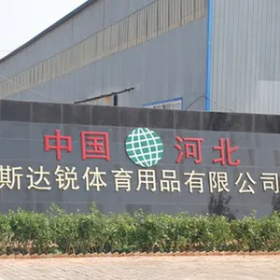
Our state-of-the-art manufacturing facility in Cangzhou, Hebei.
The 2016 football season, particularly the English Premier League, was a pivotal moment in sports equipment evolution. Procurement managers and distributors seeking to replicate or source similar quality balls need to grasp the underlying technology and market drivers of that era. It wasn't just about aesthetics; the performance, durability, and consistency of the ball directly impacted player performance and match outcomes. The demand for balls that offered predictable flight paths, consistent bounce, and superior grip in all weather conditions was paramount. This drove manufacturers to refine their construction techniques and material selection, moving towards innovations that have now become industry standards.
From a wholesale import perspective, understanding these specific requirements of top-tier leagues like the Premiership means more than just matching a visual design. It involves delving into the manufacturing processes, the approved material specifications, and the rigorous testing protocols that govern elite sports equipment. For businesses in North America and English-speaking markets looking to source these types of balls, the year 2016 represents a benchmark for quality and performance that many still aim to achieve. The market for footballs is substantial; the global football (soccer) market was valued at approximately USD 8.47 billion in 2025 and is projected to reach USD 9.97 billion by 2031 at a CAGR of 2.77%. Size 5 balls, typically used in professional matches, dominate with over 51% share. This demonstrates a consistent, large-scale demand for the very types of balls that graced the Premiership pitches during that season.
The shift towards thermally bonded panels, for instance, was gaining significant traction around 2016. This construction method offered a more consistent spherical shape, reduced water uptake compared to traditional stitched balls, and improved aerodynamics. For teams and players, this translated to fewer unpredictable swerves and a more reliable feel on the foot. For manufacturers and distributors, it meant a product that could withstand the rigors of professional play while maintaining its integrity over many matches, reducing the need for frequent replacements and increasing perceived value. This focus on enhanced durability and performance is a key takeaway when considering the "Premiership Ball 2016" context.
Furthermore, the development of high-performance synthetic leathers, often polyurethane (PU) or thermoplastic polyurethane (TPU), became standard. These materials offered a better feel and control than older PVC alternatives, while also being more resistant to abrasion and environmental factors like UV exposure and moisture. The texture and panel design also played a crucial role. Micro-textured surfaces could enhance grip, allowing players to control the ball more effectively, especially in wet conditions. The number and shape of panels were also optimized for aerodynamic stability. While specific panel designs vary by manufacturer and official ball supplier, the underlying principle of achieving optimal flight characteristics was universal.
When sourcing wholesale, it's critical to ensure that suppliers can consistently deliver on these material and construction promises. This often involves stringent quality control measures at the factory level. For example, confirming that the PU or TPU used meets specific performance criteria for softness, elasticity, and weather resistance is essential. Similarly, verifying the bonding process for thermally bonded balls requires an understanding of the machinery and quality assurance procedures in place. It’s not uncommon for lower-quality balls to exhibit seam splitting or panel separation after a few uses, especially if lower-grade adhesives or inadequate bonding temperatures were employed.
The supply chain for sports equipment is global, with major production hubs in Asia. Companies like Hebei Starry Sports Goods Co., Ltd. have established themselves as reliable sources for high-volume, quality-controlled manufacturing. When looking for a supplier to meet demands akin to the Premiership 2016 standard, consider their experience, their certifications (like ISO), and their capacity to produce balls that adhere to international standards, even if not officially FIFA-approved for a specific year's tournament. The core technology and quality benchmarks remain relevant. We've seen the global soccer balls market projected to grow significantly, with some reports estimating it could reach USD 7.41 billion by 2035 at a CAGR of 9.32%. This growth is fueled by surging soccer popularity worldwide, youth participation, and innovations in materials like thermally bonded PU/TPU, which are precisely the characteristics associated with top-tier balls from that era.
Ultimately, the "Premiership Ball 2016" isn't just a product; it's a representation of manufacturing excellence and athletic performance. For import businesses, this translates to a need for meticulous supplier vetting, a clear understanding of technical specifications, and a commitment to quality assurance. It’s about partnering with factories that can deliver not just a ball, but a piece of equipment that meets professional expectations, season after season. The emphasis on durable materials, advanced construction, and consistent performance is what distinguishes a championship-grade ball from an average one.
When evaluating wholesale options for footballs reminiscent of the 2016 Premiership standard, several operational and technical factors come into play. For procurement managers and international distributors, this isn't simply about finding the lowest price; it's about securing a reliable supply chain that delivers consistent quality and meets performance expectations. The market is competitive, and understanding the nuances of production and material sourcing is crucial for long-term success.
The most significant advancements in football manufacturing leading up to and during 2016 revolved around casing materials and panel construction. For a ball to perform at a professional level, its outer casing needs to strike a balance between softness for touch and control, and toughness for durability. High-grade polyurethane (PU) or thermoplastic polyurethane (TPU) became the materials of choice. These synthetics offer superior water resistance compared to traditional PVC, meaning the ball's weight and flight characteristics remain more stable during play in wet conditions. The microfiber backing beneath the casing also plays a role in providing a softer feel and better rebound.
Construction methods are equally critical. Thermally bonded construction has largely replaced traditional hand-stitching for top-tier match balls. This process involves heating the panels and fusing them together under pressure, creating a virtually seamless surface. The benefits are numerous:
When sourcing, inquire specifically about the bonding process and the type of PU/TPU used. Reputable manufacturers will be able to provide details on material grades and bonding technology. For instance, the global soccer ball market has seen significant growth driven by innovations in thermally bonded PU/TPU materials, as noted in various market reports. One report projects the market could reach USD 7.41 billion by 2035 due to these material advancements.
The bladder, typically made of butyl rubber or latex, is responsible for holding air and maintaining the ball's shape and bounce. Butyl bladders are preferred for their superior air retention, which means the ball doesn't need frequent re-inflation, a crucial factor for professional play and wholesale distribution where maintenance might be less immediate.
Panel design is also an area of continuous innovation. While iconic designs exist for specific leagues, the underlying principles focus on aerodynamics. The shape and arrangement of panels affect how air flows around the ball, influencing its trajectory. The 2016 era saw a refinement of panel cuts and a move towards more complex, yet aerodynamically stable, patterns.
For professional and competitive play, Size 5 balls are standard. These balls typically range from 27 to 28 inches (68-70 cm) in circumference and weigh between 14 to 16 ounces (410-450 grams). It is imperative that wholesale suppliers adhere to these specifications. Many market reports confirm that Size 5 balls dominate demand. For example, the football market size report from Mordor Intelligence states that Size 5 balls hold over 51% of the market share.
While official league balls often carry specific endorsements (e.g., FIFA Quality Pro), for general wholesale purposes, adhering to the established size and weight regulations is the primary concern. Ensuring that production batches maintain these consistent parameters is a key function of a reliable manufacturer.
A ball intended for professional play must withstand considerable force and abrasion. Manufacturers should have robust testing protocols in place, including:
For distributors, requesting documentation on these tests or factory audit reports can provide valuable assurance of quality.
Hebei Starry Sports Goods Co., Ltd. offers comprehensive manufacturing solutions for clients worldwide. Established in November 2014, we've built our reputation on producing high-quality footballs, basketballs, and volleyballs that meet diverse market needs. Our strategic location near Tianjin Port facilitates efficient international logistics, ensuring timely delivery to our global partners. With a production capacity exceeding 5 million units annually and a dedicated team of 316 skilled workers, we are equipped to handle large-scale wholesale orders with consistent quality control.
We understand that many businesses require more than just off-the-shelf products. That's why we specialize in both OEM (Original Equipment Manufacturer) and ODM (Original Design Manufacturer) services. Whether you have a specific design and material specification for your brand, or you're looking for a partner to develop a new product line based on market trends and your target audience, our experienced team is ready to collaborate.
With OEM, you provide your established brand guidelines, logos, and specific product requirements. We then manufacture the balls precisely to your specifications, ensuring the final product aligns perfectly with your brand identity and quality standards. This is ideal for established brands looking to expand their product range or optimize their manufacturing costs by leveraging our production capabilities and expertise. We can replicate specific textures, color schemes, panel layouts, and material compositions to match existing product lines or create entirely new ones under your brand.
Our ODM services offer a more integrated approach. You can bring us your general concept, target market, and performance objectives, and our design and engineering teams will work with you to develop a unique product from the ground up. This includes:
This service is invaluable for new entrants to the sports equipment market or for established companies looking to innovate with cutting-edge products. Our experience in the foreign trade market since 2016 means we understand global market demands and consumer preferences.
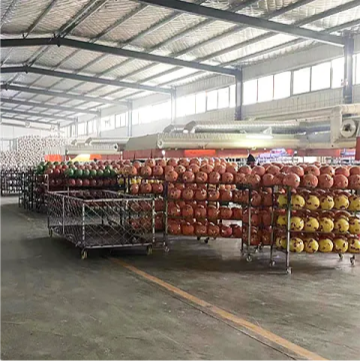
Advanced machinery ensures precise manufacturing and consistent quality.
We pride ourselves on adhering to international quality standards. While specific certifications can be discussed based on client requirements, our manufacturing processes are designed to yield products that perform exceptionally. Our total revenue exceeded 30 million in 2023, serving customers in approximately 80% of global regions. This extensive market reach is a testament to our commitment to quality, reliability, and competitive pricing. We continuously invest in improving our production lines and training our staff to stay at the forefront of sports equipment manufacturing.
Whether you're looking to source a batch of balls that replicate the performance characteristics of the Premiership 2016 season or develop a completely new product line, Hebei Starry Sports Goods Co., Ltd. is your trusted partner. We offer not just manufacturing, but a partnership focused on delivering value and exceeding expectations.
For businesses importing sports equipment, particularly footballs, understanding the logistics is as critical as the product quality itself. Efficient shipping and handling can significantly impact overall costs and timelines. At Hebei Starry Sports Goods Co., Ltd., we leverage our proximity to major ports and our extensive experience in international trade to streamline this process for our clients.
Our facility is strategically located in Xingji Town, Cangzhou City, a mere 100 kilometers from Tianjin Port. This proximity is a significant advantage. Tianjin Port is one of the largest and busiest ports in the world, offering extensive shipping routes and competitive freight rates. Being close allows us to:
Footballs are typically shipped deflated to save space and reduce shipping costs. They are then packed in sturdy cardboard boxes, often with inner polybags to protect against moisture. The size and weight of these boxes are standardized to fit common container dimensions (e.g., 20ft or 40ft containers). Our production planning ensures that balls are packaged efficiently, and we can accommodate specific packaging requirements if needed, such as custom labeling or palletizing.
A typical 20ft container can hold a significant number of footballs, depending on their size and how they are packed. For example, if a Size 5 ball with packaging occupies a volume of approximately 0.05 cubic meters and weighs around 0.5 kg, a container could theoretically hold around 750-850 such units, though this can vary. Our logistics team works to optimize this, ensuring you get the most value from each shipment.
Navigating international trade requires precise documentation. We ensure all necessary export documents, including commercial invoices, packing lists, bills of lading, and certificates of origin, are prepared accurately and promptly. We are experienced in working with customs authorities in various regions and can assist with any specific documentation requirements for import into the USA or other English-speaking markets.
Lead times are an important consideration for procurement managers. From order confirmation to shipment dispatch, typical lead times can range from 30 to 60 days, depending on order volume and customization requests. Ocean freight transit times to major North American ports can add another 3-5 weeks. It's crucial to factor these timelines into your inventory planning to avoid stockouts, especially during peak seasons.
While we handle the export process from our end, many international buyers prefer to work with their own freight forwarders. We are accustomed to coordinating with third-party logistics providers to ensure a seamless handover of goods at the port. Clear communication with your chosen forwarder about shipping details, Incoterms, and desired delivery schedules is key to a smooth import operation.
Our commitment extends beyond manufacturing; we aim to be a reliable partner throughout the entire supply chain, offering insights and support to ensure your wholesale sports equipment procurement is as efficient and cost-effective as possible.
Here are answers to some common questions from our wholesale clients regarding footballs and our manufacturing capabilities.
Professionally, Size 5 footballs typically adhere to a circumference of 68-70 cm (27-28 inches) and a weight of 410-450 grams. The casing is usually made from high-quality PU or TPU with a microfiber backing, and construction is predominantly thermally bonded for optimal performance and durability, especially in wet conditions.
Thermally bonded balls use heat and pressure to fuse panels together, creating a virtually seamless construction that significantly reduces water absorption and improves sphericity. Stitched balls, while sometimes offering a softer feel initially, are more prone to water uptake and seam wear over time, impacting performance and longevity.
Absolutely. We offer both OEM and ODM services. For OEM, you provide your logo and branding specifications, and we manufacture to your exact needs. For ODM, we can collaborate on design development from concept to production, creating a unique product for your brand.
Our MOQs can vary depending on the product and customization level, but generally, for standard footballs, it's around 500-1000 units. We encourage you to contact us with your specific requirements, and we can provide a tailored quote.
From order confirmation and sample approval, standard production lead times are typically between 30 to 60 days. This can vary based on order volume, material availability, and complexity of customization. Shipping times are additional and depend on the destination and chosen shipping method.
We ship footballs deflated in protective cardboard boxes, optimized for container loading to maximize efficiency. They can be shipped via sea freight to major international ports. We work with clients to arrange shipping through their preferred freight forwarders or can assist in finding competitive shipping solutions.
Partner with Hebei Starry Sports Goods Co., Ltd. for reliable manufacturing and competitive wholesale pricing. We are committed to delivering the quality and performance your customers expect.
Call us: +86 15713370191 / +86 15369832815 / +86 15720387999
E-mail: starry005@ballschina.com / starry003@ballschina.com / starry001@ballschina.com
WELCOME TO INQUIRE


LATEST NEWS
Crafted with precision and care, our soccer ball features a durable rubber core that ensures excellent bounce and resilience. The rubber material is not only lightweight but also provides the ideal amount of grip, allowing players to control the ball with ease. This means you can focus on perfecting your shots, passes, and tricks without worrying about the ball slipping away from you.
26,04 , 2026
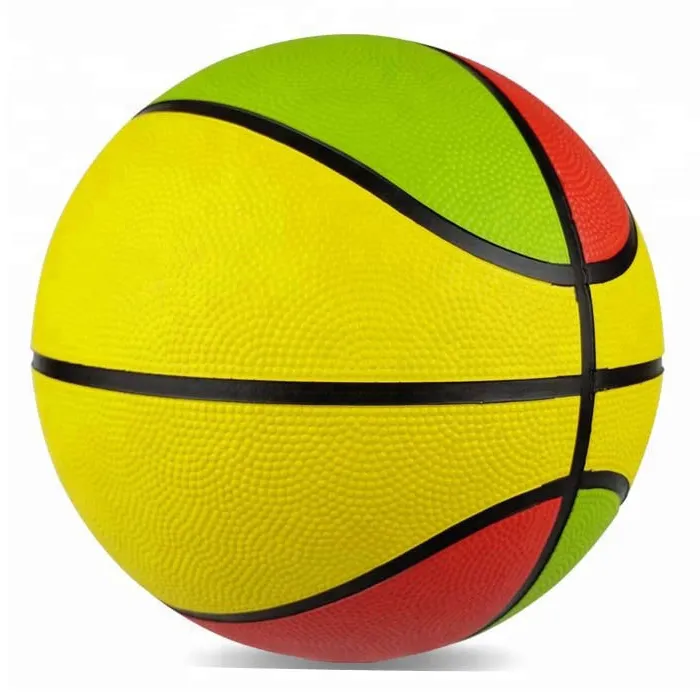
Custom Mini Basketball Ball for Branding and Promotional Use
In today’s competitive marketplace, brands are constantly searching for creative, cost-effective way
READ MORE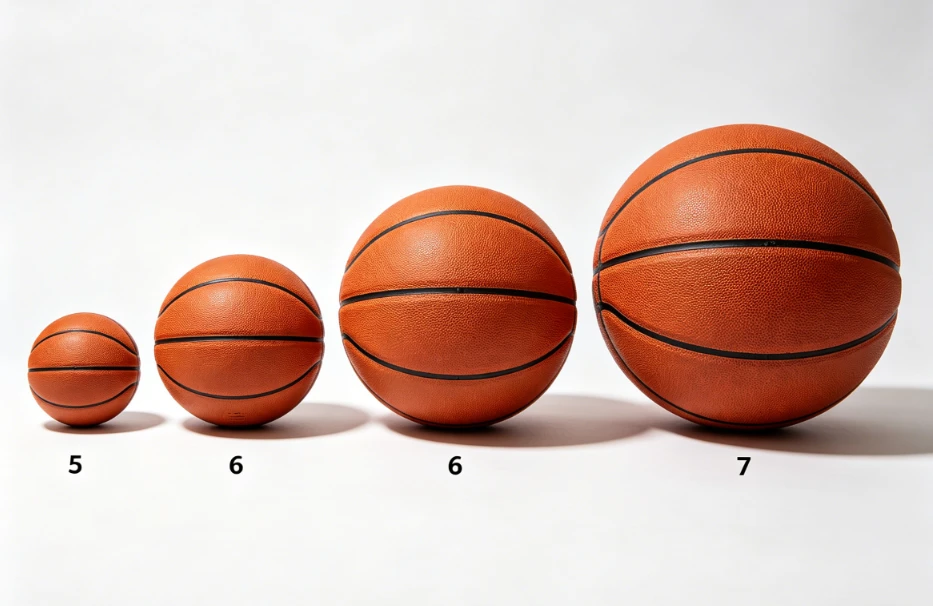
24,04 , 2026
Size Guide for Basketballs Wholesale: From Youth to Professional
Choosing the right basketball size is one of the most important decisions for wholesalers, sports eq
READ MORE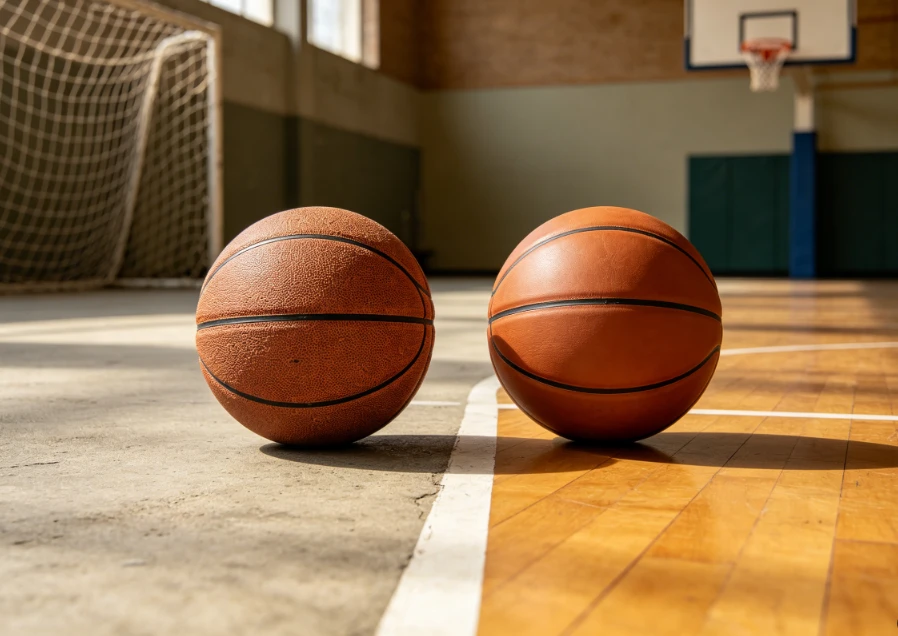
23,04 , 2026
Outdoor vs Indoor Basketballs Wholesale: Key Differences
When sourcing basketballs in bulk, understanding the difference between outdoor and indoor models is
READ MORE