 By John Davies, Senior Export Manager at Hebei Starry Sports Goods Co., Ltd.
Navigating the world of professional soccer ball sizes can seem straightforward, but for procurement managers, distributors, and even seasoned players, understanding the nuances is critical. It's not just about what looks right on the field; it's about ensuring the correct size meets regulatory standards, enhances player development, and ultimately, aligns with your specific purchasing needs. At Hebei Starry Sports Goods Co., Ltd., we've been manufacturing high-quality sports balls for the international market since 2014, and we've seen firsthand how the right specifications translate into satisfied clients and superior performance. This guide dives deep into the world of professional soccer ball sizing, covering everything from official regulations to practical procurement considerations.
When you're looking to source or supply professional soccer balls, the first specification that comes to mind is typically size. But it's a bit more complex than just picking a number. The "pro soccer ball size" most people refer to is overwhelmingly Size 5, which is the standard for senior-level competitive play. However, for a wholesale buyer, a distributor in a new market, or even a coach equipping a youth academy, understanding the full spectrum of sizes and their applications is crucial for making informed purchasing decisions. This isn't just about meeting FIFA regulations; it's about optimizing player performance, facilitating skill development, and ensuring the equipment is fit for its intended purpose.
The global football market, valued at approximately USD 8.47 billion in 2025 and projected to reach USD 9.97 billion by 2031, demonstrates a sustained demand for quality equipment. (Source: Mordor Intelligence) Within this vast market, the Size 5 ball clearly dominates, holding over 51% of the market share. (Source: Mordor Intelligence) This isn't by accident. The standardized dimensions and weight of Size 5 balls are meticulously designed to ensure consistent flight, predictable bounce, and fair play at the highest levels. For professional athletes, the consistency offered by a properly sized and manufactured ball is paramount for honing their skills and executing complex maneuvers.
However, the narrative doesn't end with Size 5. Youth development programs worldwide are increasingly recognizing the benefits of using appropriately sized balls for younger players. A ball that's too large or too heavy can hinder skill acquisition, discourage participation, and even lead to improper technique. As evidenced by the soccer ball market projections, with some reports estimating growth to USD 7.41 billion by 2035 at a CAGR of 9.32% (Source: Business Research Insights), there's a continuous evolution in demand, driven by participation and innovation. This growth suggests a market that values performance, durability, and player-centric design – all of which are influenced by correct ball sizing and construction.
From a procurement standpoint, understanding these size variations is key to managing inventory, catering to diverse client needs, and sourcing the most cost-effective and regulation-compliant products. Are you sourcing for a national league, a local club, a sports retailer, or an e-commerce platform? Each scenario might have slightly different requirements. For instance, while FIFA mandates specifications for official matches, recreational leagues or training facilities might have more flexibility, though adhering to development-appropriate sizes remains a best practice.
At Hebei Starry Sports Goods Co., Ltd., we manufacture a wide range of soccer balls, and we work closely with our clients to ensure they get precisely what they need. Whether it's a FIFA-approved match ball constructed with thermally bonded panels for superior water resistance and minimal deformation, or a durable training ball designed for countless hours on the pitch, the correct size is the foundational element. Our commitment is to provide export-quality products that meet international standards, supported by our decades of manufacturing experience and a deep understanding of the global sports equipment market.
This deep dive into pro soccer ball size aims to equip you, the B2B buyer, with the knowledge to make confident, strategic decisions. We'll cover the official FIFA regulations, the specific characteristics of Size 5 balls, the importance of smaller sizes for development, and how to evaluate suppliers based on their understanding and adherence to these critical specifications.
Governing bodies like FIFA set strict regulations to ensure a level playing field and consistent performance across all competitive matches. These standards primarily dictate the circumference, weight, and pressure of the ball. For the senior professional game, the focus is squarely on Size 5.
These aren't arbitrary numbers. They are the result of extensive research and testing to optimize the ball's behavior in the air and on the ground, contributing to the skill and athleticism displayed in professional matches. Any deviation from these parameters can significantly impact the game's dynamics.
For us as manufacturers, adhering to these FIFA standards isn't just about compliance; it's about producing balls that players and officials trust. Our rigorous quality control processes ensure that every Size 5 ball leaving our facility meets these exacting requirements, making them suitable for top-tier leagues and tournaments.
It’s important to note that these are the *minimum* standards for FIFA-sanctioned events. Many professional match balls often meet even more stringent internal quality benchmarks set by brands or governing bodies for enhanced performance, durability, and consistency, especially regarding sphericity and water absorption.
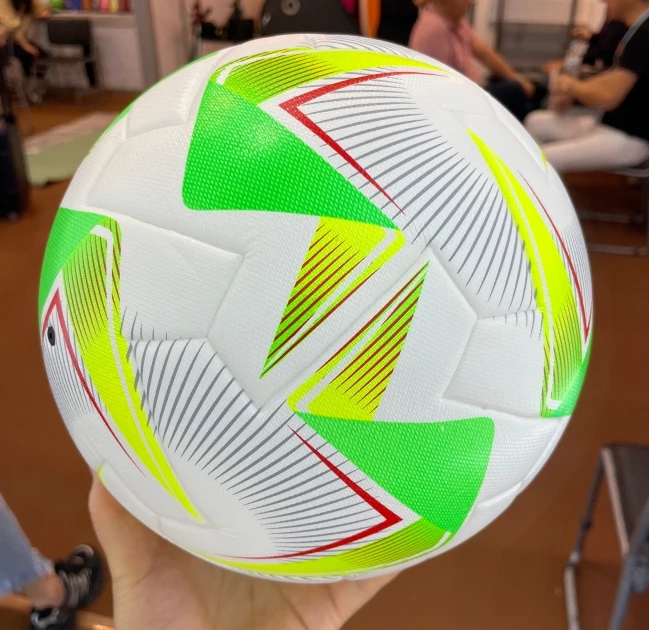
When you hear "pro soccer ball size," think Size 5. This is the official size used for all competitive matches involving players aged 12 and older, including professional leagues, adult amateur leagues, and international competitions. Its dimensions and weight are calibrated for players with developed skill sets, strength, and tactical understanding.
The Size 5 ball offers a perfect balance:
The market for Size 5 balls is substantial. As mentioned, they hold over 51% of the football market share (Source: Mordor Intelligence). This dominance underscores their essential role. Whether it's for official match play, high-level training, or even serious recreational players, Size 5 is the undisputed standard.
For B2B buyers, understanding the nuances within Size 5 is also important. Are you looking for official FIFA Quality Pro balls for top-tier matches, FIFA Quality balls for general competitive play, or IMS (International Match Standard) balls for high-level training and club matches? Each has specific certification requirements and price points. At Hebei Starry Sports Goods, we can manufacture balls to meet these various standards, ensuring your order aligns with the precise level of play and regulatory requirements you need.
Consider the construction methods: thermally bonded balls offer superior sphericity, reduced water uptake, and better durability compared to traditional stitched balls, making them the preferred choice for professional match play. This technological advancement plays a significant role in the performance characteristics that players have come to expect from a "pro" ball.
While Size 5 is the standard for professional play, it's crucial for procurement managers serving diverse markets to be aware of other sizes. Using the correct size for younger players is not just a recommendation; it's fundamental for effective skill development and injury prevention.
Here's a quick breakdown of common sizes:
| Size | Recommended Age Group | Circumference | Weight |
|---|---|---|---|
| Size 5 | 12 years and older | 68-70 cm (27-28 in) | 410-450 g (14.5-15.9 oz) |
| Size 4 | 8-12 years | 63.5-66 cm (25-26 in) | 350-390 g (12.3-13.8 oz) |
| Size 3 | 8 years and younger | 58-60 cm (23-23.5 in) | 300-320 g (10.6-11.3 oz) |
| Size 1 (Skill Ball) | All ages (skill development) | Approx. 40-50 cm (16-20 in) | Approx. 150-200 g (5.3-7 oz) |
Using a Size 4 ball for an 8-year-old, for example, makes it easier for them to control, pass, and shoot. This builds confidence and encourages them to develop proper techniques without being overwhelmed by a larger, heavier ball. The weight reduction also lessens the impact on developing joints.
The global soccer ball market is projected to grow significantly, with some forecasts showing a CAGR of around 9.40% (Source: LinkedIn Pulse). This growth is fueled by increasing participation rates across all age groups, especially in youth programs and emerging markets. For distributors and retailers, stocking a range of sizes is essential to capture this broad market demand. As a manufacturer, Hebei Starry Sports Goods is well-equipped to produce high-quality balls in all these standard sizes, tailored to different performance needs and budgets. We understand that supplying Size 3 balls for a U10 league requires the same attention to detail in construction as a Size 5 match ball.
The Size 1 "skill ball" is a specialized item, often used for training drills focusing on close control, footwork, and touch. While not used in official matches, they are invaluable for individual player development, and we can certainly accommodate orders for these unique items as well.
While size is a primary specification, the materials used and the construction methods employed have a profound impact on a soccer ball's performance, durability, and feel – all critical factors for professional play and purchasing decisions.
Materials:
Construction Methods:
The choice of material and construction directly impacts the ball's adherence to the FIFA standards for weight, circumference, and pressure, especially under different environmental conditions like humidity or rain. A thermally bonded PU ball will maintain its size and weight better in wet conditions than a stitched PVC ball.
As a wholesale buyer, understanding these differences allows you to specify exactly what your market demands. For clubs seeking official match balls, certifications like FIFA Quality Pro are non-negotiable, and these typically feature advanced materials and thermal bonding. For bulk orders of training balls, durability and cost-effectiveness might lead you to opt for machine-stitched, PVC-covered balls.
Hebei Starry Sports Goods Co., Ltd. has the expertise and facilities to produce soccer balls using a variety of these materials and construction techniques. We can guide you in selecting the best combination to meet your performance expectations, budget, and the specific needs of your target market, whether it's for professional leagues in Europe or youth development programs in South America.
Innovations in materials and construction continue to drive the market. Advanced panel designs and coatings are continually being developed to improve flight stability, control, and durability, pushing the boundaries of what's possible. (Source: Mordor Intelligence)
Sourcing professional soccer balls involves more than just checking the size. For procurement directors and purchasing managers, a strategic approach is vital to secure quality, ensure compliance, and achieve favorable commercial terms.
1. Define Your Needs Clearly:
2. Understand Certifications and Standards:
As a supplier, we ensure our documentation clearly states which certifications our balls meet. We can also work with clients on developing custom specifications for their private label needs.
3. Supplier Evaluation: Beyond Price.
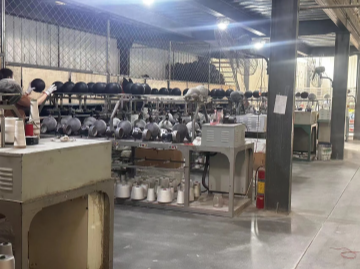 Hebei Starry Sports Goods operates a 67,000 sq meter facility with 316 skilled workers, enabling an annual output of over 5 million sports balls.
4. Material and Construction Details: Always ask for detailed specifications regarding the cover material (PU vs. PVC), bladder type (butyl vs. latex), number of lining layers, and construction method (thermal bond vs. stitched). This information is vital for understanding the ball's intended performance and lifespan.
5. Lead Times and Minimum Order Quantities (MOQs): Understand production lead times, especially for custom orders or large volumes. Confirm MOQs – for instance, our MOQs are designed to be competitive for various client sizes, from small distributors to large-scale importers.
By approaching procurement with this checklist, you can mitigate risks, ensure you receive products that genuinely meet your needs, and build strong, reliable supply chain partnerships. We encourage potential clients to ask detailed questions about our processes and products – we are always transparent and ready to demonstrate our capabilities.
From our vantage point on the factory floor at Hebei Starry Sports Goods, the "pro soccer ball size" is just the starting point. Ensuring that a Size 5 ball, for example, truly performs like a professional-grade ball involves a complex interplay of precise manufacturing, material science, and stringent quality checks.
We see procurement managers often focus initially on price, which is understandable, especially for large volumes. However, a ball that costs less upfront but deforms quickly, absorbs excessive water, or loses air rapidly is a false economy. It reflects poorly on the buyer, the brand, and ultimately, the sport itself. Our goal is to deliver value by producing balls that meet or exceed expectations for durability and performance, even at competitive price points.
soccer ball size professional soccer ball size official soccer ball size
When we manufacture Size 5 balls for official match play, we're not just ensuring they fall within the FIFA circumference and weight range. We're meticulously controlling the pressure distribution during thermal bonding, ensuring perfect panel alignment, and selecting high-grade PU with excellent abrasion resistance and consistent elasticity. A ball's flight path is incredibly sensitive to even minor inconsistencies in its shape or surface.
For youth sizes like Size 4 and Size 3, our focus shifts slightly. While maintaining accurate dimensions is still critical, we emphasize ease of control and responsiveness for younger players. This might mean using slightly different internal lining constructions or bladder materials to achieve a softer touch and a more forgiving rebound, facilitating skill development. It’s about matching the ball's physical properties to the player's capabilities and developmental stage.
 Our production process involves several key checkpoints:
Our export experience, with products reaching Asia, Europe, and South America, has taught us adaptability. We understand regional preferences, different climate impacts on materials, and varying logistical challenges. For instance, a ball destined for a humid climate needs superior water-repellent properties. Our team works closely with clients to address these specific environmental and market needs, ensuring the "pro soccer ball size" we deliver is indeed fit for purpose and built to last.
The primary differences lie in size, construction, materials, and certifications. "Pro" balls (Size 5) adhere to strict FIFA standards for circumference, weight, and pressure. They typically use premium PU synthetic leather, feature thermally bonded construction for superior sphericity and water resistance, and often carry FIFA Quality Pro or Quality Pro certifications. Recreational balls might be smaller, use less premium materials like PVC, be machine-stitched, and lack official certifications, making them more affordable but less durable and consistent in performance.
While technically possible, it's not recommended for optimal development. FIFA and most youth soccer organizations recommend a Size 4 ball for players aged 8-12. A Size 4 ball is lighter and smaller, making it easier for younger players to control, pass, and shoot, thereby fostering better technique and confidence. Using a ball that is too large or heavy can hinder development and potentially lead to poor habits.
Thermally bonded construction means the panels of the ball are fused together using heat and adhesive, rather than being stitched. This process results in a virtually seamless surface, leading to exceptional sphericity (perfect roundness), reduced water absorption, and enhanced durability. Thermally bonded balls also tend to have a more consistent feel and trajectory.
This is where a thorough supplier vetting process is crucial. Look for manufacturers with a solid track record, clear communication, and transparent documentation regarding certifications (e.g., FIFA Quality Pro). Requesting samples before placing a large order is standard practice. Check for third-party reviews or ask for references. Reputable suppliers, like Hebei Starry Sports Goods, will readily provide detailed product specifications, certifications, and factory audit information if available. Clear communication about your specific requirements and confirmation of product details in the purchase order are key.
Lead times can vary significantly based on order volume, complexity of customization, current factory production schedules, and shipping methods. For standard bulk orders of professional soccer balls, a typical lead time from order confirmation to shipment might range from 30 to 60 days. For custom designs or very large quantities, it could extend further. At Hebei Starry Sports Goods, we provide estimated lead times at the quotation stage and keep clients informed throughout the production process.
"We've been sourcing Size 5 match balls from Hebei Starry for our semi-professional league for the past three seasons. The consistency in quality and adherence to FIFA standards has been excellent. Their communication and reliability are top-notch, which is crucial for our supply chain."
"As a distributor for youth sports equipment, having a reliable supplier for Size 3 and Size 4 balls is vital. Starry Ball has consistently delivered durable, well-made balls that our clients love. Their pricing is competitive, and they are very responsive to our order needs. Highly recommended."
"We needed custom-branded Size 5 balls for a corporate sponsorship event. Hebei Starry handled the entire process smoothly, from design to production. The final product looked fantastic and performed well on the field. Their OEM capabilities are impressive."
Whether you need officially certified Size 5 match balls, durable training balls in various sizes, or custom-branded soccer balls, Hebei Starry Sports Goods Co., Ltd. is your trusted partner. With our commitment to quality, competitive pricing, and extensive export experience, we ensure you receive products that meet international standards and delight your customers.
We look forward to discussing your specific needs and building a long-term partnership.
WELCOME TO INQUIRE


LATEST NEWS
Crafted with precision and care, our soccer ball features a durable rubber core that ensures excellent bounce and resilience. The rubber material is not only lightweight but also provides the ideal amount of grip, allowing players to control the ball with ease. This means you can focus on perfecting your shots, passes, and tricks without worrying about the ball slipping away from you.
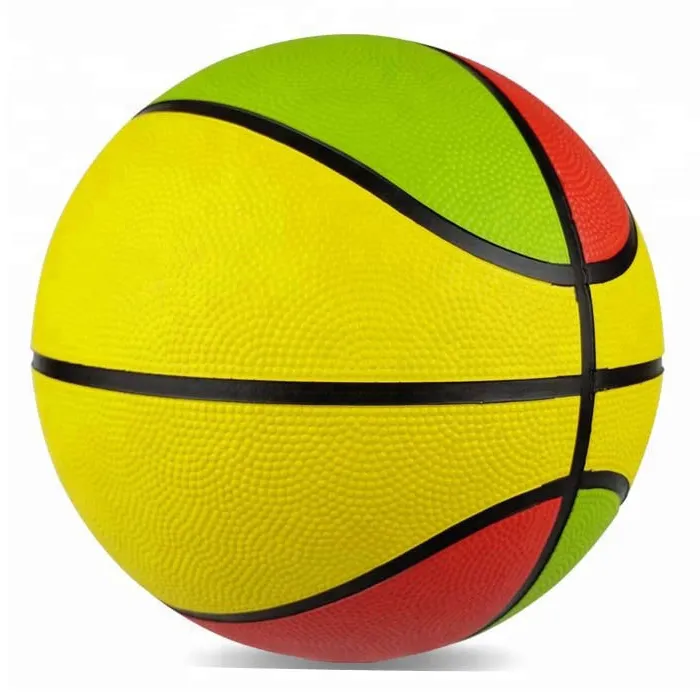
26,04 , 2026
Custom Mini Basketball Ball for Branding and Promotional Use
In today’s competitive marketplace, brands are constantly searching for creative, cost-effective way
READ MORE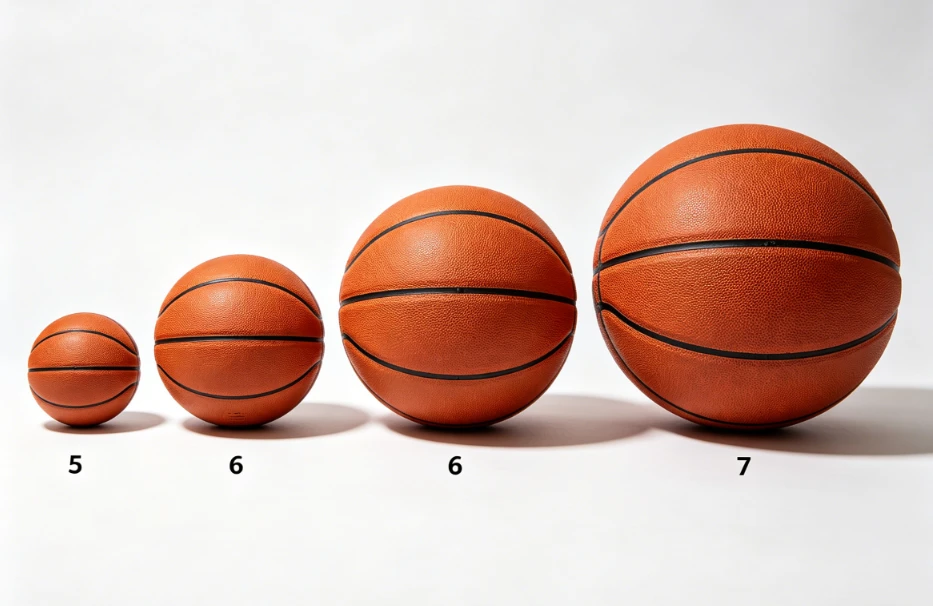
24,04 , 2026
Size Guide for Basketballs Wholesale: From Youth to Professional
Choosing the right basketball size is one of the most important decisions for wholesalers, sports eq
READ MORE
23,04 , 2026
Outdoor vs Indoor Basketballs Wholesale: Key Differences
When sourcing basketballs in bulk, understanding the difference between outdoor and indoor models is
READ MORE